
 Business License

Archival Quality Storage: Why Metal Flat Files Are Better Than Wood for Maps and Art
The Critical Choice for Document Preservation
When it comes to preserving large format documents like maps, artwork, and architectural drawings, the choice of storage solution can make the difference between conservation and catastrophe. Professional archivists, museum curators, and collectors increasingly recognize that metal vs wood flat file storage is not just a matter of preference but a critical decision for long-term document preservation. This comprehensive analysis explores why metal flat files have emerged as the superior choice for archival map storage and artwork preservation.
Understanding Archival Storage Requirements
What Makes Storage “Archival Quality”?
Archival quality storage refers to materials and environments designed to preserve documents for generations without degradation. The Library of Congress and leading preservation institutions have established strict standards that storage solutions must meet, including pH neutrality, structural stability, and environmental protection. When evaluating metal vs wood flat file options, these standards become the benchmark for determining true archival capability.
The Science Behind Document Degradation
Documents deteriorate through multiple pathways: acid migration, humidity fluctuations, pest infestation, and fire damage. Each factor requires specific protection measures that traditional storage solutions often fail to provide adequately. Understanding these degradation mechanisms is essential for making informed decisions about archival storage investments.
Metal Flat Files: The Gold Standard in Preservation
Superior Acid-Free Construction
Metal flat files offer inherent advantages in acid-free storage. Unlike wood, which naturally contains lignin and other acidic compounds that can migrate to stored documents, powder-coated steel or aluminum construction provides completely inert storage surfaces. This acid-free environment prevents the yellowing, brittleness, and deterioration that commonly affect documents stored in wooden cabinets over time.
Exceptional Fire Resistance
Fire protection represents one of the most significant advantages of metal vs wood flat file storage. Metal cabinets provide superior fire resistance, with many models offering fire ratings up to 1700°F for up to one hour. This protection level far exceeds that of wooden cabinets, which can fuel fires and offer minimal protection to contents. For institutions storing irreplaceable maps, artwork, or historical documents, this fire resistance capability alone justifies the investment in metal storage solutions.
Advanced Pest and Insect Protection
Metal flat files provide complete protection against pest infestation, a common problem with wooden storage solutions. Termites, silverfish, and other document-damaging insects cannot penetrate metal construction, eliminating the need for chemical treatments that might harm stored materials. This natural pest protection ensures long-term document safety without additional maintenance or monitoring requirements.
Optimal Humidity and Environmental Control
Metal construction offers superior dimensional stability compared to wood, which can warp, swell, or contract with humidity changes. This stability maintains consistent internal environments, protecting documents from the stress of fluctuating humidity levels. Many metal flat files also feature superior sealing mechanisms that provide additional protection against moisture intrusion and environmental contaminants.
Wood Flat Files: Traditional Appeal with Significant Limitations
Natural Acid Content and Document Damage
Wood naturally contains acidic compounds, particularly lignin, that can migrate to stored documents over time. This acid migration causes yellowing, embrittlement, and eventual deterioration of paper-based materials. Even when treated with sealants or liners, wood’s inherent acidity presents ongoing risks to archival materials, making it less suitable for long-term archival map storage.
Fire Vulnerability and Safety Concerns
Wooden flat files present significant fire hazards in archival environments. Not only do they fail to protect contents during fires, but they can actually contribute to fire spread and intensity. This vulnerability makes wooden cabinets unsuitable for institutions with fire safety requirements or those storing irreplaceable materials.
Pest Infestation Risks
Wooden storage solutions are susceptible to pest infestation, requiring regular monitoring and potential chemical treatments. These infestations can cause irreversible damage to stored documents before being detected, creating ongoing preservation risks that metal storage solutions eliminate entirely.
Maintenance and Durability Issues
Wood requires regular maintenance to prevent warping, cracking, and joint failure. These structural compromises can expose documents to environmental damage and security risks. Metal construction, by contrast, requires minimal maintenance while providing superior long-term durability and protection.
Cost Analysis: Long-Term Value vs Initial Investment
Understanding Total Cost of Ownership
While metal flat files typically require higher initial investment than wooden alternatives, their total cost of ownership proves significantly lower over time. Factors including reduced maintenance, eliminated pest control costs, superior document protection, and longer service life all contribute to metal storage’s superior long-term value proposition.
Risk Mitigation and Insurance Considerations
The superior protection offered by metal flat files often results in lower insurance premiums and reduced risk exposure for institutions storing valuable documents. This risk mitigation aspect, combined with the peace of mind provided by superior protection, further enhances the value proposition of metal storage solutions.
Implementation Best Practices
Selecting the Right Metal Flat File System
When choosing metal flat files for preserving large format documents, consider factors including drawer depth, weight capacity, locking mechanisms, and environmental sealing features. High-quality systems should feature powder-coated finishes, smooth-gliding drawers, and robust construction designed for decades of reliable service.
Environmental Control Integration
Metal flat files should be integrated into comprehensive environmental control systems that maintain optimal temperature and humidity levels. This integration maximizes preservation effectiveness and ensures long-term document stability.
Handling and Access Protocols
Even with superior storage solutions, proper handling and access protocols remain essential for document preservation. Establish clear procedures for document insertion, removal, and transport to minimize handling damage and maximize preservation effectiveness.
The Clear Choice for Professional Preservation
The comparison between metal vs wood flat file storage reveals clear advantages for metal solutions in archival applications. Superior fire resistance, complete pest protection, acid-free construction, and exceptional durability make metal flat files the professional choice for archival map storage and artwork preservation. While wooden cabinets may offer traditional aesthetic appeal, they cannot match the comprehensive protection and long-term value that metal storage solutions provide.
For institutions and individuals serious about preserving large format documents for future generations, metal flat files represent not just the better choice, but the responsible choice for archival preservation. The investment in quality metal storage today protects irreplaceable cultural heritage for tomorrow, ensuring that valuable maps, artwork, and documents remain accessible and intact for generations to come.
Recently Posted
-
Stainless Steel Shelving for Breweries and Wineries — What Survives Humidity, Alcohol Spills
July 24, 2026Stainless Steel Shelving for Breweries and Wineries — What Survives Humidity, Alcohol Spills, and Sanitizer Washdowns Three t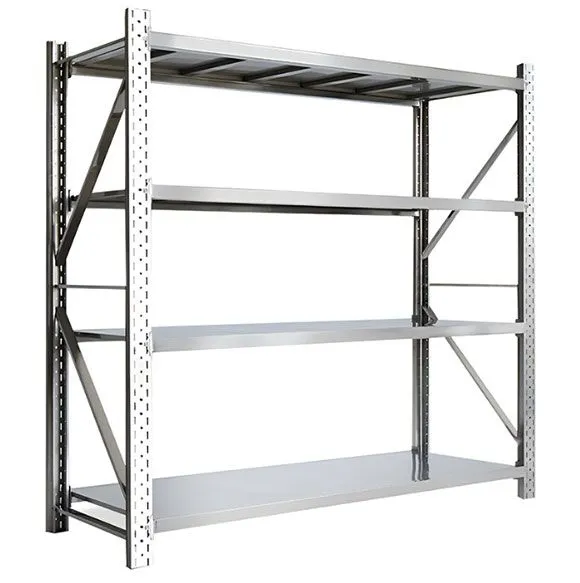 Read More
 -
Stainless Steel Shelving for Meat Processing Plants — What Holds Up Against Blood, Fat, and Daily Wa
July 24, 2026Meat plants are brutal on shelvingIf you work in a meat processing plant, you already know this. The rack that looked fine s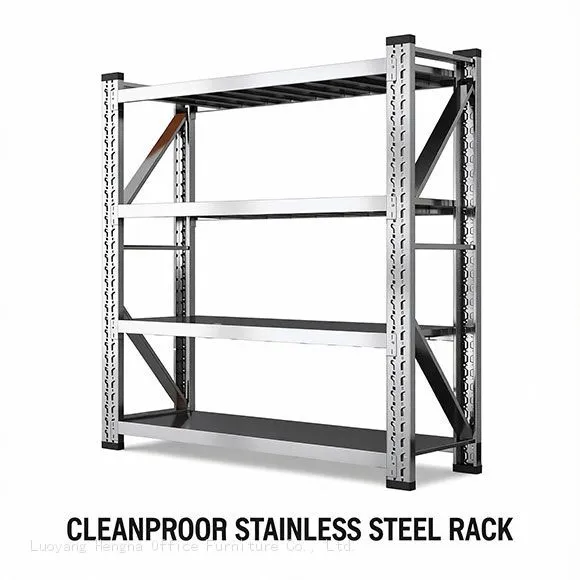 Read More
 -
0.6mm Steel Wardrobe vs 0.4mm — Why Cold-Rolled Single Door Metal Closet Lasts Longer
July 10, 2026The 0.2mm That Decides Whether You Buy One Wardrobe or ThreeTwo wardrobes look identical on a supplier's photo. Same door, sam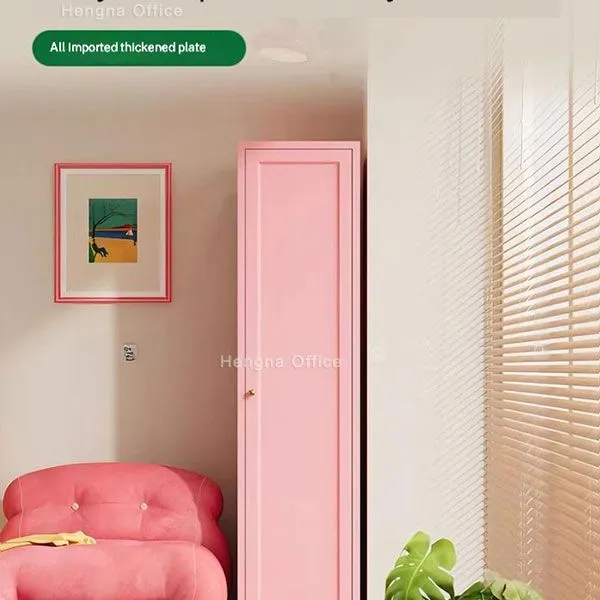 Read More
 -
Heavy Duty Tool Cabinet with Locks for School Shop: Stop Tool Theft Before It Happens
July 9, 2026A vocational school workshop isn't like a factory floor. The tools aren't being used by seasoned machinists who know where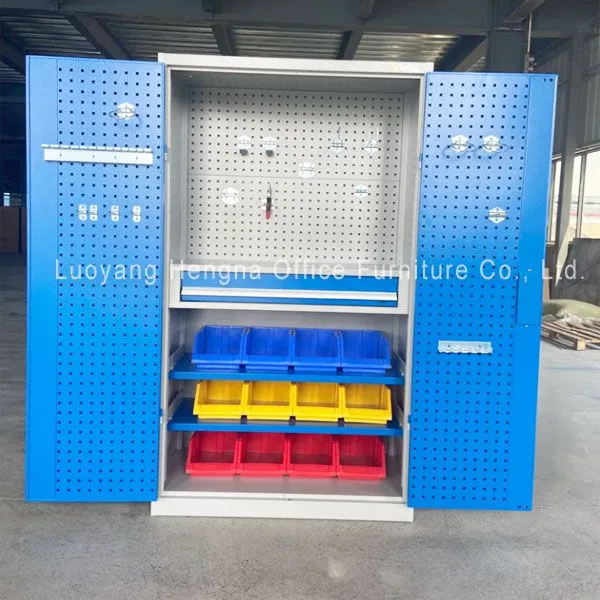 Read More

Contact Us
Recommended Products
-
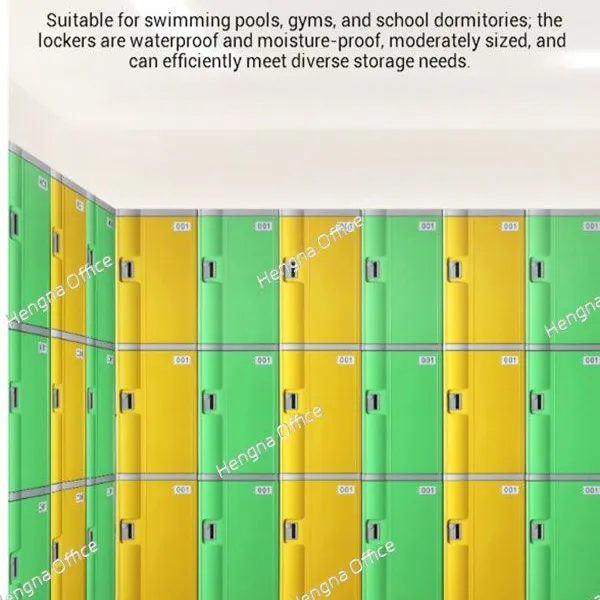
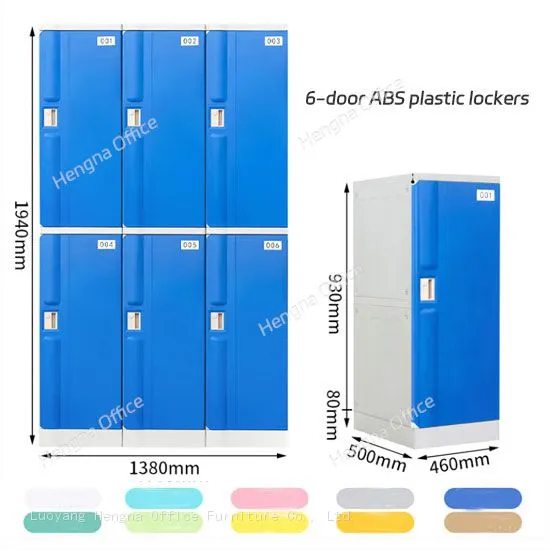
 Industrial-Grade ABS Plastic Locker for Factory Staff and Warehouse Workers|Hengna OfficeUS$ 19 - 100MOQ: 5 Sets
 -
Outdoor ABS Locker Cabinet – UV-Resistant Plastic Storage for Poolside or Beach Resorts-Hengna OfficeUS$ 19 - 100MOQ: 5 Sets
-
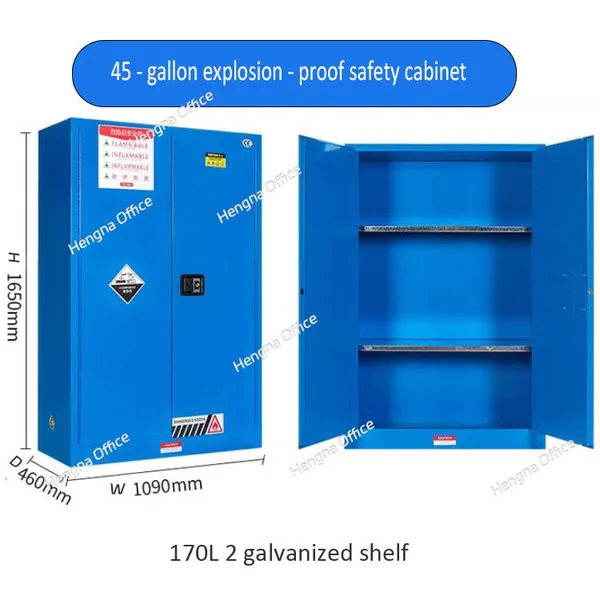
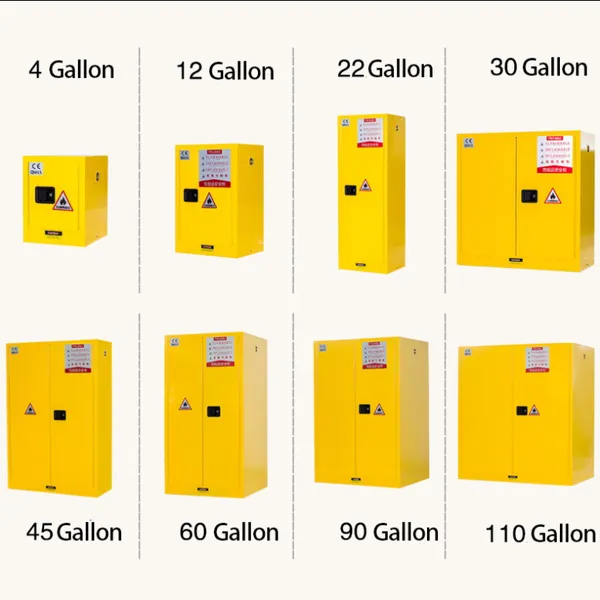
45 Gallon Explosion-Proof Flammable Liquid Storage Cabinet – Fire-Resistant Steel Safety Cabinet for FactoriesUS$ 68 - 400MOQ: 2 Combos
-
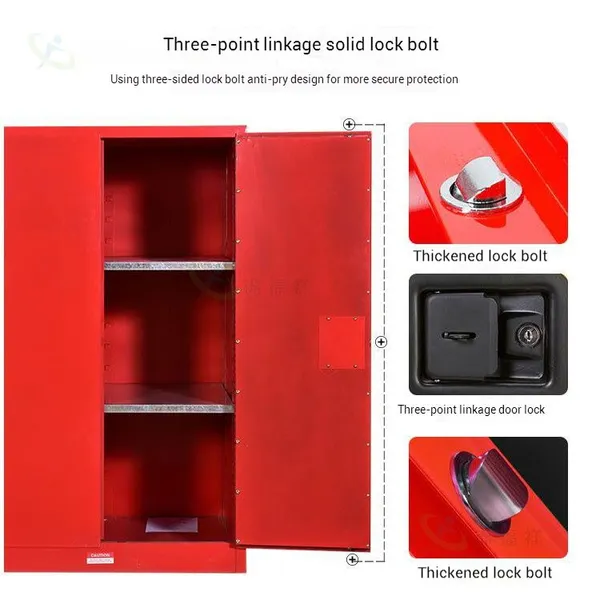
Flammable Storage Cabinet for Flammable Liquids – OSHA Certified Safety Cabinet With Fireproof Double WallsUS$ 68 - 400MOQ: 2 Combos
-
Large Capacity Flammable Liquid Storage Cabinet – Explosion-Proof Safety Cabinet for Laboratory & Workshop UseUS$ 68 - 400MOQ: 2 Combos
-
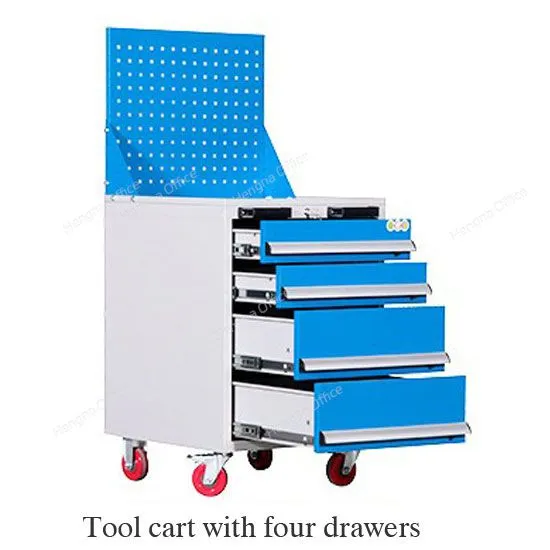
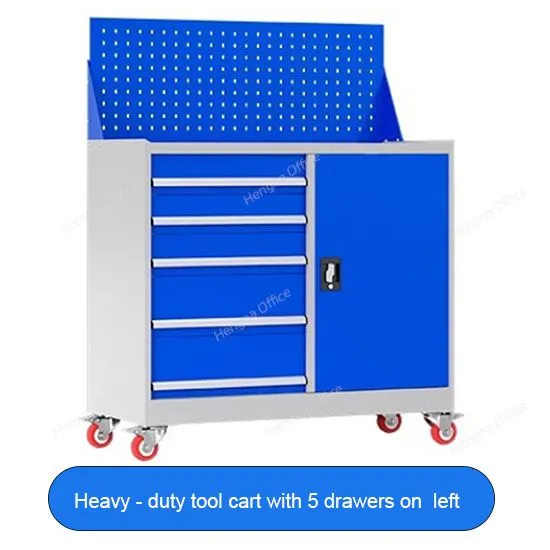
Heavy Duty Steel Tool Cart With Drawers for Workshops|Hengna OfficeUS$ 99 - 269MOQ: 2 Cases
-
Wholesale 3-Drawer Tool Trolley With Wheels for Factory and Garage StorageUS$ 99 - 269MOQ: 2 Cases
-
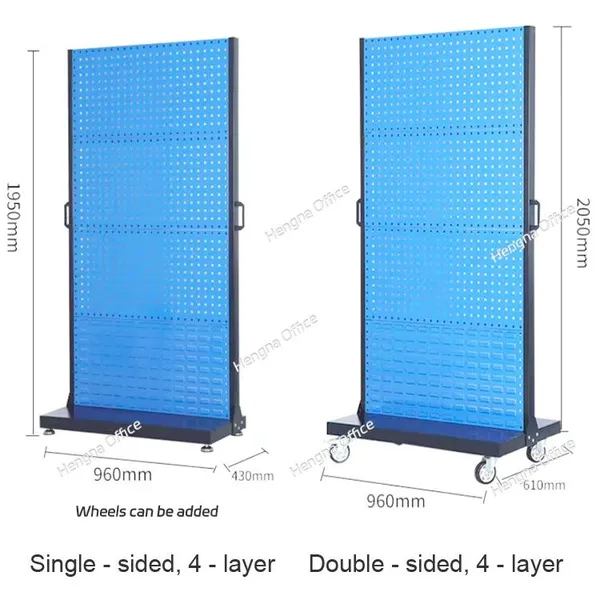
HN-wlj160 Industrial Rolling Tool Organizer With Pegboard|All-in-One Mobile Tool Storage CartUS$ 5 - 120MOQ: 2 Cases
-
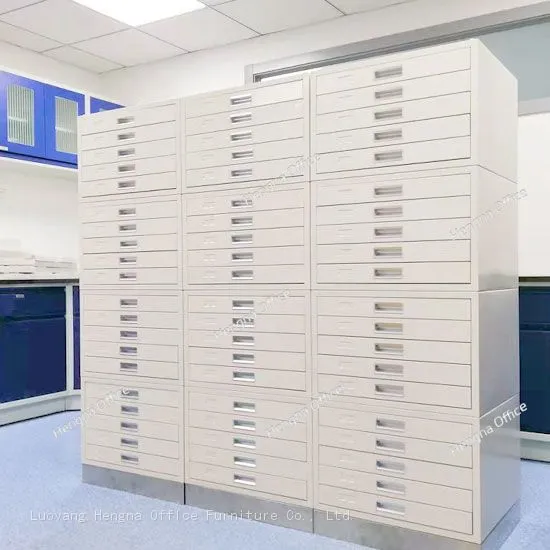
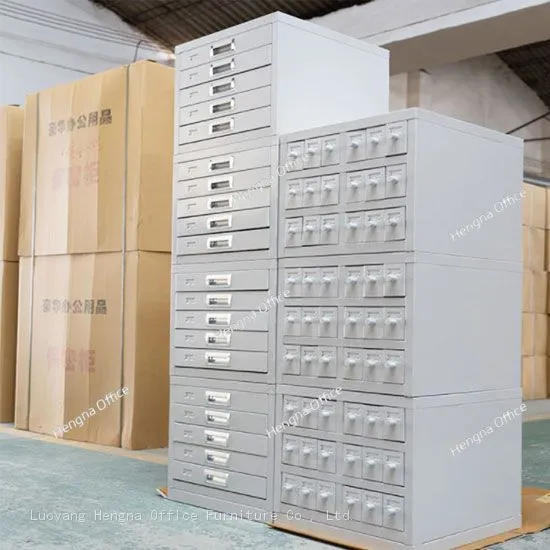
White Stackable Pathology Wax Block Storage Drawers for Labs Near London-Hengna OfficeNegotiableMOQ: 10 Pieces
-
Custom Paraffin Block Storage Cabinet for Histology Laboratories – Factory Direct From Hengna FurnitureNegotiableMOQ: 10 Pieces
-
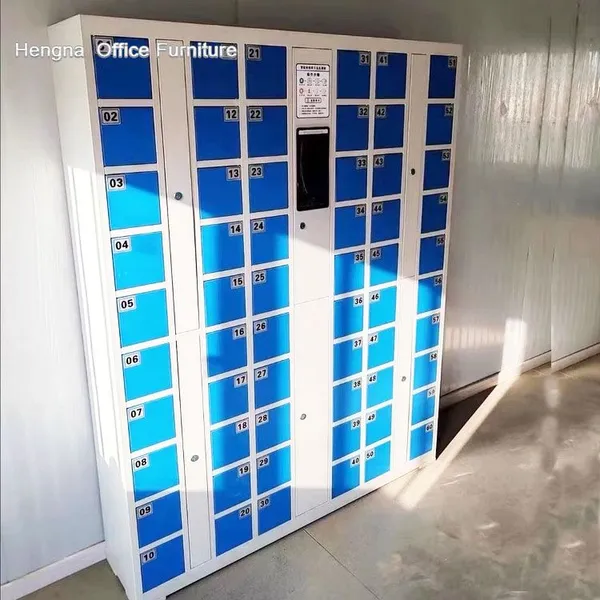
Smart Phone Charging Locker 40-door|Fingerprint Lockers Intelligent Parcel Delivery CabinetUS$ 203 - 750MOQ: 15 Pieces
-
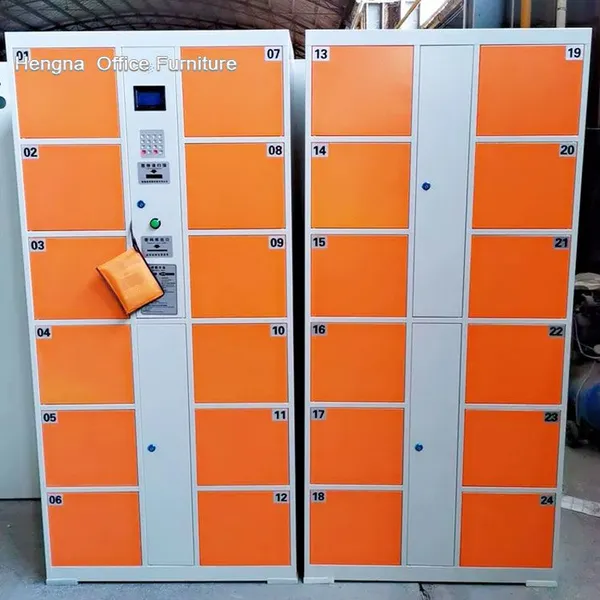
School Gym Lockers Price |Parcel Delivery Storage Locker 12-door FactoryUS$ 203 - 750MOQ: 15 Pieces
-
Multi Metal Work Benches Electrical Workshop Workbench|US$ 300 - 800MOQ: 2 Cases
-
Commercial Workbench Supplier |Multi Metal Work Bench With Drawers OMDUS$ 300 - 800MOQ: 2 Cases
-
Pathological Ection Cabinet JTGZ062 Wax Block Cabinet for LaboratoryNegotiableMOQ: 10 Pieces
-
Durable Tool Storage in Factory HNGJ703 Hard Wearing Metal Industrial Tool ChestNegotiableMOQ: 18 Pieces
-
High - Quality CNC Workshop Tool Cabinet Heavyweight Workshop Tool OrganizerNegotiableMOQ: 10 Pieces
-
Laboratory Polyethylene Acid and Corrosive Chemicals Safety Storage PP CabinetUS$ 340 - 600MOQ: 5 Combos
-
22 Gallons /80 L PP Acid - Base Cabinet: Safeguard Chemical Storage Supplier OEMUS$ 500 - 600MOQ: 5 Combos
-
4 - Gallon Corrosion-resistant Safety Cabinet for Hazardous Chemicals Acid SupplierUS$ 340 - 500MOQ: 5 Combos