
 Business License

Pathology Lab Efficiency: How Modular Paraffin Block Cabinets Can Optimize Your Workflow and Space
Is your pathology lab drowning in paraffin blocks? For busy histopathology departments, managing thousands—or even tens of thousands—of tissue blocks is a constant challenge. Traditional storage methods often lead to clutter, lost samples, and valuable time wasted searching. The solution lies in a smarter approach: modular paraffin block cabinets. These systems are more than just storage; they are a fundamental tool for optimizing lab efficiency, ensuring sample integrity, and reclaiming precious space.
The Hidden Cost of Disorganized Block Storage
Before exploring the solution, let’s acknowledge the problem. Inefficient block storage creates a cascade of issues:
Time Loss: Technologists and pathologists can spend significant portions of their day physically searching for specific blocks, pulling out trays, and navigating crowded shelves.
Error Risk: Manual tracking and cramped conditions increase the risk of misfiling or misidentifying critical patient samples.
Space Inefficiency: Fixed, bulky cabinets often waste vertical space and create inaccessible "black holes" where blocks are hard to retrieve.
Scalability Problems: As your archive grows, traditional systems force you to add more entire cabinets, consuming floor space exponentially.
What Are Modular Paraffin Block Cabinets?
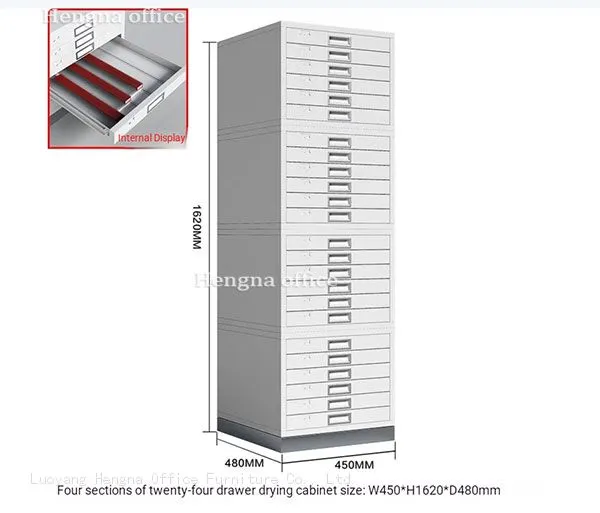
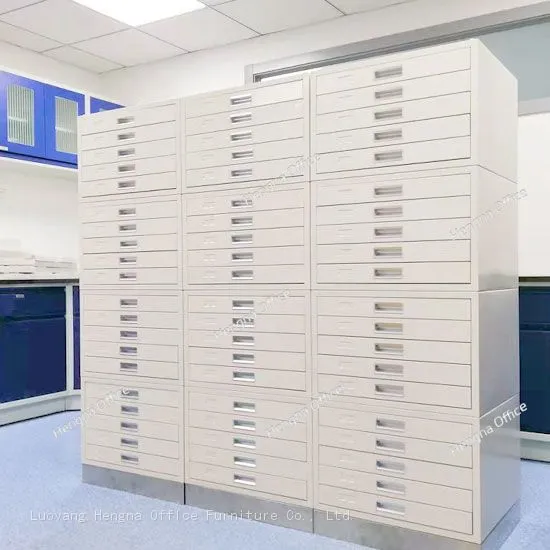
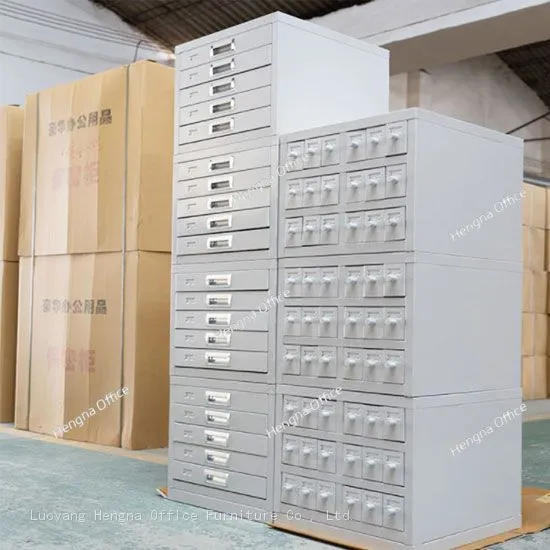
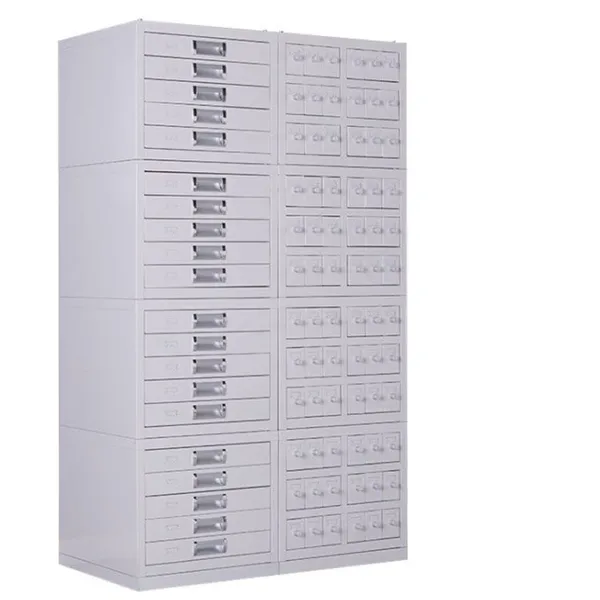
Modular paraffin block cabinets are customizable storage systems specifically designed for standard paraffin blocks. Unlike monolithic units, they are built from interconnected components—frames, drawers, dividers, and inserts—that can be configured and reconfigured to meet your lab's exact needs.
How Modular Cabinets Optimize Workflow & Space: A Breakdown
1. Dramatically Improve Retrieval Speed & Accuracy
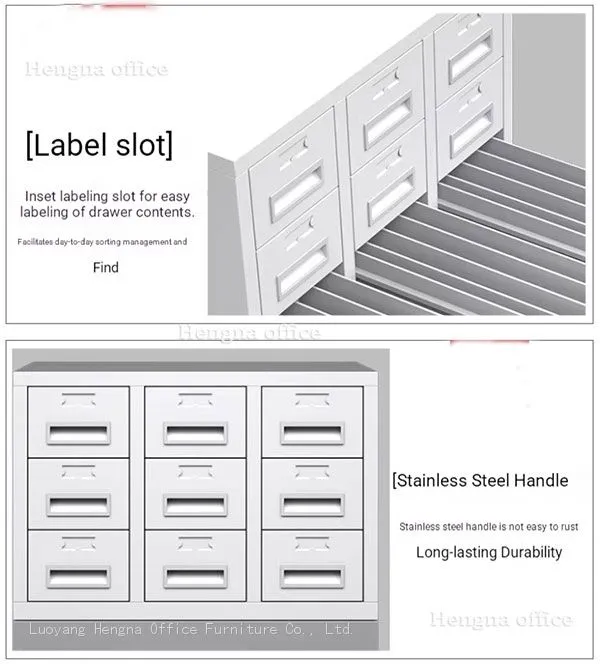
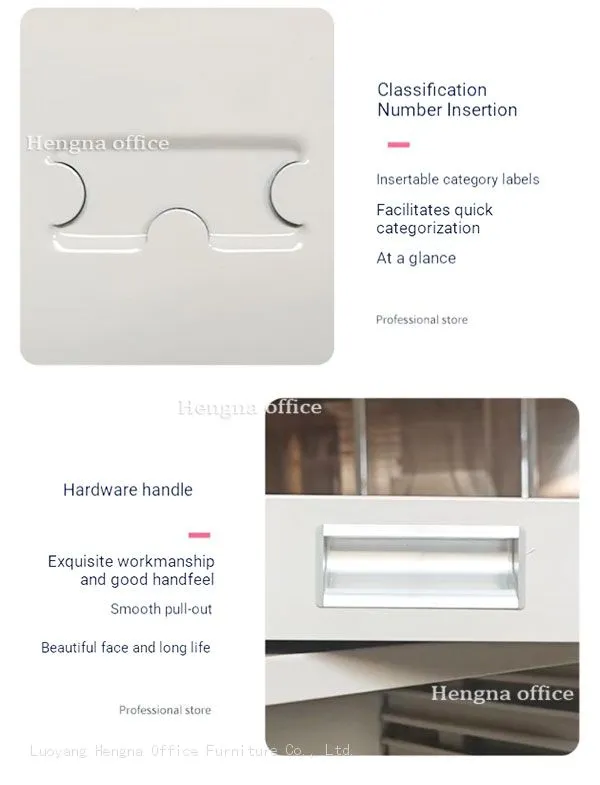
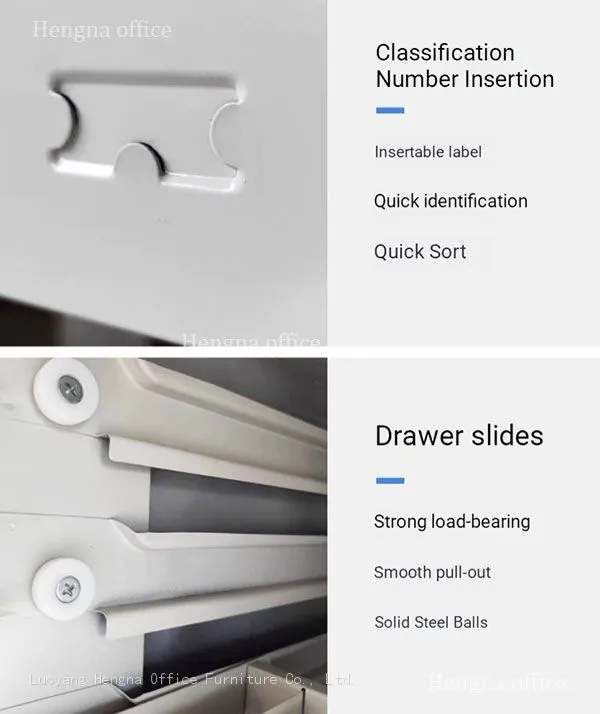
Modular systems are designed for organization. Each drawer typically holds standard trays or racks, with clear labeling channels.
Workflow Impact: Staff can go directly to a designated, logical location (e.g., by year, case number, or type) and smoothly glide out the specific drawer. No more moving stacks of trays. This streamlines retrieval for recuts, special stains, and molecular testing.
2. Maximize Storage Density in Less Floor Space
By optimizing the footprint and utilizing full vertical height with secure, pull-out drawers, modular cabinets store more blocks per square foot.
Space Impact: You can store a larger archive in a smaller room, or free up existing space for new equipment or workstations. Their efficient design often allows labs to consolidate scattered storage into one centralized, organized wall or bay.
3. Grow Flexibly with Your Lab's Needs
This is the core advantage of modularity. You are not buying a static piece of furniture.
Scalability Impact: Start with a configuration that fits your current volume. Next year, you can add more drawer units or extend the frame upward, rather than buying a whole new cabinet. This future-proofs your investment and adapts to changing storage needs without disruption.
4. Enhance Sample Protection & Lab Safety
Quality modular cabinets are constructed from durable, chemical-resistant materials.
Integrity & Safety Impact: Secure drawers protect blocks from dust and damage. Smooth-gliding mechanisms with stops prevent trays from tipping. A stable, organized system also reduces physical strain on staff from lifting and searching.
Choosing a Modular System: Key Features Checklist
Not all systems are created equal. Here’s what to prioritize when evaluating options:
| Feature | Why It Matters for Your Lab |
|---|---|
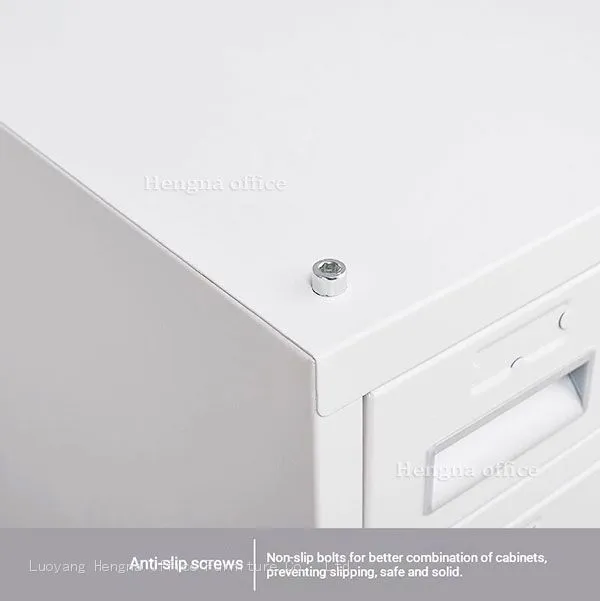
| True Modular Design | Components should easily interconnect and allow for vertical/horizontal expansion. |
| Drawer Glide Mechanism | Look for full-extension, smooth-gliding drawers with weight capacity suitable for full loads. |
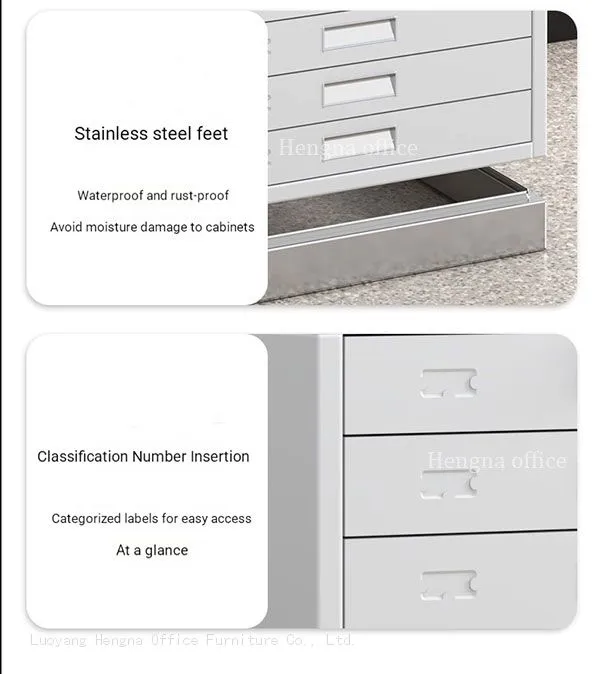
| Labeling System | Integrated, clear, and consistent labeling tracks are essential for error-free filing. |
| Durable Construction | Powder-coated or stainless steel withstands the lab environment and supports heavy loads. |
| Ergonomic Design | Comfortable handle pulls and easy access reduce physical strain during high-volume retrieval. |
| Tray Compatibility | Ensure the system is designed to hold the standard block trays or racks your lab already uses. |
Implementing Modular Cabinets: A Path to a Streamlined Lab
Transitioning to a modular system is a strategic project. Plan by:
Auditing Your Current Archive: Estimate total block count and growth rate.
Involving Your Team: Consult technologists on workflow pain points for the new design.
Planning the Layout: Design the configuration for optimal flow—often near the microtomy and staining areas.
Developing a Migration & Labeling Protocol: Have a clear, phased plan for moving blocks to the new system with updated, consistent labels.
The Bottom Line: An Investment in Core Lab Efficiency
Modular paraffin block cabinets are not merely a storage purchase; they are an investment in the foundational efficiency of your pathology lab. The return comes in the form of reduced time per retrieval, minimized errors, protected patient samples, and a scalable system that grows with your department.
By solving the critical challenge of physical sample management, you empower your staff to focus on what matters most: precise and timely diagnostic work.
Ready to transform your block storage from a bottleneck into a model of efficiency? Start by assessing your current storage pain points and space constraints, then explore the flexible solutions modern modular cabinetry offers. Your future, more efficient lab awaits
Recently Posted
-
Stainless Steel Shelving for Breweries and Wineries — What Survives Humidity, Alcohol Spills
July 24, 2026Stainless Steel Shelving for Breweries and Wineries — What Survives Humidity, Alcohol Spills, and Sanitizer Washdowns Three t Read More
 -
Stainless Steel Shelving for Meat Processing Plants — What Holds Up Against Blood, Fat, and Daily Wa
July 24, 2026Meat plants are brutal on shelvingIf you work in a meat processing plant, you already know this. The rack that looked fine s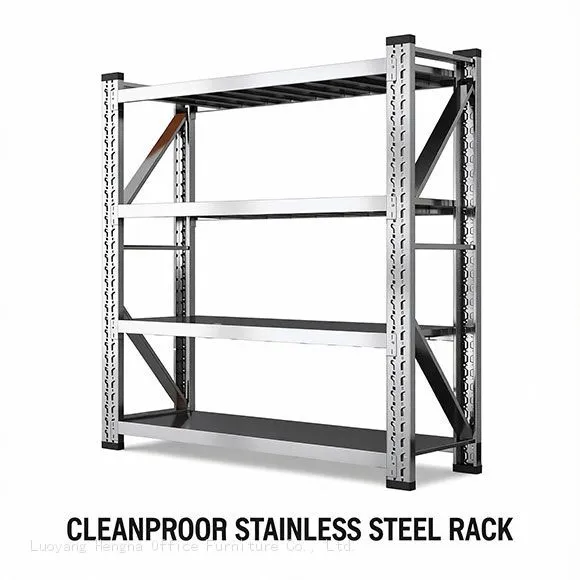 Read More
 -
0.6mm Steel Wardrobe vs 0.4mm — Why Cold-Rolled Single Door Metal Closet Lasts Longer
July 10, 2026The 0.2mm That Decides Whether You Buy One Wardrobe or ThreeTwo wardrobes look identical on a supplier's photo. Same door, sam Read More
 -
Heavy Duty Tool Cabinet with Locks for School Shop: Stop Tool Theft Before It Happens
July 9, 2026A vocational school workshop isn't like a factory floor. The tools aren't being used by seasoned machinists who know where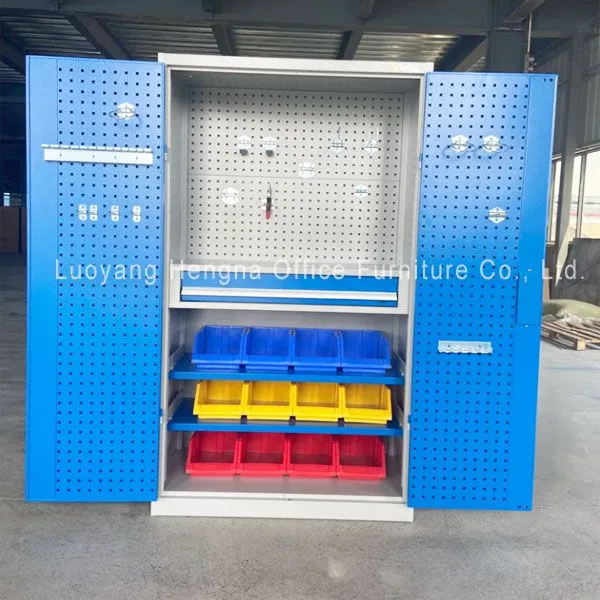 Read More

Contact Us
Recommended Products
-
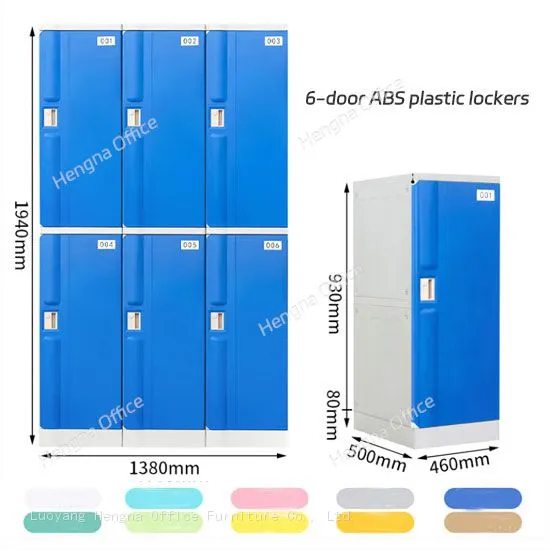
 Industrial-Grade ABS Plastic Locker for Factory Staff and Warehouse Workers|Hengna OfficeUS$ 19 - 100MOQ: 5 Sets
 -
Outdoor ABS Locker Cabinet – UV-Resistant Plastic Storage for Poolside or Beach Resorts-Hengna OfficeUS$ 19 - 100MOQ: 5 Sets
-
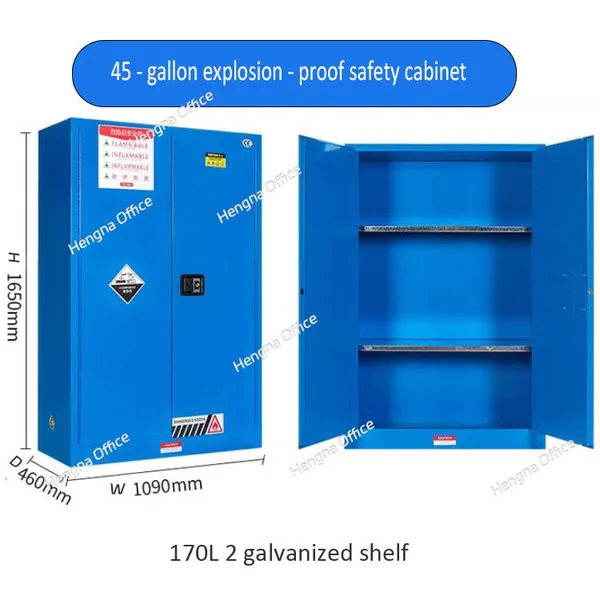
45 Gallon Explosion-Proof Flammable Liquid Storage Cabinet – Fire-Resistant Steel Safety Cabinet for FactoriesUS$ 68 - 400MOQ: 2 Combos
-
Flammable Storage Cabinet for Flammable Liquids – OSHA Certified Safety Cabinet With Fireproof Double WallsUS$ 68 - 400MOQ: 2 Combos
-
Large Capacity Flammable Liquid Storage Cabinet – Explosion-Proof Safety Cabinet for Laboratory & Workshop UseUS$ 68 - 400MOQ: 2 Combos

-
Heavy Duty Steel Tool Cart With Drawers for Workshops|Hengna OfficeUS$ 99 - 269MOQ: 2 Cases
-
Wholesale 3-Drawer Tool Trolley With Wheels for Factory and Garage StorageUS$ 99 - 269MOQ: 2 Cases
-
HN-wlj160 Industrial Rolling Tool Organizer With Pegboard|All-in-One Mobile Tool Storage CartUS$ 5 - 120MOQ: 2 Cases
-
White Stackable Pathology Wax Block Storage Drawers for Labs Near London-Hengna OfficeNegotiableMOQ: 10 Pieces
-
Custom Paraffin Block Storage Cabinet for Histology Laboratories – Factory Direct From Hengna FurnitureNegotiableMOQ: 10 Pieces
-
Smart Phone Charging Locker 40-door|Fingerprint Lockers Intelligent Parcel Delivery CabinetUS$ 203 - 750MOQ: 15 Pieces
-
School Gym Lockers Price |Parcel Delivery Storage Locker 12-door FactoryUS$ 203 - 750MOQ: 15 Pieces
-
Multi Metal Work Benches Electrical Workshop Workbench|US$ 300 - 800MOQ: 2 Cases
-
Commercial Workbench Supplier |Multi Metal Work Bench With Drawers OMDUS$ 300 - 800MOQ: 2 Cases
-
Pathological Ection Cabinet JTGZ062 Wax Block Cabinet for LaboratoryNegotiableMOQ: 10 Pieces
-
Durable Tool Storage in Factory HNGJ703 Hard Wearing Metal Industrial Tool ChestNegotiableMOQ: 18 Pieces
-
High - Quality CNC Workshop Tool Cabinet Heavyweight Workshop Tool OrganizerNegotiableMOQ: 10 Pieces
-
Laboratory Polyethylene Acid and Corrosive Chemicals Safety Storage PP CabinetUS$ 340 - 600MOQ: 5 Combos
-
22 Gallons /80 L PP Acid - Base Cabinet: Safeguard Chemical Storage Supplier OEMUS$ 500 - 600MOQ: 5 Combos
-
4 - Gallon Corrosion-resistant Safety Cabinet for Hazardous Chemicals Acid SupplierUS$ 340 - 500MOQ: 5 Combos