
 Business License

The Efficiency Revolution : 10 Application Scenarios of Tool Storage Racks in Manufacturing
In the fierce competition of manufacturing, every second of production line stoppage means real financial loss. The root cause of many stoppages is often the most basic act: "acquiring tools and materials." Revolutionizing the deployment of tool storage racks from their traditional warehouse role to the point-of-use at the production line is key to eliminating waste and achieving smooth production. Here are 10 core application scenarios where they enhance efficiency in manufacturing.
1. Customized Kit Delivery for Assembly Stations
Scenario: Final assembly lines for electronics, small appliances, toys.
Application: Equip each assembly station with small, multi-tiered storage racks. These hold all screws, cables, casings, labels, etc., needed for the day's production, arranged in assembly sequence. Color-coded parts bins and visual labels allow operators to pick materials without turning or moving.
Benefit: Reduces motion waste, prevents wrong or missing assembly, supports single-piece flow.
2. Machine Maintenance & Quick Changeover (SMED) Support
Scenario: Regular mold changes and maintenance for injection molding machines, stamping presses, CNC machining centers.
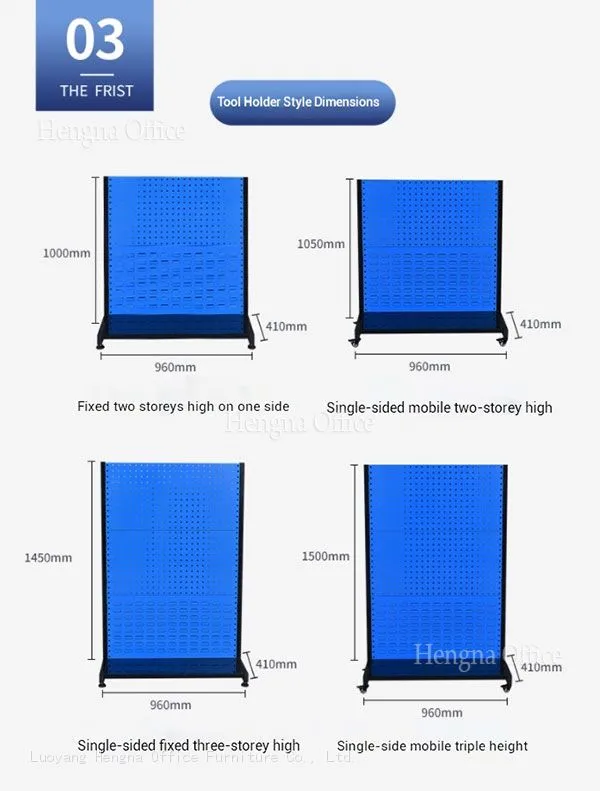
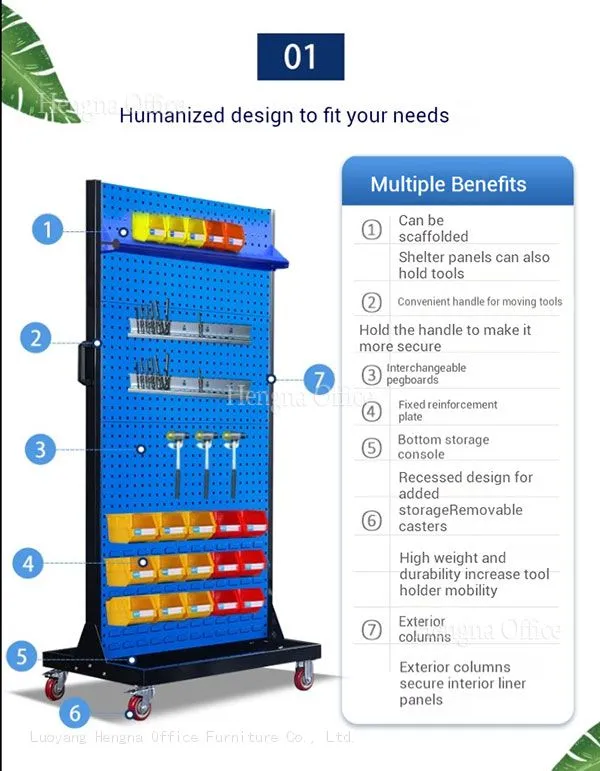
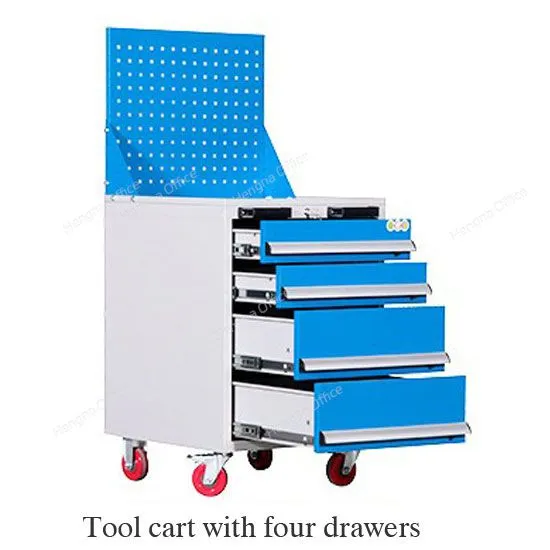
Application: Equip each critical machine with a dedicated mobile tool cart. The cart holds all wrenches, hoist rings, blocks, and specialty tools needed for changeover, plus common maintenance consumables (lubricants, rags).
Benefit: Converts changeover "internal tasks" (done during downtime) into "external tasks" (prepared in advance), significantly reducing equipment downtime.
3. Standardized Measuring Tool Management at QC Stations
Scenario: Quality control checkpoints on the production line.
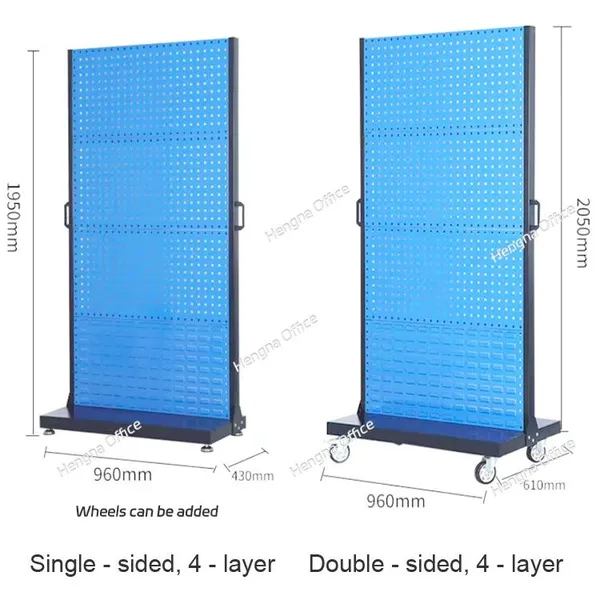
Application: Set up dedicated tool boards at QC stations. Secure micrometers, calipers, gauge blocks, etc., using shadow foam or fitted liners, and attach calibration status labels and operating instructions.
Benefit: Ensures measuring tools are readily available and reliable, improving inspection efficiency and data consistency.
4. Mobile Workstations for Maintenance Engineers
Scenario: Responding to sudden equipment breakdowns within the plant.
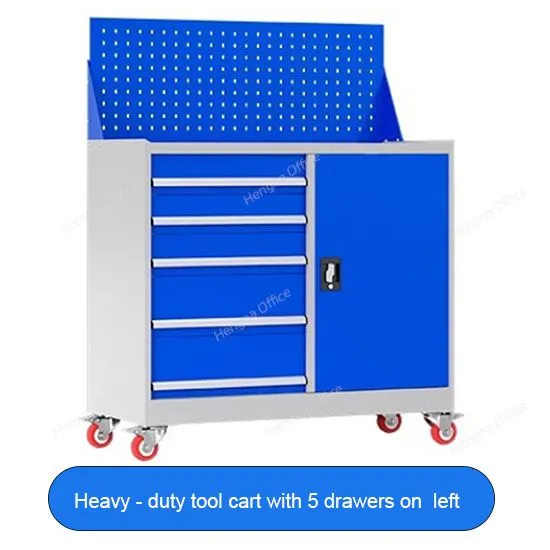
Application: Equip fully-loaded heavy-duty mobile maintenance carts with layered, categorized storage for electrical tools, mechanical tools, universal spare parts, safety gear, and PPE.
Benefit: Engineers can grab the cart and go upon receiving a call, achieving "right tool, first time," dramatically reducing mean time to repair (MTTR).
5. Safe, Point-of-Use Management for Chemicals & Consumables
Scenario: Workstations using lubricants, adhesives, solder paste, cleaners.
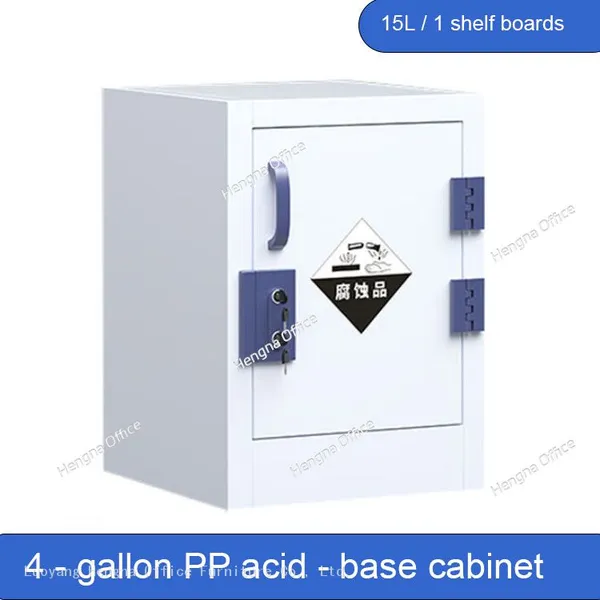
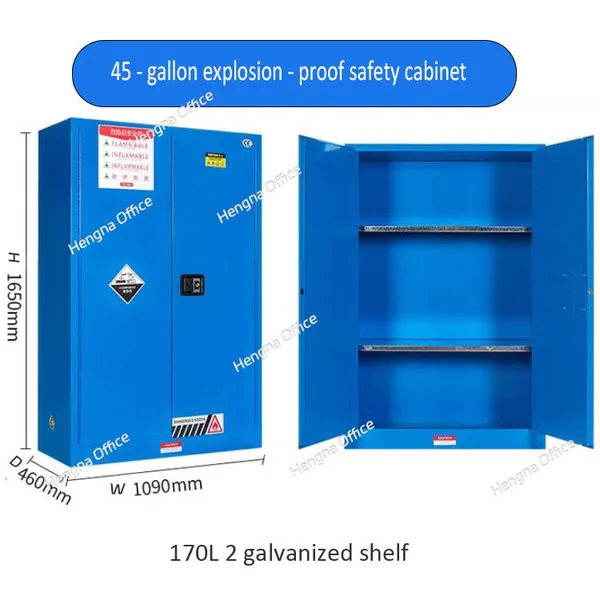
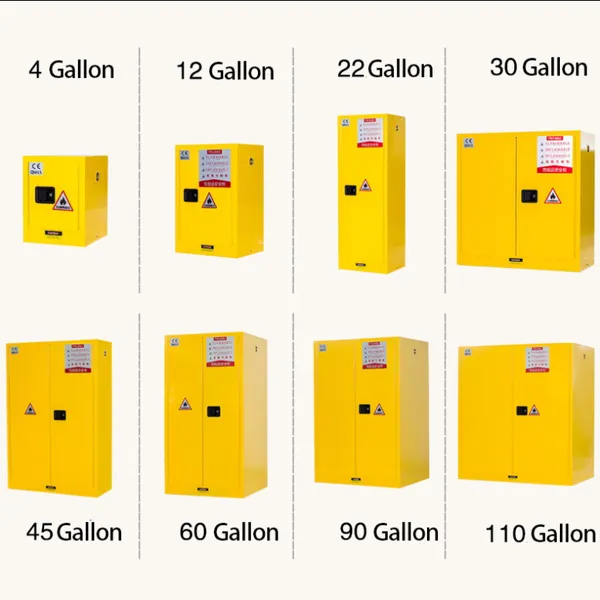
Application: Use specialized chemical cabinets or shelves with drip trays and safety labels, implementing "one bottle, one location" management and posting Material Safety Data Sheets (MSDS).
Benefit: Complies with OSHA/safety regulations, prevents spills and mix-ups, enables safe, compliant on-site access.
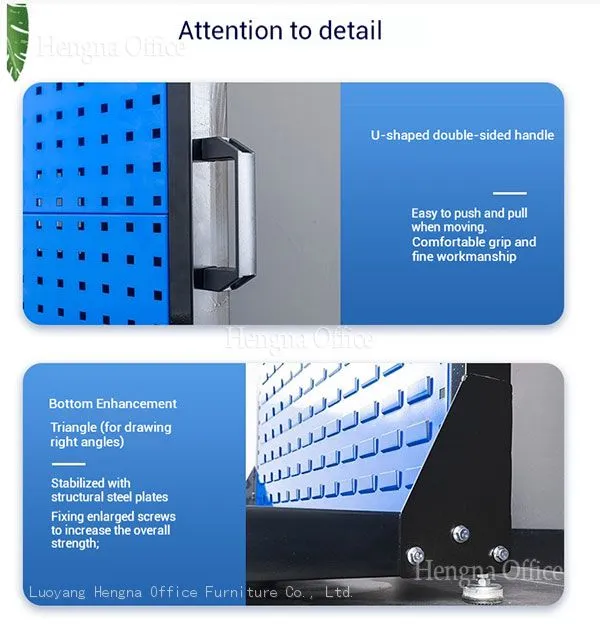
6. Temporary Storage & Handling of Work-in-Progress (WIP)
Scenario: Temporary storage of semi-finished products between processes.
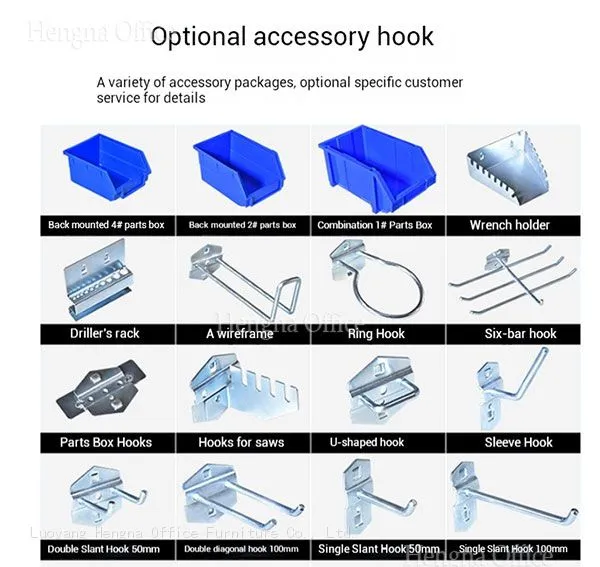
Application: Use multi-tiered handling racks, clearly labeled with rack number, product model, quantity limit, and next process. Implement a Kanban signal system.
Benefit: Controls WIP inventory levels, enables pull-system production between processes, avoids pile-up and waiting.
7. Supporting Flexible Production Line Layouts
Scenario: Frequent production line adjustments for high-mix, low-volume production.
Application: All workstation tool racks use standardized, modular designs with casters. When product lines switch, workstations can be quickly reconfigured like building blocks.
Benefit: Provides high layout flexibility, shortens changeover time, adapts to market demand changes.
8. Platforms for Training & Multi-Skill Development
Scenario: New employee training or developing multi-process skills.
Application: Set up standardized training stations with tool rack configurations identical to the actual production line. The tool layout itself serves as a visual work instruction.
Benefit: Accelerates the learning curve, ensures uniform transfer of operating standards, supports flexible labor deployment.
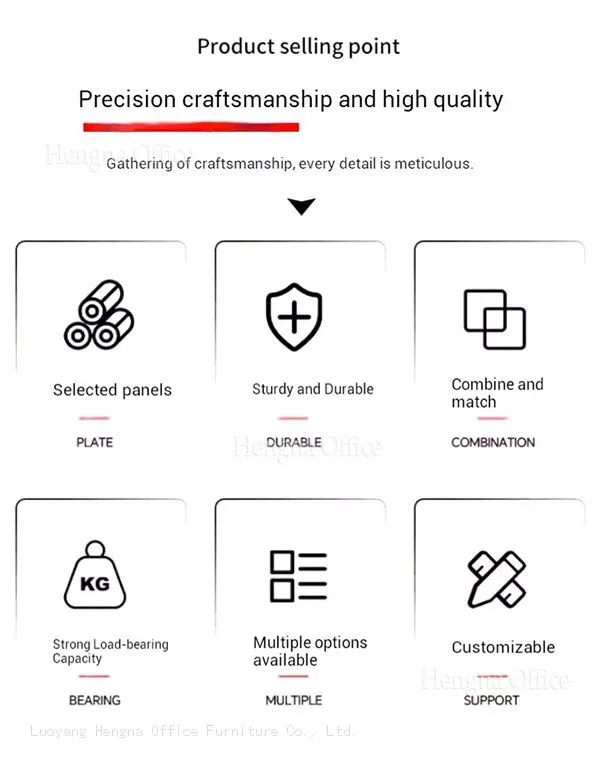
9. Point-of-Use (Line-Side) Storeroom for MRO Spare Parts
Scenario: Keeping common repair spare parts near equipment to minimize line downtime.
Application: Set up compact line-side spare parts racks near equipment areas, storing motors, bearings, sensors, cylinders, etc. Implement min-max inventory control.
Benefit: Provides instant access to critical spares, reducing search and retrieval time to nearly zero.
10. The Visual Benchmark for 5S & Continuous Improvement
Scenario: Plant-wide implementation of 5S (Sort, Set in order, Shine, Standardize, Sustain) management.
Application: Well-designed, properly implemented tool racks are themselves the exemplar of "Set in order." Through shadow boards, labels, and floor markings, they set the visual management standard for the entire plant.
Benefit: Serves as tangible teaching material and an inspection standard for 5S activities, driving a culture of continuous improvement.
Conclusion: In manufacturing, tool storage racks have evolved from passive storage to active process enablers. Through strategic deployment in these 10 scenarios, they directly attack the seven wastes of production (especially transportation, waiting, and motion waste), becoming an indispensable physical foundation supporting lean manufacturing and smart factories. This efficiency revolution at the production line begins with a thoughtfully designed rack.

Recently Posted
-
Stainless Steel Shelving for Breweries and Wineries — What Survives Humidity, Alcohol Spills
July 24, 2026Stainless Steel Shelving for Breweries and Wineries — What Survives Humidity, Alcohol Spills, and Sanitizer Washdowns Three t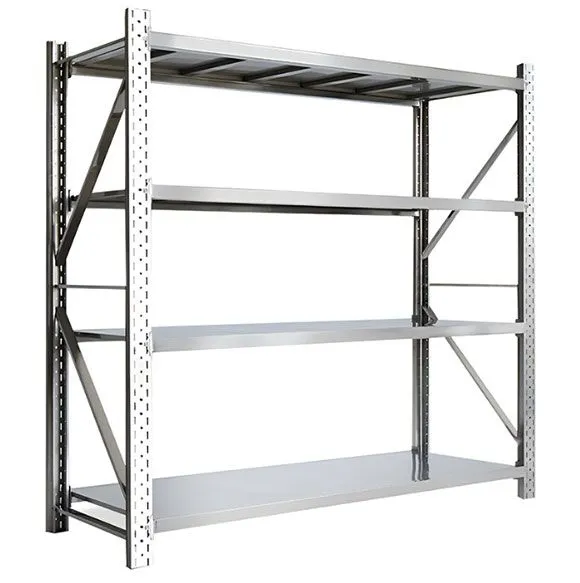 Read More
 -
Stainless Steel Shelving for Meat Processing Plants — What Holds Up Against Blood, Fat, and Daily Wa
July 24, 2026Meat plants are brutal on shelvingIf you work in a meat processing plant, you already know this. The rack that looked fine s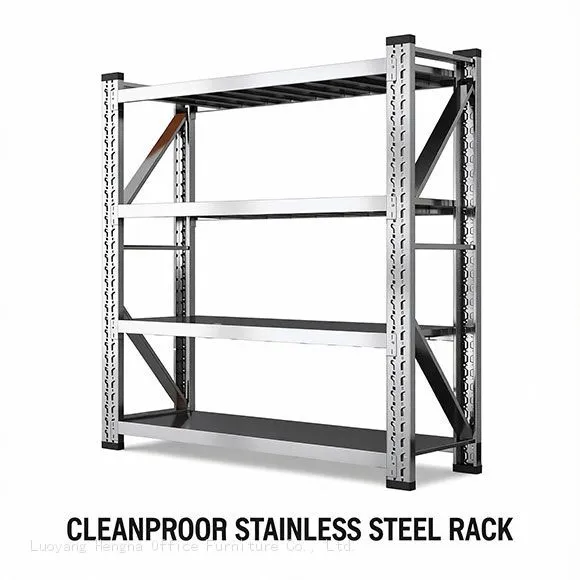 Read More
 -
0.6mm Steel Wardrobe vs 0.4mm — Why Cold-Rolled Single Door Metal Closet Lasts Longer
July 10, 2026The 0.2mm That Decides Whether You Buy One Wardrobe or ThreeTwo wardrobes look identical on a supplier's photo. Same door, sam Read More
 -
Heavy Duty Tool Cabinet with Locks for School Shop: Stop Tool Theft Before It Happens
July 9, 2026A vocational school workshop isn't like a factory floor. The tools aren't being used by seasoned machinists who know where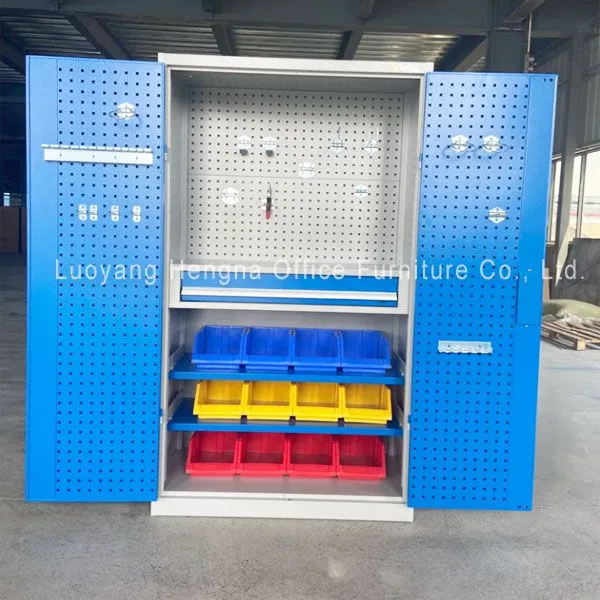 Read More

Contact Us
Recommended Products
-
 Industrial-Grade ABS Plastic Locker for Factory Staff and Warehouse Workers|Hengna OfficeUS$ 19 - 100MOQ: 5 Sets
 -
Outdoor ABS Locker Cabinet – UV-Resistant Plastic Storage for Poolside or Beach Resorts-Hengna OfficeUS$ 19 - 100MOQ: 5 Sets
-
45 Gallon Explosion-Proof Flammable Liquid Storage Cabinet – Fire-Resistant Steel Safety Cabinet for FactoriesUS$ 68 - 400MOQ: 2 Combos
-
Flammable Storage Cabinet for Flammable Liquids – OSHA Certified Safety Cabinet With Fireproof Double WallsUS$ 68 - 400MOQ: 2 Combos
-
Large Capacity Flammable Liquid Storage Cabinet – Explosion-Proof Safety Cabinet for Laboratory & Workshop UseUS$ 68 - 400MOQ: 2 Combos

-
Heavy Duty Steel Tool Cart With Drawers for Workshops|Hengna OfficeUS$ 99 - 269MOQ: 2 Cases
-
Wholesale 3-Drawer Tool Trolley With Wheels for Factory and Garage StorageUS$ 99 - 269MOQ: 2 Cases
-
HN-wlj160 Industrial Rolling Tool Organizer With Pegboard|All-in-One Mobile Tool Storage CartUS$ 5 - 120MOQ: 2 Cases
-
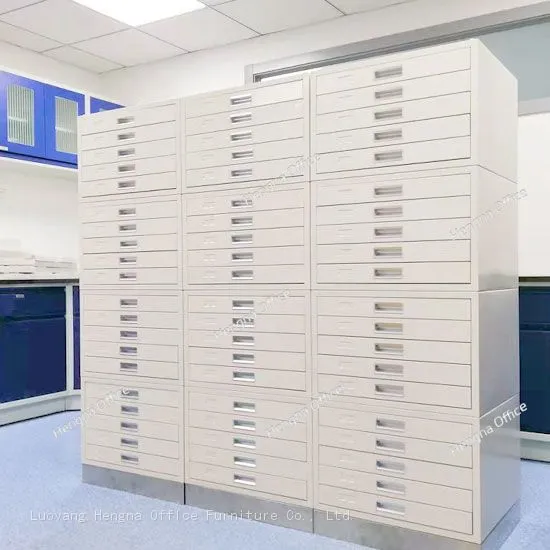
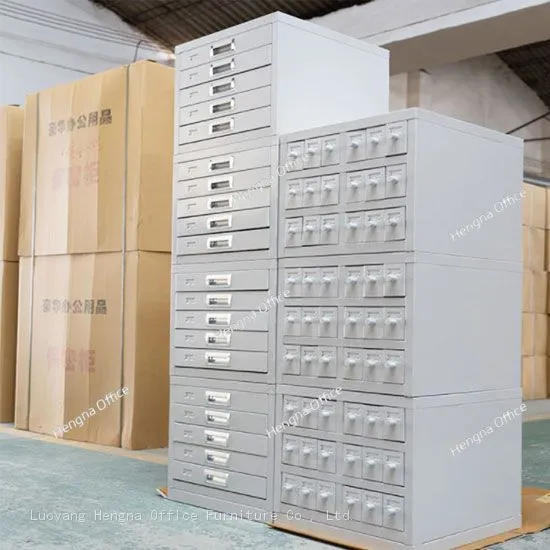
White Stackable Pathology Wax Block Storage Drawers for Labs Near London-Hengna OfficeNegotiableMOQ: 10 Pieces
-
Custom Paraffin Block Storage Cabinet for Histology Laboratories – Factory Direct From Hengna FurnitureNegotiableMOQ: 10 Pieces
-
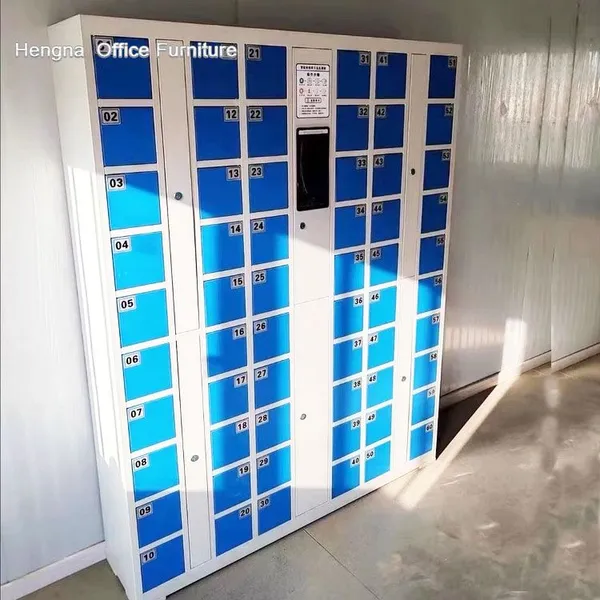
Smart Phone Charging Locker 40-door|Fingerprint Lockers Intelligent Parcel Delivery CabinetUS$ 203 - 750MOQ: 15 Pieces
-
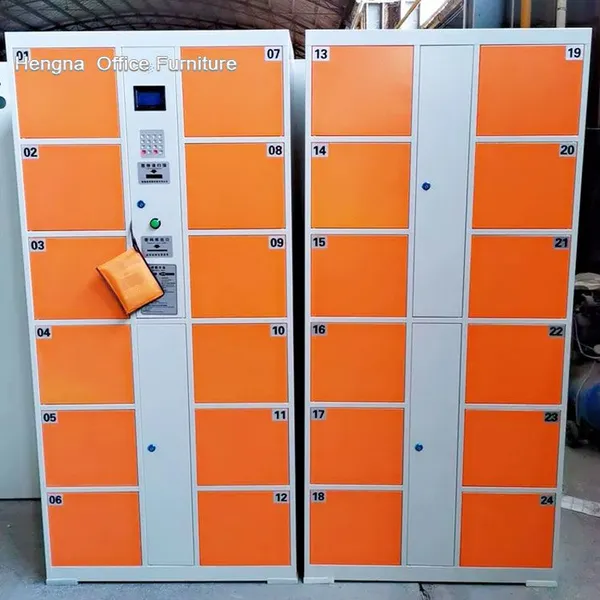
School Gym Lockers Price |Parcel Delivery Storage Locker 12-door FactoryUS$ 203 - 750MOQ: 15 Pieces
-
Multi Metal Work Benches Electrical Workshop Workbench|US$ 300 - 800MOQ: 2 Cases
-
Commercial Workbench Supplier |Multi Metal Work Bench With Drawers OMDUS$ 300 - 800MOQ: 2 Cases
-
Pathological Ection Cabinet JTGZ062 Wax Block Cabinet for LaboratoryNegotiableMOQ: 10 Pieces
-
Durable Tool Storage in Factory HNGJ703 Hard Wearing Metal Industrial Tool ChestNegotiableMOQ: 18 Pieces
-
High - Quality CNC Workshop Tool Cabinet Heavyweight Workshop Tool OrganizerNegotiableMOQ: 10 Pieces
-
Laboratory Polyethylene Acid and Corrosive Chemicals Safety Storage PP CabinetUS$ 340 - 600MOQ: 5 Combos
-
22 Gallons /80 L PP Acid - Base Cabinet: Safeguard Chemical Storage Supplier OEMUS$ 500 - 600MOQ: 5 Combos
-
4 - Gallon Corrosion-resistant Safety Cabinet for Hazardous Chemicals Acid SupplierUS$ 340 - 500MOQ: 5 Combos