
 Business License

How Cold-Rolled Steel and Electrostatic Powder Coating Ensure Your Tool Rack Lasts for Decades.
When investing in industrial tool storage, you're not buying for today—you're investing for the next 20 years. The difference between a rack that sags, rusts, and chips in five years and one that stands solid for decades lies in two fundamental choices: the core material and its protective finish. Let's dissect why the combination of Cold-Rolled Steel (CRS) and Electrostatic Powder Coating represents the gold standard for durability.
Part 1: The Backbone - Cold-Rolled Steel (CRS)
What is Cold-Rolled Steel?
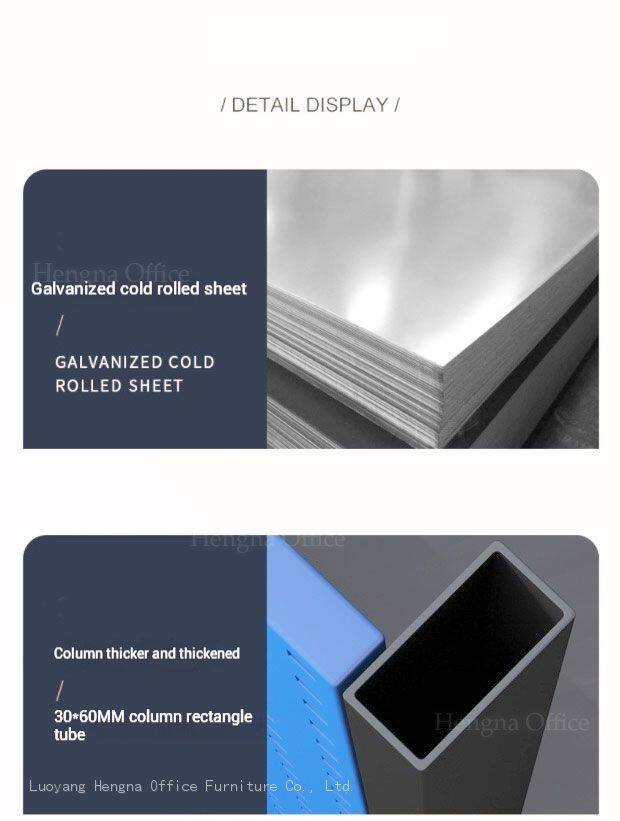
Unlike hot-rolled steel, which is formed at high temperatures and cools with a rough, scaled surface, cold-rolled steel is processed further at or near room temperature. This additional processing is what gives it superior properties for tool storage.
Key Advantages of CRS for Tool Racks:
Higher Strength and Hardness: The cold-working process increases the steel's yield strength. This means a CRS component can bear more load with less deflection (sagging) than a similar thickness of hot-rolled steel. Your shelves won't bow under the weight of heavy toolboxes.
Superior Surface Finish: CRS has a smooth, clean surface free of mill scale. This is critical for the next step—applying a finish. A smooth surface allows for better adhesion and a more uniform, professional-looking coat.
Tighter Dimensional Tolerances: CRS is more precise in its thickness and flatness. This results in racks that fit together better during assembly, with less wobble and racking, contributing to overall structural integrity.
Better Formability: It can be bent and formed into complex, strong shapes (like the one-piece bent beams in our workbenches) without cracking or weakening, allowing for innovative and robust designs.
Part 2: The Armor - Electrostatic Powder Coating
What is Electrostatic Powder Coating?
This is a dry finishing process where a finely ground powder (composed of pigment, resin, and additives) is electrostatically charged and sprayed onto a grounded metal part. The part is then heated in a curing oven, where the powder melts and flows into a smooth, durable film.
Why Powder Coating Beats Traditional Wet Paint for Tool Racks:
| Property | Electrostatic Powder Coating | Traditional Liquid Paint |
|---|---|---|
| Durability & Impact Resistance | Excellent. Forms a thicker, harder, more flexible film that is highly resistant to chipping, scratching, and abrasion from tools being slid against it. | Good, but generally thinner and more prone to chipping. |
| Corrosion Resistance | Superior. The film is non-porous, creating a continuous barrier against moisture, oils, and chemicals. It doesn't run or sag, ensuring even coverage on edges. | Can be porous, and application inconsistencies (runs, thin spots) create weak points for rust to start. |
| Environmental & Safety | Virtually zero VOCs (Volatile Organic Compounds). No hazardous solvents are used. Overspray can be collected and reused, minimizing waste. | Contains high levels of solvent VOCs, requiring special ventilation and hazardous waste disposal. |
| Finish Quality & Consistency | Produces a uniform, consistent thickness even on complex shapes and sharp edges due to the electrostatic attraction. Available in a vast range of colors and textures (e.g., textured, wrinkle, hammer-tone). | Prone to runs, sags, and orange-peel texture. Consistent edge coverage is challenging. |
| Long-Term Maintenance | Extremely easy to clean with standard cleaners. Damaged areas are more localized and less likely to spread. | Can be degraded by harsh cleaners. Scratches can lead to peeling and widespread corrosion. |
The Synergy: Why CRS + Powder Coating is Unbeatable
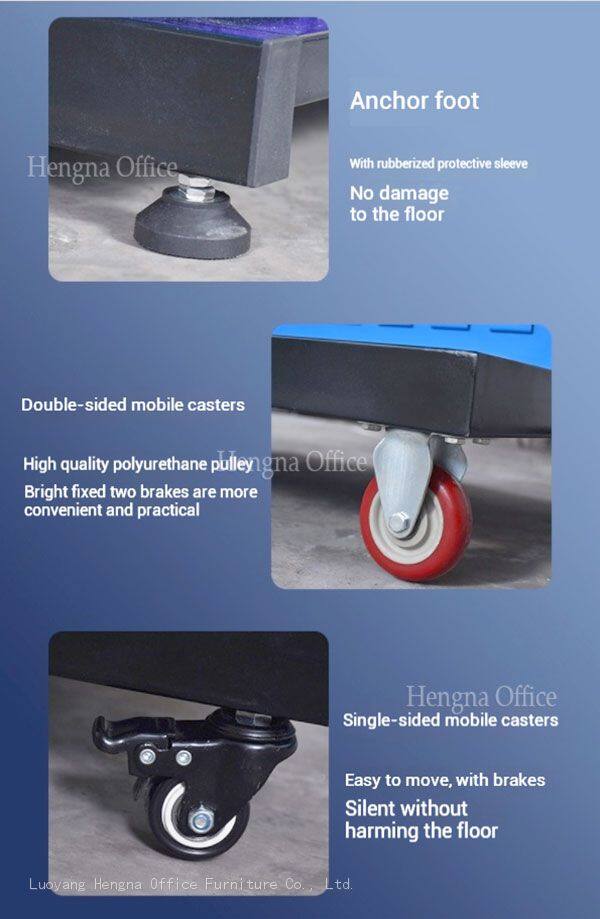
The Perfect Canvas: The smooth, clean surface of the CRS provides an ideal substrate for the powder to adhere to. This strong mechanical and chemical bond is the first secret to longevity.
Strength Meets Protection: The inherent strength of the CRS frame handles the mechanical loads, while the tough, impervious powder coat shields it from the environmental attacks (humidity, chemical spills, UV light) that cause degradation.
Total Lifecycle Value: While the initial cost may be higher than a light-gauge, painted rack, the Total Cost of Ownership (TCO) is far lower. You avoid frequent repairs, premature replacement, and the downtime associated with failed storage.
FAQ: Ensuring Maximum Durability
Q: Is there a difference in powder coat quality?
A: Absolutely. Thickness (measured in mils), the quality of the pre-treatment (cleaning and phosphate coating), and the curing process all vary. Industrial-grade racks like ours use a multi-stage pre-treatment and a coating thickness of 2-3 mils or more for maximum protection.
Q: Can a powder-coated rack rust?
A: If the coating is deeply gouged down to bare metal and exposed to moisture, the steel can rust at that spot. However, the non-porous nature of the coating prevents rust from spreading underneath it (a problem called "undercreep" common with liquid paint). A touch-up pen can easily address small gouges.
Q: Are there other durable options?
A: For extreme environments (e.g., chemical processing, marine), stainless steel is an excellent but more expensive option. For most industrial workshops, automotive shops, and factories, CRS with a quality powder coat offers the optimal balance of strength, durability, and value.
Conclusion: The longevity of your tool storage is not an accident; it's the result of deliberate engineering and material science. By choosing racks built with cold-rolled steel and protected by electrostatic powder coating, you invest in a storage system that will withstand the test of time, heavy use, and harsh conditions, delivering reliable performance year after year.

Recently Posted
-
Why Water Park Lockers Always Rust — and the Practical Logic Behind Switching to ABS Waterproof Stor
April 29, 2026Run a water park, and you've probably seen this: metal lockers installed last year are already showing it. Hinges that stick,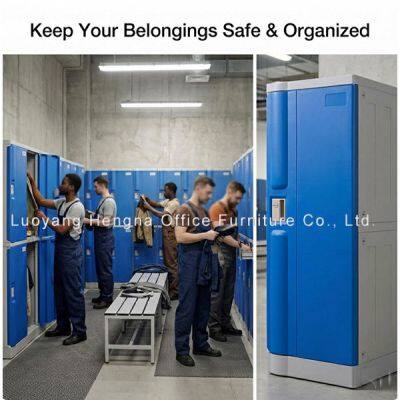 Read More
 -
How to Choose ESD Workbenches for Bulk Order: A Procurement Guide to Quality, MOQ and Lead Time
April 20, 2026Buying one ESD workbench is simple. You find a supplier, pay the invoice, receive the unit, plug it in.Buying 50 — or 500 — is a d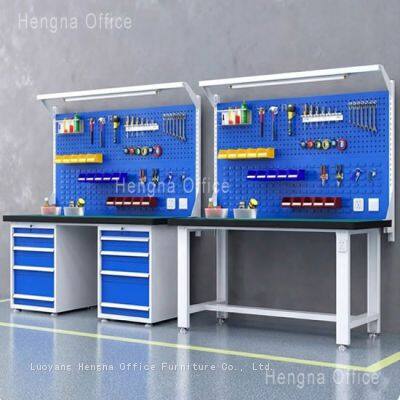 Read More
 -
ESD Workstation Audit Checklist: What Inspectors Actually Look For in Labs and Electronics Manufactu
April 20, 2026If your ESD workstation fails an audit, the consequences go beyond a failed inspection report. It means your production line stops Read More
 -
Why Your ESD Workstation Keeps Failing: Root Causes and Practical Fixes for Industrial Settings
April 20, 2026ESD workstations are supposed to eliminate static discharge risk in sensitive manufacturing environments. But if your equipment ke Read More

Contact Us
Recommended Products
-
 Industrial-Grade ABS Plastic Locker for Factory Staff and Warehouse Workers|Hengna OfficeUS$ 19 - 100MOQ: 5 Sets
 -
Outdoor ABS Locker Cabinet – UV-Resistant Plastic Storage for Poolside or Beach Resorts-Hengna OfficeUS$ 19 - 100MOQ: 5 Sets
-
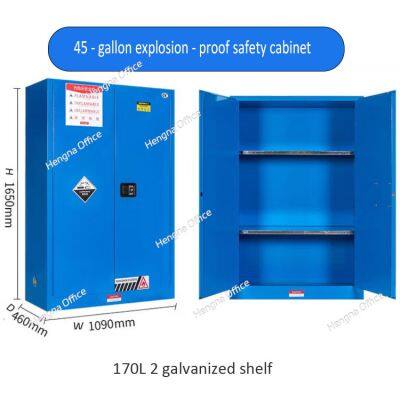
45 Gallon Explosion-Proof Flammable Liquid Storage Cabinet – Fire-Resistant Steel Safety Cabinet for FactoriesUS$ 68 - 400MOQ: 2 Combos
-
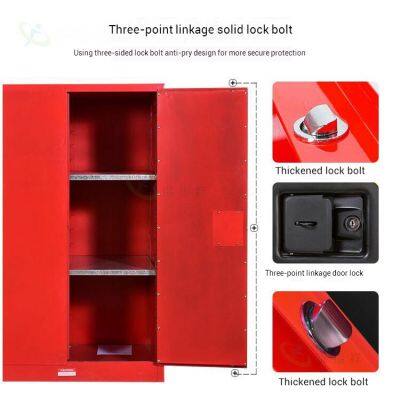
Flammable Storage Cabinet for Flammable Liquids – OSHA Certified Safety Cabinet With Fireproof Double WallsUS$ 68 - 400MOQ: 2 Combos
-
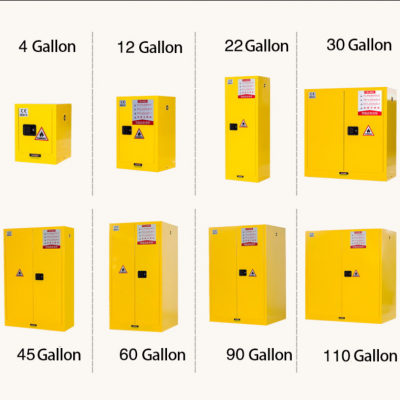
Large Capacity Flammable Liquid Storage Cabinet – Explosion-Proof Safety Cabinet for Laboratory & Workshop UseUS$ 68 - 400MOQ: 2 Combos
-
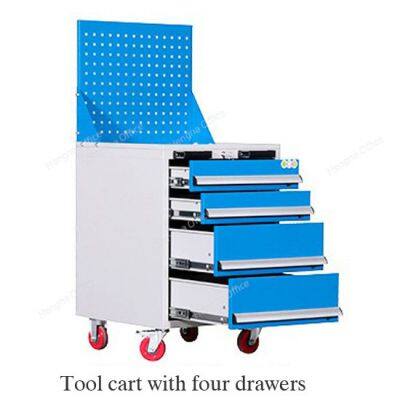
Heavy Duty Steel Tool Cart With Drawers for Workshops|Hengna OfficeUS$ 99 - 269MOQ: 2 Cases
-
Wholesale 3-Drawer Tool Trolley With Wheels for Factory and Garage StorageUS$ 99 - 269MOQ: 2 Cases
-
HN-wlj160 Industrial Rolling Tool Organizer With Pegboard|All-in-One Mobile Tool Storage CartUS$ 5 - 120MOQ: 2 Cases
-
White Stackable Pathology Wax Block Storage Drawers for Labs Near London-Hengna OfficeNegotiableMOQ: 10 Pieces
-
Custom Paraffin Block Storage Cabinet for Histology Laboratories – Factory Direct From Hengna FurnitureNegotiableMOQ: 10 Pieces
-
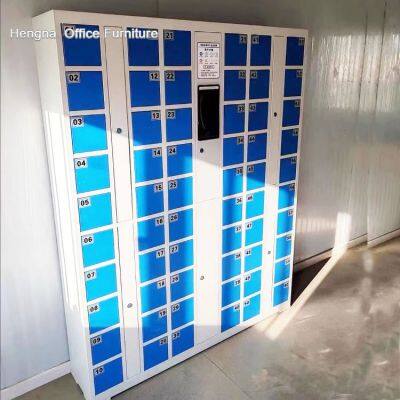
Smart Phone Charging Locker 40-door|Fingerprint Lockers Intelligent Parcel Delivery CabinetUS$ 203 - 750MOQ: 15 Pieces
-
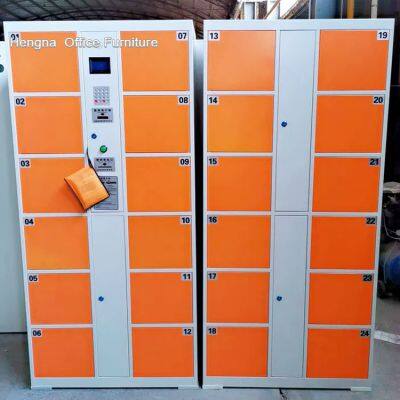
School Gym Lockers Price |Parcel Delivery Storage Locker 12-door FactoryUS$ 203 - 750MOQ: 15 Pieces
-
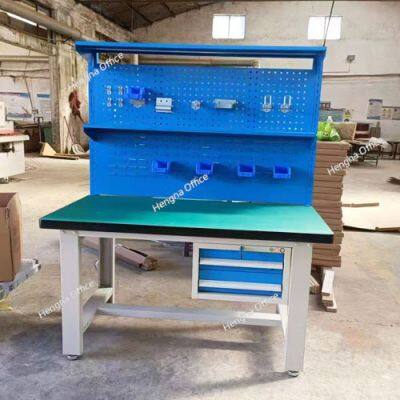
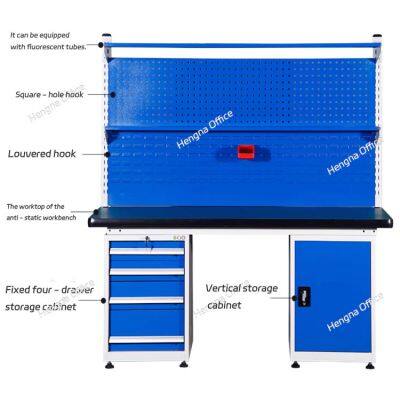
Multi Metal Work Benches Electrical Workshop Workbench|US$ 300 - 800MOQ: 2 Cases
-
Commercial Workbench Supplier |Multi Metal Work Bench With Drawers OMDUS$ 300 - 800MOQ: 2 Cases
-
Pathological Ection Cabinet JTGZ062 Wax Block Cabinet for LaboratoryNegotiableMOQ: 10 Pieces
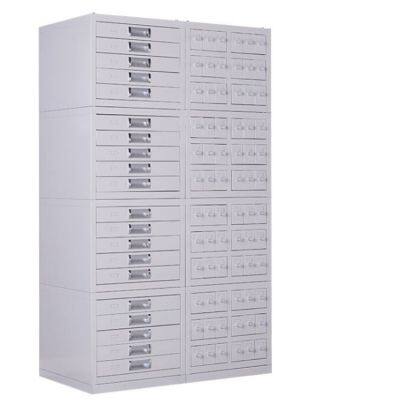
-
Durable Tool Storage in Factory HNGJ703 Hard Wearing Metal Industrial Tool ChestNegotiableMOQ: 18 Pieces
-
High - Quality CNC Workshop Tool Cabinet Heavyweight Workshop Tool OrganizerNegotiableMOQ: 10 Pieces
-
Laboratory Polyethylene Acid and Corrosive Chemicals Safety Storage PP CabinetUS$ 340 - 600MOQ: 5 Combos
-
22 Gallons /80 L PP Acid - Base Cabinet: Safeguard Chemical Storage Supplier OEMUS$ 500 - 600MOQ: 5 Combos
-
4 - Gallon Corrosion-resistant Safety Cabinet for Hazardous Chemicals Acid SupplierUS$ 340 - 500MOQ: 5 Combos