
 Business License

Investing in Durability: Is a Cold-Rolled Steel Heavy Duty Workbench Worth the Cost?
Facing the price tag of a true cold-rolled steel (CRS) heavy-duty workbench can give anyone pause. A big-box store might sell a lighter-duty bench for a fraction of the cost. So, is the premium for CRS truly justified, or is it overkill? The answer lies in a simple equation: Total Cost of Ownership (TCO). Let’s break down why investing in durability upfront almost always saves you money, frustration, and time in the long run.
The True Cost of a Cheap Bench: More Than the Price Tag
A less expensive bench is often made from lighter-gauge, hot-rolled steel or even low-quality particleboard. Its low initial cost masks significant hidden long-term expenses:
Premature Failure & Replacement Cost: It may sag under a heavy vise, drawers may bend or derail, and the surface may stain or break. Replacing it in 2-3 years means you’ve paid for two benches, not one.
Productivity Loss: Time spent tightening loose bolts, fixing wobbly legs, or cleaning a stained/damaged surface is time not spent on productive work.
Safety Risks: A bench that fails under load or has sharp, poorly finished edges poses a real risk of injury, leading to potential medical costs and downtime.
Limited Capability: It restricts what you can do. You’ll think twice about placing a heavy engine block or performing forceful work, limiting your shop’s potential.
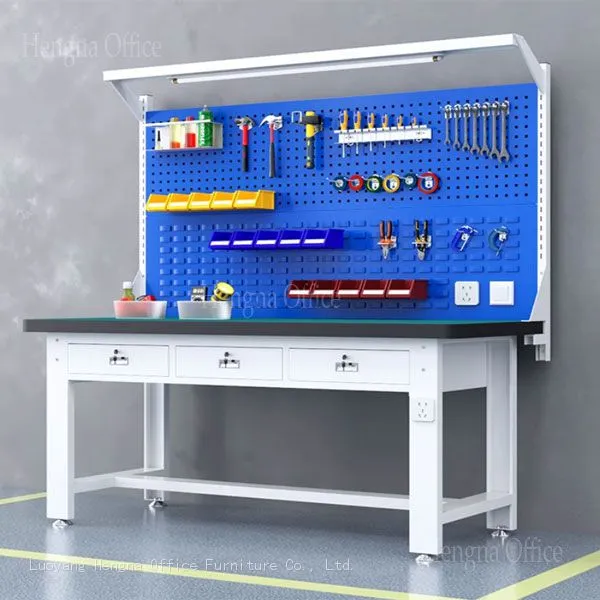
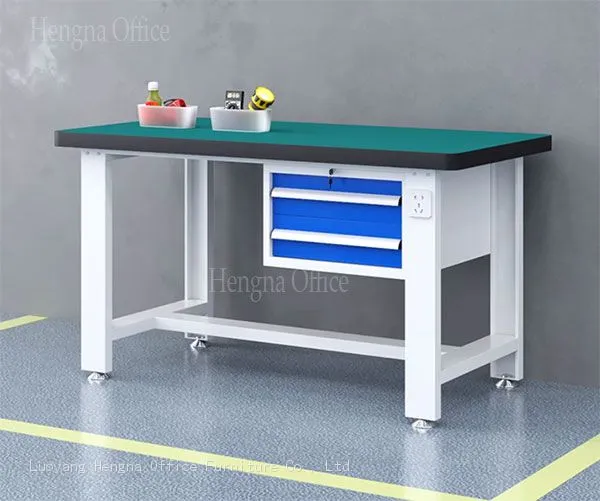
The Cold-Rolled Steel Advantage: Where Your Money Goes
A bench built from thickened cold-rolled steel addresses these issues at their core:
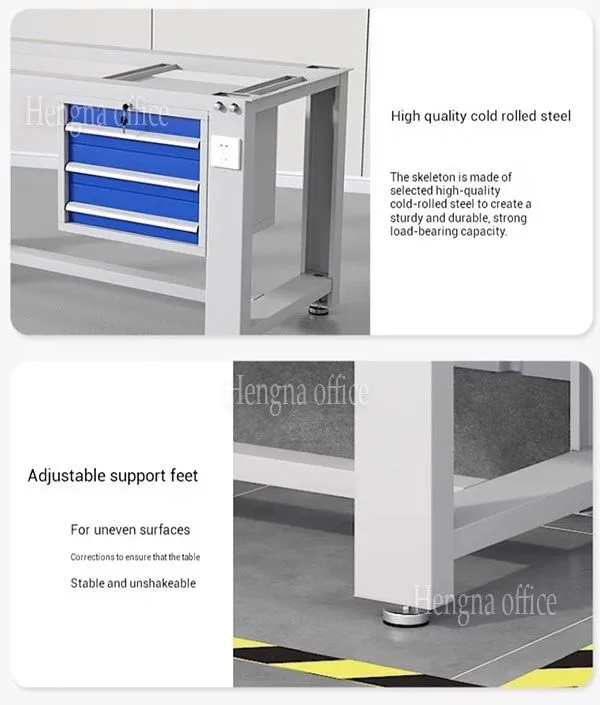
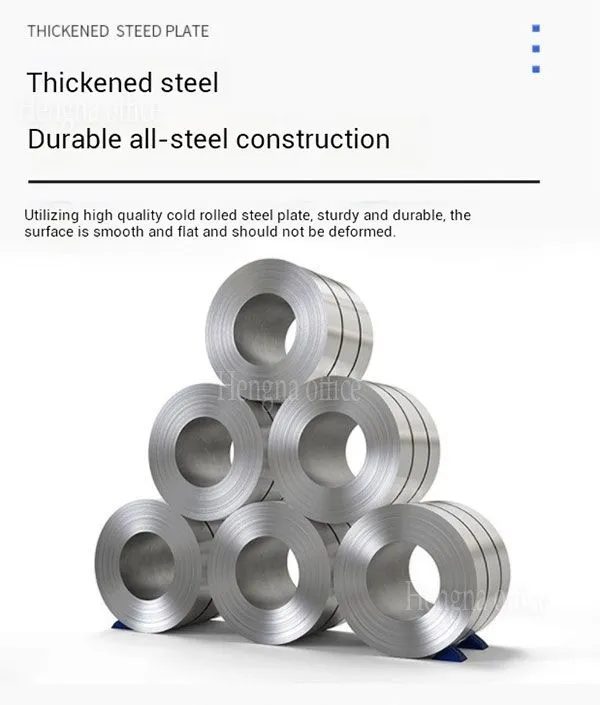
Superior Material Strength: CRS is stronger and harder than hot-rolled steel of the same thickness. It resists denting, bending, and deformation from impact and heavy loads.
Precision & Finish: The cold-rolling process creates a smoother, more dimensionally accurate part. This allows for a higher-quality, more durable powder coat finish that resists chipping and corrosion, and ensures components fit together precisely for a wobble-free assembly.
Engineered Load Capacity: These benches are designed with rated capacities (e.g., 500kg, 1000kg). You buy with confidence, knowing exactly what it can handle.
The Worth-It Calculation: A TCO Analysis
| Cost Factor | Economy Bench | Cold-Rolled Steel Bench |
|---|---|---|
| Initial Purchase Price | $ (Low) | $$$ (Higher Investment) |
| Expected Lifespan | 2-5 years (with issues) | 15-30+ years (with minimal issues) |
| Maintenance/Repair Costs | Higher (constant tightening, part replacement) | Negligible (occasional cleaning) |
| Productivity Impact | Negative (downtime for fixes, limited tasks) | Positive (enables all tasks, no downtime) |
| Resale/Relocation Value | Very Low (disposable) | High (retains significant value) |
| Total Cost of Ownership | $$$ (High over time) | $$ (Lower per year of service) |
When is a CRS Bench Definitely Worth It?
Professional Use: Any business (auto shop, fab shop, lab) where downtime equals lost revenue.
Heavy or Precision Tasks: If you work with engines, machinery, or delicate assemblies that require a stable base.
The “Buy It For Life” Mindset: If you want a permanent, reliable fixture in your home garage or workshop.
Safety-Conscious Environments: Where equipment failure could lead to injury.
When Might a Lighter Bench Suffice?
For truly light-duty, occasional use—like a potting bench, a wrapping station, or very light craft work—the investment in CRS may not be necessary. However, for any task involving tools, mechanics, or weight, the durability equation quickly tips in favor of CRS.
The Intangible ROI: Confidence and Capability
Beyond dollars, a cold-rolled steel bench provides peace of mind. You never worry if it’s strong enough. It becomes a trusted, silent partner in your work, enabling you to take on bigger projects and work more efficiently. This boost in capability and confidence is a real, if unquantifiable, return on your investment.
Conclusion
View a cold-rolled steel workbench not as a piece of furniture, but as a fundamental tool—akin to buying a quality wrench set or a professional-grade drill. The higher initial cost is amortized over decades of flawless service, making it the more economical and capable choice in the long run. It’s an investment not just in a product, but in the quality and future of your work itself.
Invest in a legacy, not just a bench. Explore our range of workbenches built with durable thickened cold-rolled steel.

Recently Posted
-
Stainless Steel Shelving for Breweries and Wineries — What Survives Humidity, Alcohol Spills
July 24, 2026Stainless Steel Shelving for Breweries and Wineries — What Survives Humidity, Alcohol Spills, and Sanitizer Washdowns Three t Read More
 -
Stainless Steel Shelving for Meat Processing Plants — What Holds Up Against Blood, Fat, and Daily Wa
July 24, 2026Meat plants are brutal on shelvingIf you work in a meat processing plant, you already know this. The rack that looked fine s Read More
 -
0.6mm Steel Wardrobe vs 0.4mm — Why Cold-Rolled Single Door Metal Closet Lasts Longer
July 10, 2026The 0.2mm That Decides Whether You Buy One Wardrobe or ThreeTwo wardrobes look identical on a supplier's photo. Same door, sam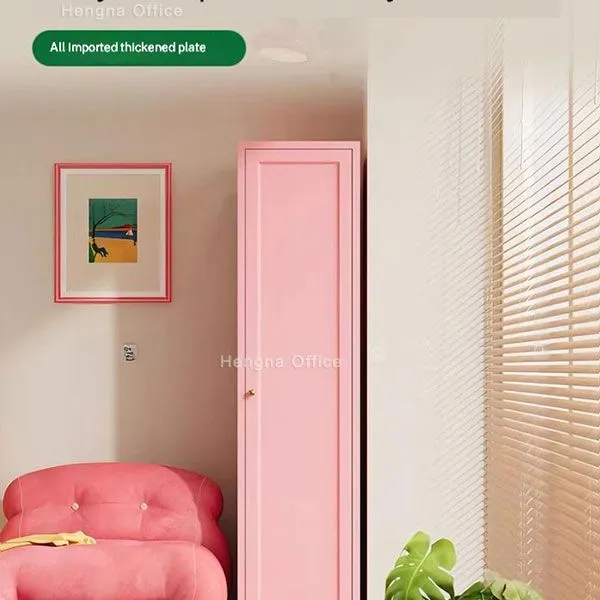 Read More
 -
Heavy Duty Tool Cabinet with Locks for School Shop: Stop Tool Theft Before It Happens
July 9, 2026A vocational school workshop isn't like a factory floor. The tools aren't being used by seasoned machinists who know where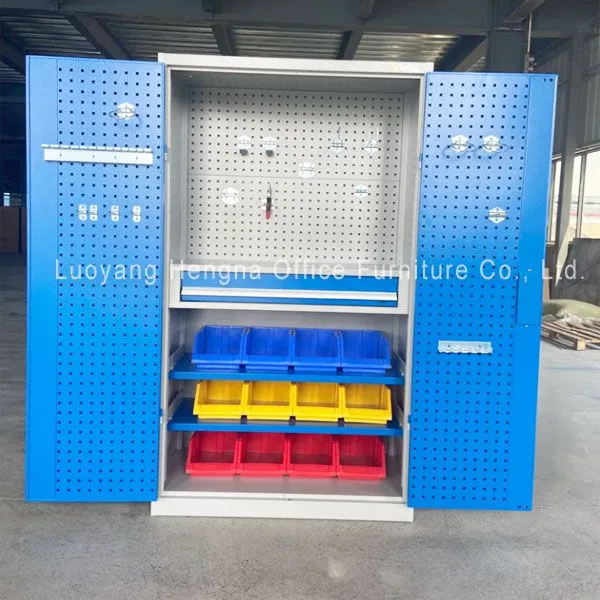 Read More

Contact Us
Recommended Products
-
 Industrial-Grade ABS Plastic Locker for Factory Staff and Warehouse Workers|Hengna OfficeUS$ 19 - 100MOQ: 5 Sets
 -
Outdoor ABS Locker Cabinet – UV-Resistant Plastic Storage for Poolside or Beach Resorts-Hengna OfficeUS$ 19 - 100MOQ: 5 Sets
-
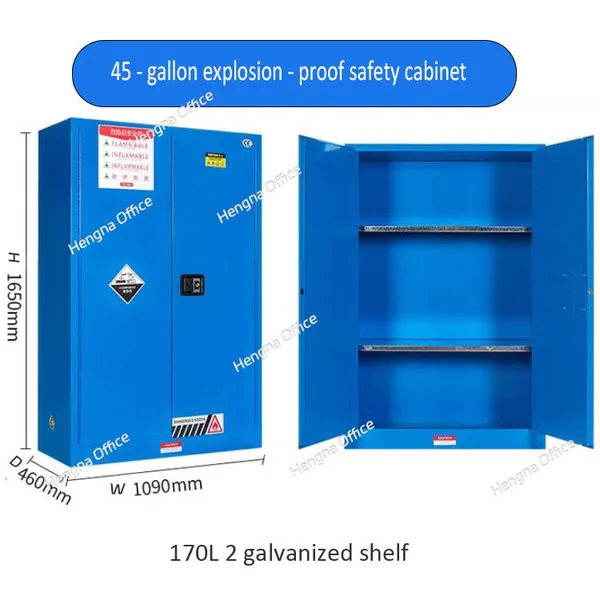
45 Gallon Explosion-Proof Flammable Liquid Storage Cabinet – Fire-Resistant Steel Safety Cabinet for FactoriesUS$ 68 - 400MOQ: 2 Combos
-
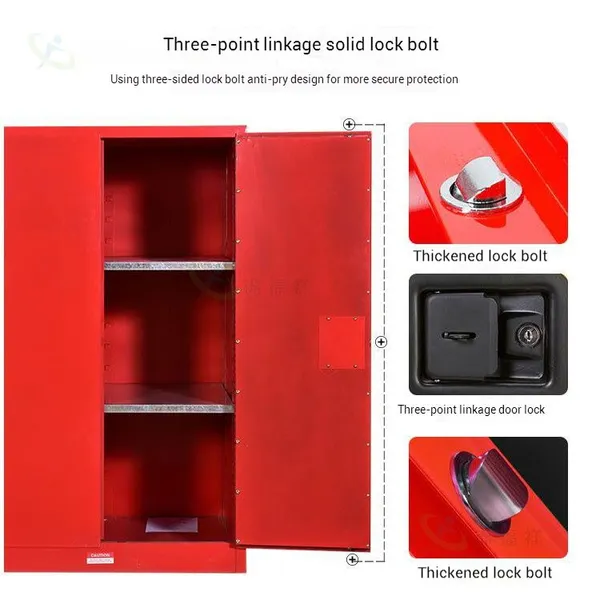
Flammable Storage Cabinet for Flammable Liquids – OSHA Certified Safety Cabinet With Fireproof Double WallsUS$ 68 - 400MOQ: 2 Combos
-
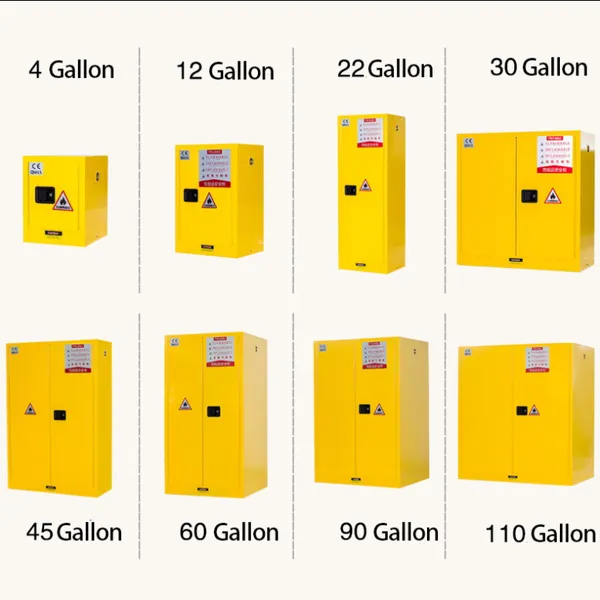
Large Capacity Flammable Liquid Storage Cabinet – Explosion-Proof Safety Cabinet for Laboratory & Workshop UseUS$ 68 - 400MOQ: 2 Combos
-
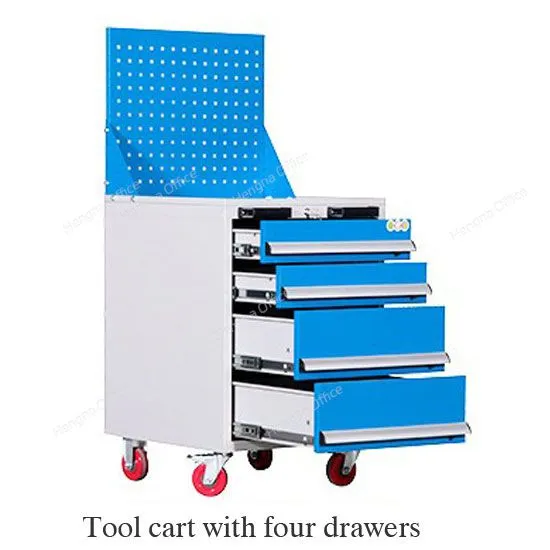
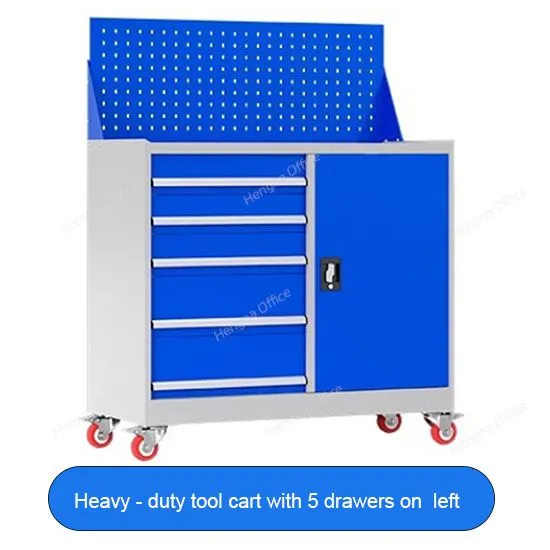
Heavy Duty Steel Tool Cart With Drawers for Workshops|Hengna OfficeUS$ 99 - 269MOQ: 2 Cases
-
Wholesale 3-Drawer Tool Trolley With Wheels for Factory and Garage StorageUS$ 99 - 269MOQ: 2 Cases
-
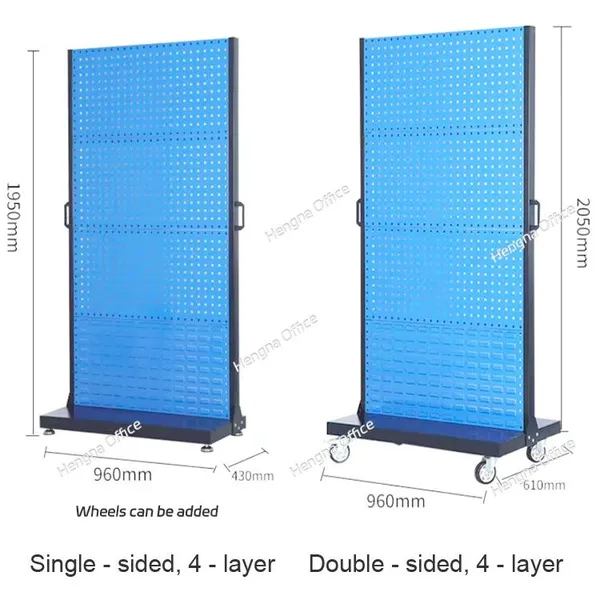
HN-wlj160 Industrial Rolling Tool Organizer With Pegboard|All-in-One Mobile Tool Storage CartUS$ 5 - 120MOQ: 2 Cases
-
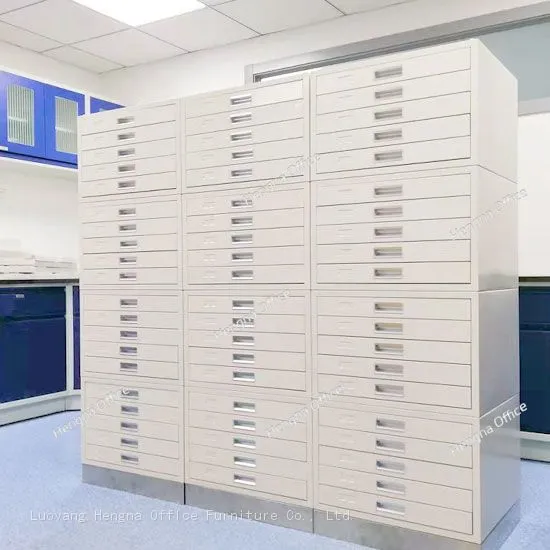
White Stackable Pathology Wax Block Storage Drawers for Labs Near London-Hengna OfficeNegotiableMOQ: 10 Pieces
-
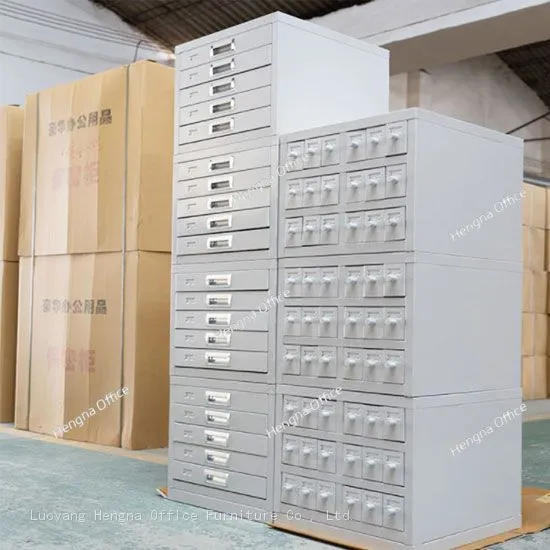
Custom Paraffin Block Storage Cabinet for Histology Laboratories – Factory Direct From Hengna FurnitureNegotiableMOQ: 10 Pieces
-
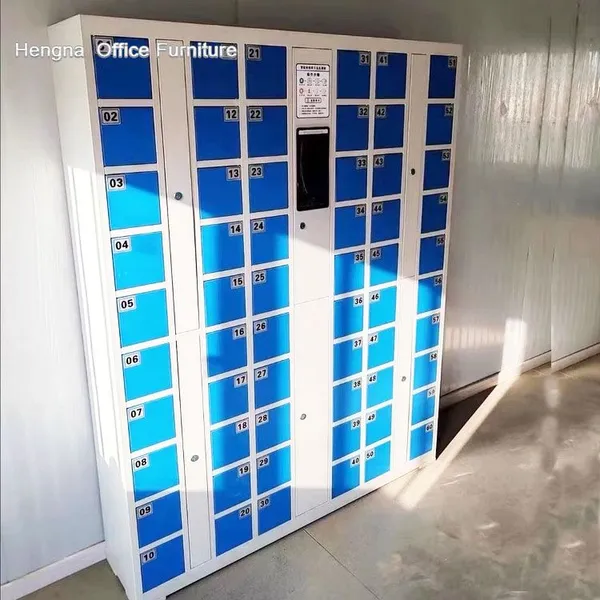
Smart Phone Charging Locker 40-door|Fingerprint Lockers Intelligent Parcel Delivery CabinetUS$ 203 - 750MOQ: 15 Pieces
-
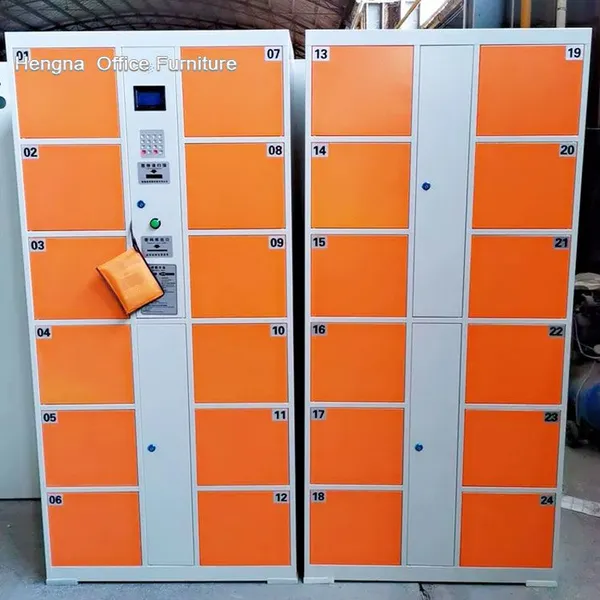
School Gym Lockers Price |Parcel Delivery Storage Locker 12-door FactoryUS$ 203 - 750MOQ: 15 Pieces
-
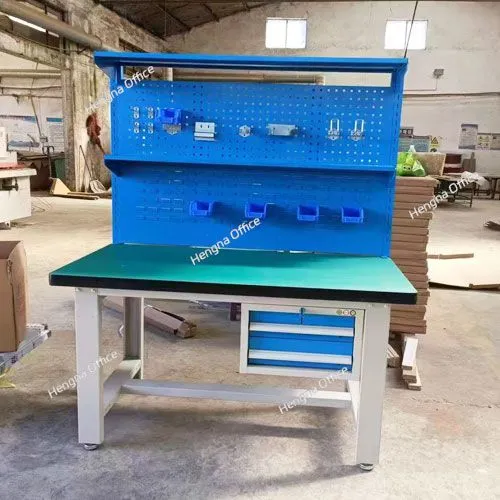
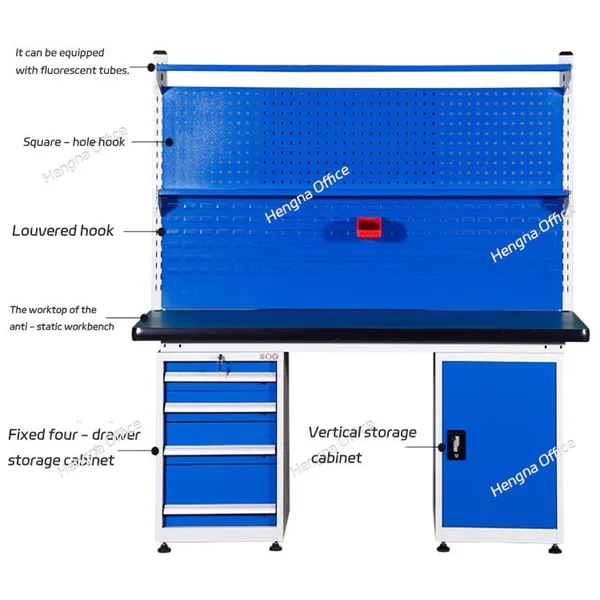
Multi Metal Work Benches Electrical Workshop Workbench|US$ 300 - 800MOQ: 2 Cases
-
Commercial Workbench Supplier |Multi Metal Work Bench With Drawers OMDUS$ 300 - 800MOQ: 2 Cases
-
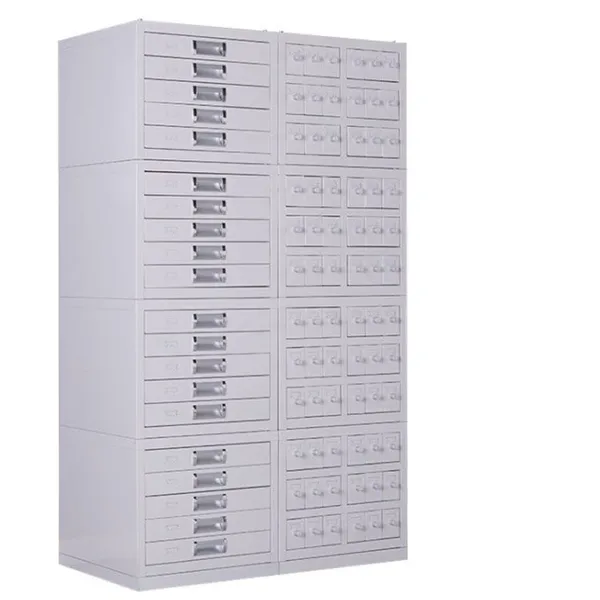
Pathological Ection Cabinet JTGZ062 Wax Block Cabinet for LaboratoryNegotiableMOQ: 10 Pieces
-
Durable Tool Storage in Factory HNGJ703 Hard Wearing Metal Industrial Tool ChestNegotiableMOQ: 18 Pieces
-
High - Quality CNC Workshop Tool Cabinet Heavyweight Workshop Tool OrganizerNegotiableMOQ: 10 Pieces
-
Laboratory Polyethylene Acid and Corrosive Chemicals Safety Storage PP CabinetUS$ 340 - 600MOQ: 5 Combos
-
22 Gallons /80 L PP Acid - Base Cabinet: Safeguard Chemical Storage Supplier OEMUS$ 500 - 600MOQ: 5 Combos
-
4 - Gallon Corrosion-resistant Safety Cabinet for Hazardous Chemicals Acid SupplierUS$ 340 - 500MOQ: 5 Combos