
 Business License

All-in-One Station: Are Sink Cabinets Really More Efficient Than Separate Units?
The classic janitorial closet setup: a slop sink in one corner, a storage cabinet against the opposite wall, and a mop bucket perpetually in the way on the floor. It works, but it’s a workflow born of necessity, not efficiency. Enter the integrated Sink Cabinet—a unit that combines a deep stainless steel basin, storage compartments, and often a drying bar into one footprint. It promises a streamlined “all-in-one” cleaning station. But is it truly more efficient, or just a clever gimmick? Let’s analyze the real-world pros, cons, and ideal use cases to see if it’s the right upgrade for your facility.
The Traditional Separate Setup: The Known Quantity
Pros:
Flexibility: You can choose a sink and cabinet independently, potentially saving money if you source basic models.
Simpler Installation: A standalone sink is plumbed in once. A separate cabinet just needs to be placed.
Easier Replacement: If one component fails, you replace only that part.
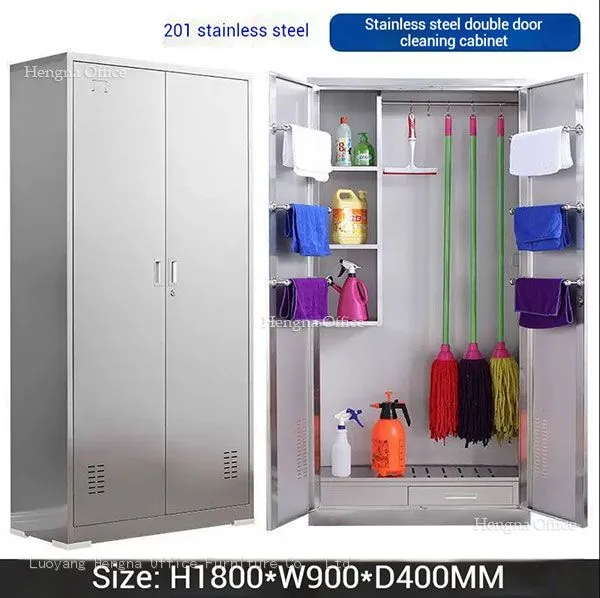
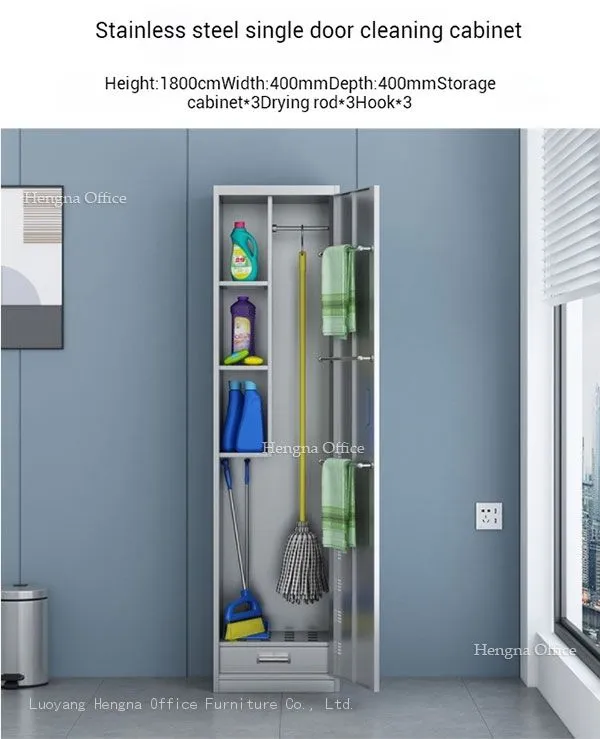
Cons:
Inefficient Workflow: The classic “triangle” problem. Staff must walk from cabinet (get cleaner) to sink (fill bucket) to floor (mop) to sink (empty/dirty water) to cabinet (put stuff away). This creates unnecessary steps and cross-contamination risk.
Wasted Space: The gap between the sink and cabinet is often dead space or becomes a dumping ground for the wet mop and bucket.
Mess and Safety Hazards: Draining a mop bucket into a sink often leads to splashes and spills on the floor between the bucket and the sink, creating slippery hazards.
The Integrated Sink Cabinet: The Contender
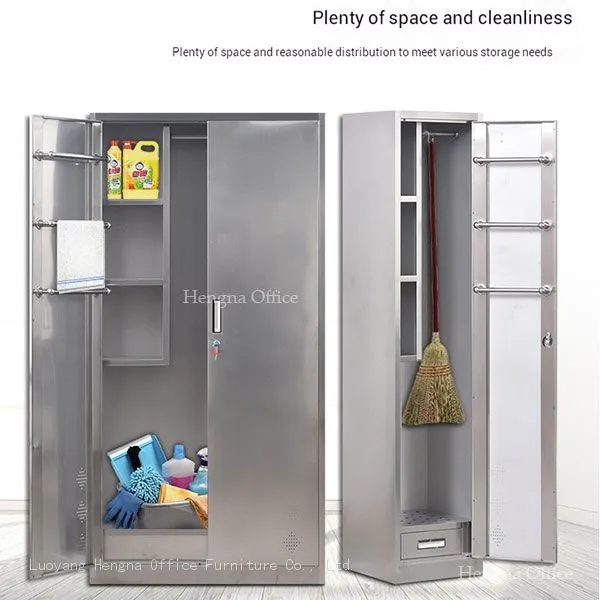
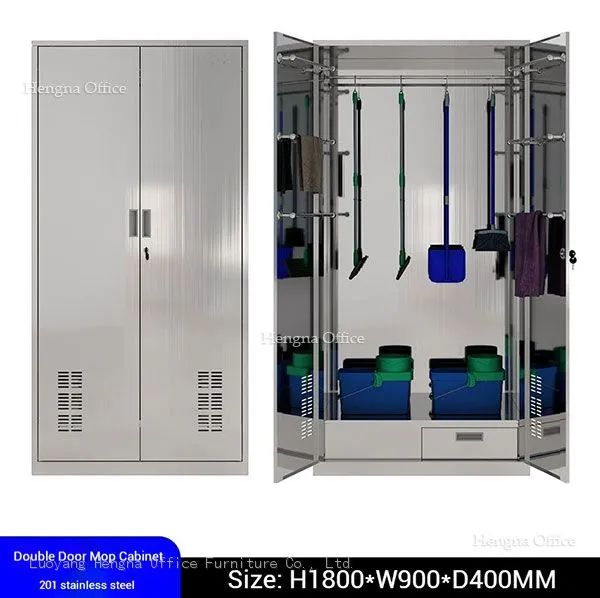
This unit, like our stainless steel models, places a deep sink above a lockable storage compartment, with a drainage system below.
The Efficiency Argument: A Streamlined Cycle
Imagine the workflow with an all-in-one station:
Unlock the upper cabinet to access chemicals.
Turn to the integrated sink (literally a half-step) to fill the bucket with water and chemical.
Clean the area.
Return, pour dirty water directly into the same sink.
Rinse the mop head in the sink.
Place the wet mop in the ventilated lower compartment of the same unit to dry.
Lock the chemical cabinet.
The process is linear and contained. There’s no traversing the room, no spilled water trails, and all wet and dry activities are zonally separated within a single 3-foot-wide area.
Key Advantages Beyond Workflow:
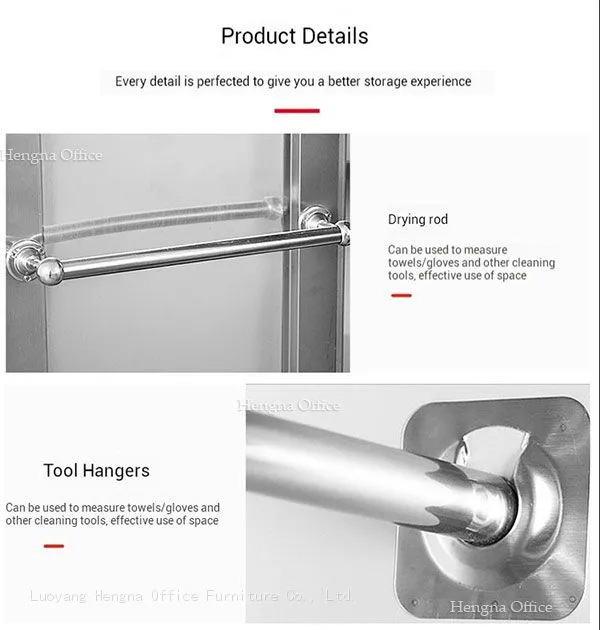
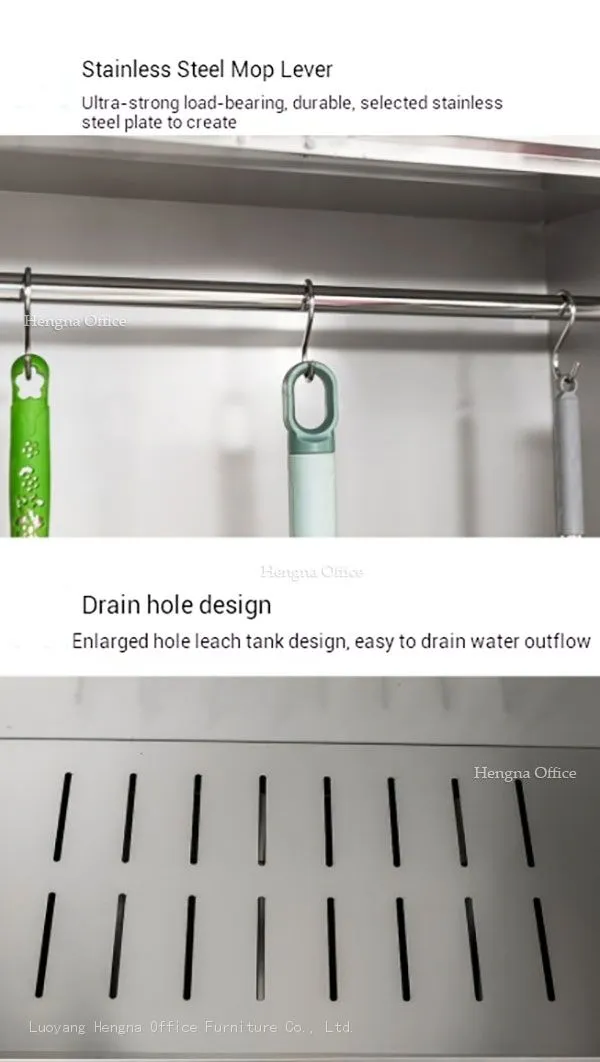
Contained Water Management: Dirty water is poured directly into the sink, which channels it neatly into a drain hole and collection bucket or direct plumbing. This dramatically reduces slip-and-fall risks and keeps the rest of the closet dry.
Space Consolidation: It frees up the wall where a separate cabinet would go. This space can now be used for a paper towel dispenser, a vacuum charger, or simply left clear to make the room feel larger.
Hygienic Drying: The dedicated, ventilated wet compartment isolates damp mops and buckets, preventing mildew odors from spreading to dry supplies in the upper cabinet.
Professional, Cohesive Look: It presents a unified, institutional-grade appearance that signals a well-managed facility.
Addressing the Practical Concerns
“Is the sink big enough?” These sinks are designed as mop sinks, not hand-washing basins. They are typically deep (200mm+) with a high splash guard to accommodate tipping a standard janitorial bucket. They are perfectly sized for their intended task.
“How does drainage work?” This is the critical question. There are two main systems:
Bucket-Catch System (Most Common): Wastewater drains through a large hole in the sink base into a removable plastic collection bucket housed inside the cabinet. Staff simply pull out the bucket and empty it into a floor drain or toilet. This is incredibly flexible and requires no permanent plumbing connection to waste lines.
Direct-Plumbed System: The sink is connected directly to the building’s sanitary waste line. This is a more permanent, hands-free solution but requires professional installation during placement.
“What if it breaks?” High-quality units like ours use commercial-grade 304 stainless steel for the sink and cabinet, which is highly durable. The plumbing connections or bucket system are simple and use standard, replaceable parts.
The Verdict: Who is the All-In-One Station For?
It’s a resounding “YES” for efficiency in these scenarios:
Busy Offices, Schools, and Healthcare Facilities: Where multiple staff use the closet and a clean, safe, standardized process is vital.
Small to Medium Janitorial Closets: Where consolidating functions into one footprint is a game-changer for space.
Facilities Prioritizing Safety: The dramatic reduction in wet-floor hazards alone can justify the investment.
Stick with a Separate Sink/Cabinet if:
Your closet is very large and workflow distance isn’t an issue.
You have an existing, perfectly good sink and only need to add storage.
Your budget is extremely constrained for upfront costs.
Conclusion: An integrated sink cabinet isn’t just a piece of furniture; it’s a process innovation. It buys you efficiency not in minutes per task, but in reduced motion, contained messes, and enhanced safety. For most modern facilities looking to optimize their cleaning operations, the all-in-one station isn’t just more efficient—it’s the intelligent, professional standard.

Recently Posted
-
Stainless Steel Shelving for Breweries and Wineries — What Survives Humidity, Alcohol Spills
July 24, 2026Stainless Steel Shelving for Breweries and Wineries — What Survives Humidity, Alcohol Spills, and Sanitizer Washdowns Three t Read More
 -
Stainless Steel Shelving for Meat Processing Plants — What Holds Up Against Blood, Fat, and Daily Wa
July 24, 2026Meat plants are brutal on shelvingIf you work in a meat processing plant, you already know this. The rack that looked fine s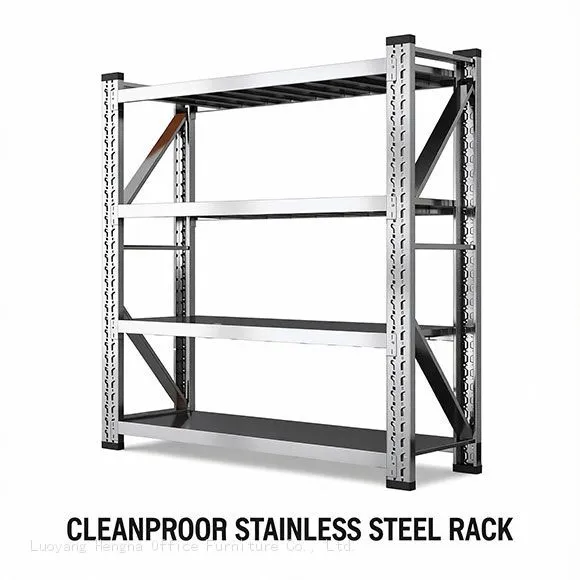 Read More
 -
0.6mm Steel Wardrobe vs 0.4mm — Why Cold-Rolled Single Door Metal Closet Lasts Longer
July 10, 2026The 0.2mm That Decides Whether You Buy One Wardrobe or ThreeTwo wardrobes look identical on a supplier's photo. Same door, sam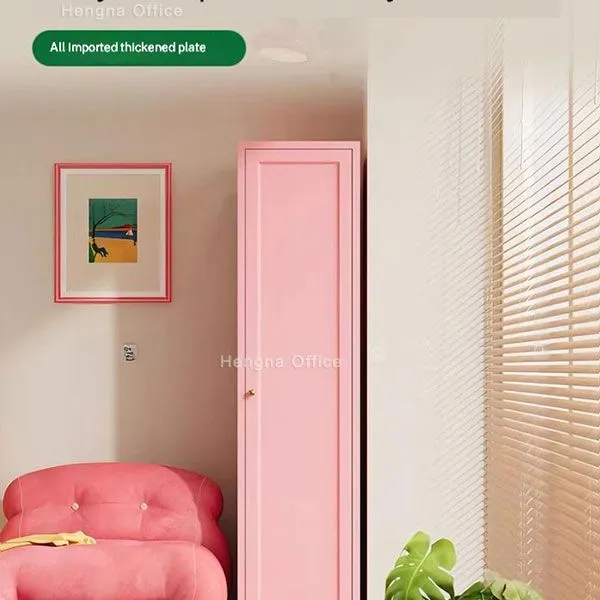 Read More
 -
Heavy Duty Tool Cabinet with Locks for School Shop: Stop Tool Theft Before It Happens
July 9, 2026A vocational school workshop isn't like a factory floor. The tools aren't being used by seasoned machinists who know where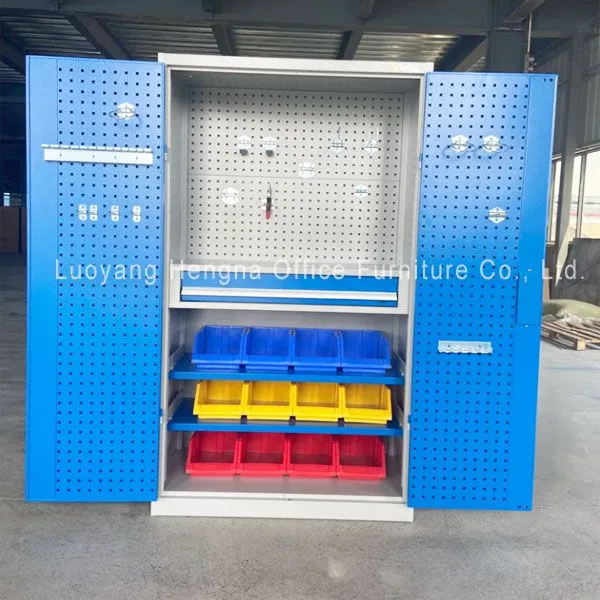 Read More

Contact Us
Recommended Products
-
 Industrial-Grade ABS Plastic Locker for Factory Staff and Warehouse Workers|Hengna OfficeUS$ 19 - 100MOQ: 5 Sets
 -
Outdoor ABS Locker Cabinet – UV-Resistant Plastic Storage for Poolside or Beach Resorts-Hengna OfficeUS$ 19 - 100MOQ: 5 Sets
-
45 Gallon Explosion-Proof Flammable Liquid Storage Cabinet – Fire-Resistant Steel Safety Cabinet for FactoriesUS$ 68 - 400MOQ: 2 Combos
-
Flammable Storage Cabinet for Flammable Liquids – OSHA Certified Safety Cabinet With Fireproof Double WallsUS$ 68 - 400MOQ: 2 Combos
-
Large Capacity Flammable Liquid Storage Cabinet – Explosion-Proof Safety Cabinet for Laboratory & Workshop UseUS$ 68 - 400MOQ: 2 Combos
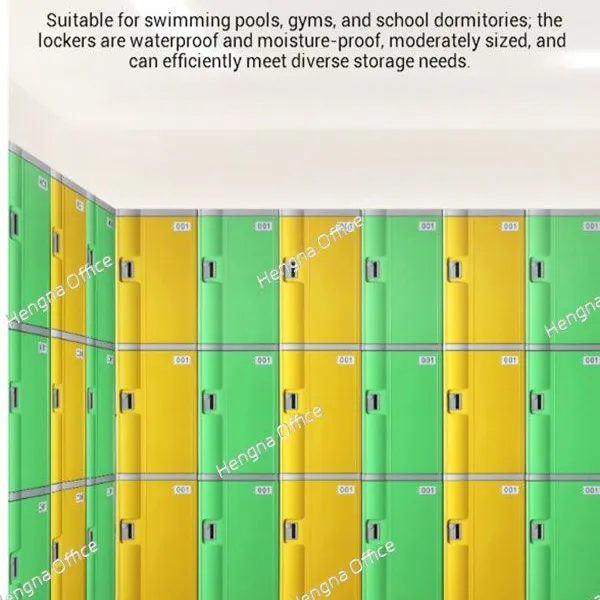
-
Heavy Duty Steel Tool Cart With Drawers for Workshops|Hengna OfficeUS$ 99 - 269MOQ: 2 Cases
-
Wholesale 3-Drawer Tool Trolley With Wheels for Factory and Garage StorageUS$ 99 - 269MOQ: 2 Cases
-
HN-wlj160 Industrial Rolling Tool Organizer With Pegboard|All-in-One Mobile Tool Storage CartUS$ 5 - 120MOQ: 2 Cases
-
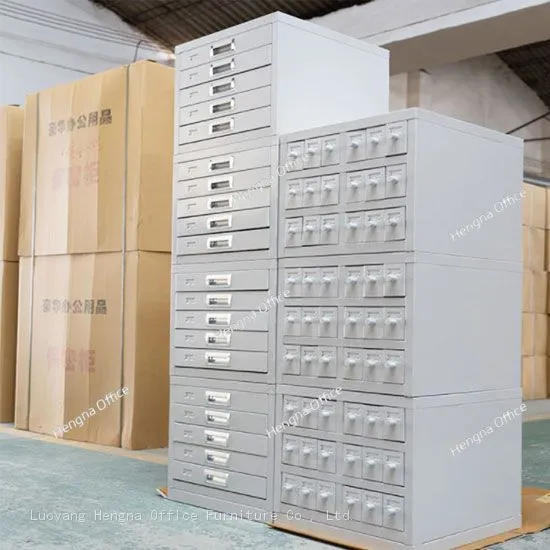
White Stackable Pathology Wax Block Storage Drawers for Labs Near London-Hengna OfficeNegotiableMOQ: 10 Pieces
-
Custom Paraffin Block Storage Cabinet for Histology Laboratories – Factory Direct From Hengna FurnitureNegotiableMOQ: 10 Pieces
-
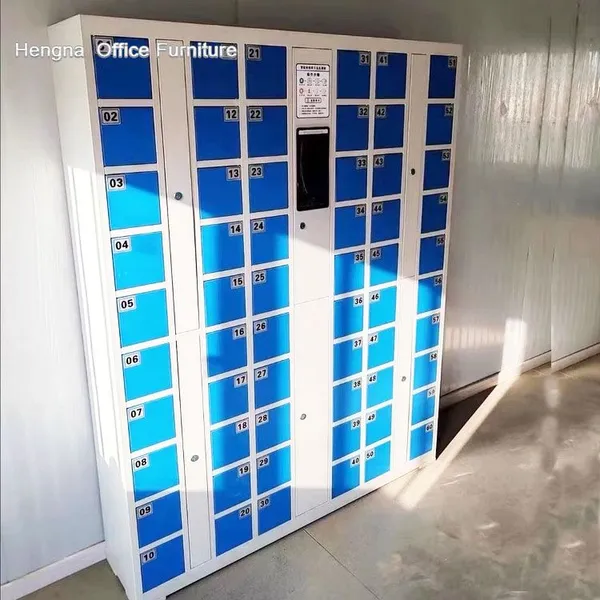
Smart Phone Charging Locker 40-door|Fingerprint Lockers Intelligent Parcel Delivery CabinetUS$ 203 - 750MOQ: 15 Pieces
-
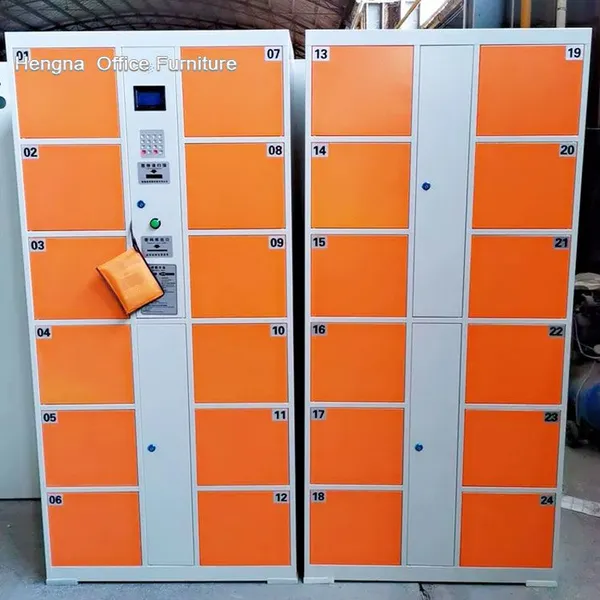
School Gym Lockers Price |Parcel Delivery Storage Locker 12-door FactoryUS$ 203 - 750MOQ: 15 Pieces
-
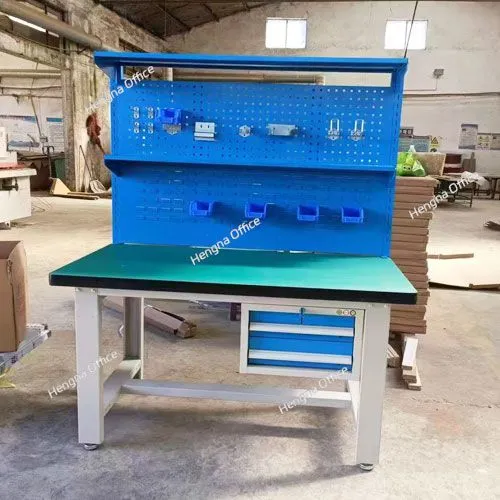
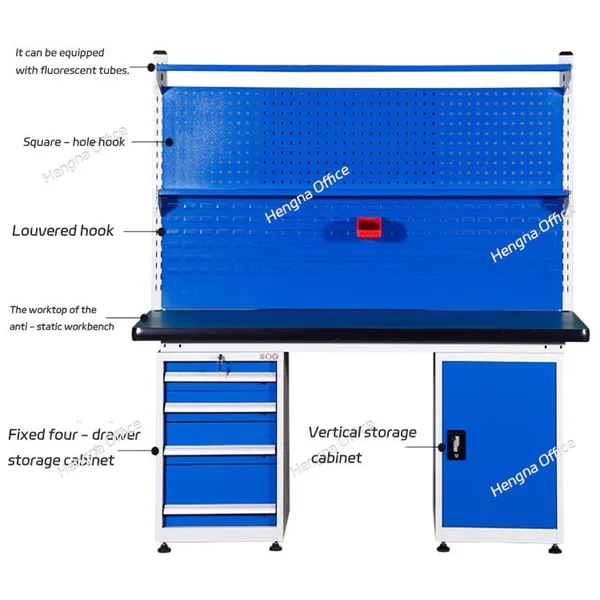
Multi Metal Work Benches Electrical Workshop Workbench|US$ 300 - 800MOQ: 2 Cases
-
Commercial Workbench Supplier |Multi Metal Work Bench With Drawers OMDUS$ 300 - 800MOQ: 2 Cases
-
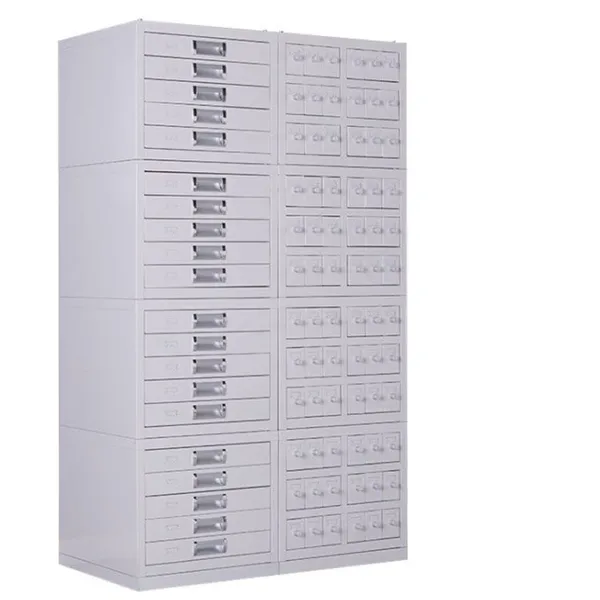
Pathological Ection Cabinet JTGZ062 Wax Block Cabinet for LaboratoryNegotiableMOQ: 10 Pieces
-
Durable Tool Storage in Factory HNGJ703 Hard Wearing Metal Industrial Tool ChestNegotiableMOQ: 18 Pieces
-
High - Quality CNC Workshop Tool Cabinet Heavyweight Workshop Tool OrganizerNegotiableMOQ: 10 Pieces
-
Laboratory Polyethylene Acid and Corrosive Chemicals Safety Storage PP CabinetUS$ 340 - 600MOQ: 5 Combos
-
22 Gallons /80 L PP Acid - Base Cabinet: Safeguard Chemical Storage Supplier OEMUS$ 500 - 600MOQ: 5 Combos
-
4 - Gallon Corrosion-resistant Safety Cabinet for Hazardous Chemicals Acid SupplierUS$ 340 - 500MOQ: 5 Combos