
 Business License

The Role of Bookshelves in Streamlining Document Storage in Law Firms and Offices
The Critical Need for Efficient Document Management in Legal Practices
In the fast-paced world of legal practice, where every document carries significant weight and timely access to information can make or break a case, efficient document storage systems are not just beneficial—they’re essential. Law firms and legal offices handle vast quantities of paperwork daily, from case files and legal precedents to client contracts and regulatory documents. Despite the digital revolution, physical document storage remains a cornerstone of legal operations, and bookshelves play a pivotal role in creating organized, accessible, and secure storage solutions that support the demanding needs of legal professionals.
Understanding the Unique Document Storage Challenges in Legal Environments
Legal offices face distinctive challenges when it comes to document management that set them apart from other business sectors. The sheer volume of paperwork, combined with strict confidentiality requirements, long-term retention needs, and the necessity for rapid retrieval, creates a complex storage puzzle that must be solved with precision and care. Legal documents often need to be preserved for years, sometimes decades, requiring storage solutions that can withstand the test of time while maintaining organization and accessibility.
Moreover, the hierarchical nature of legal documents—case files, supporting evidence, research materials, and administrative paperwork—demands a systematic approach to storage that reflects these relationships. Bookshelves, when properly implemented, provide the structural framework necessary to maintain this organization while ensuring that documents remain protected from environmental damage, unauthorized access, and accidental loss.
The Strategic Advantages of Professional Bookshelf Systems in Legal Settings
Professional bookshelf systems offer numerous strategic advantages that directly address the unique needs of legal practices. First and foremost, they provide the physical infrastructure necessary to implement systematic document organization protocols. By creating designated spaces for different types of documents—case files, reference materials, client records—bookshelves help establish clear boundaries that prevent document mixing and reduce the risk of misfiling critical information.
The vertical nature of bookshelves maximizes limited office space, a crucial consideration in urban legal environments where real estate costs are premium. This vertical storage approach allows law firms to maintain comprehensive document collections without sacrificing valuable floor space needed for client meetings, attorney workstations, and collaborative areas. Additionally, well-designed bookshelf systems create visual organization that enables legal professionals to locate documents quickly through pattern recognition and spatial memory, significantly reducing search times during critical moments.
Enhancing Security and Confidentiality Through Proper Bookshelf Design
Security and confidentiality are paramount in legal practice, and bookshelf systems can be specifically designed to enhance these critical aspects of document management. Lockable bookshelf units provide an additional layer of security for sensitive client information, case files, and privileged communications. These secure storage options can be strategically placed throughout the office to ensure that only authorized personnel have access to specific document categories.
Modern bookshelf designs for legal environments often incorporate features such as solid backs, reinforced construction, and specialized locking mechanisms that prevent unauthorized access while maintaining professional aesthetics. Some systems include integrated locking drawers or compartments within the bookshelf structure, allowing for tiered security levels within the same storage unit. This flexibility enables law firms to customize their security approaches based on document sensitivity and access requirements.
Implementing Color-Coded Organization Systems for Enhanced Efficiency
One of the most effective strategies for streamlining document storage in legal offices involves implementing color-coded organization systems in conjunction with bookshelf storage. By assigning specific colors to different practice areas, case types, or document categories, legal professionals can create visual cues that dramatically improve document identification and retrieval speed. This color-coding system can be applied to file folders, binder spines, or even bookshelf sections themselves.
The implementation of color-coded systems requires careful planning and consistent execution, but the benefits are substantial. Studies have shown that color-coded filing systems can reduce document retrieval times by up to 40% compared to traditional alphabetical systems alone. When combined with well-organized bookshelf arrangements, these visual systems create powerful organizational tools that support the high-pressure environment of legal practice.
Maximizing Accessibility Through Ergonomic Bookshelf Design
Legal professionals often spend long hours working with documents, making ergonomic considerations crucial in bookshelf selection and placement. Properly designed bookshelf systems take into account the physical needs of users, ensuring that frequently accessed documents are stored at comfortable heights and that heavier materials are positioned to prevent strain during retrieval.
Adjustable shelving systems allow law firms to customize storage heights based on specific document types and user preferences. For instance, frequently referenced case law volumes might be positioned at eye level, while archival materials stored in less accessible locations. This thoughtful approach to ergonomics not only improves efficiency but also contributes to workplace safety and employee satisfaction, important considerations in the competitive legal industry.
Supporting Compliance and Regulatory Requirements Through Proper Storage
Legal firms operate under strict regulatory requirements regarding document retention, accessibility, and security. Professional bookshelf systems play a crucial role in supporting compliance with these regulations by providing organized, traceable storage solutions that facilitate audit processes and demonstrate proper document management practices.
Many jurisdictions require law firms to maintain specific types of records for defined periods, and bookshelf systems can be designed to support these retention schedules through organized storage that makes document aging and disposal processes transparent and manageable. Additionally, proper bookshelf organization helps firms respond quickly to discovery requests, regulatory inquiries, and internal audits, reducing the risk of penalties for non-compliance.
Integrating Digital and Physical Document Management Systems
While physical document storage remains essential, modern law firms must effectively integrate their bookshelf systems with digital document management platforms. This hybrid approach requires careful planning to ensure that physical and digital documents complement rather than duplicate each other. Bookshelf systems can be designed to support this integration through features such as designated spaces for scanning stations, areas for temporary document holding during digitization processes, and organizational structures that mirror digital filing systems.
The key to successful integration lies in creating clear protocols for when documents should be maintained physically versus digitally, and ensuring that both systems are synchronized to prevent information gaps. Well-designed bookshelf systems provide the physical infrastructure necessary to support these hybrid workflows while maintaining the accessibility and security that legal practice demands.
Cost-Effectiveness and Long-Term Value of Professional Bookshelf Investments
Investing in quality bookshelf systems represents a significant financial decision for law firms, but the long-term value and cost-effectiveness of these investments cannot be overstated. Professional-grade bookshelf systems, particularly those constructed from durable materials like steel or high-quality hardwood, offer decades of reliable service, making them sound investments in firm infrastructure.
The cost savings extend beyond the initial purchase price. Efficient document storage systems reduce time spent searching for documents, minimize the risk of lost or misplaced files, and support compliance efforts that can prevent costly regulatory penalties. Additionally, well-organized bookshelf systems contribute to professional office environments that enhance client perceptions and support premium billing rates.
Best Practices for Implementing Bookshelf Systems in Legal Offices
Successful implementation of bookshelf systems in legal environments requires careful planning and attention to detail. Begin by conducting a thorough assessment of current document volumes, growth projections, and access patterns. This analysis should inform decisions about bookshelf dimensions, configuration, and placement throughout the office.
Consider the workflow of legal professionals when designing bookshelf layouts, ensuring that frequently accessed materials are positioned conveniently while maintaining logical organization structures. Involve attorneys and support staff in the planning process to gain insights into their specific needs and preferences, which will help ensure system adoption and effectiveness.
Strategic Investment in Legal Practice Efficiency
Bookshelves play an indispensable role in streamlining document storage for law firms and legal offices, serving as the foundation upon which efficient, secure, and compliant document management systems are built. By providing the physical infrastructure necessary to organize vast quantities of legal materials, support security requirements, and enhance accessibility, well-designed bookshelf systems directly contribute to the efficiency and effectiveness of legal practice.
As legal environments continue to evolve and face increasing demands for efficiency and compliance, the importance of thoughtful document storage solutions will only grow. Law firms that invest in professional bookshelf systems position themselves for success by creating organized work environments that support the complex needs of legal practice while demonstrating professionalism to clients and compliance to regulators.
The decision to implement quality bookshelf systems represents more than a furniture purchase—it’s a strategic investment in the operational infrastructure that supports legal excellence. By recognizing and leveraging the full potential of bookshelf systems, law firms can create document management solutions that enhance productivity, ensure security, and support the delivery of exceptional legal services.

Recently Posted
-
Stainless Steel Shelving for Breweries and Wineries — What Survives Humidity, Alcohol Spills
July 24, 2026Stainless Steel Shelving for Breweries and Wineries — What Survives Humidity, Alcohol Spills, and Sanitizer Washdowns Three t Read More
 -
Stainless Steel Shelving for Meat Processing Plants — What Holds Up Against Blood, Fat, and Daily Wa
July 24, 2026Meat plants are brutal on shelvingIf you work in a meat processing plant, you already know this. The rack that looked fine s Read More
 -
0.6mm Steel Wardrobe vs 0.4mm — Why Cold-Rolled Single Door Metal Closet Lasts Longer
July 10, 2026The 0.2mm That Decides Whether You Buy One Wardrobe or ThreeTwo wardrobes look identical on a supplier's photo. Same door, sam Read More
 -
Heavy Duty Tool Cabinet with Locks for School Shop: Stop Tool Theft Before It Happens
July 9, 2026A vocational school workshop isn't like a factory floor. The tools aren't being used by seasoned machinists who know where Read More

Contact Us
Recommended Products
-
 Industrial-Grade ABS Plastic Locker for Factory Staff and Warehouse Workers|Hengna OfficeUS$ 19 - 100MOQ: 5 Sets
 -
Outdoor ABS Locker Cabinet – UV-Resistant Plastic Storage for Poolside or Beach Resorts-Hengna OfficeUS$ 19 - 100MOQ: 5 Sets
-
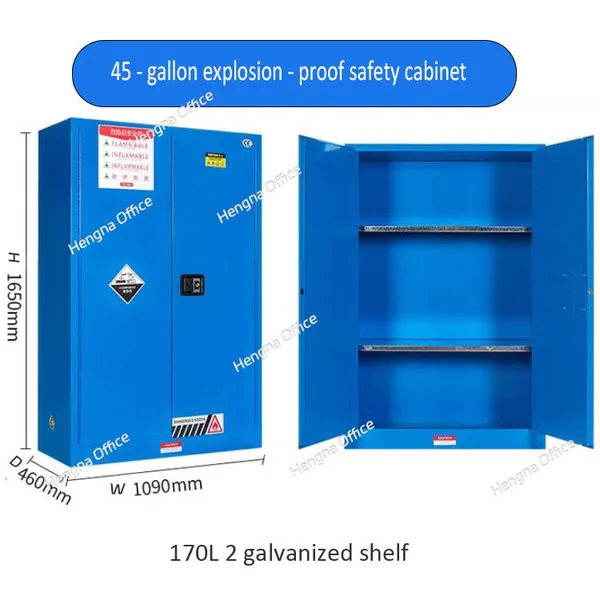
45 Gallon Explosion-Proof Flammable Liquid Storage Cabinet – Fire-Resistant Steel Safety Cabinet for FactoriesUS$ 68 - 400MOQ: 2 Combos
-
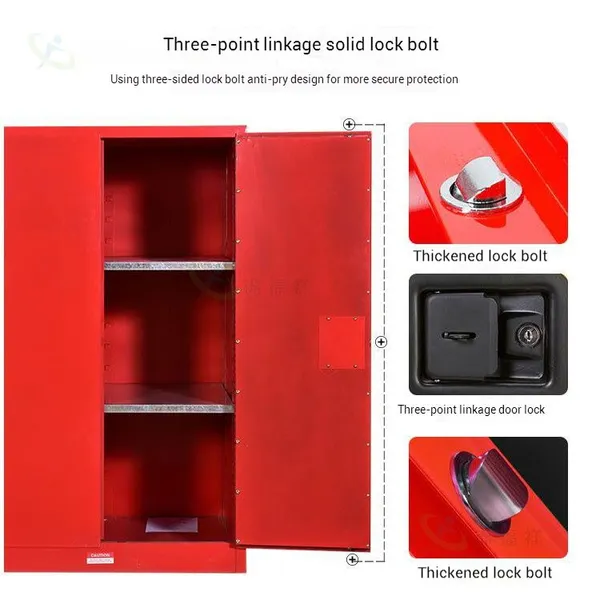
Flammable Storage Cabinet for Flammable Liquids – OSHA Certified Safety Cabinet With Fireproof Double WallsUS$ 68 - 400MOQ: 2 Combos
-
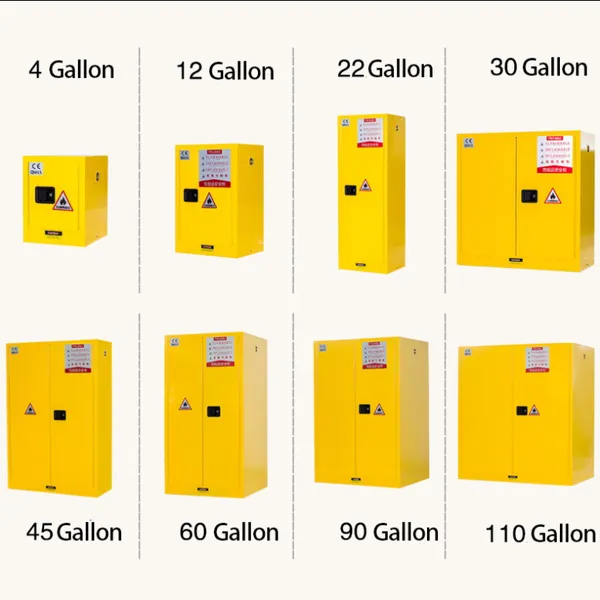
Large Capacity Flammable Liquid Storage Cabinet – Explosion-Proof Safety Cabinet for Laboratory & Workshop UseUS$ 68 - 400MOQ: 2 Combos
-
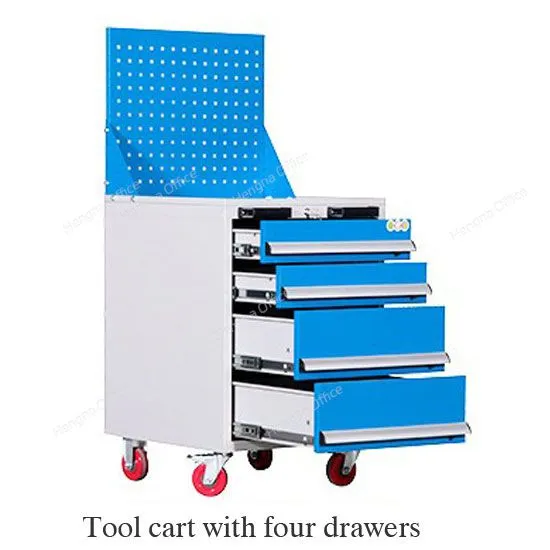
Heavy Duty Steel Tool Cart With Drawers for Workshops|Hengna OfficeUS$ 99 - 269MOQ: 2 Cases
-
Wholesale 3-Drawer Tool Trolley With Wheels for Factory and Garage StorageUS$ 99 - 269MOQ: 2 Cases
-
HN-wlj160 Industrial Rolling Tool Organizer With Pegboard|All-in-One Mobile Tool Storage CartUS$ 5 - 120MOQ: 2 Cases
-
White Stackable Pathology Wax Block Storage Drawers for Labs Near London-Hengna OfficeNegotiableMOQ: 10 Pieces
-
Custom Paraffin Block Storage Cabinet for Histology Laboratories – Factory Direct From Hengna FurnitureNegotiableMOQ: 10 Pieces
-
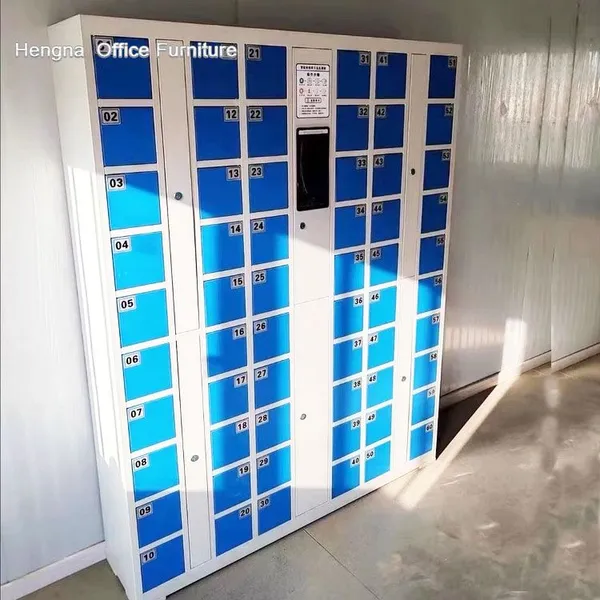
Smart Phone Charging Locker 40-door|Fingerprint Lockers Intelligent Parcel Delivery CabinetUS$ 203 - 750MOQ: 15 Pieces
-
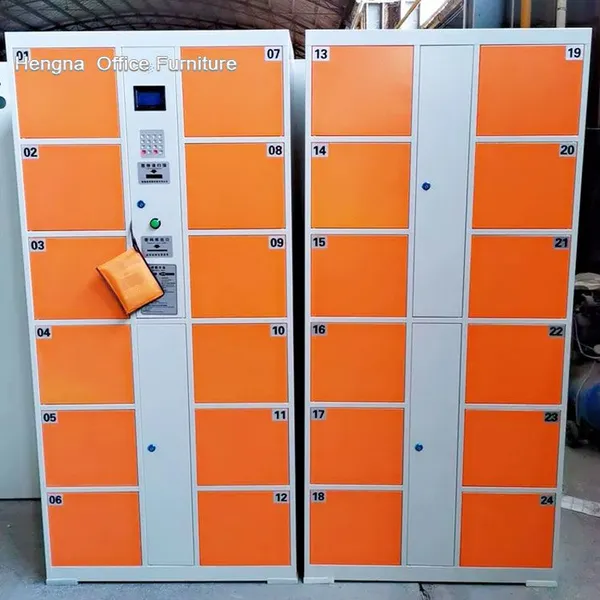
School Gym Lockers Price |Parcel Delivery Storage Locker 12-door FactoryUS$ 203 - 750MOQ: 15 Pieces
-
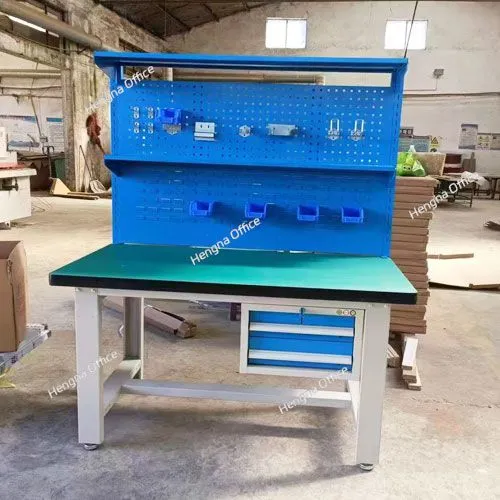
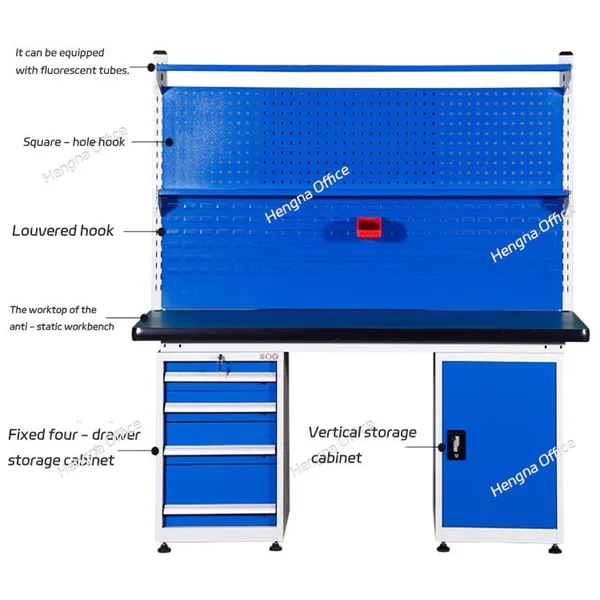
Multi Metal Work Benches Electrical Workshop Workbench|US$ 300 - 800MOQ: 2 Cases
-
Commercial Workbench Supplier |Multi Metal Work Bench With Drawers OMDUS$ 300 - 800MOQ: 2 Cases
-
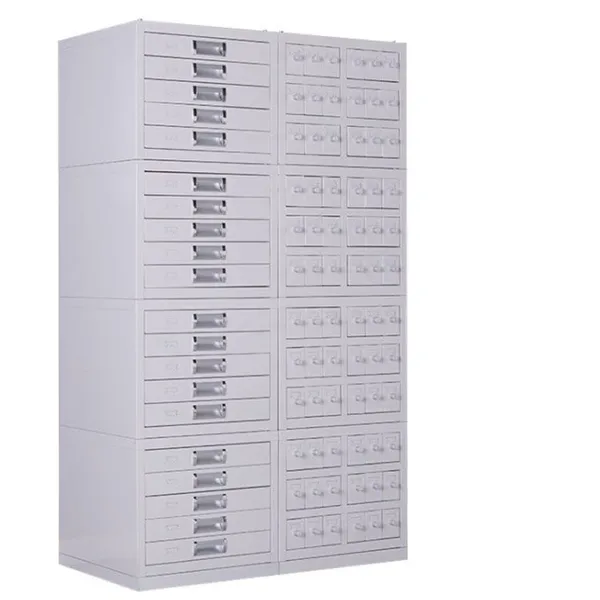
Pathological Ection Cabinet JTGZ062 Wax Block Cabinet for LaboratoryNegotiableMOQ: 10 Pieces
-
Durable Tool Storage in Factory HNGJ703 Hard Wearing Metal Industrial Tool ChestNegotiableMOQ: 18 Pieces
-
High - Quality CNC Workshop Tool Cabinet Heavyweight Workshop Tool OrganizerNegotiableMOQ: 10 Pieces
-
Laboratory Polyethylene Acid and Corrosive Chemicals Safety Storage PP CabinetUS$ 340 - 600MOQ: 5 Combos
-
22 Gallons /80 L PP Acid - Base Cabinet: Safeguard Chemical Storage Supplier OEMUS$ 500 - 600MOQ: 5 Combos
-
4 - Gallon Corrosion-resistant Safety Cabinet for Hazardous Chemicals Acid SupplierUS$ 340 - 500MOQ: 5 Combos