
 Business License
Durability and Design: The Top Benefits of Steel Bookshelves for Educational Institutions
The Critical Role of Storage Solutions in Educational Environments
Educational institutions face unique challenges when it comes to selecting appropriate furniture and storage solutions. From bustling elementary school classrooms to university libraries and research facilities, the demand for durable, functional, and aesthetically pleasing storage options has never been greater. Steel bookshelves have emerged as the superior choice for educational environments, offering an unparalleled combination of strength, versatility, and value that traditional wooden alternatives simply cannot match. This comprehensive exploration delves into why steel bookshelves represent the smart investment for schools, colleges, and universities seeking storage solutions that withstand the test of time and heavy daily use.
Unmatched Durability for High-Traffic Educational Settings
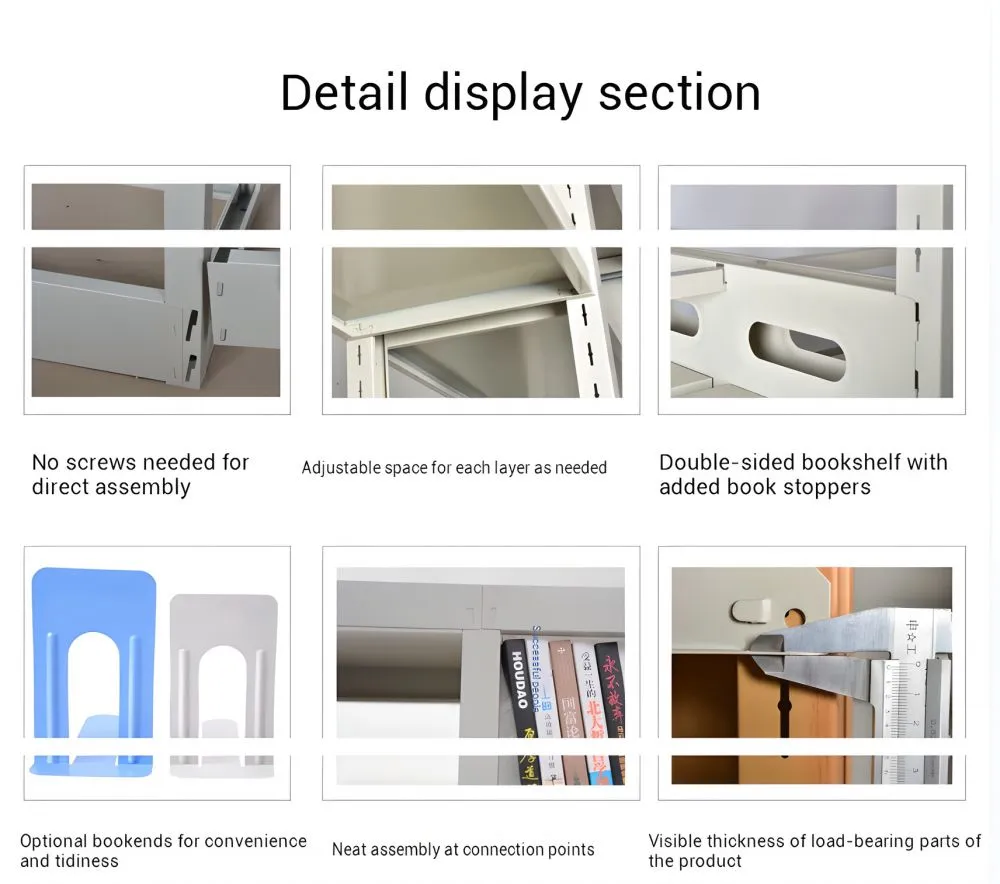
The foremost advantage of steel bookshelves in educational institutions lies in their exceptional durability and structural integrity. Classrooms, libraries, and study areas experience constant foot traffic, frequent handling of materials, and occasional accidental impacts that would quickly damage lesser-quality furniture. Steel construction provides the resilience necessary to maintain functionality and appearance despite these daily challenges.
Unlike wooden alternatives that may warp, crack, or splinter under stress, steel bookshelves maintain their structural integrity even when supporting hundreds of pounds of textbooks, reference materials, and educational resources. This robust construction ensures that educational institutions avoid the frequent replacement costs and safety hazards associated with inferior shelving options.
Steel’s resistance to environmental factors further enhances its suitability for educational settings. These shelves won’t absorb moisture, preventing the mold and mildew growth that commonly affects wooden furniture in humid climates or near water sources. Additionally, steel bookshelves resist insect damage, rot, and decay, ensuring consistent performance regardless of environmental conditions or cleaning protocols.
Design Flexibility and Customization Options
Modern steel bookshelves offer remarkable design versatility that allows educational institutions to create storage solutions tailored to their specific needs and aesthetic preferences. Available in various configurations, finishes, and styles, these shelving units can complement any educational environment while maintaining their functional advantages.
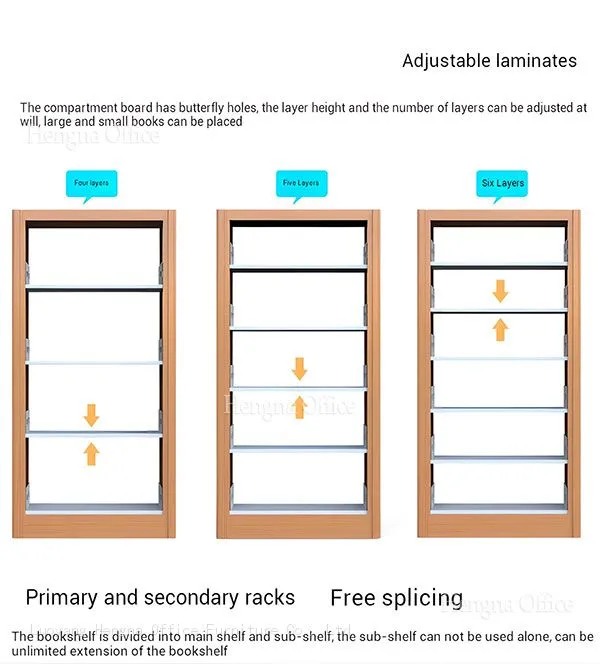
Manufacturers provide extensive customization options including adjustable shelf heights, modular designs that can be expanded or reconfigured, and specialized accessories such as lockable compartments, integrated labeling systems, and mobile bases for easy relocation. This adaptability ensures that schools can create storage solutions that evolve with their changing needs without requiring complete replacement.
The aesthetic appeal of steel bookshelves has evolved significantly from the industrial-looking units of the past. Contemporary designs feature smooth finishes, rounded edges, and color options that range from traditional neutrals to vibrant hues that can enhance classroom environments and create engaging learning spaces. This design flexibility allows educational institutions to maintain professional appearances while supporting their educational missions.
Superior Cost-Effectiveness and Long-Term Value
Educational institutions operate under tight budget constraints and must justify every expenditure through careful cost-benefit analysis. Steel bookshelves excel in this regard, offering exceptional long-term value that extends far beyond their initial purchase price. While the upfront investment may exceed that of cheaper alternatives, the extended lifespan of steel shelving—often lasting decades with minimal maintenance—delivers substantial savings over time.
Consider the lifecycle cost analysis: wooden bookshelves in educational settings typically require replacement every 5-10 years due to wear and damage, while steel units can easily last 20-30 years or more. This longevity translates to significant savings in replacement costs, labor expenses for installation, and minimized disruption to educational activities during replacements.
Furthermore, steel bookshelves maintain their appearance and functionality throughout their lifespan, preserving the professional atmosphere of educational environments. This consistent presentation supports institutional image and creates stable, reliable learning spaces for students and faculty alike.
Enhanced Safety Features for Student Protection
Student safety represents a paramount concern for educational institutions, making steel bookshelves the logical choice for compliance with safety regulations and best practices. These units typically feature welded construction and reinforced joints that meet or exceed industry safety standards, including requirements set by educational authorities and safety organizations.
Steel bookshelves often incorporate crucial safety features such as:
Reinforced back panels that prevent books and materials from falling
Rounded edges and corners to minimize injury risks during student activities
Anti-tip mechanisms that secure units to walls, preventing dangerous tipping incidents
Leveling feet that ensure stability on uneven flooring surfaces common in older school buildings
Fire safety represents another critical advantage of steel shelving in educational settings. Unlike wooden alternatives that can fuel fires and release toxic smoke, steel bookshelves are non-combustible and can help contain flames, providing valuable time for student evacuation and emergency response. This fire resistance makes them particularly valuable in libraries, laboratories, and classrooms where safety is paramount.
Low Maintenance Requirements and Hygienic Benefits
Educational institutions value solutions that minimize maintenance demands, allowing staff to focus on educational rather than facility upkeep. Steel bookshelves excel in this regard, requiring minimal maintenance while maintaining their appearance and functionality. Their smooth, non-porous surfaces resist dust accumulation and can be cleaned quickly with basic cleaning solutions, reducing labor costs and ensuring consistently professional appearances.
The hygienic properties of steel bookshelves make them especially valuable in educational settings where cleanliness and disease prevention are crucial. Unlike porous materials that can harbor bacteria and pathogens, steel surfaces can be thoroughly sanitized, supporting infection control protocols and maintaining healthier environments for students and staff.
Regular maintenance typically involves simple cleaning routines and occasional inspections for loose components. The absence of specialized maintenance requirements reduces operational complexity and associated costs, allowing educational institutions to allocate resources to core educational activities rather than constant facility upkeep.
Environmental Sustainability and Educational Responsibility
As environmental consciousness becomes increasingly integrated into educational curricula and institutional values, steel bookshelves present compelling sustainability advantages that align with green initiatives. Steel is one of the most recycled materials globally, with recycling rates exceeding 90% in many regions. This means that when steel bookshelves eventually reach the end of their lifespan, they can be completely recycled rather than contributing to landfill waste.
The manufacturing process for steel shelving has also become increasingly efficient, with many manufacturers implementing sustainable practices such as using recycled steel content, reducing energy consumption, and minimizing waste generation. These environmental considerations align with institutional sustainability goals and demonstrate environmental responsibility to students, parents, and community stakeholders.
Furthermore, the longevity of steel bookshelves reduces resource consumption over time. By eliminating the need for frequent replacements, educational institutions minimize their overall environmental footprint associated with manufacturing, transportation, and disposal cycles. This sustainability aspect can be incorporated into educational programs, teaching students about responsible resource management through real-world examples.
Supporting Educational Activities and Learning Environments
Beyond their practical storage benefits, steel bookshelves contribute significantly to creating effective learning environments that support various educational activities. In classrooms, these shelving units can organize educational materials by subject, reading level, or activity type, making resources easily accessible to both teachers and students.
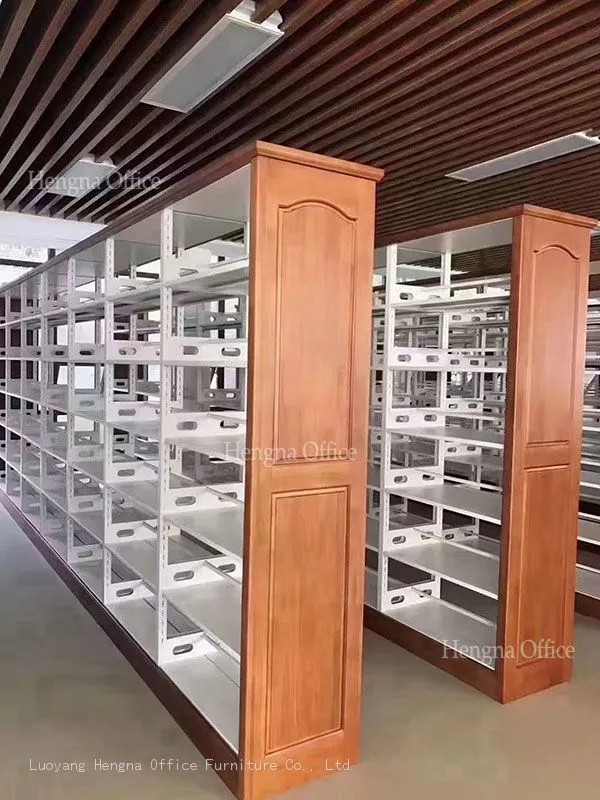
Library settings benefit particularly from steel bookshelves’ ability to support heavy loads of reference materials and accommodate various book sizes while maintaining organized displays that encourage browsing and discovery. The durability of steel construction ensures that library collections remain properly supported and accessible even after years of heavy use.
Study areas and research facilities utilize steel bookshelves to create organized resource centers that support academic success. The ability to customize shelf heights and configurations allows institutions to accommodate everything from oversized art books to specialized research materials, ensuring that all educational resources are properly stored and easily accessible.
Implementation Best Practices for Educational Institutions
When implementing steel bookshelves in educational settings, several factors warrant consideration to maximize their benefits and ensure successful integration. Proper installation is crucial for safety and performance, requiring professional assembly and secure anchoring to prevent tipping hazards, especially in areas frequented by young children.
Space planning should account for adequate aisle width and accessibility considerations, including compliance with Americans with Disabilities Act (ADA) requirements where applicable. Consider the weight distribution of stored materials and organize shelves accordingly, placing heavier items on lower shelves to maintain stability and prevent accidents.
Future growth projections should influence shelving selection, with modular systems offering the flexibility to expand as institutional needs evolve. Additionally, consider the specific requirements of different educational areas, such as climate-controlled environments for rare books or specialized storage for multimedia equipment.
Strategic Investment in Educational Excellence
Steel bookshelves represent far more than mere storage solutions—they are strategic investments in educational infrastructure that support teaching, learning, and institutional success. Their unparalleled durability, design flexibility, safety features, and cost-effectiveness make them the superior choice for educational institutions seeking storage solutions that withstand the demands of daily academic life.
As educational environments continue to evolve and face increasing challenges regarding space utilization, budget constraints, and safety requirements, steel bookshelves stand ready to meet these challenges while delivering consistent value over decades of use. For schools, colleges, and universities seeking storage solutions that combine strength, safety, and sophistication, steel bookshelves emerge as the clear winner in educational applications.
The decision to invest in steel bookshelves reflects a commitment to quality, safety, and long-term thinking—values that resonate throughout successful educational institutions. By choosing steel, schools position themselves for operational excellence while demonstrating environmental responsibility and creating optimal learning environments that support student achievement and institutional success.
Recently Posted
-
Stainless Steel Shelving for Breweries and Wineries — What Survives Humidity, Alcohol Spills
July 24, 2026Stainless Steel Shelving for Breweries and Wineries — What Survives Humidity, Alcohol Spills, and Sanitizer Washdowns Three t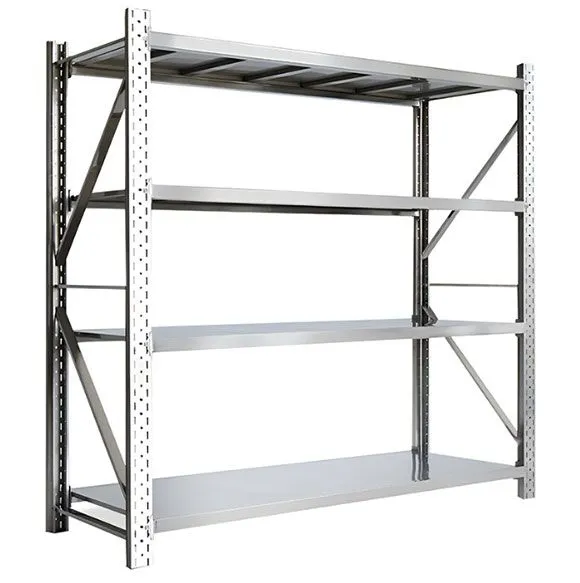 Read More
 -
Stainless Steel Shelving for Meat Processing Plants — What Holds Up Against Blood, Fat, and Daily Wa
July 24, 2026Meat plants are brutal on shelvingIf you work in a meat processing plant, you already know this. The rack that looked fine s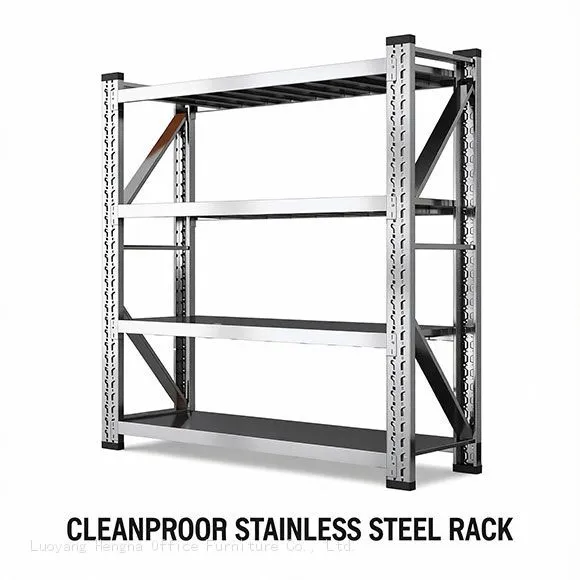 Read More
 -
0.6mm Steel Wardrobe vs 0.4mm — Why Cold-Rolled Single Door Metal Closet Lasts Longer
July 10, 2026The 0.2mm That Decides Whether You Buy One Wardrobe or ThreeTwo wardrobes look identical on a supplier's photo. Same door, sam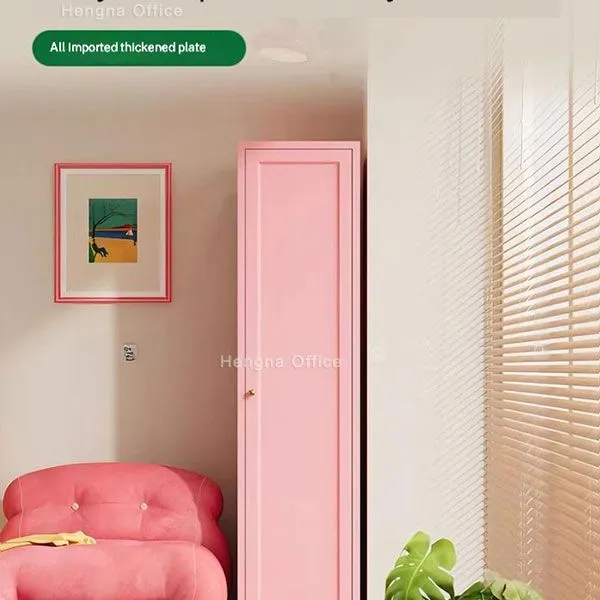 Read More
 -
Heavy Duty Tool Cabinet with Locks for School Shop: Stop Tool Theft Before It Happens
July 9, 2026A vocational school workshop isn't like a factory floor. The tools aren't being used by seasoned machinists who know where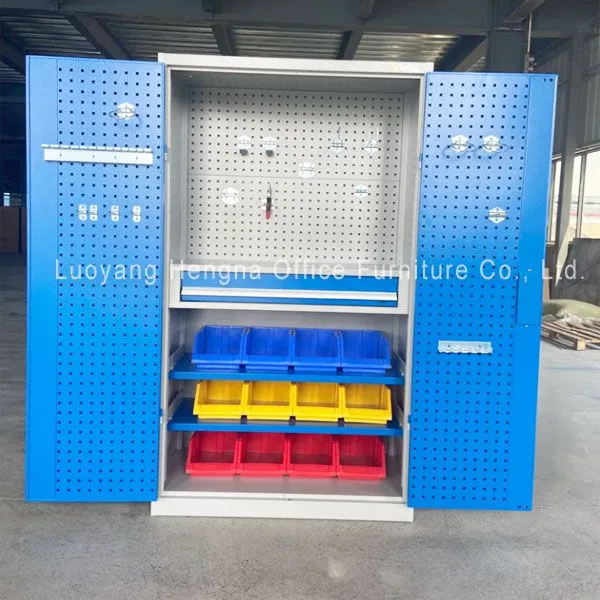 Read More

Contact Us
Recommended Products
-
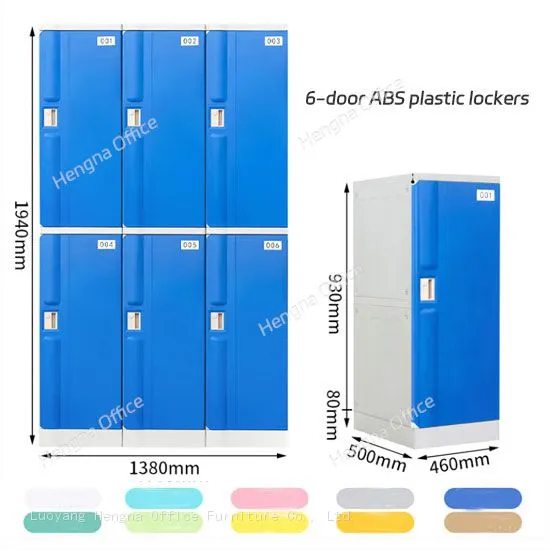
 Industrial-Grade ABS Plastic Locker for Factory Staff and Warehouse Workers|Hengna OfficeUS$ 19 - 100MOQ: 5 Sets
 -
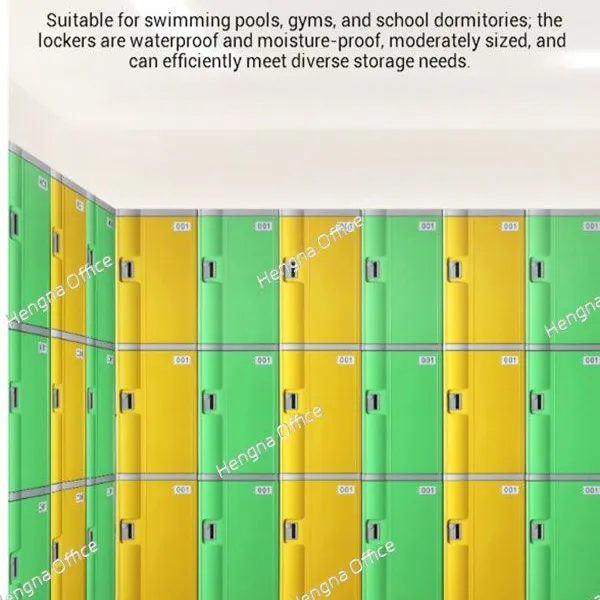
Outdoor ABS Locker Cabinet – UV-Resistant Plastic Storage for Poolside or Beach Resorts-Hengna OfficeUS$ 19 - 100MOQ: 5 Sets
-
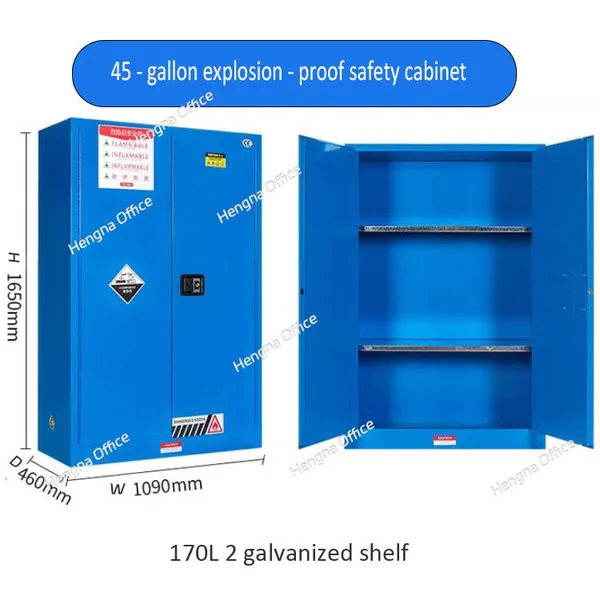
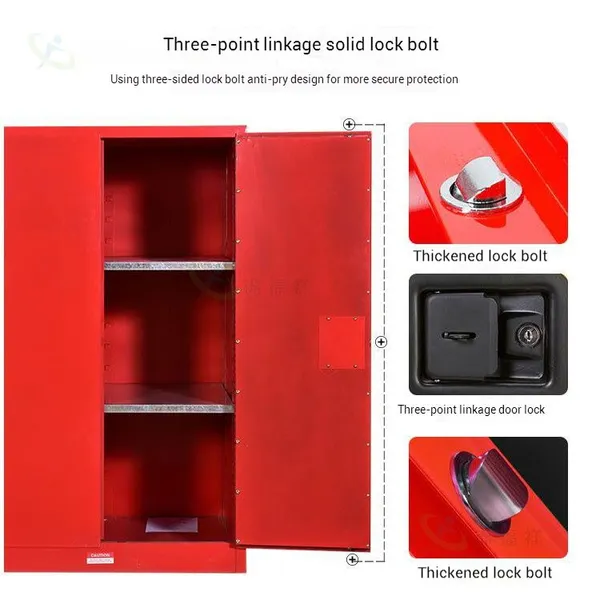
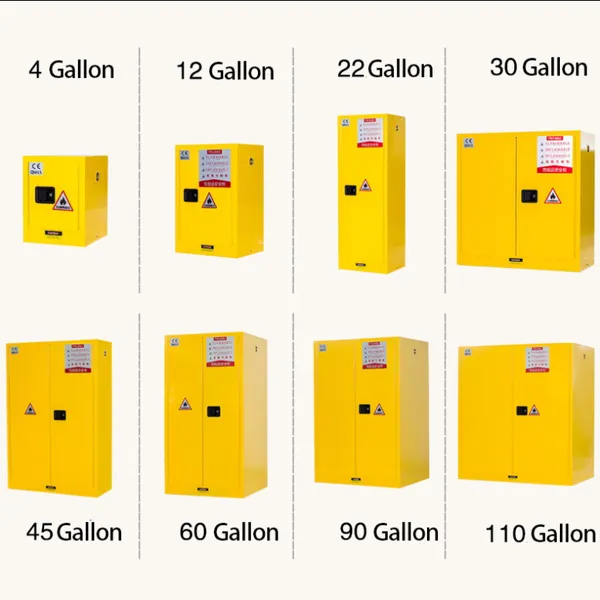
45 Gallon Explosion-Proof Flammable Liquid Storage Cabinet – Fire-Resistant Steel Safety Cabinet for FactoriesUS$ 68 - 400MOQ: 2 Combos
-
Flammable Storage Cabinet for Flammable Liquids – OSHA Certified Safety Cabinet With Fireproof Double WallsUS$ 68 - 400MOQ: 2 Combos
-
Large Capacity Flammable Liquid Storage Cabinet – Explosion-Proof Safety Cabinet for Laboratory & Workshop UseUS$ 68 - 400MOQ: 2 Combos
-
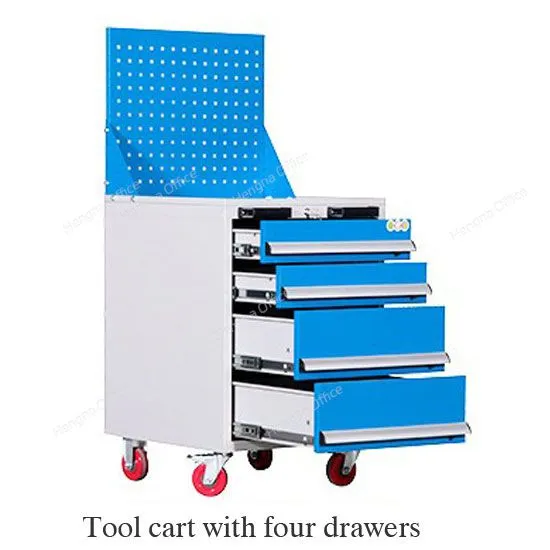
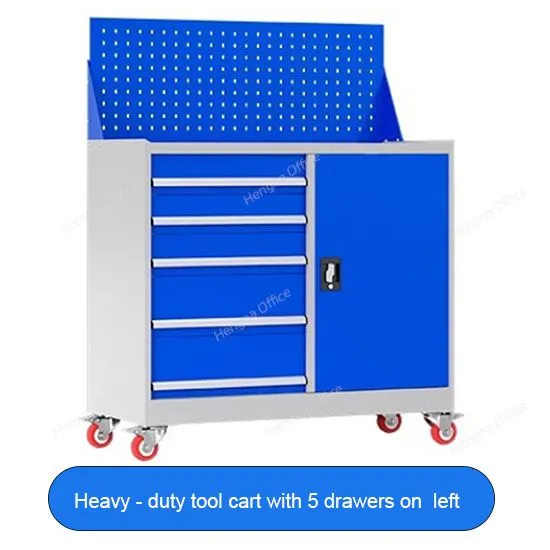
Heavy Duty Steel Tool Cart With Drawers for Workshops|Hengna OfficeUS$ 99 - 269MOQ: 2 Cases
-
Wholesale 3-Drawer Tool Trolley With Wheels for Factory and Garage StorageUS$ 99 - 269MOQ: 2 Cases
-
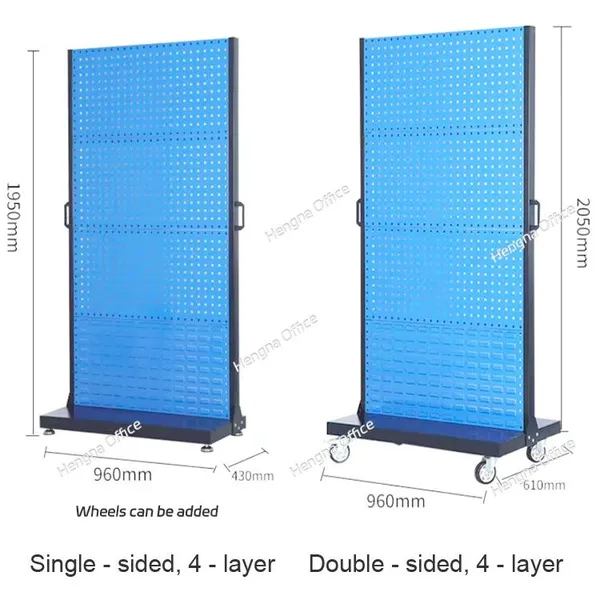
HN-wlj160 Industrial Rolling Tool Organizer With Pegboard|All-in-One Mobile Tool Storage CartUS$ 5 - 120MOQ: 2 Cases
-
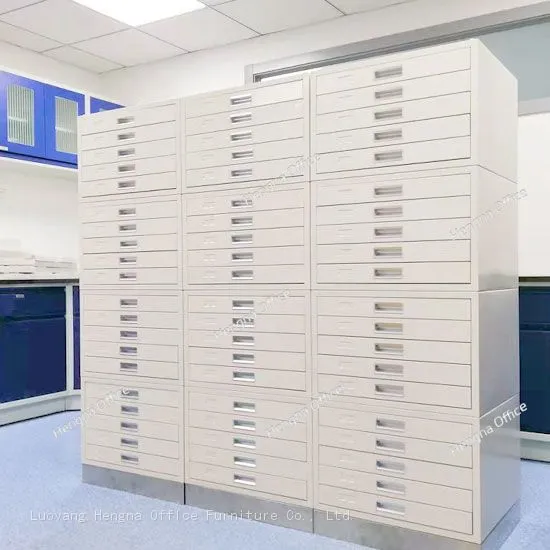
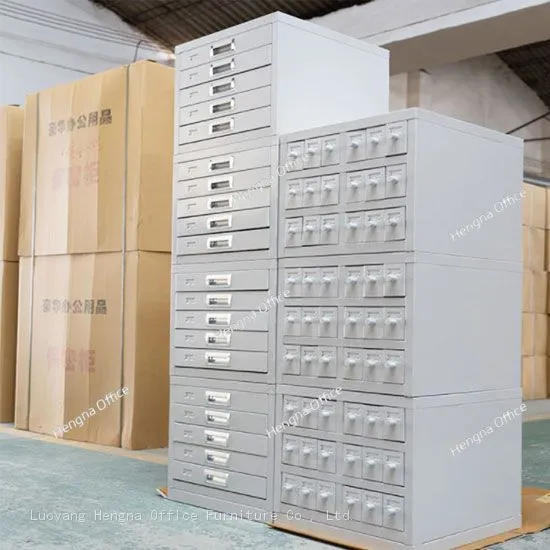
White Stackable Pathology Wax Block Storage Drawers for Labs Near London-Hengna OfficeNegotiableMOQ: 10 Pieces
-
Custom Paraffin Block Storage Cabinet for Histology Laboratories – Factory Direct From Hengna FurnitureNegotiableMOQ: 10 Pieces
-
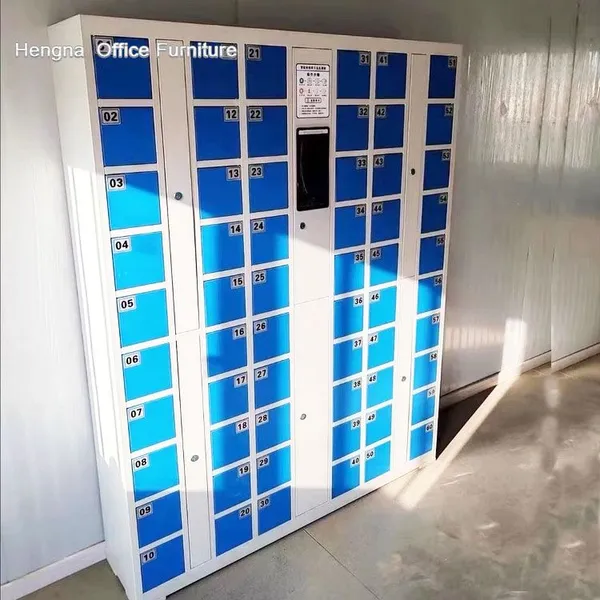
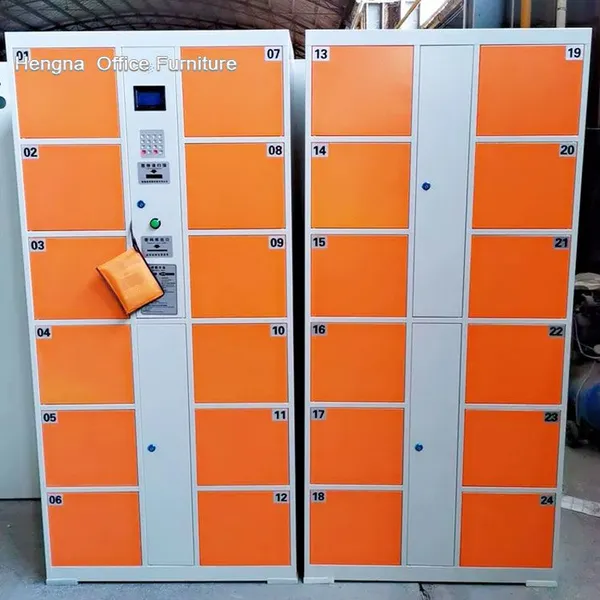
Smart Phone Charging Locker 40-door|Fingerprint Lockers Intelligent Parcel Delivery CabinetUS$ 203 - 750MOQ: 15 Pieces
-
School Gym Lockers Price |Parcel Delivery Storage Locker 12-door FactoryUS$ 203 - 750MOQ: 15 Pieces
-
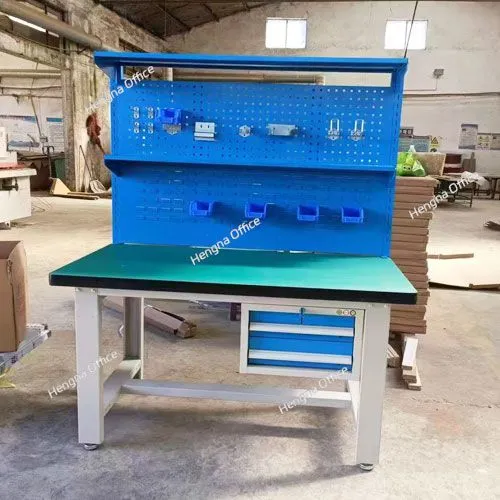
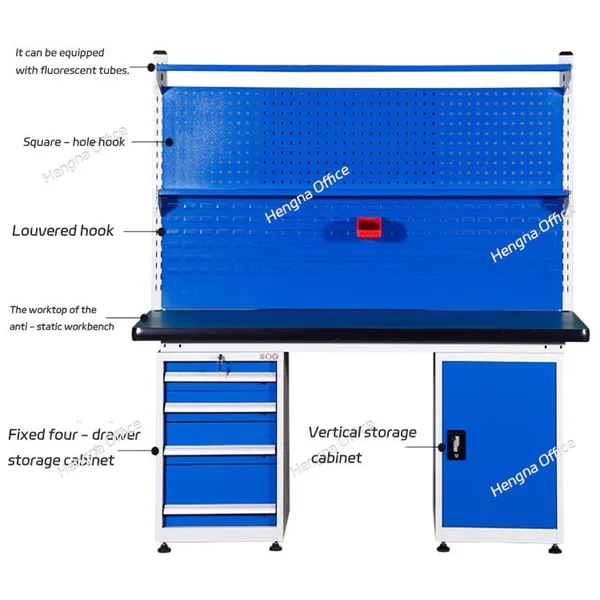
Multi Metal Work Benches Electrical Workshop Workbench|US$ 300 - 800MOQ: 2 Cases
-
Commercial Workbench Supplier |Multi Metal Work Bench With Drawers OMDUS$ 300 - 800MOQ: 2 Cases
-
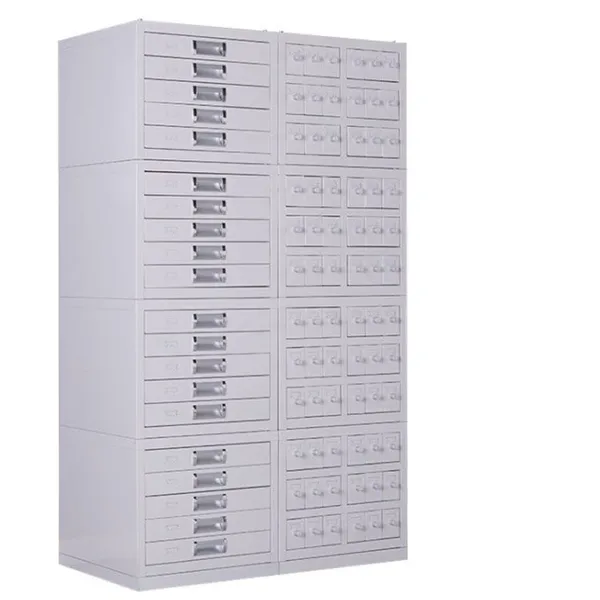
Pathological Ection Cabinet JTGZ062 Wax Block Cabinet for LaboratoryNegotiableMOQ: 10 Pieces
-
Durable Tool Storage in Factory HNGJ703 Hard Wearing Metal Industrial Tool ChestNegotiableMOQ: 18 Pieces
-
High - Quality CNC Workshop Tool Cabinet Heavyweight Workshop Tool OrganizerNegotiableMOQ: 10 Pieces
-
Laboratory Polyethylene Acid and Corrosive Chemicals Safety Storage PP CabinetUS$ 340 - 600MOQ: 5 Combos
-
22 Gallons /80 L PP Acid - Base Cabinet: Safeguard Chemical Storage Supplier OEMUS$ 500 - 600MOQ: 5 Combos
-
4 - Gallon Corrosion-resistant Safety Cabinet for Hazardous Chemicals Acid SupplierUS$ 340 - 500MOQ: 5 Combos