
 Business License

How to Organize Your Books: A Guide to Modern Shelving Solutions
Introduction:
Organizing your books can seem like a daunting task, especially if you have a large collection. However, with the right shelving solutions and organizational methods, you can create a system that keeps your books neat and easily accessible. Here’s a guide to modern shelving solutions that will help you organize your books effectively.
1. Categorize by Genre or Theme:
One of the most common ways to organize books is by genre. Whether it’s fiction, non-fiction, or by specific themes like mystery, history, or self-help, categorizing books makes it easy to locate them when needed. This system works well for personal libraries, home offices, and small apartments.
2. Alphabetical Order:
Another effective organizational system is sorting books alphabetically by author or title. This method is ideal for those who enjoy a more systematic, easy-to-navigate library. Alphabetical order can be combined with other methods, such as categorizing by genre, for even greater clarity.
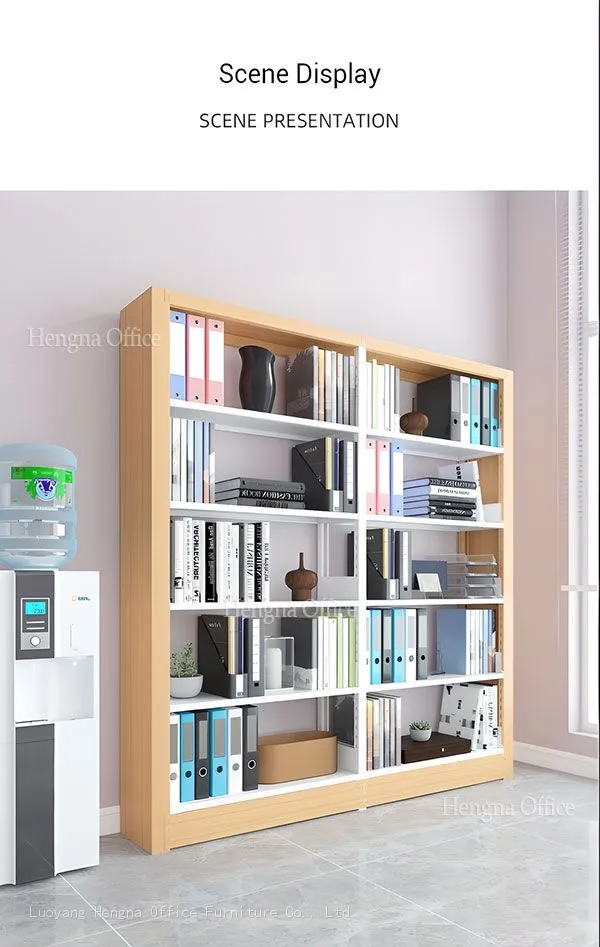
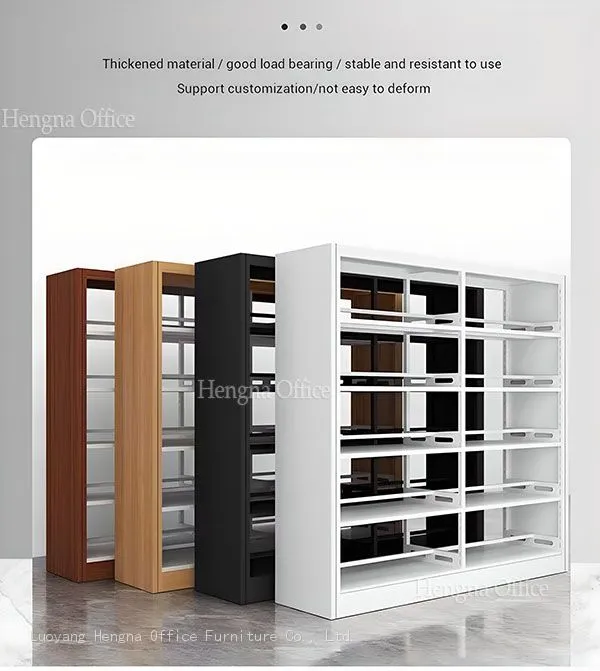
3. Color-Coded Shelves:
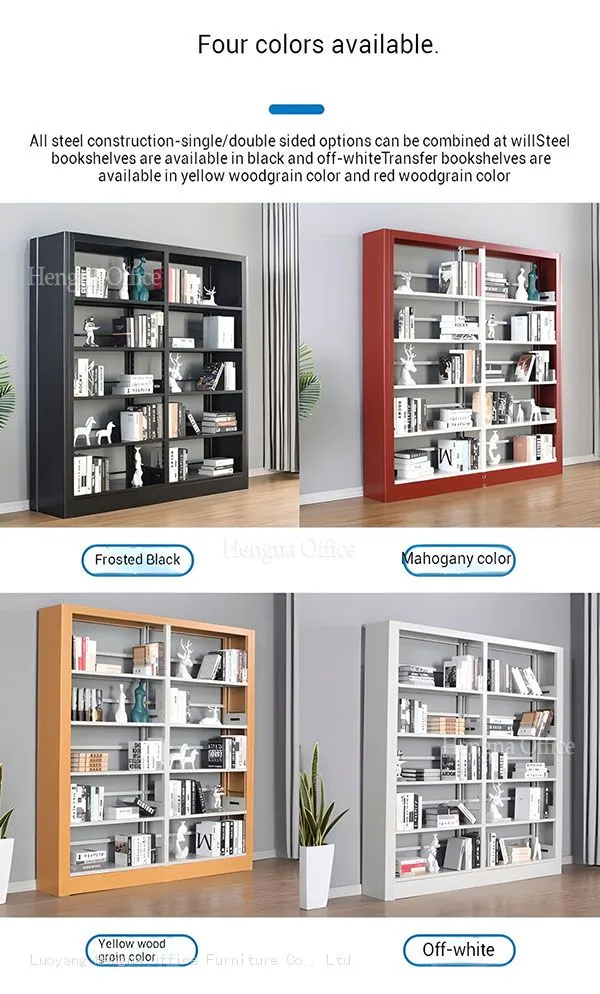
If you prefer a more visually appealing bookshelf, consider organizing books by color. Color-coding creates a unique aesthetic and adds vibrancy to your space. While this may not be the most practical method for everyone, it can be a fun way to organize books in a way that aligns with your home decor.
4. Display Your Favorites:
Select a few of your most cherished books to display prominently on your shelves. These can be placed in the center or on special floating shelves, making them easy to access while also showcasing your personal style.
5. Use Modular Shelving for Flexibility:
Modular shelving units offer the flexibility to organize your books in various configurations. These units can be expanded or rearranged to fit your space as needed. They are ideal for growing collections and allow you to modify the layout as your needs change.
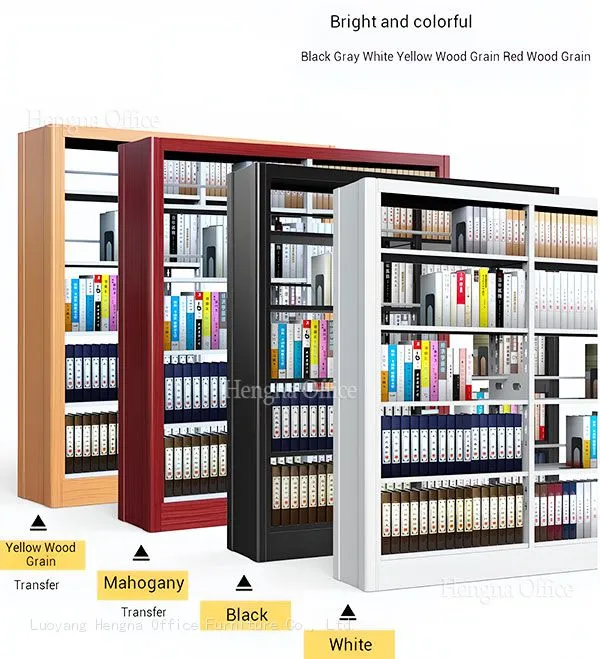
6. Store Books Horizontally:
For a more unique approach, consider stacking books horizontally instead of vertically. This works well for books that are too large or heavy to stand upright. Horizontal storage also offers more surface space for displaying decorative items alongside your books.
7. Maximize Vertical Space:
When space is limited, vertical shelving can help you store more books without taking up too much floor area. Tall shelves or tower units that stretch up to the ceiling are great for maximizing storage in small spaces.
Conclusion:
Organizing your books doesn’t have to be a chore. By choosing the right shelving solutions and sorting methods, you can create a functional, attractive, and easy-to-navigate library. Whether you prefer a simple, minimalist design or a creative, aesthetic approach, there’s a shelving solution for every book lover.

Recently Posted
-
Stainless Steel Shelving for Breweries and Wineries — What Survives Humidity, Alcohol Spills
July 24, 2026Stainless Steel Shelving for Breweries and Wineries — What Survives Humidity, Alcohol Spills, and Sanitizer Washdowns Three t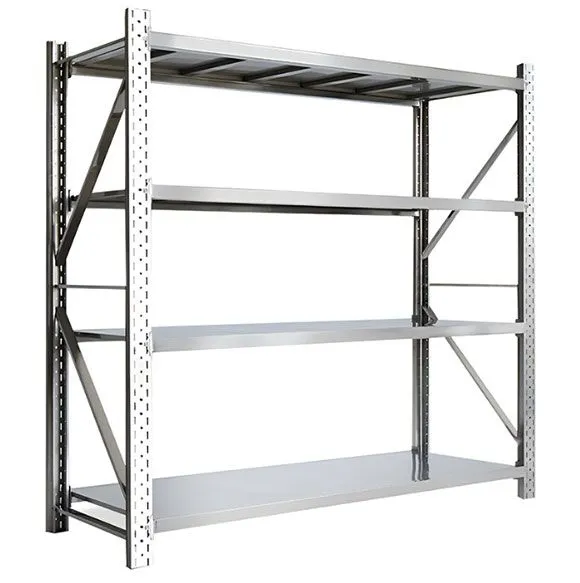 Read More
 -
Stainless Steel Shelving for Meat Processing Plants — What Holds Up Against Blood, Fat, and Daily Wa
July 24, 2026Meat plants are brutal on shelvingIf you work in a meat processing plant, you already know this. The rack that looked fine s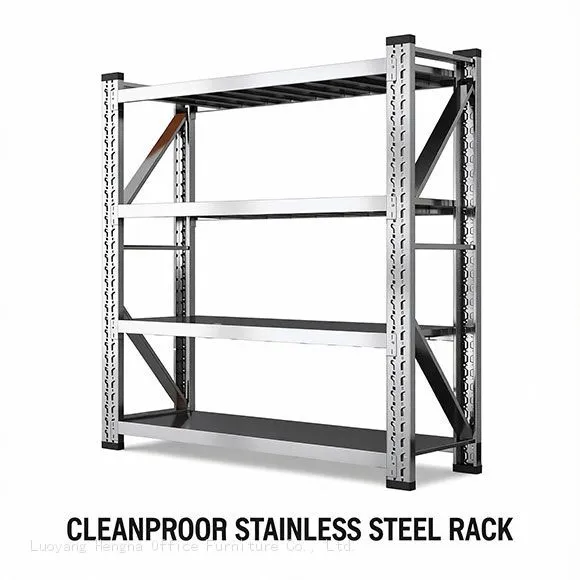 Read More
 -
0.6mm Steel Wardrobe vs 0.4mm — Why Cold-Rolled Single Door Metal Closet Lasts Longer
July 10, 2026The 0.2mm That Decides Whether You Buy One Wardrobe or ThreeTwo wardrobes look identical on a supplier's photo. Same door, sam Read More
 -
Heavy Duty Tool Cabinet with Locks for School Shop: Stop Tool Theft Before It Happens
July 9, 2026A vocational school workshop isn't like a factory floor. The tools aren't being used by seasoned machinists who know where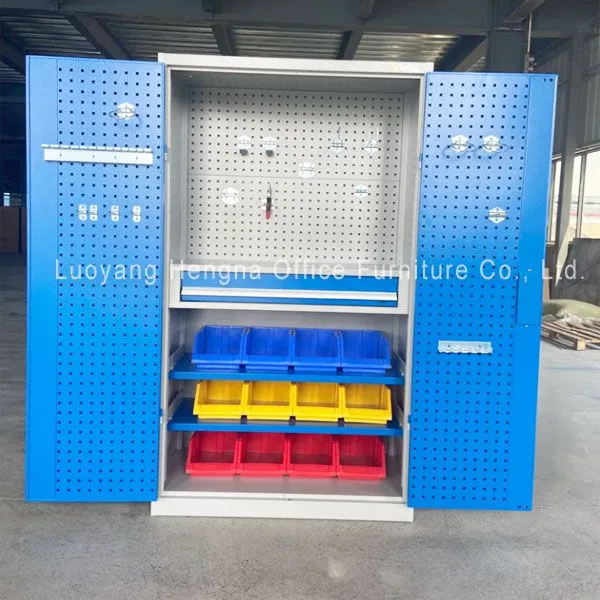 Read More

Contact Us
Recommended Products
-
 Industrial-Grade ABS Plastic Locker for Factory Staff and Warehouse Workers|Hengna OfficeUS$ 19 - 100MOQ: 5 Sets
 -
Outdoor ABS Locker Cabinet – UV-Resistant Plastic Storage for Poolside or Beach Resorts-Hengna OfficeUS$ 19 - 100MOQ: 5 Sets
-
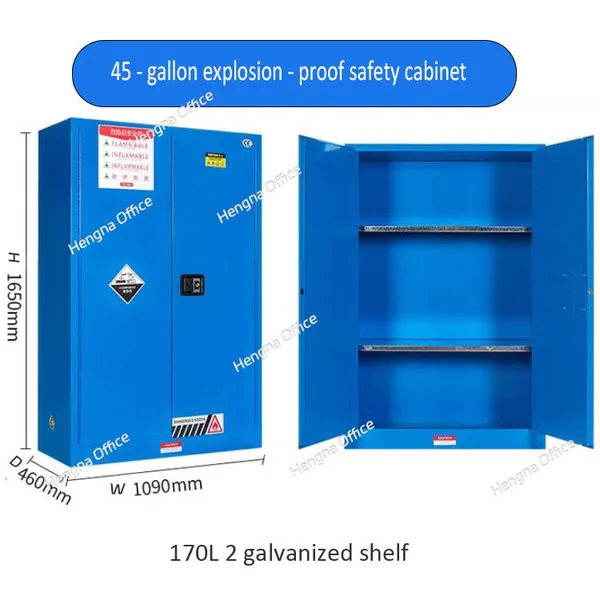
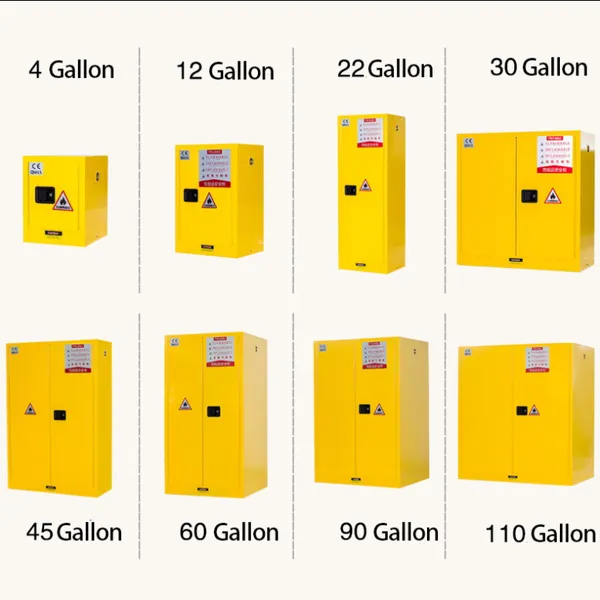
45 Gallon Explosion-Proof Flammable Liquid Storage Cabinet – Fire-Resistant Steel Safety Cabinet for FactoriesUS$ 68 - 400MOQ: 2 Combos
-
Flammable Storage Cabinet for Flammable Liquids – OSHA Certified Safety Cabinet With Fireproof Double WallsUS$ 68 - 400MOQ: 2 Combos
-
Large Capacity Flammable Liquid Storage Cabinet – Explosion-Proof Safety Cabinet for Laboratory & Workshop UseUS$ 68 - 400MOQ: 2 Combos
-
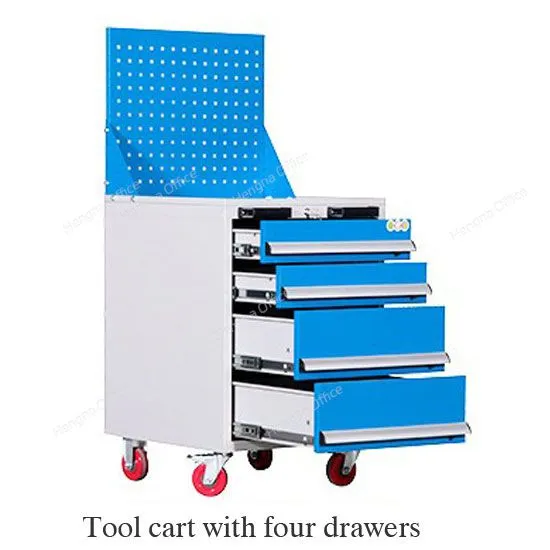
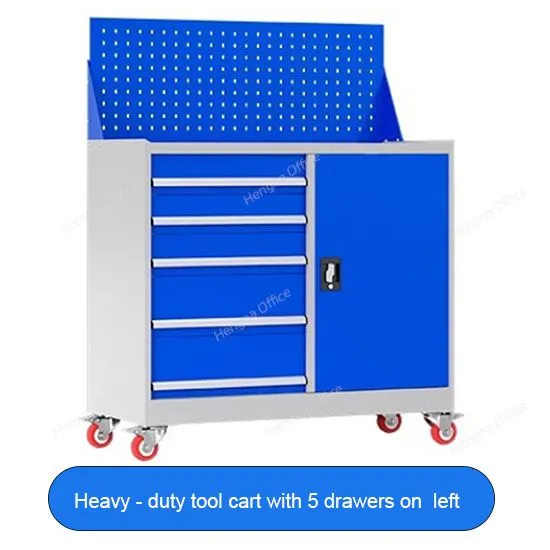
Heavy Duty Steel Tool Cart With Drawers for Workshops|Hengna OfficeUS$ 99 - 269MOQ: 2 Cases
-
Wholesale 3-Drawer Tool Trolley With Wheels for Factory and Garage StorageUS$ 99 - 269MOQ: 2 Cases
-
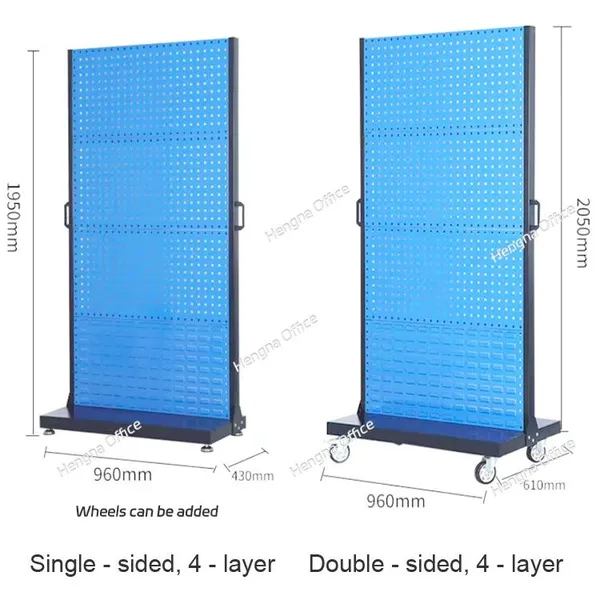
HN-wlj160 Industrial Rolling Tool Organizer With Pegboard|All-in-One Mobile Tool Storage CartUS$ 5 - 120MOQ: 2 Cases
-
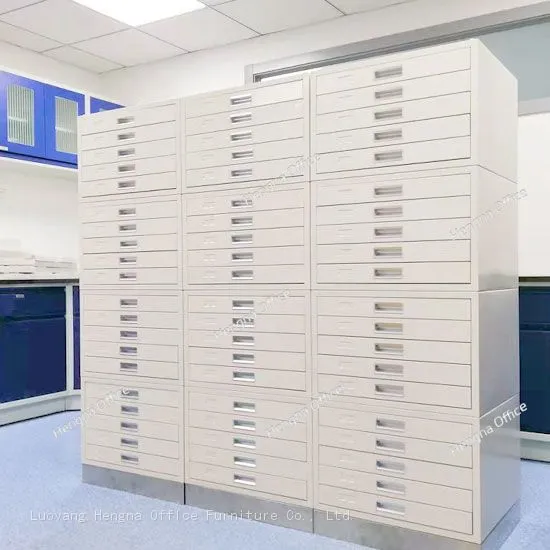
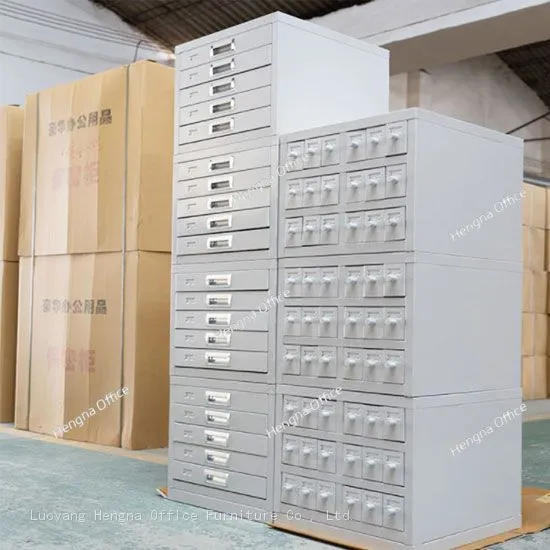
White Stackable Pathology Wax Block Storage Drawers for Labs Near London-Hengna OfficeNegotiableMOQ: 10 Pieces
-
Custom Paraffin Block Storage Cabinet for Histology Laboratories – Factory Direct From Hengna FurnitureNegotiableMOQ: 10 Pieces
-
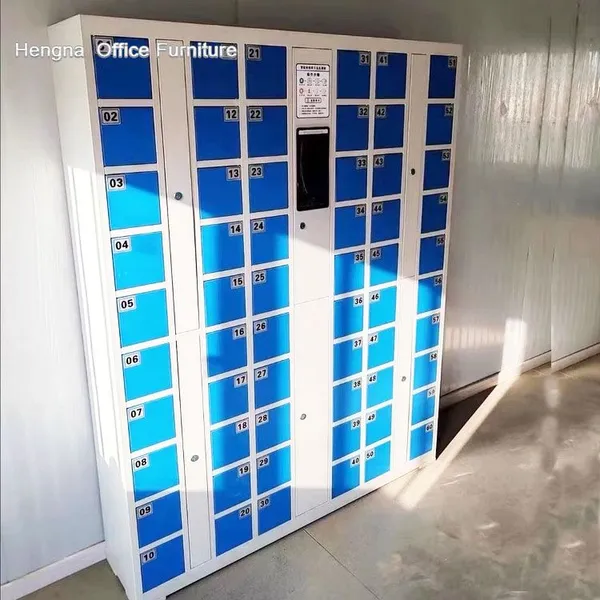
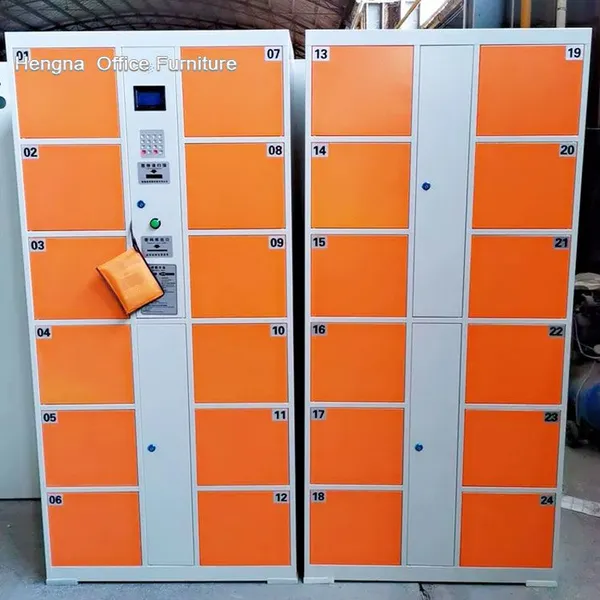
Smart Phone Charging Locker 40-door|Fingerprint Lockers Intelligent Parcel Delivery CabinetUS$ 203 - 750MOQ: 15 Pieces
-
School Gym Lockers Price |Parcel Delivery Storage Locker 12-door FactoryUS$ 203 - 750MOQ: 15 Pieces
-
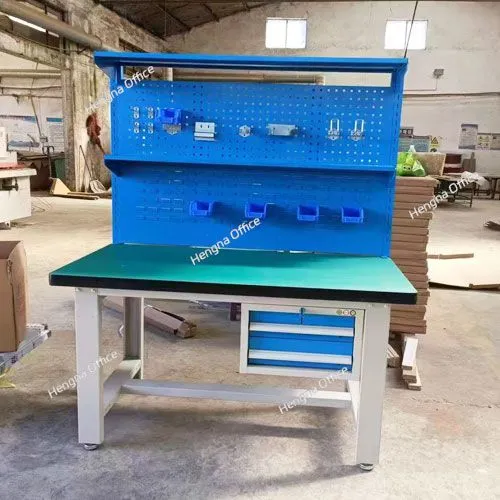
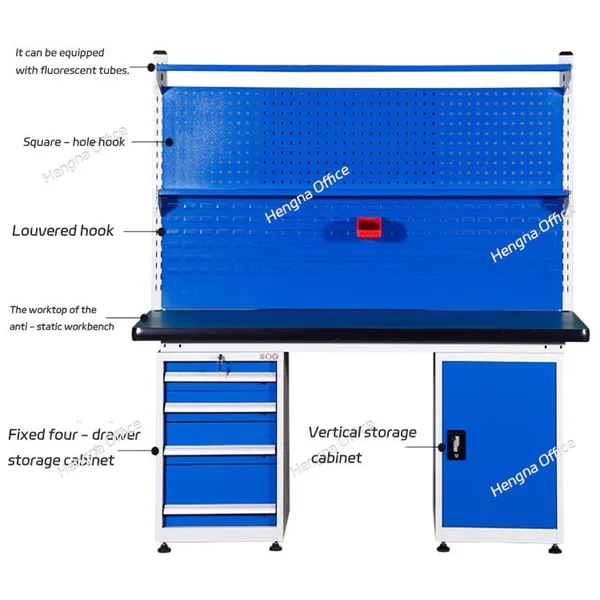
Multi Metal Work Benches Electrical Workshop Workbench|US$ 300 - 800MOQ: 2 Cases
-
Commercial Workbench Supplier |Multi Metal Work Bench With Drawers OMDUS$ 300 - 800MOQ: 2 Cases
-
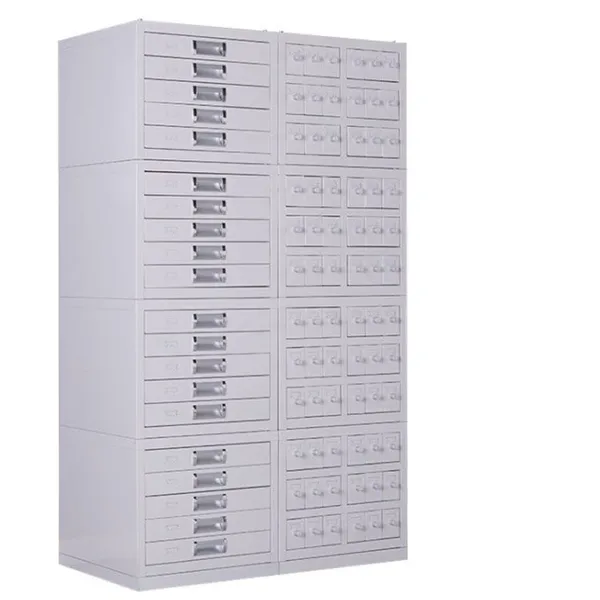
Pathological Ection Cabinet JTGZ062 Wax Block Cabinet for LaboratoryNegotiableMOQ: 10 Pieces
-
Durable Tool Storage in Factory HNGJ703 Hard Wearing Metal Industrial Tool ChestNegotiableMOQ: 18 Pieces
-
High - Quality CNC Workshop Tool Cabinet Heavyweight Workshop Tool OrganizerNegotiableMOQ: 10 Pieces
-
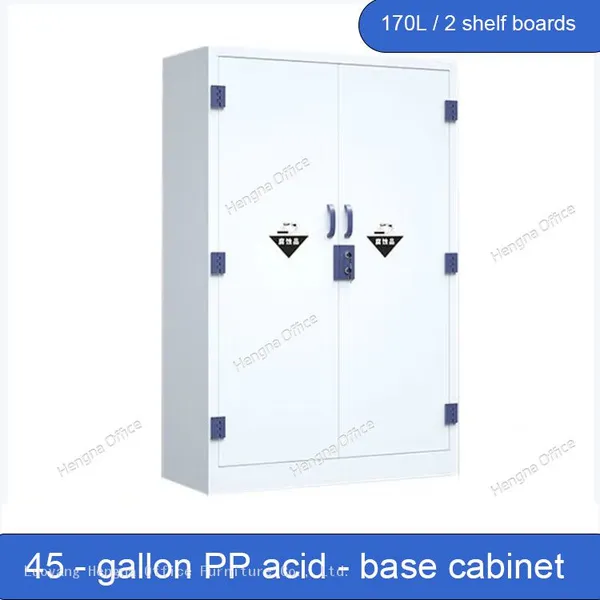
Laboratory Polyethylene Acid and Corrosive Chemicals Safety Storage PP CabinetUS$ 340 - 600MOQ: 5 Combos
-
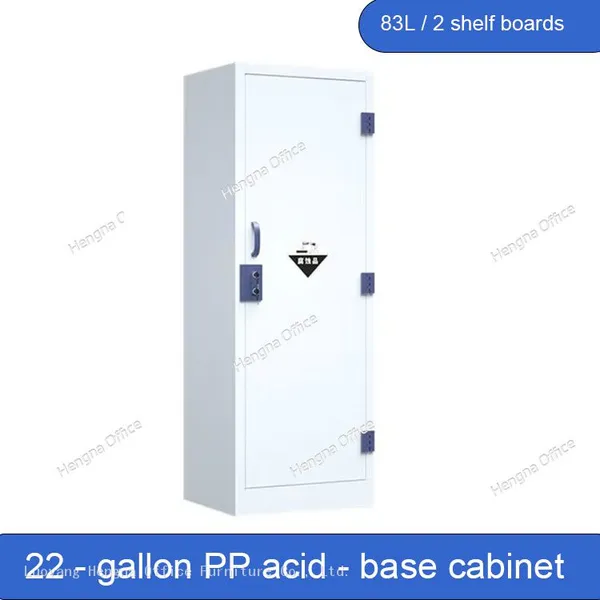
22 Gallons /80 L PP Acid - Base Cabinet: Safeguard Chemical Storage Supplier OEMUS$ 500 - 600MOQ: 5 Combos
-
4 - Gallon Corrosion-resistant Safety Cabinet for Hazardous Chemicals Acid SupplierUS$ 340 - 500MOQ: 5 Combos