
 Business License

The Ultimate Guide to Maintaining ABS Plastic Lockers: Cleaning, Care & Longevity Tips
Protecting Your Investment in Premium Storage Solutions
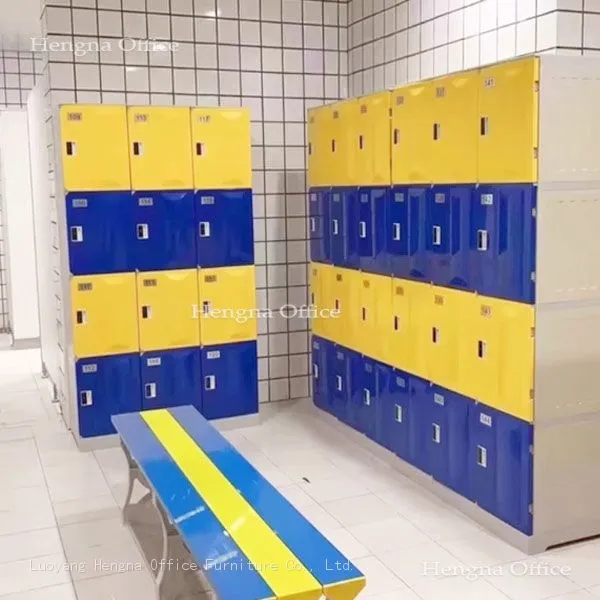
ABS plastic lockers represent a significant investment in durable, high-performance storage solutions that deliver exceptional longevity when properly maintained. Unlike traditional metal alternatives that require frequent painting, rust treatment, and hardware replacement, ABS lockers offer remarkable resilience with minimal upkeep. However, implementing a comprehensive maintenance regimen is essential to maximize their service life, preserve their appearance, and ensure optimal functionality throughout their extended lifespan. This ultimate guide provides facility managers, maintenance professionals, and locker users with detailed insights into proper cleaning techniques, preventive care strategies, and longevity-enhancing practices that will keep your ABS lockers performing flawlessly for decades.
Understanding ABS Material Properties for Effective Maintenance
Material Science Fundamentals
Before diving into maintenance procedures, it’s essential to understand the unique properties of ABS (Acrylonitrile Butadiene Styrene) that influence care requirements:
Non-Porous Surface Characteristics: ABS features a smooth, non-porous surface that resists bacterial penetration and facilitates easy cleaning
Chemical Resistance Properties: Advanced formulations withstand exposure to various cleaning agents and environmental chemicals
Impact-Absorbing Capabilities: The material’s flexibility allows it to absorb impacts without permanent deformation
UV-Stabilized Composition: Special additives prevent degradation from sunlight exposure in outdoor applications
Temperature Tolerance Range: Maintains structural integrity from -20°C to +80°C without compromising performance
Maintenance Impact on Longevity
Proper maintenance directly influences the service life and performance of ABS plastic lockers:
| Maintenance Factor | Poor Maintenance | Proper Maintenance | Lifespan Impact |
|---|---|---|---|
| Surface Integrity | Degradation, staining | Preserved appearance | +10 years |
| Mechanical Function | Stiff operation, failure | Smooth operation | +8 years |
| Structural Integrity | Crack development | Maintained strength | +12 years |
| Overall Service Life | 10-12 years | 20+ years | 100% increase |
Comprehensive Cleaning Protocols
Daily Maintenance Procedures
Implementing consistent daily cleaning routines prevents dirt accumulation and maintains optimal appearance:
Surface Wiping: Use microfiber cloths dampened with mild soap solution for daily surface cleaning
Hardware Inspection: Quick visual check of locks, hinges, and handles for proper operation
Ventilation Clearing: Ensure air vents remain unobstructed for proper air circulation
Spill Immediate Response: Promptly clean any spills to prevent staining or material damage
Weekly Deep Cleaning Schedule
More thorough weekly cleaning addresses accumulated dirt and maintains hygiene standards:
Complete Surface Cleaning: Use pH-neutral cleaning solutions with soft cloths or sponges
Hardware Cleaning: Clean and lubricate all moving parts with silicone-based lubricants
Interior Vacuuming: Remove loose debris from locker interiors using vacuum attachments
Seal Inspection: Check door seals and weatherstripping for integrity and proper fit
Monthly Comprehensive Maintenance
Monthly procedures address potential issues before they become problems:
Detailed Inspection: Thorough examination of all components for wear, damage, or deterioration
Hardware Tightening: Check and tighten all screws, bolts, and connection points
Lock Mechanism Testing: Verify all locking systems operate smoothly and securely
Documentation Review: Update maintenance logs and schedule any required professional service
Environment-Specific Maintenance Strategies
High-Humidity Environment Care
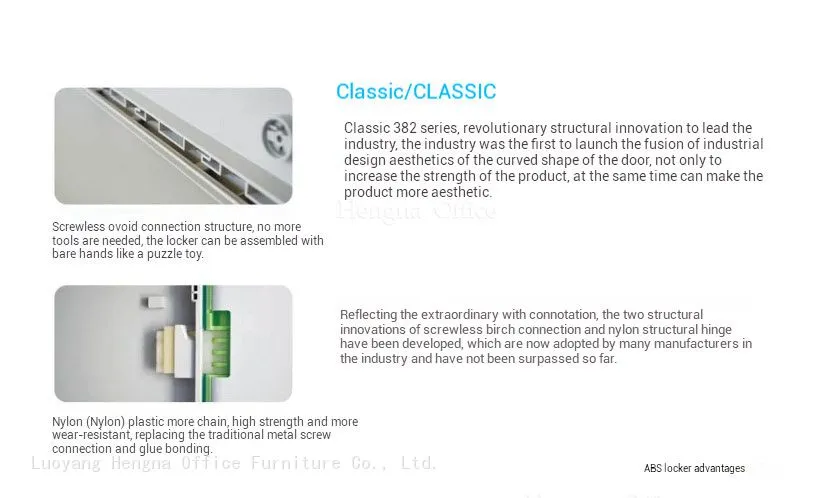
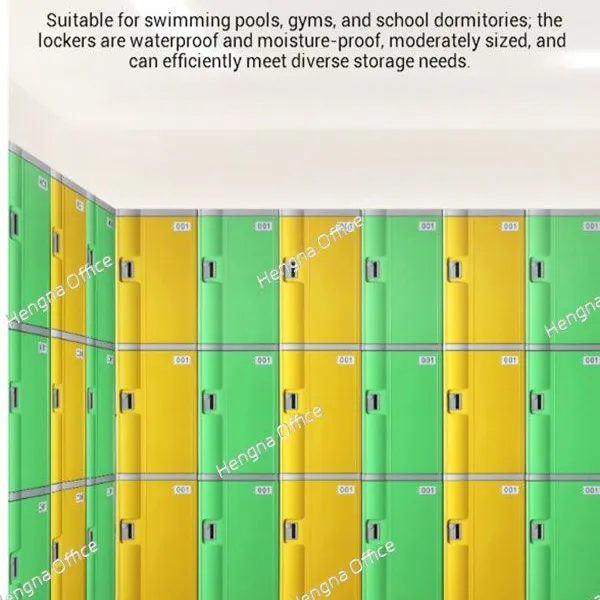
Facilities with elevated humidity levels, such as swimming pools and gyms, require specialized attention:
Increased Ventilation: Ensure adequate air circulation to prevent moisture accumulation
Mold Prevention: Use mildew-resistant cleaning solutions in humid environments
Frequent Drying: Regularly wipe down surfaces to remove moisture accumulation
Dehumidifier Integration: Consider portable dehumidifiers in particularly humid areas
Industrial and Chemical Exposure Settings
Manufacturing facilities and chemical environments present unique maintenance challenges:
Chemical Resistance Verification: Confirm cleaning agents are compatible with ABS materials
Protective Coating Application: Consider additional protective coatings in harsh chemical environments
Spill Response Kits: Maintain appropriate spill response materials for chemical exposures
Enhanced Inspection Frequency: Increase inspection frequency in chemically aggressive environments
Outdoor and Weather-Exposed Applications
Outdoor installations require weather-specific maintenance considerations:
UV Protection Monitoring: Regular inspection for UV damage or fading
Weather Seal Maintenance: Check and maintain all weather seals and gaskets
Drainage System Care: Ensure drainage channels remain clear and functional
Seasonal Preparation: Special preparation for extreme weather conditions
Preventive Maintenance Best Practices
Proactive Inspection Protocols
Implementing systematic inspection procedures prevents minor issues from becoming major problems:
Quarterly Structural Assessment: Comprehensive evaluation of all structural components
Bi-Annual Hardware Review: Detailed inspection and testing of all mechanical components
Annual Professional Service: Engage qualified technicians for comprehensive system evaluation
User Feedback Integration: Regularly collect and address user-reported issues or concerns
Lubrication and Mechanical Care
Proper mechanical maintenance ensures smooth operation and extends component life:
| Component | Lubrication Frequency | Recommended Lubricant | Application Method |
|---|---|---|---|
| Door Hinges | Every 3 months | Silicone-based spray | Light coating on pivot points |
| Lock Mechanisms | Every 6 months | Graphite powder | Small amount in keyway |
| Sliding Components | Every 2 months | PTFE dry lubricant | Thin layer on contact surfaces |
| Adjustable Parts | Annually | White lithium grease | Applied to adjustment threads |
User Education and Training
Educating locker users significantly reduces maintenance requirements and extends service life:
Proper Usage Guidelines: Clear instructions on correct door operation and weight limits
Damage Reporting Procedures: Established protocols for reporting issues or damage
Cleaning Responsibility: User responsibilities for personal locker maintenance
Security Best Practices: Guidelines for proper lock usage and security procedures
Troubleshooting Common Issues
Door Operation Problems
Addressing common door operation issues quickly prevents further damage:
Sticking Doors: Clean hinge areas and apply appropriate lubricant; check for alignment issues
Difficult Latching: Verify latch alignment and clean strike plate areas
Excessive Noise: Tighten loose hardware and lubricate moving components
Misalignment: Check for foundation settling or installation issues
Surface and Appearance Issues
Maintaining the aesthetic appeal of ABS lockers:
Scratch Removal: Use fine-grit sandpaper for minor scratches, followed by polishing compound
Stain Treatment: Address stains promptly with appropriate cleaning solutions based on stain type
Fading Restoration: Apply UV-protective coatings for outdoor units showing sun damage
Discoloration Prevention: Use appropriate cleaning agents and avoid harsh chemicals
Lock and Security System Concerns
Ensuring continued security functionality:
Difficult Key Operation: Clean lock mechanisms and apply graphite lubricant
Electronic Lock Failures: Check battery connections and replace batteries as needed
Master Key Issues: Verify key cutting accuracy and lock cylinder condition
Access Control Problems: Test electronic components and replace malfunctioning units
Seasonal Maintenance Considerations
Spring Maintenance Focus
Spring maintenance addresses winter-related issues and prepares for increased usage:
Winter Damage Assessment: Inspect for cold weather-related damage or stress
Ventilation System Cleaning: Clear vents and air circulation components
Exterior Surface Restoration: Address any weather-related surface damage
Increased Usage Preparation: Prepare systems for higher seasonal demand
Summer Maintenance Priorities
Hot weather conditions require specific maintenance attention:
Heat Exposure Monitoring: Check for heat-related material stress or deformation
UV Protection Enhancement: Apply additional UV protection as needed
Cooling System Maintenance: Ensure adequate ventilation in warm environments
Increased Cleaning Frequency: Address increased usage and sweat-related issues
Fall Maintenance Requirements
Preparing for colder weather conditions:
Weather Seal Inspection: Check and replace damaged weather seals
Heating System Integration: Ensure compatibility with facility heating systems
Moisture Management: Address condensation issues in cooling environments
Winter Preparation: Apply protective measures for upcoming cold weather
Winter Maintenance Special Considerations
Cold weather presents unique maintenance challenges:
Freeze Protection: Ensure components remain functional in cold temperatures
Ice and Snow Management: Clear ice and snow from outdoor installations
Material Flexibility Monitoring: Check for cold-related material stiffness
Emergency Access Preparation: Ensure locks operate properly in cold conditions
Professional Maintenance and Service
When to Engage Professional Services
Certain maintenance tasks require professional expertise and equipment:
Structural Repairs: Any damage affecting structural integrity
Electronic System Service: Complex electronic lock or access control issues
Major Component Replacement: Replacement of doors, frames, or major hardware
Warranty Service: Issues covered under manufacturer warranties
Selecting Qualified Service Providers
Choosing the right maintenance professionals ensures quality service:
Manufacturer Certification: Verify technicians are certified by the locker manufacturer
Experience with ABS Systems: Ensure familiarity with ABS material properties and requirements
Insurance and Licensing: Verify appropriate insurance coverage and business licenses
Reference Checking: Review customer feedback and service history
Cost-Benefit Analysis of Preventive Maintenance
Financial Impact of Proper Maintenance
Investing in regular preventive maintenance delivers substantial financial returns:
Operational Efficiency Benefits
Beyond direct cost savings, proper maintenance delivers operational advantages:
Reduced Downtime: Proactive maintenance prevents unexpected failures and service interruptions
Enhanced User Satisfaction: Well-maintained lockers provide better user experiences
Extended Warranty Coverage: Proper maintenance may extend manufacturer warranty periods
Improved Facility Appearance: Consistently maintained lockers enhance overall facility aesthetics
Sustainability and Environmental Considerations
Eco-Friendly Maintenance Practices
Implementing environmentally responsible maintenance procedures:
Green Cleaning Products: Use biodegradable, environmentally safe cleaning solutions
Water Conservation: Implement water-efficient cleaning methods and equipment
Waste Reduction: Properly dispose of replaced components and cleaning materials
Energy Efficiency: Choose maintenance procedures that minimize energy consumption
Lifecycle Extension and Sustainability
Proper maintenance cont
Recently Posted
-
Stainless Steel Shelving for Breweries and Wineries — What Survives Humidity, Alcohol Spills
July 24, 2026Stainless Steel Shelving for Breweries and Wineries — What Survives Humidity, Alcohol Spills, and Sanitizer Washdowns Three t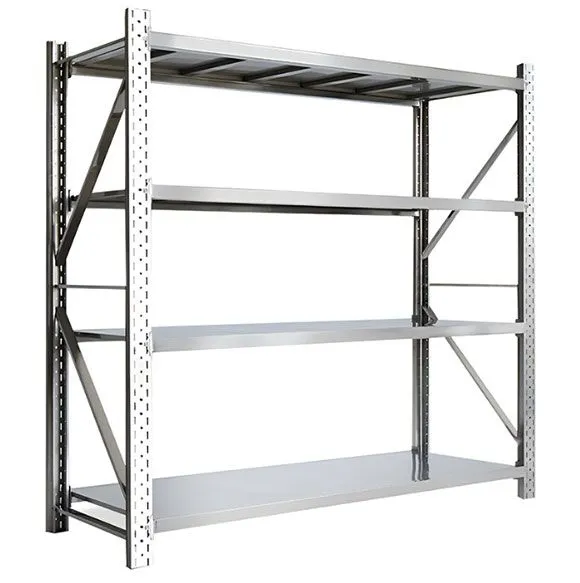 Read More
 -
Stainless Steel Shelving for Meat Processing Plants — What Holds Up Against Blood, Fat, and Daily Wa
July 24, 2026Meat plants are brutal on shelvingIf you work in a meat processing plant, you already know this. The rack that looked fine s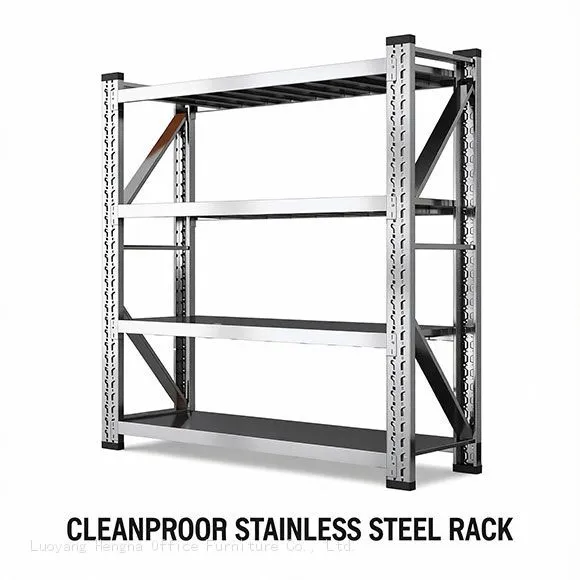 Read More
 -
0.6mm Steel Wardrobe vs 0.4mm — Why Cold-Rolled Single Door Metal Closet Lasts Longer
July 10, 2026The 0.2mm That Decides Whether You Buy One Wardrobe or ThreeTwo wardrobes look identical on a supplier's photo. Same door, sam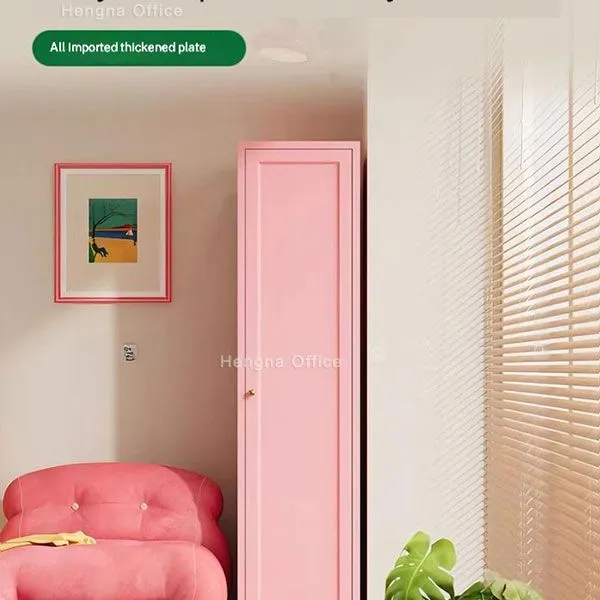 Read More
 -
Heavy Duty Tool Cabinet with Locks for School Shop: Stop Tool Theft Before It Happens
July 9, 2026A vocational school workshop isn't like a factory floor. The tools aren't being used by seasoned machinists who know where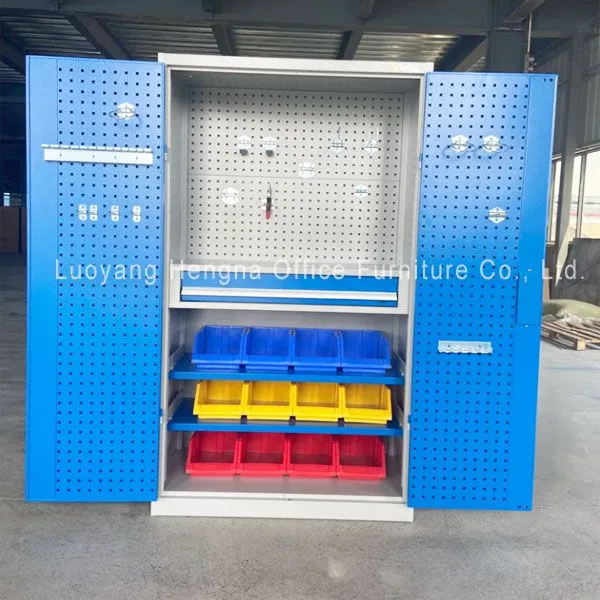 Read More

Contact Us
Recommended Products
-
 Industrial-Grade ABS Plastic Locker for Factory Staff and Warehouse Workers|Hengna OfficeUS$ 19 - 100MOQ: 5 Sets
 -
Outdoor ABS Locker Cabinet – UV-Resistant Plastic Storage for Poolside or Beach Resorts-Hengna OfficeUS$ 19 - 100MOQ: 5 Sets
-
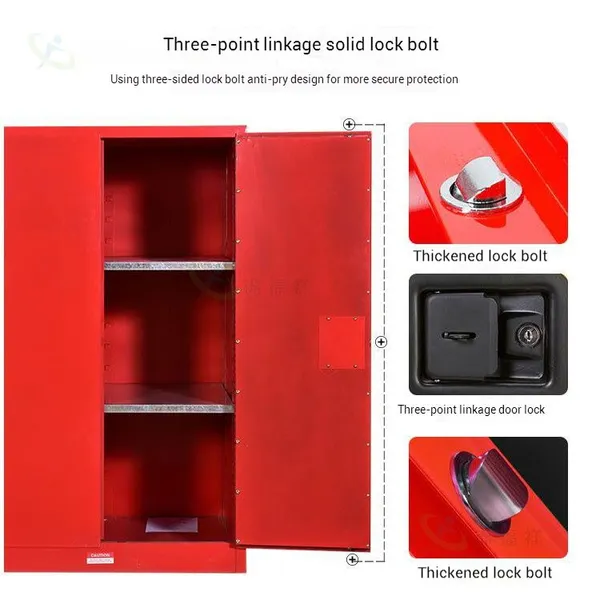
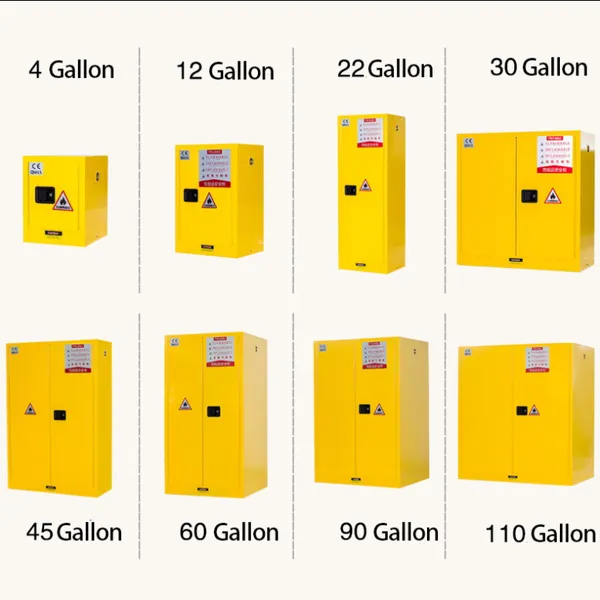
45 Gallon Explosion-Proof Flammable Liquid Storage Cabinet – Fire-Resistant Steel Safety Cabinet for FactoriesUS$ 68 - 400MOQ: 2 Combos
-
Flammable Storage Cabinet for Flammable Liquids – OSHA Certified Safety Cabinet With Fireproof Double WallsUS$ 68 - 400MOQ: 2 Combos
-
Large Capacity Flammable Liquid Storage Cabinet – Explosion-Proof Safety Cabinet for Laboratory & Workshop UseUS$ 68 - 400MOQ: 2 Combos
-
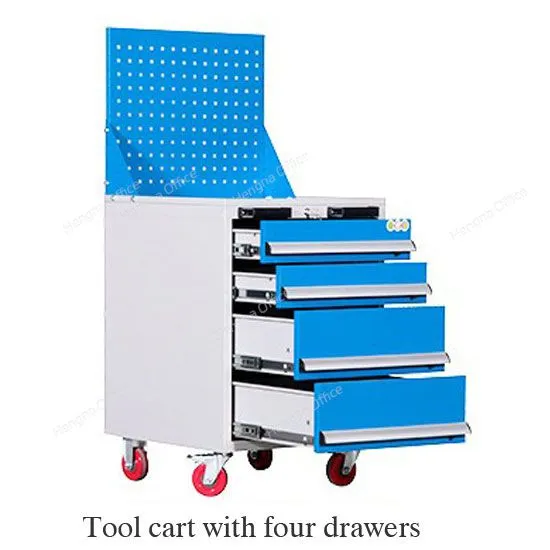
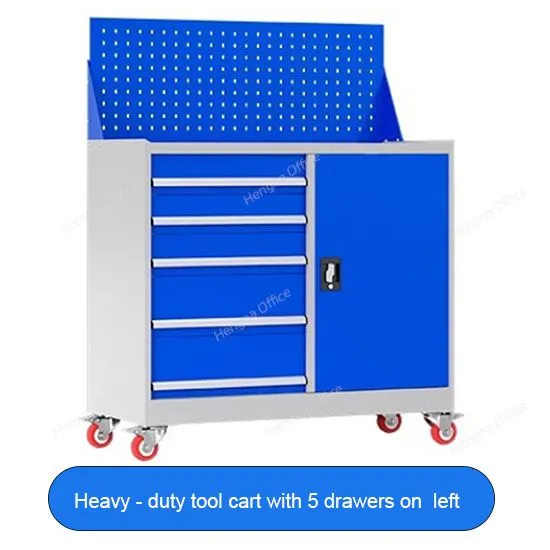
Heavy Duty Steel Tool Cart With Drawers for Workshops|Hengna OfficeUS$ 99 - 269MOQ: 2 Cases
-
Wholesale 3-Drawer Tool Trolley With Wheels for Factory and Garage StorageUS$ 99 - 269MOQ: 2 Cases
-
HN-wlj160 Industrial Rolling Tool Organizer With Pegboard|All-in-One Mobile Tool Storage CartUS$ 5 - 120MOQ: 2 Cases
-
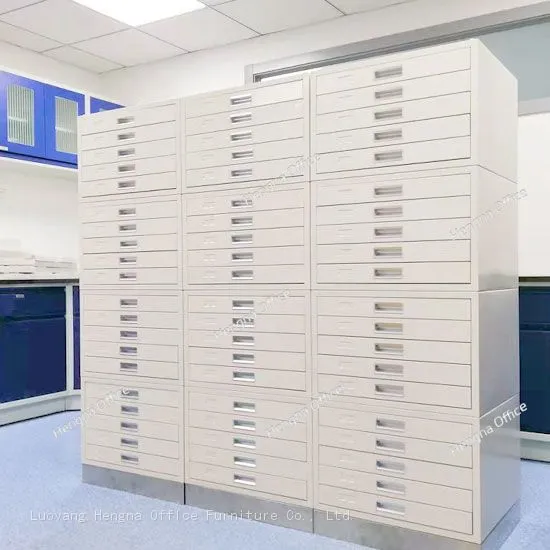
White Stackable Pathology Wax Block Storage Drawers for Labs Near London-Hengna OfficeNegotiableMOQ: 10 Pieces
-
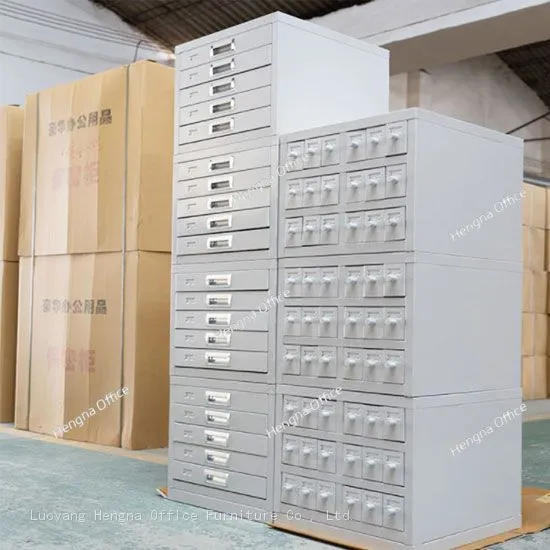
Custom Paraffin Block Storage Cabinet for Histology Laboratories – Factory Direct From Hengna FurnitureNegotiableMOQ: 10 Pieces
-
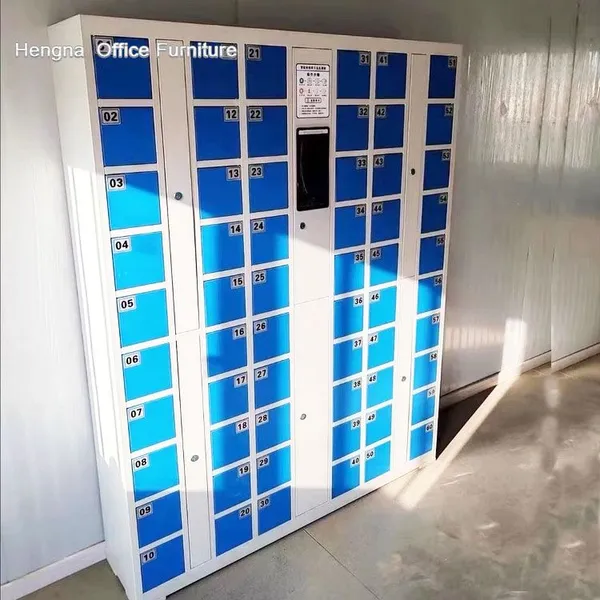
Smart Phone Charging Locker 40-door|Fingerprint Lockers Intelligent Parcel Delivery CabinetUS$ 203 - 750MOQ: 15 Pieces
-
School Gym Lockers Price |Parcel Delivery Storage Locker 12-door FactoryUS$ 203 - 750MOQ: 15 Pieces
-
Multi Metal Work Benches Electrical Workshop Workbench|US$ 300 - 800MOQ: 2 Cases
-
Commercial Workbench Supplier |Multi Metal Work Bench With Drawers OMDUS$ 300 - 800MOQ: 2 Cases
-
Pathological Ection Cabinet JTGZ062 Wax Block Cabinet for LaboratoryNegotiableMOQ: 10 Pieces
-
Durable Tool Storage in Factory HNGJ703 Hard Wearing Metal Industrial Tool ChestNegotiableMOQ: 18 Pieces
-
High - Quality CNC Workshop Tool Cabinet Heavyweight Workshop Tool OrganizerNegotiableMOQ: 10 Pieces
-
Laboratory Polyethylene Acid and Corrosive Chemicals Safety Storage PP CabinetUS$ 340 - 600MOQ: 5 Combos
-
22 Gallons /80 L PP Acid - Base Cabinet: Safeguard Chemical Storage Supplier OEMUS$ 500 - 600MOQ: 5 Combos
-
4 - Gallon Corrosion-resistant Safety Cabinet for Hazardous Chemicals Acid SupplierUS$ 340 - 500MOQ: 5 Combos