
 Business License

Industrial Chemical Storage: Cost-Benefit Analysis of PP Cabinet Investment
The Strategic Importance of Chemical Storage Investment
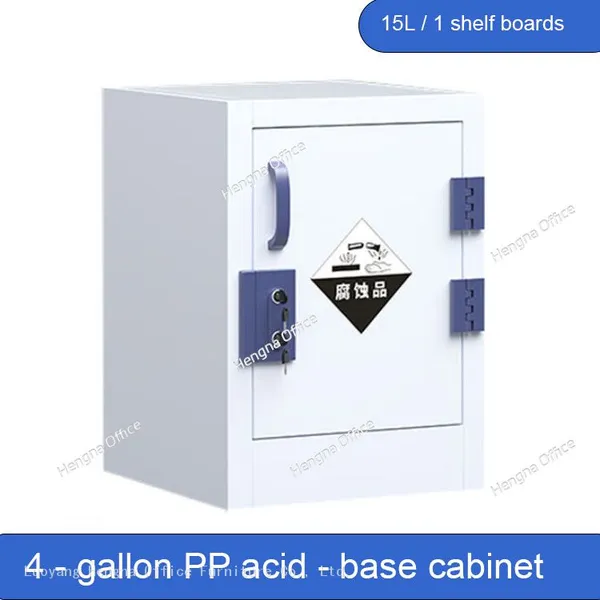
In today’s industrial landscape, chemical storage represents not merely a regulatory requirement but a strategic investment that directly impacts operational efficiency, workplace safety, and bottom-line profitability. Industrial facilities handling corrosive substances face the critical decision of selecting appropriate storage solutions that balance initial costs with long-term value. Polypropylene (PP) cabinets have emerged as a superior choice for chemical storage, offering compelling economic advantages that extend far beyond their purchase price. This comprehensive cost-benefit analysis examines the financial implications of PP cabinet investment, demonstrating why these storage solutions represent smart business decisions for forward-thinking industrial operations.
Initial Investment Analysis: Understanding Upfront Costs
Capital Expenditure Breakdown
The initial investment in PP chemical storage cabinets typically ranges from $2,000 to$8,000 per unit, depending on size, features, and customization requirements. While this represents a significant capital expenditure, it’s essential to consider this cost within the context of total facility investment. PP cabinets generally command a 20-30% premium over traditional metal alternatives, but this price differential diminishes when considering total cost of ownership over extended periods.
Installation and Infrastructure Costs
PP cabinet installation requires minimal specialized infrastructure, reducing associated setup costs. Their lightweight nature facilitates easier handling and installation, potentially reducing labor costs by 15-25% compared to heavier metal alternatives. Additionally, PP cabinets don’t require special foundation reinforcement or extensive structural modifications, further minimizing initial investment requirements. These installation savings can offset a significant portion of the purchase price differential, making PP cabinets more financially accessible than initially apparent.
Long-Term Operational Cost Benefits
Maintenance and Replacement Savings
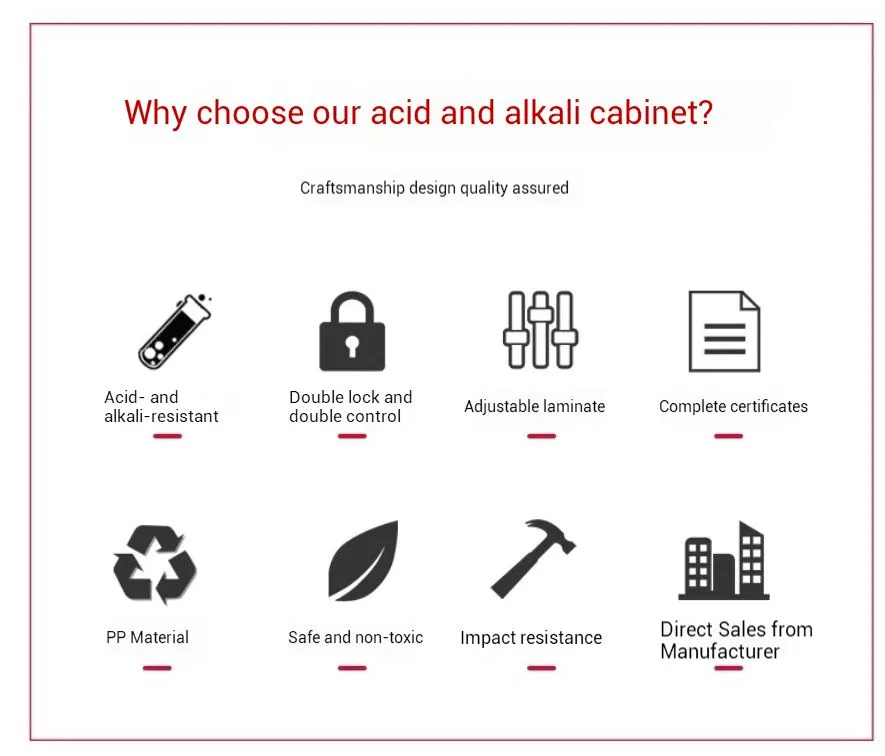
The exceptional durability of PP cabinets translates to substantial long-term cost savings. While metal cabinets typically require replacement every 5-7 years due to corrosion, PP cabinets can last 15-20 years with proper maintenance. This extended service life reduces replacement costs by approximately 60-70% over a 20-year period. Furthermore, PP cabinets require minimal maintenance—no painting, rust treatment, or corrosion protection—resulting in annual maintenance cost savings of $500-1,000 per unit compared to metal alternatives.
Energy Efficiency and Operational Benefits
PP’s natural insulation properties contribute to energy efficiency in climate-controlled storage environments. Facilities report 5-10% reduction in energy costs for areas utilizing PP cabinets compared to metal alternatives. The material’s thermal stability reduces the workload on HVAC systems, particularly in facilities requiring strict temperature control for stored chemicals. These energy savings accumulate significantly over time, contributing to overall operational cost reduction.
Risk Management and Compliance Economics
Reduced Liability and Insurance Premiums
Investing in PP cabinets can substantially reduce facility liability and associated insurance costs. Insurance providers typically offer premium discounts of 5-15% for facilities utilizing superior chemical storage solutions like PP cabinets. The enhanced chemical resistance and leak-proof construction of PP cabinets minimize the risk of chemical spills and environmental contamination, potentially avoiding costly cleanup operations that can exceed $100,000 per incident.
Regulatory Compliance Cost Avoidance
PP cabinets facilitate compliance with OSHA, EPA, and other regulatory requirements, reducing the risk of costly fines and penalties. Facilities using PP cabinets report 40-50% fewer regulatory violations compared to those using traditional storage methods. The avoidance of fines, which can range from $10,000 to$50,000 per violation, represents substantial cost savings that directly impact profitability.
Comparative Analysis with Alternative Storage Solutions
PP vs. Metal Cabinets: Total Cost of Ownership
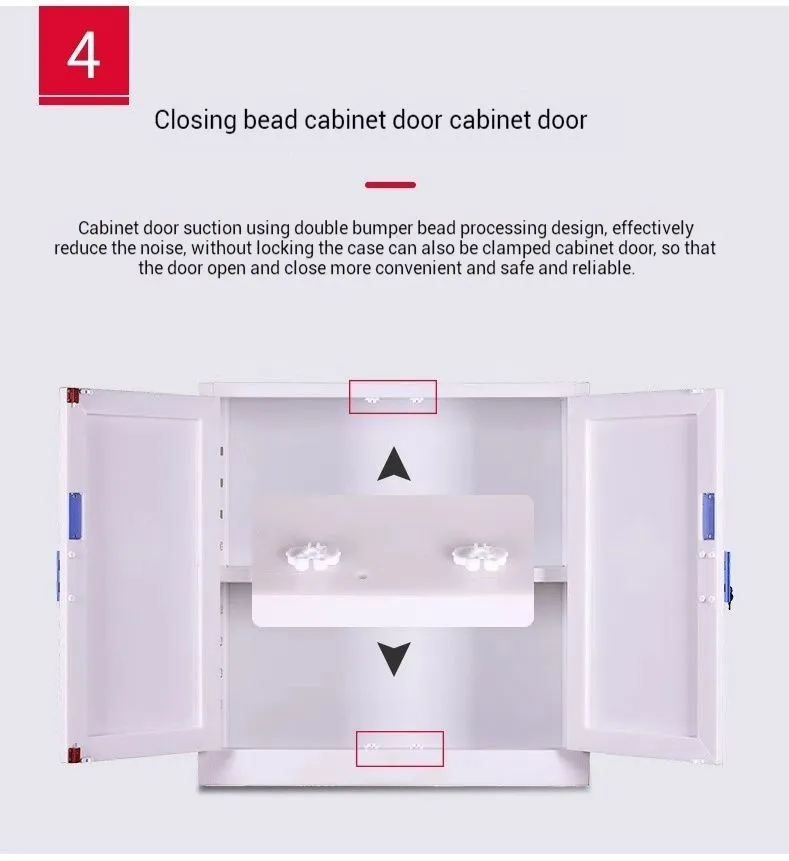
When evaluating total cost of ownership over a 15-year period, PP cabinets demonstrate clear economic advantages. While initial investment may be 25% higher, the cumulative cost including maintenance, replacement, and operational expenses is approximately 40% lower for PP cabinets. This cost differential becomes even more pronounced in facilities storing highly corrosive chemicals, where metal cabinet replacement intervals may be as short as 3-4 years.
PP vs. Wood and Composite Solutions
Compared to wood or composite storage solutions, PP cabinets offer superior economic value despite higher initial costs. Wood alternatives typically require replacement every 2-3 years in chemical environments, resulting in significantly higher long-term costs. Additionally, PP’s superior chemical resistance eliminates the risk of chemical absorption and contamination that can compromise stored materials’ value, representing indirect cost savings that are difficult to quantify but financially significant.
Return on Investment (ROI) Calculations
Quantitative ROI Analysis
Based on industry data, PP cabinet investments typically generate positive returns within 3-5 years. The ROI calculation should include direct cost savings (maintenance, replacement, energy), indirect benefits (risk reduction, compliance), and productivity improvements. A typical mid-sized facility investing $50,000 in PP cabinets can expect annual savings of$15,000-20,000, resulting in a payback period of 2.5-3.3 years and an impressive ROI of 300-400% over the cabinet’s service life.
Qualitative Financial Benefits
Beyond quantifiable savings, PP cabinets deliver numerous qualitative financial benefits. Enhanced workplace safety reduces lost productivity from accidents, improved storage efficiency increases labor productivity, and superior chemical protection preserves inventory value. While these benefits are difficult to quantify precisely, industry experts estimate they represent an additional 20-30% value beyond direct cost savings.
Case Studies and Real-World Applications
Pharmaceutical Manufacturing Facility
A mid-sized pharmaceutical manufacturer invested $75,000 in PP cabinets to replace corroding metal storage units. Within two years, the facility reported$45,000 in combined savings from reduced maintenance, eliminated replacement costs, and lower insurance premiums. Additionally, the facility achieved 100% regulatory compliance, avoiding potential fines and enhancing its reputation with regulatory agencies.
Chemical Processing Plant
A large chemical processing facility implemented PP cabinets across its operations, investing $250,000 in a comprehensive storage solution upgrade. The facility realized annual savings of$80,000 through reduced maintenance, energy efficiency, and improved operational efficiency. The investment paid for itself in just over three years, with projected lifetime savings exceeding $1.2 million.
Strategic Investment Considerations
Scalability and Future-Proofing
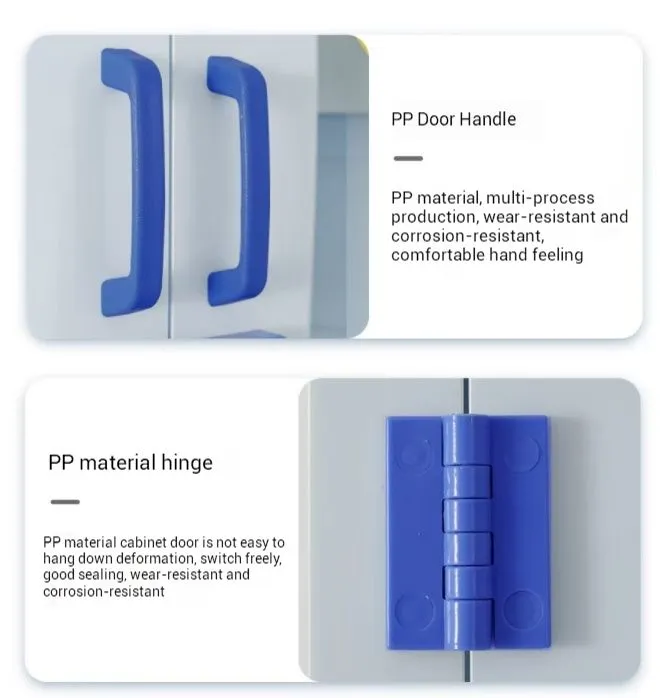
PP cabinet investments offer excellent scalability, allowing facilities to expand storage capacity incrementally as operations grow. The modular nature of PP cabinet systems enables cost-effective expansion without requiring complete infrastructure overhaul. This flexibility represents significant strategic value, particularly for growing operations anticipating increased chemical storage needs.
Technology Integration and Smart Features
Modern PP cabinets increasingly incorporate smart technology features that enhance their economic value. Integrated inventory management systems, environmental monitoring, and automated reporting capabilities reduce labor costs and improve operational efficiency. While these features increase initial investment, they typically generate additional ROI of 15-25% through productivity gains and operational improvements.
Financing and Investment Strategies
Lease Options and Financial Structuring
Many PP cabinet manufacturers offer leasing options that reduce initial capital outlay while preserving long-term economic benefits. Lease-to-own programs typically result in total costs 10-15% higher than outright purchase but provide cash flow advantages that may be valuable for certain operations. Facilities should evaluate their specific financial situations to determine the optimal investment structure.
Government Incentives and Tax Benefits
Various government programs offer incentives for investments in workplace safety and environmental protection. PP cabinet investments may qualify for tax credits, depreciation benefits, or grant programs that improve overall investment returns. Facilities should consult with tax professionals to identify all available financial incentives that enhance PP cabinet investment economics.
The Strategic Value of PP Cabinet Investment
The cost-benefit analysis of PP cabinet investment reveals compelling economic advantages that extend far beyond simple storage functionality. When evaluated comprehensively, considering initial costs, long-term savings, risk reduction, and operational benefits, PP cabinets represent exceptional value for industrial operations handling chemical materials.
The investment decision should be based on total cost of ownership rather than initial purchase price alone. Facilities that adopt this comprehensive approach consistently find that PP cabinets deliver superior financial returns while enhancing safety, compliance, and operational efficiency. As regulatory requirements continue to strengthen and workplace safety becomes increasingly important, PP cabinet investments will likely deliver even greater value in the future.
For facility managers and financial decision-makers, PP cabinet investments represent not merely expenditures but strategic opportunities to enhance operational excellence while delivering substantial financial returns. The combination of immediate benefits and long-term value makes PP cabinets one of the most compelling investments available to modern industrial operations handling chemical materials.
The data clearly demonstrates that facilities investing in PP chemical storage solutions position themselves for sustainable success, balancing economic efficiency with operational excellence and regulatory compliance. As the industrial landscape continues to evolve, PP cabinet investments will increasingly become essential components of successful chemical management strategies.

Recently Posted
-
Stainless Steel Shelving for Breweries and Wineries — What Survives Humidity, Alcohol Spills
July 24, 2026Stainless Steel Shelving for Breweries and Wineries — What Survives Humidity, Alcohol Spills, and Sanitizer Washdowns Three t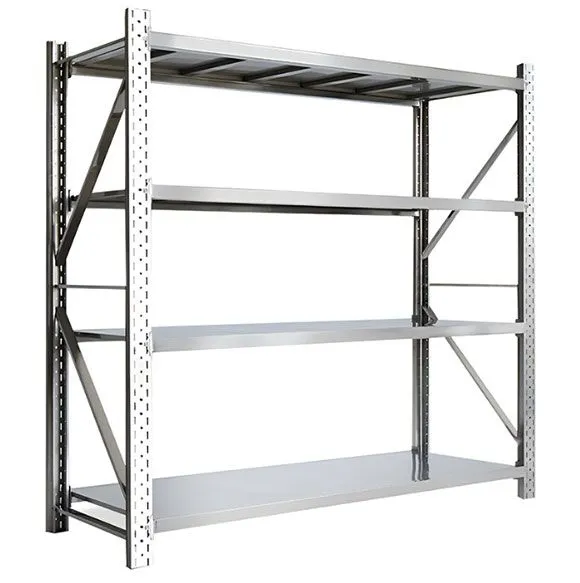 Read More
 -
Stainless Steel Shelving for Meat Processing Plants — What Holds Up Against Blood, Fat, and Daily Wa
July 24, 2026Meat plants are brutal on shelvingIf you work in a meat processing plant, you already know this. The rack that looked fine s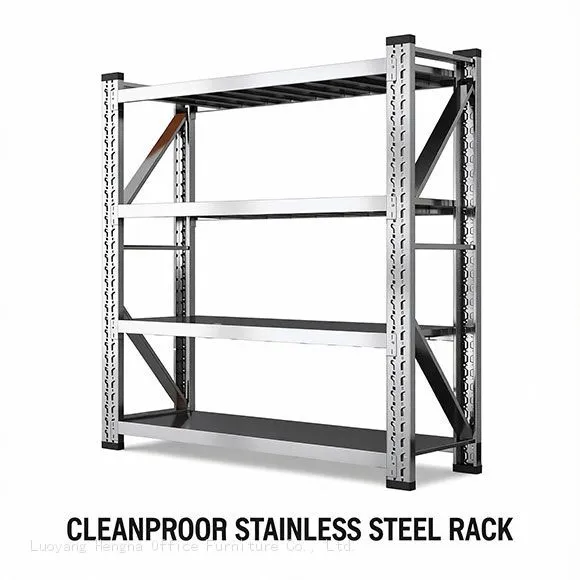 Read More
 -
0.6mm Steel Wardrobe vs 0.4mm — Why Cold-Rolled Single Door Metal Closet Lasts Longer
July 10, 2026The 0.2mm That Decides Whether You Buy One Wardrobe or ThreeTwo wardrobes look identical on a supplier's photo. Same door, sam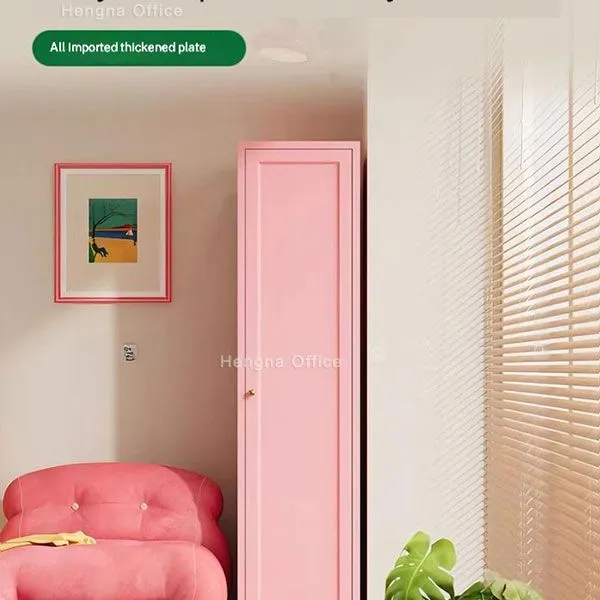 Read More
 -
Heavy Duty Tool Cabinet with Locks for School Shop: Stop Tool Theft Before It Happens
July 9, 2026A vocational school workshop isn't like a factory floor. The tools aren't being used by seasoned machinists who know where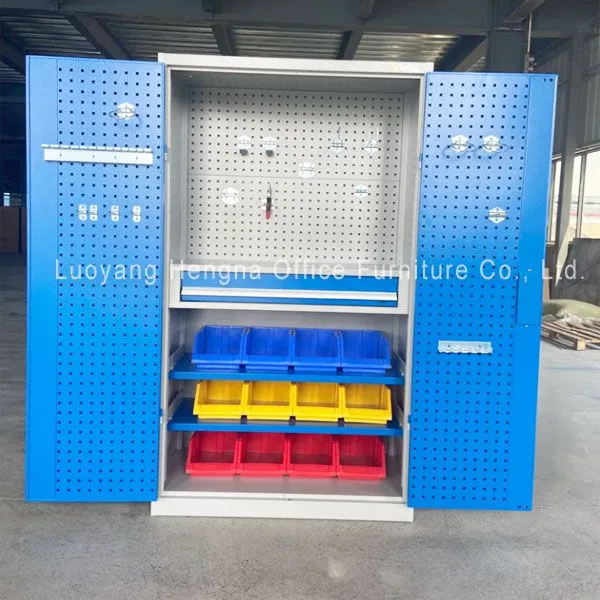 Read More

Contact Us
Recommended Products
-
 Industrial-Grade ABS Plastic Locker for Factory Staff and Warehouse Workers|Hengna OfficeUS$ 19 - 100MOQ: 5 Sets
 -
Outdoor ABS Locker Cabinet – UV-Resistant Plastic Storage for Poolside or Beach Resorts-Hengna OfficeUS$ 19 - 100MOQ: 5 Sets
-
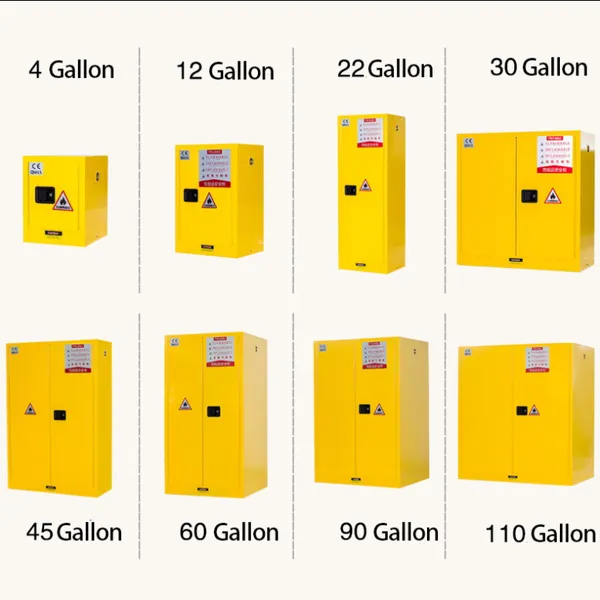
45 Gallon Explosion-Proof Flammable Liquid Storage Cabinet – Fire-Resistant Steel Safety Cabinet for FactoriesUS$ 68 - 400MOQ: 2 Combos
-
Flammable Storage Cabinet for Flammable Liquids – OSHA Certified Safety Cabinet With Fireproof Double WallsUS$ 68 - 400MOQ: 2 Combos
-
Large Capacity Flammable Liquid Storage Cabinet – Explosion-Proof Safety Cabinet for Laboratory & Workshop UseUS$ 68 - 400MOQ: 2 Combos
-
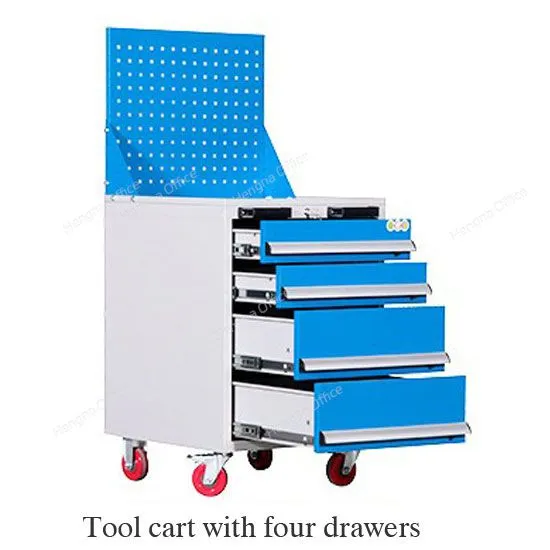
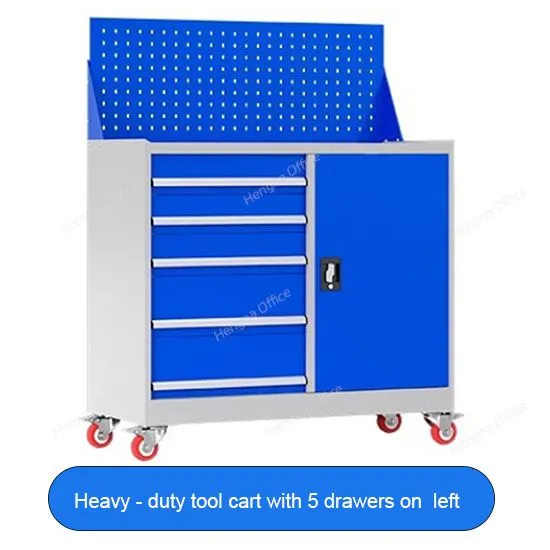
Heavy Duty Steel Tool Cart With Drawers for Workshops|Hengna OfficeUS$ 99 - 269MOQ: 2 Cases
-
Wholesale 3-Drawer Tool Trolley With Wheels for Factory and Garage StorageUS$ 99 - 269MOQ: 2 Cases
-
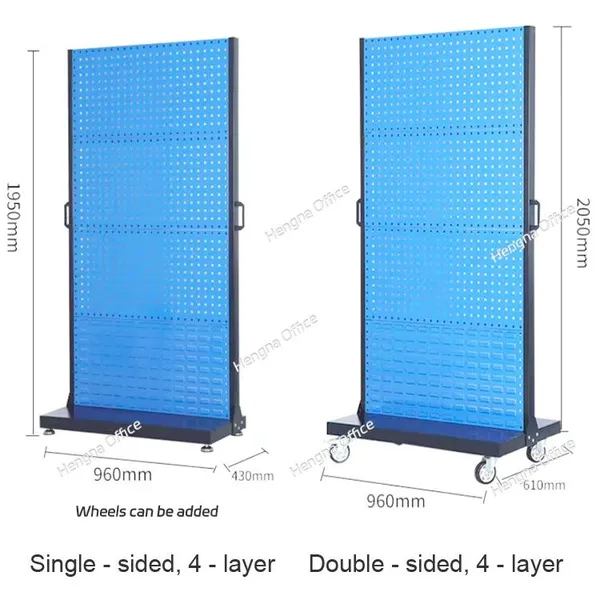
HN-wlj160 Industrial Rolling Tool Organizer With Pegboard|All-in-One Mobile Tool Storage CartUS$ 5 - 120MOQ: 2 Cases
-
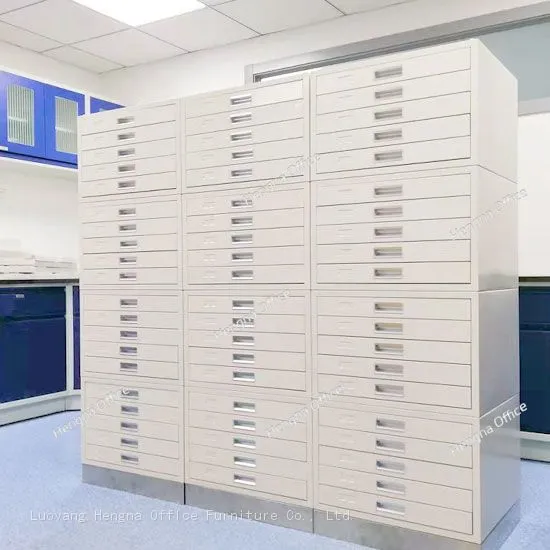
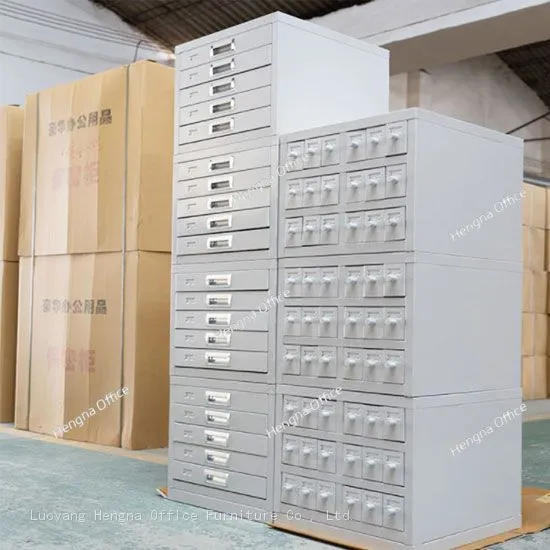
White Stackable Pathology Wax Block Storage Drawers for Labs Near London-Hengna OfficeNegotiableMOQ: 10 Pieces
-
Custom Paraffin Block Storage Cabinet for Histology Laboratories – Factory Direct From Hengna FurnitureNegotiableMOQ: 10 Pieces
-
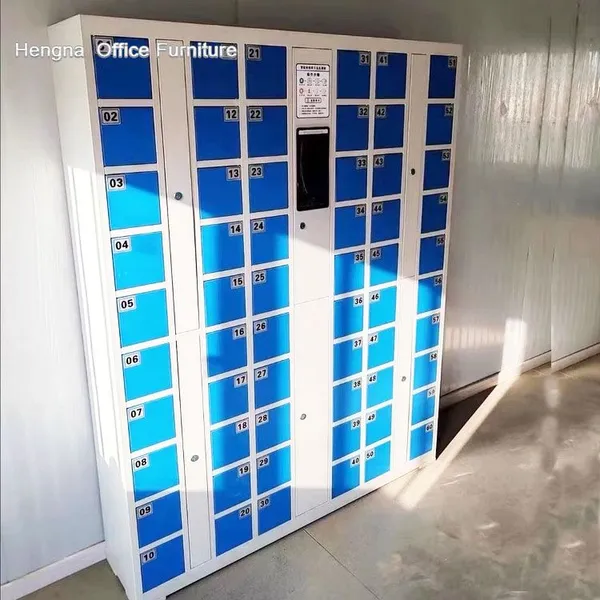
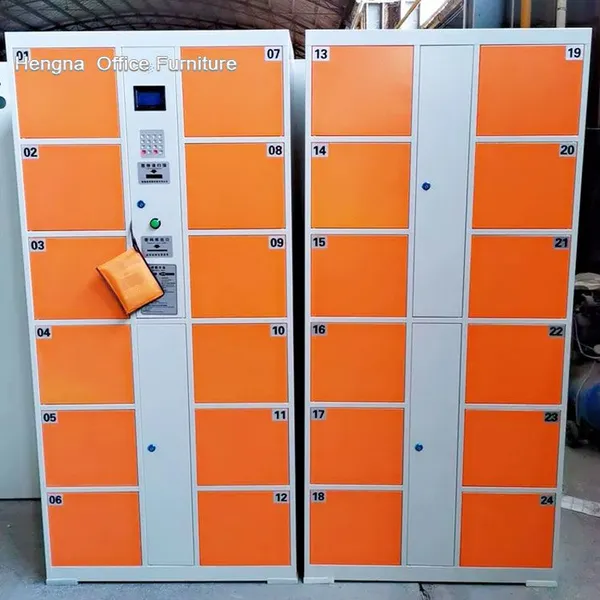
Smart Phone Charging Locker 40-door|Fingerprint Lockers Intelligent Parcel Delivery CabinetUS$ 203 - 750MOQ: 15 Pieces
-
School Gym Lockers Price |Parcel Delivery Storage Locker 12-door FactoryUS$ 203 - 750MOQ: 15 Pieces
-
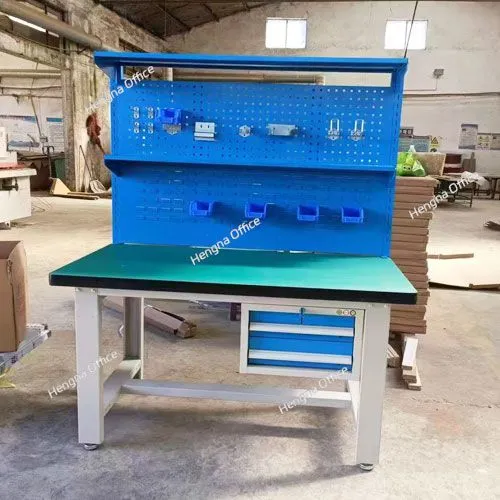
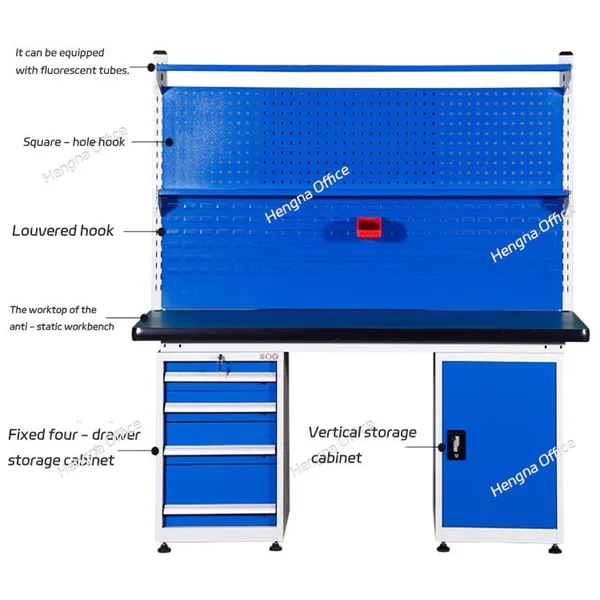
Multi Metal Work Benches Electrical Workshop Workbench|US$ 300 - 800MOQ: 2 Cases
-
Commercial Workbench Supplier |Multi Metal Work Bench With Drawers OMDUS$ 300 - 800MOQ: 2 Cases
-
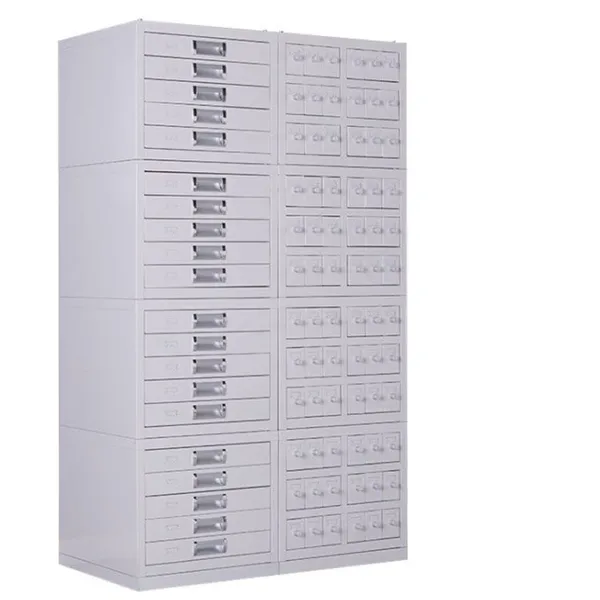
Pathological Ection Cabinet JTGZ062 Wax Block Cabinet for LaboratoryNegotiableMOQ: 10 Pieces
-
Durable Tool Storage in Factory HNGJ703 Hard Wearing Metal Industrial Tool ChestNegotiableMOQ: 18 Pieces
-
High - Quality CNC Workshop Tool Cabinet Heavyweight Workshop Tool OrganizerNegotiableMOQ: 10 Pieces
-
Laboratory Polyethylene Acid and Corrosive Chemicals Safety Storage PP CabinetUS$ 340 - 600MOQ: 5 Combos
-
22 Gallons /80 L PP Acid - Base Cabinet: Safeguard Chemical Storage Supplier OEMUS$ 500 - 600MOQ: 5 Combos
-
4 - Gallon Corrosion-resistant Safety Cabinet for Hazardous Chemicals Acid SupplierUS$ 340 - 500MOQ: 5 Combos