
 Business License

What to Consider When Choosing Lockers for Your School or University
Walking through the halls of any school or university, lockers are more than just metal boxes—they are personal sanctuaries for students, vital for organization, security, and even school spirit. Selecting the right lockers, however, is a complex decision that impacts daily operations, budget, and the overall learning environment for years to come. This guide will walk you through the essential factors to consider, ensuring you invest in a solution that is durable, secure, and perfectly tailored to the unique needs of your students and campus.
1. Durability and Material: The Foundation of Long-Term Value
Educational environments are high-traffic by nature. Lockers must withstand everything from heavy textbooks to accidental kicks. The material is your first line of defense.
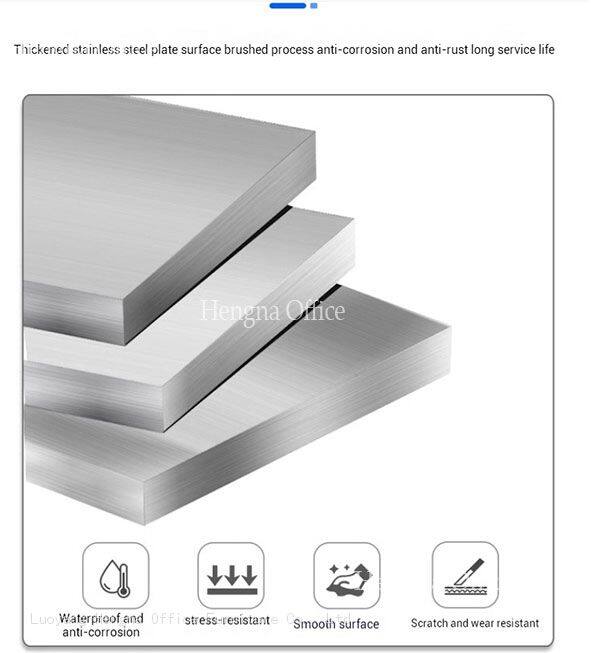
Cold-Rolled Steel: This is the industry standard for a reason. It offers superior strength and impact resistance compared to thinner, lower-quality metals. Look for lockers made from thickened cold-rolled steel plate (e.g., 0.8mm - 1.0mm) with an electrostatic spray coating. This powder-coat finish is fused to the metal, creating a hard, durable surface that resists chipping, scratching, and rust, ensuring a long-lasting, like-new appearance.
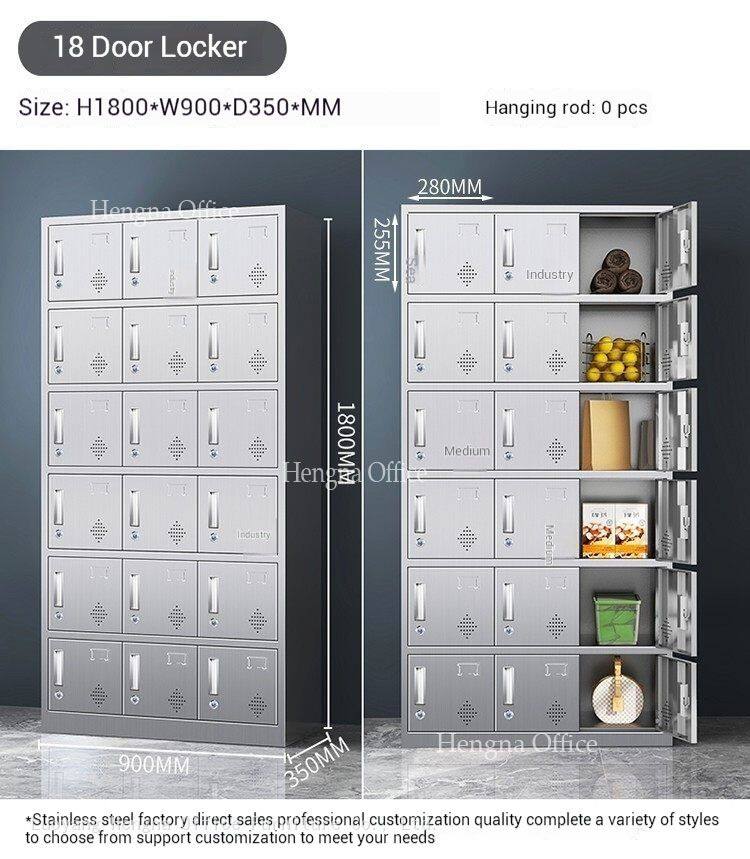
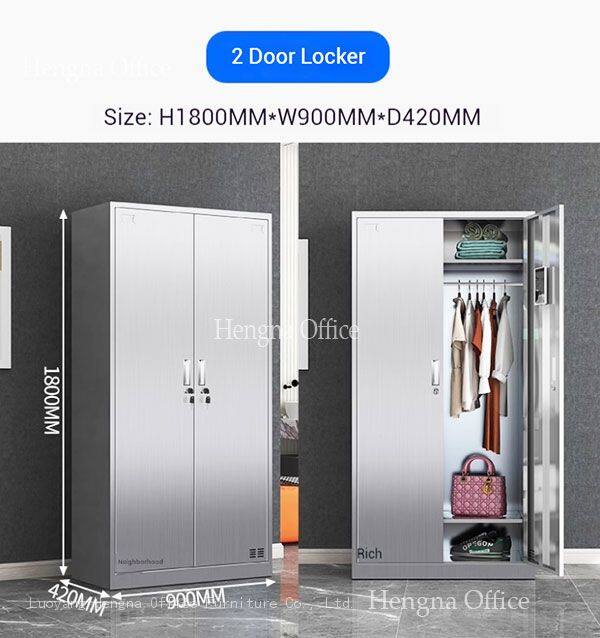
Stainless Steel: For swimming pools, locker rooms, or coastal campuses with high humidity, stainless steel is unbeatable. Its innate resistance to corrosion and ease of cleaning make it a premium, long-life choice.
2. Security and Student Safety: A Non-Negotiable Priority
The safety of students and their belongings is paramount. A locker's security features are critical.
Locking Mechanisms: The classic keyed lock is simple but comes with key management challenges. Many institutions now prefer built-in combination locks, which eliminate lost keys. For the highest level of control and integration, electronic locks that sync with student ID cards are an emerging, though more expensive, option.
Design Safety: Smooth, rounded edges and recessed, non-snag handles are essential. They prevent catching clothing and reduce the risk of injury in crowded hallways. Ensure doors close securely and hinges are robust and tamper-resistant.
3. Space Optimization and Configuration: Maximizing Your Footprint
Schools are often space-constrained. Smart locker configuration can dramatically improve traffic flow and storage capacity.
Single vs. Multi-Door Units: While single lockers offer flexibility, banks of 2-door, 4-door, or even 8-door lockers create a streamlined look and can be more space-efficient to install.
Size and Capacity: A standard single-tier locker (around H1800mm x W300mm x D450mm) is sufficient for most students. However, consider two-tier lockers for higher student density or full-length lockers for schools with arts or sports programs that require storing larger items.
Internal Organization: Lockers with adjustable shelves provide flexibility. A student can choose to have a shelf for books and a lower section for a sports bag, fostering personal organization skills.
4. Ventilation and Hygiene: Promoting a Healthy Environment
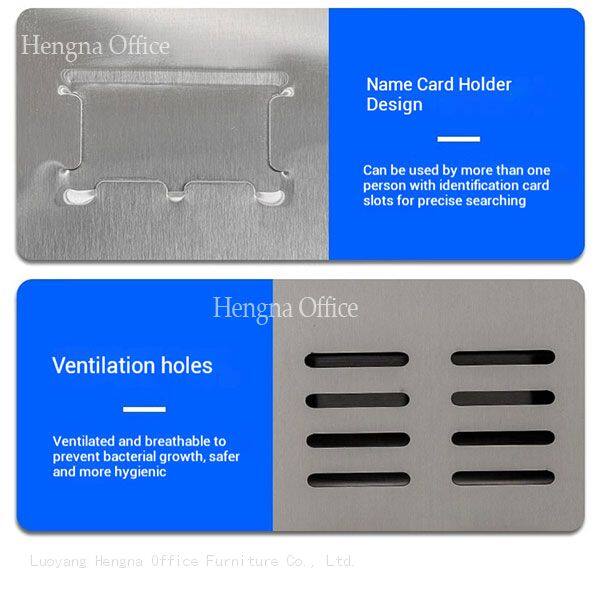
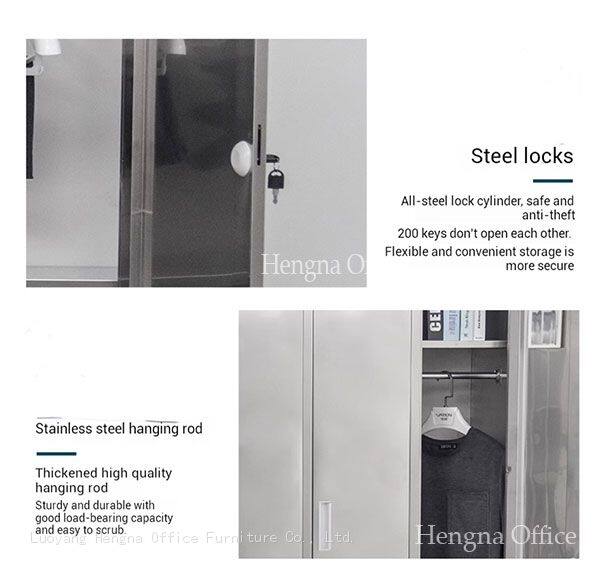 Lockers, especially in sports settings, can trap moisture and odors, creating an unhygienic environment.
Ventilation Slots: Always opt for lockers with integrated moisture-resistant ventilation holes. These slots allow air to circulate, preventing the buildup of mildew and unpleasant smells from damp clothes or gym gear, keeping belongings fresher.
5. Aesthetics and Customization: Fostering School Pride
Lockers don't have to be drab. They can contribute to a positive and cohesive campus identity.
Color Choice: Most manufacturers offer a wide range of color options. Choosing your school's colors for the lockers can instantly boost school spirit and create a more engaging environment.
Modern Finishes: Sleek designs with features like smooth aluminum handles and a clean, consistent appearance can modernize an entire hallway.
Checklist: Key Questions to Ask Before You Buy
| Category | Questions to Consider |
|---|---|
| Durability | What is the gauge and type of steel? What is the finish, and how scratch-resistant is it? |
| Security | What type of lock is included? Are the hinges and doors tamper-resistant? Is the handle design safe? |
| Space & Config | What are our available dimensions? What locker bank configuration (single, multi-door) works best? |
| Functionality | Do we need ventilation? Are adjustable shelves necessary? |
| Maintenance | How easy is it to clean? Are replacement parts readily available? |
| Aesthetics | Can we get them in our school colors? Does the design fit our campus's aesthetic? |
| Budget | What is the total cost of ownership, including installation and long-term maintenance? |
Choosing the right lockers for your school or university is a strategic investment. By carefully evaluating durability, security, space, and functionality, you can select a solution that not only meets daily needs but also enhances safety, organization, and the overall student experience for decades.
Ready to find the ideal locker solution for your institution? [Contact us today] for a free consultation and quote. Explore our range of durable, secure, and customizable lockers designed specifically for the demands of educational environments.

Recently Posted
-
Why Water Park Lockers Always Rust — and the Practical Logic Behind Switching to ABS Waterproof Stor
April 29, 2026Run a water park, and you've probably seen this: metal lockers installed last year are already showing it. Hinges that stick,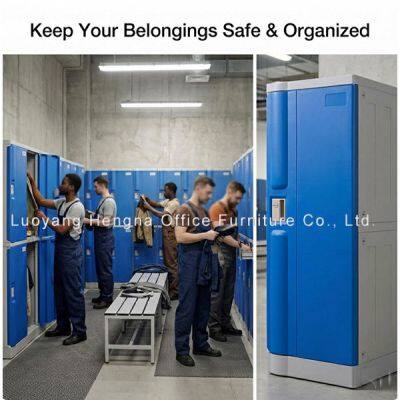 Read More
 -
How to Choose ESD Workbenches for Bulk Order: A Procurement Guide to Quality, MOQ and Lead Time
April 20, 2026Buying one ESD workbench is simple. You find a supplier, pay the invoice, receive the unit, plug it in.Buying 50 — or 500 — is a d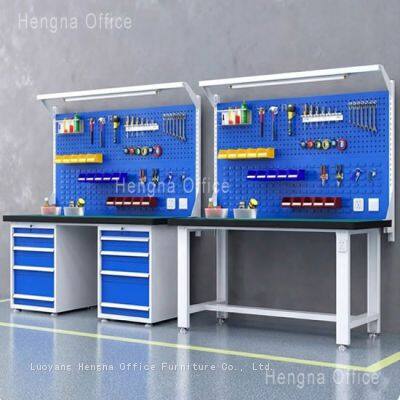 Read More
 -
ESD Workstation Audit Checklist: What Inspectors Actually Look For in Labs and Electronics Manufactu
April 20, 2026If your ESD workstation fails an audit, the consequences go beyond a failed inspection report. It means your production line stops Read More
 -
Why Your ESD Workstation Keeps Failing: Root Causes and Practical Fixes for Industrial Settings
April 20, 2026ESD workstations are supposed to eliminate static discharge risk in sensitive manufacturing environments. But if your equipment ke Read More

Contact Us
Recommended Products
-
 Industrial-Grade ABS Plastic Locker for Factory Staff and Warehouse Workers|Hengna OfficeUS$ 19 - 100MOQ: 5 Sets
 -
Outdoor ABS Locker Cabinet – UV-Resistant Plastic Storage for Poolside or Beach Resorts-Hengna OfficeUS$ 19 - 100MOQ: 5 Sets
-
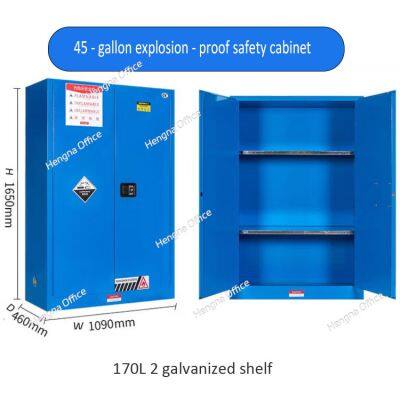
45 Gallon Explosion-Proof Flammable Liquid Storage Cabinet – Fire-Resistant Steel Safety Cabinet for FactoriesUS$ 68 - 400MOQ: 2 Combos
-
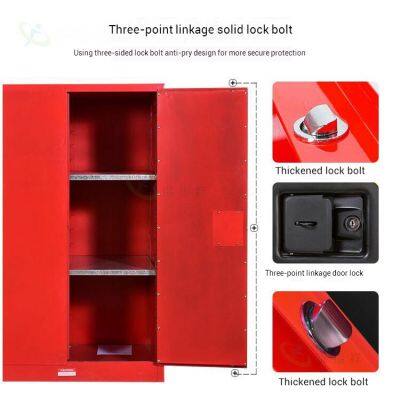
Flammable Storage Cabinet for Flammable Liquids – OSHA Certified Safety Cabinet With Fireproof Double WallsUS$ 68 - 400MOQ: 2 Combos
-
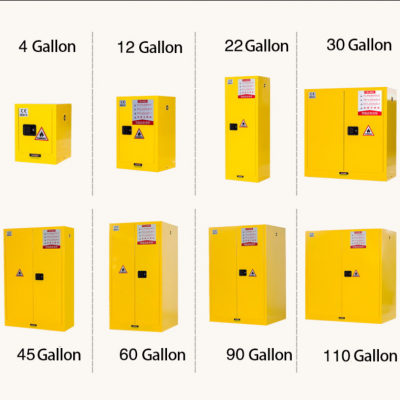
Large Capacity Flammable Liquid Storage Cabinet – Explosion-Proof Safety Cabinet for Laboratory & Workshop UseUS$ 68 - 400MOQ: 2 Combos
-
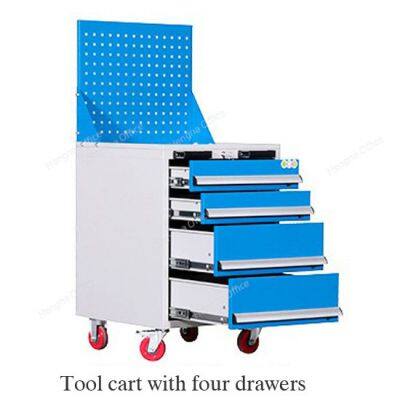
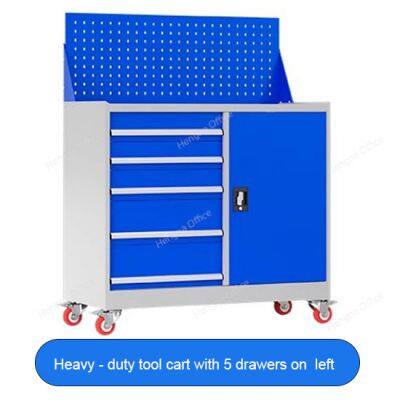
Heavy Duty Steel Tool Cart With Drawers for Workshops|Hengna OfficeUS$ 99 - 269MOQ: 2 Cases
-
Wholesale 3-Drawer Tool Trolley With Wheels for Factory and Garage StorageUS$ 99 - 269MOQ: 2 Cases
-
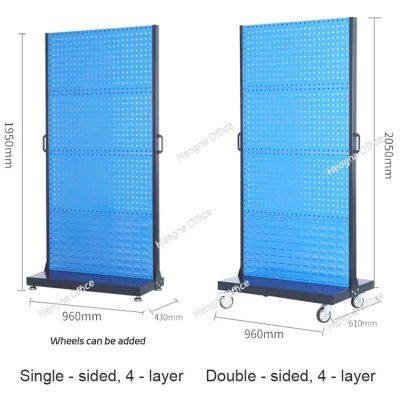
HN-wlj160 Industrial Rolling Tool Organizer With Pegboard|All-in-One Mobile Tool Storage CartUS$ 5 - 120MOQ: 2 Cases
-
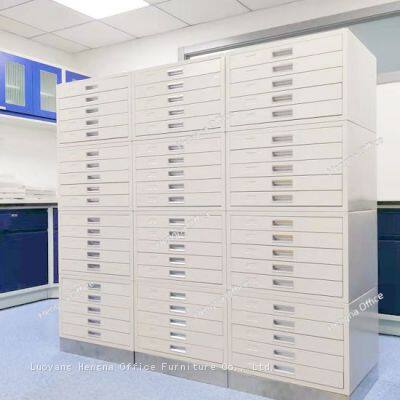
White Stackable Pathology Wax Block Storage Drawers for Labs Near London-Hengna OfficeNegotiableMOQ: 10 Pieces
-
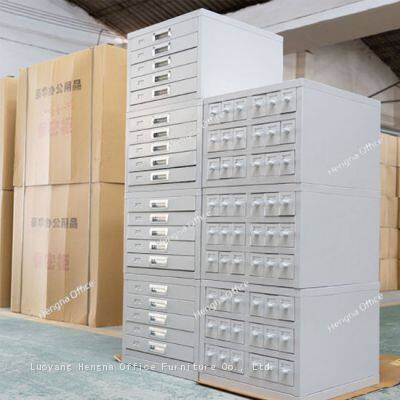
Custom Paraffin Block Storage Cabinet for Histology Laboratories – Factory Direct From Hengna FurnitureNegotiableMOQ: 10 Pieces
-
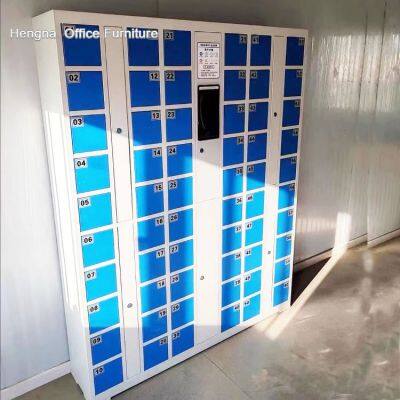
Smart Phone Charging Locker 40-door|Fingerprint Lockers Intelligent Parcel Delivery CabinetUS$ 203 - 750MOQ: 15 Pieces
-
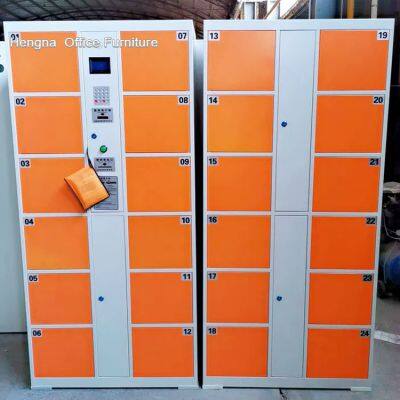
School Gym Lockers Price |Parcel Delivery Storage Locker 12-door FactoryUS$ 203 - 750MOQ: 15 Pieces
-
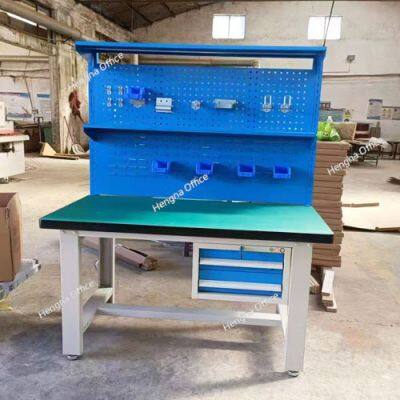
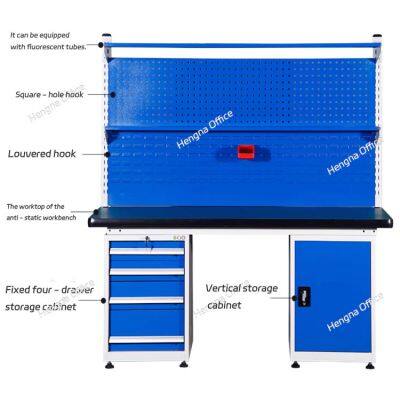
Multi Metal Work Benches Electrical Workshop Workbench|US$ 300 - 800MOQ: 2 Cases
-
Commercial Workbench Supplier |Multi Metal Work Bench With Drawers OMDUS$ 300 - 800MOQ: 2 Cases
-
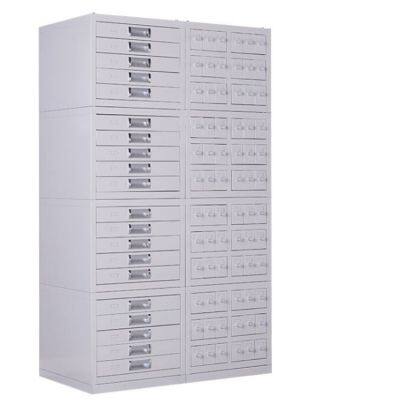
Pathological Ection Cabinet JTGZ062 Wax Block Cabinet for LaboratoryNegotiableMOQ: 10 Pieces
-
Durable Tool Storage in Factory HNGJ703 Hard Wearing Metal Industrial Tool ChestNegotiableMOQ: 18 Pieces
-
High - Quality CNC Workshop Tool Cabinet Heavyweight Workshop Tool OrganizerNegotiableMOQ: 10 Pieces
-
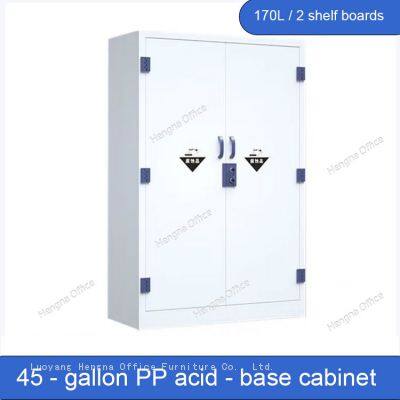
Laboratory Polyethylene Acid and Corrosive Chemicals Safety Storage PP CabinetUS$ 340 - 600MOQ: 5 Combos
-
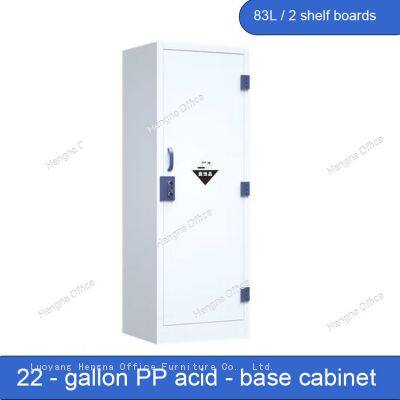
22 Gallons /80 L PP Acid - Base Cabinet: Safeguard Chemical Storage Supplier OEMUS$ 500 - 600MOQ: 5 Combos
-
4 - Gallon Corrosion-resistant Safety Cabinet for Hazardous Chemicals Acid SupplierUS$ 340 - 500MOQ: 5 Combos