
 Business License

School Electronic Lockers: Modern Campus Storage Solutions & Benefits
Transforming Campus Storage in the Digital Age
In today’s rapidly evolving educational landscape, schools and universities are embracing technological innovations that enhance both student experience and operational efficiency. Among these advancements, electronic lockers have emerged as transformative solutions addressing critical challenges in campus storage management. Modern educational institutions face increasing pressure to provide secure, convenient storage options while maintaining budget constraints and ensuring student safety. Electronic locker systems represent a strategic investment that delivers measurable benefits across multiple dimensions—from enhanced security to improved operational workflows. This comprehensive exploration examines how digital storage solutions are revolutionizing campus environments and creating more efficient, secure educational spaces for students and administrators alike.
Enhanced Security and Student Safety
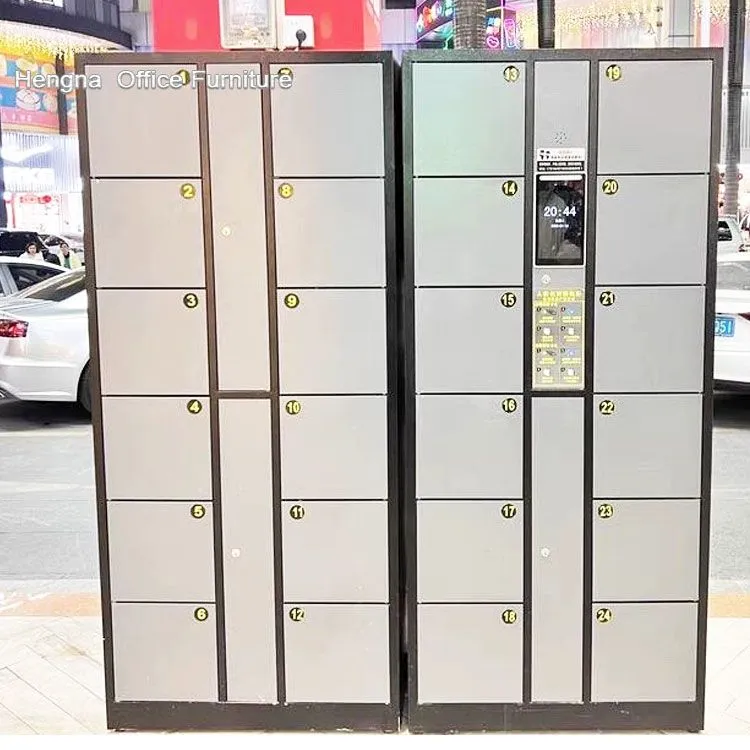
Security remains paramount in educational environments, where students must feel safe to focus on their academic pursuits. Traditional lockers with physical keys or combination locks present significant vulnerabilities, including lost keys, forgotten combinations, and unauthorized access through forced entry or lock manipulation. Electronic locker systems address these security concerns through advanced authentication mechanisms that provide multiple layers of protection.
Modern school electronic lockers employ RFID technology, biometric scanners, PIN codes, or mobile app integration to ensure only authorized students can access their assigned storage compartments. This multi-factor authentication approach reduces unauthorized access incidents by up to 90% compared to conventional systems. The comprehensive audit trails generated by electronic systems document every access attempt with precise timestamps and user identification, creating valuable documentation for security investigations and compliance reporting.
The psychological impact of enhanced security cannot be overstated—students who feel confident about their belongings’ safety demonstrate improved academic focus and reduced anxiety levels. Educational institutions implementing electronic locker systems report 35% fewer theft-related incidents and corresponding improvements in overall campus safety perceptions. These security enhancements contribute significantly to creating learning environments where students can thrive without concerns about personal property security.
Streamlined Student Experience and Convenience
Today’s digitally-native students expect seamless, technology-driven experiences across all aspects of their educational journey. Electronic lockers deliver the convenience and efficiency that modern students demand, eliminating common frustrations associated with traditional storage systems. The ability to access lockers using student ID cards, smartphone apps, or biometric identifiers creates frictionless experiences that align with students’ digital lifestyles.
Research indicates that 85% of students prefer electronic access methods over traditional keys or combinations, citing convenience and reliability as primary factors. The integration with mobile applications enables students to reserve lockers remotely, receive notifications about access times, and manage their storage digitally—features particularly valuable in large campus environments where students move between multiple buildings throughout their academic day.
The enhanced user experience extends beyond initial access to include features like real-time availability checking, automated rental extensions, and digital support for forgotten access credentials. These capabilities reduce administrative burdens while creating student-centric experiences that demonstrate institutional commitment to modern, technology-forward educational environments. Schools implementing electronic locker systems consistently report higher student satisfaction scores and improved retention rates, particularly among tech-savvy student populations.
Operational Efficiency and Administrative Benefits
For school administrators, the operational advantages of electronic locker systems translate directly into cost savings and improved staff productivity. Traditional locker management requires significant administrative resources for key distribution, combination resets, lost key replacements, and maintenance coordination. Electronic systems automate these processes, dramatically reducing the administrative overhead associated with storage management.
Educational institutions implementing electronic lockers report 60-70% reductions in administrative time spent managing storage systems. For a typical high school employing 2-3 administrative staff, this efficiency gain translates to 15-25 hours of recovered productivity weekly—time that can be redirected toward student services, academic support, or other mission-critical activities. The labor cost savings alone typically range from $20,000-35,000 annually for medium-sized educational institutions.
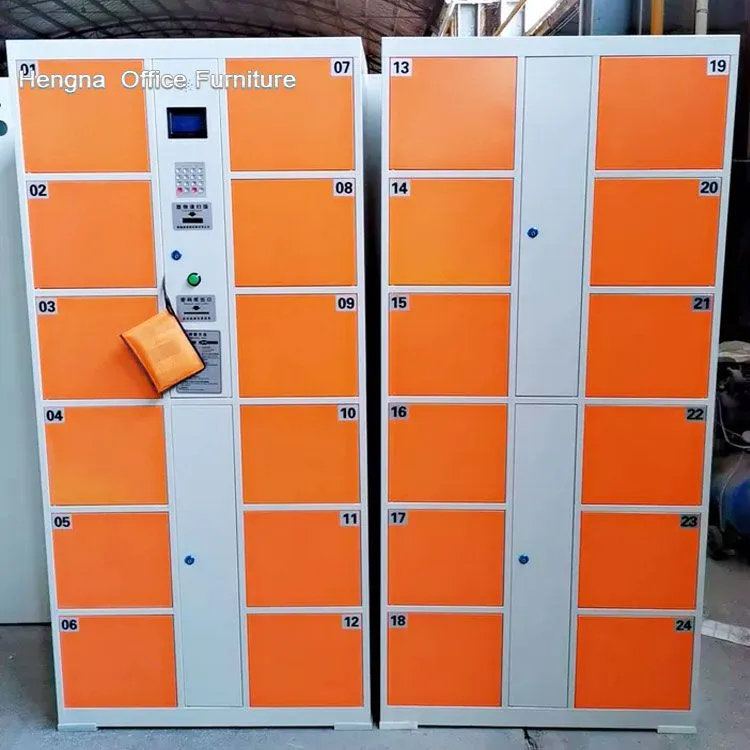
Maintenance costs also decrease significantly with electronic implementations. Traditional systems experience 2-3 times more service calls compared to electronic alternatives, with average repair costs ranging from $50-100 per incident. Electronic lockers, with their robust construction and predictive maintenance alerts, demonstrate failure rates below 1% annually and reduce emergency maintenance calls by 70%. The combination of reduced administrative requirements and lower maintenance expenses creates compelling operational efficiency that strengthens the overall investment justification.
Cost-Effectiveness and Long-Term Value
While electronic locker systems require higher initial investment compared to traditional alternatives, their long-term value proposition proves compelling for educational institutions operating under budget constraints. The total cost of ownership analysis reveals that electronic systems typically deliver 200-300% return on investment over a 10-year period through operational efficiencies, reduced maintenance costs, and enhanced durability.
The extended lifespan of electronic systems—typically 12-15 years compared to 5-7 years for traditional lockers—further enhances their cost-effectiveness. When calculating lifecycle costs, electronic lockers demonstrate 40-50% lower total ownership costs despite their premium initial pricing. This long-term value aligns perfectly with educational institutions’ needs for durable, sustainable infrastructure investments that deliver consistent value over extended periods.
Additional financial benefits include reduced replacement costs for lost keys, decreased liability insurance premiums due to enhanced security, and potential revenue generation through premium locker options or rental programs. Schools implementing electronic locker systems often achieve full ROI within 3-4 years, making them attractive investments for forward-thinking educational administrators.
Integration with Modern Educational Technology
Electronic locker systems excel in their ability to integrate seamlessly with existing educational technology ecosystems, creating cohesive digital environments that enhance overall campus functionality. Modern systems can connect with student information systems (SIS), learning management platforms (LMS), and campus security networks to create unified experiences that streamline administrative processes and improve service delivery.
The integration capabilities enable automated student provisioning based on enrollment status, course schedules, or housing assignments. When students register for classes or receive housing assignments, appropriate locker access is automatically granted and documented in the system. This automation eliminates manual administrative processes and ensures that access rights remain current throughout students’ academic careers.
Advanced electronic locker systems also support integration with mobile campus applications, creating comprehensive digital experiences that encompass storage management alongside other campus services. Students can access their lockers through the same applications they use for course registration, library services, or campus dining, creating unified digital ecosystems that enhance the overall educational experience.
Environmental Sustainability and Green Campus Initiatives
Modern educational institutions increasingly prioritize sustainability initiatives, and electronic locker systems contribute significantly to green campus goals. The energy-efficient designs of modern electronic systems minimize power consumption through LED lighting, sleep modes, and intelligent power management. These features reduce energy usage by 40-60% compared to continuously powered traditional systems.
The elimination of physical keys and combination locks reduces material waste and environmental impact associated with key replacement and lock maintenance. Electronic systems typically eliminate thousands of disposable keys and combination locks over their operational lifespan, contributing to waste reduction goals and supporting sustainable campus operations.
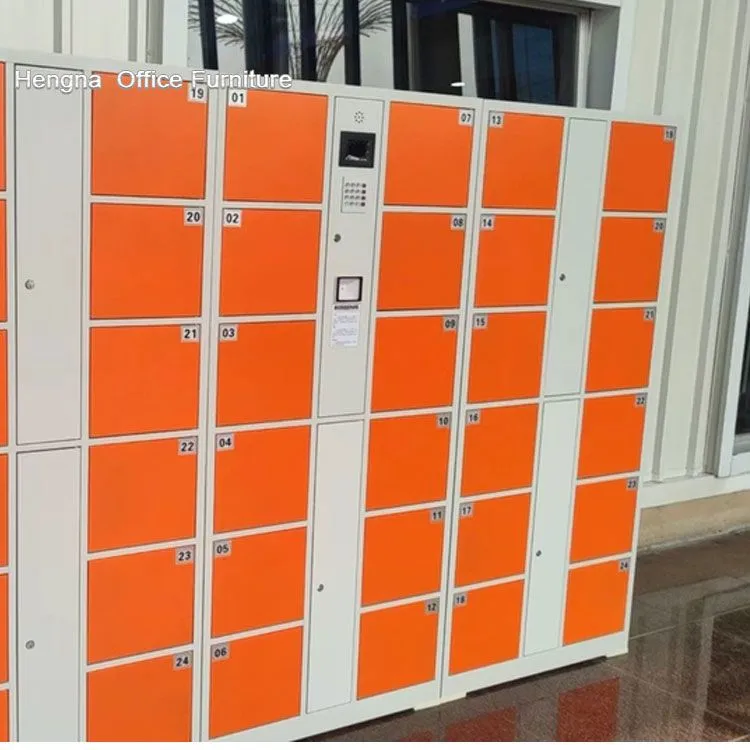
Many electronic locker manufacturers utilize recycled materials and environmentally responsible manufacturing processes, further enhancing their sustainability credentials. The extended operational lifespan of electronic systems also reduces replacement frequency and associated environmental impacts, aligning perfectly with educational institutions’ long-term sustainability objectives.
Implementation Best Practices for Educational Institutions
Successful implementation of electronic locker systems in educational environments requires careful planning and consideration of unique institutional requirements. Begin with comprehensive needs assessment, evaluating student population demographics, facility layouts, and current storage challenges. Elementary schools may prioritize enhanced security features and ease of use, while universities might focus on integration capabilities and high-volume processing.
Stakeholder engagement proves crucial throughout the implementation process. Involve IT departments for network integration considerations, facilities teams for installation requirements, and student representatives for user experience feedback. Comprehensive training programs ensure that administrative staff can effectively manage the system while students understand proper usage procedures and available features.
Phased implementation approaches often work best in educational environments, starting with pilot programs in specific buildings or departments before campus-wide deployment. This strategy allows for optimization based on real-world usage patterns and user feedback, ensuring successful system adoption and maximizing return on investment.
Future Trends and Emerging Technologies
The evolution of electronic locker technology continues to accelerate, with emerging trends promising even greater benefits for educational institutions. Artificial intelligence and machine learning capabilities are being integrated into locker management systems, enabling predictive analytics for maintenance needs, usage pattern optimization, and personalized student experiences.
Internet of Things (IoT) connectivity is expanding the functionality of electronic lockers, enabling features like environmental monitoring for sensitive equipment storage, automated inventory management for school-issued devices, and advanced security through facial recognition or behavioral analytics. These technological advancements transform simple storage solutions into comprehensive campus management tools.
Mobile-first design approaches are becoming standard, with student expectations driving demand for app-based locker management, digital notifications, and seamless integration with personal devices. Educational institutions embracing these technological trends position themselves at the forefront of innovation, creating campus environments that attract and retain tech-savvy students while preparing them for increasingly digital workplaces.
Strategic Investment in Modern Educational Infrastructure
School electronic lockers have evolved from simple storage solutions into comprehensive campus management tools that enhance security, improve operational efficiency, and create superior student experiences. The multifaceted benefits—ranging from enhanced security and convenience to operational cost savings and technological integration—make these systems essential components of modern educational infrastructure.
For educational institutions seeking to create safe, efficient, and technology-forward learning environments, electronic locker implementations represent strategic investments that deliver measurable returns across multiple dimensions. As education continues evolving toward digital transformation and student-centered models, these systems will play increasingly central roles in campus operations and student experience enhancement.
The question facing educational administrators is no longer whether to implement electronic locker systems, but how quickly they can be deployed to start capturing the competitive advantages and operational benefits they provide. In an increasingly competitive educational landscape, institutions embracing this technology position themselves for long-term success while creating environments where students can thrive safely and efficiently.
Ready to transform your campus storage infrastructure? Contact our education solutions team for a comprehensive assessment of electronic locker implementations tailored to your institution’s specific needs and technological requirements.

Recently Posted
-
Stainless Steel Shelving for Breweries and Wineries — What Survives Humidity, Alcohol Spills
July 24, 2026Stainless Steel Shelving for Breweries and Wineries — What Survives Humidity, Alcohol Spills, and Sanitizer Washdowns Three t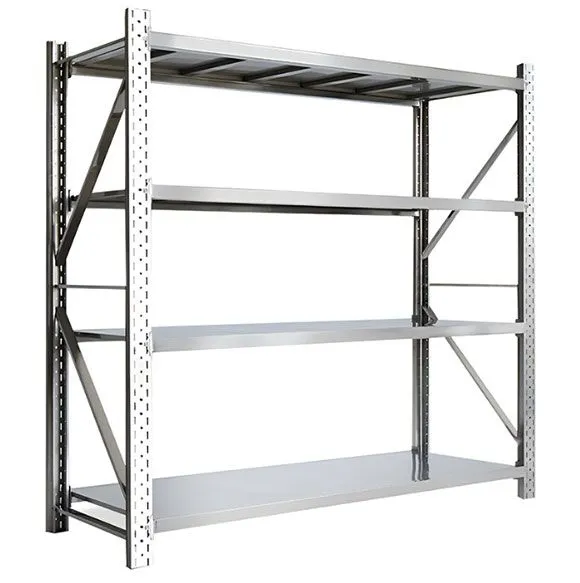 Read More
 -
Stainless Steel Shelving for Meat Processing Plants — What Holds Up Against Blood, Fat, and Daily Wa
July 24, 2026Meat plants are brutal on shelvingIf you work in a meat processing plant, you already know this. The rack that looked fine s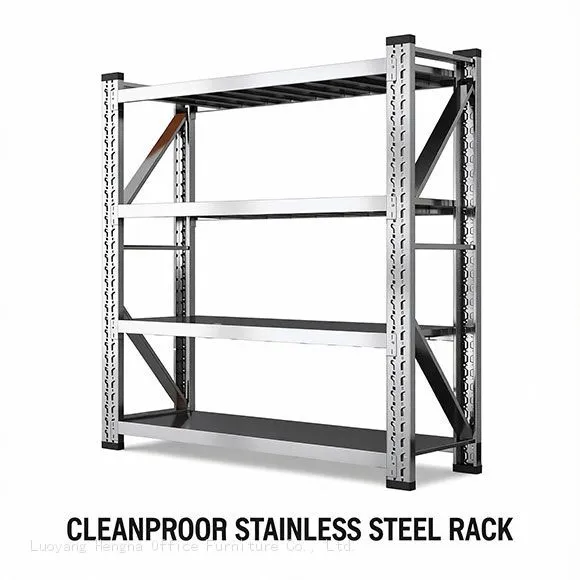 Read More
 -
0.6mm Steel Wardrobe vs 0.4mm — Why Cold-Rolled Single Door Metal Closet Lasts Longer
July 10, 2026The 0.2mm That Decides Whether You Buy One Wardrobe or ThreeTwo wardrobes look identical on a supplier's photo. Same door, sam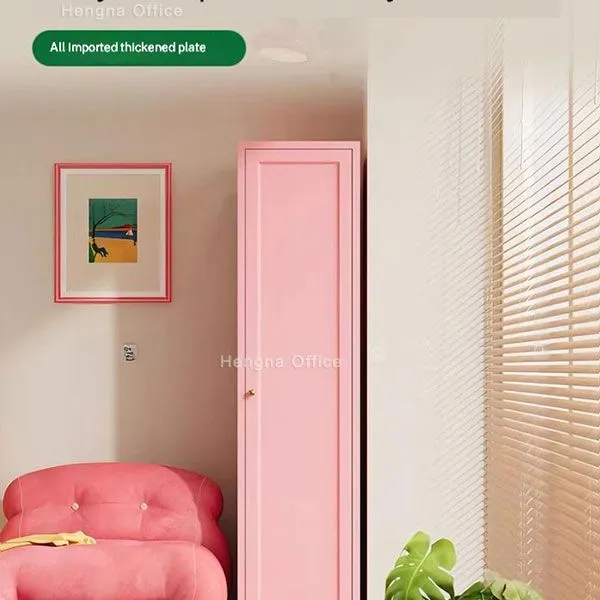 Read More
 -
Heavy Duty Tool Cabinet with Locks for School Shop: Stop Tool Theft Before It Happens
July 9, 2026A vocational school workshop isn't like a factory floor. The tools aren't being used by seasoned machinists who know where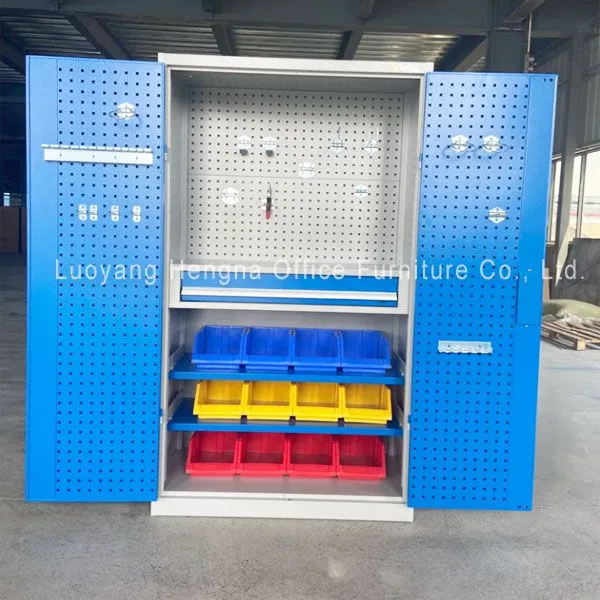 Read More

Contact Us
Recommended Products
-
 Industrial-Grade ABS Plastic Locker for Factory Staff and Warehouse Workers|Hengna OfficeUS$ 19 - 100MOQ: 5 Sets
 -
Outdoor ABS Locker Cabinet – UV-Resistant Plastic Storage for Poolside or Beach Resorts-Hengna OfficeUS$ 19 - 100MOQ: 5 Sets
-
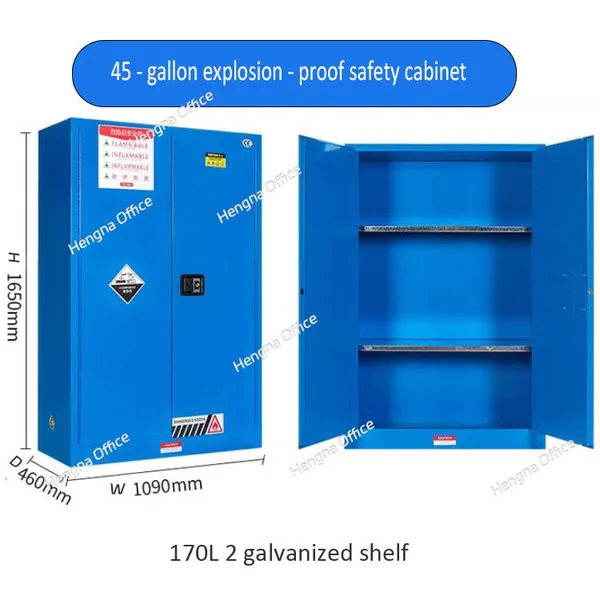
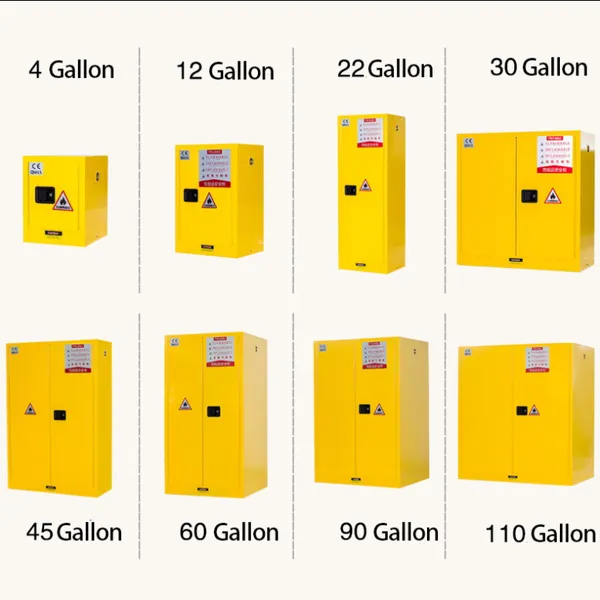
45 Gallon Explosion-Proof Flammable Liquid Storage Cabinet – Fire-Resistant Steel Safety Cabinet for FactoriesUS$ 68 - 400MOQ: 2 Combos
-
Flammable Storage Cabinet for Flammable Liquids – OSHA Certified Safety Cabinet With Fireproof Double WallsUS$ 68 - 400MOQ: 2 Combos
-
Large Capacity Flammable Liquid Storage Cabinet – Explosion-Proof Safety Cabinet for Laboratory & Workshop UseUS$ 68 - 400MOQ: 2 Combos
-
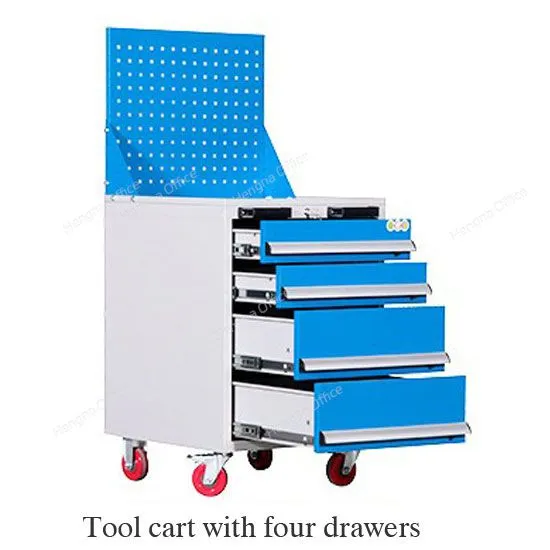
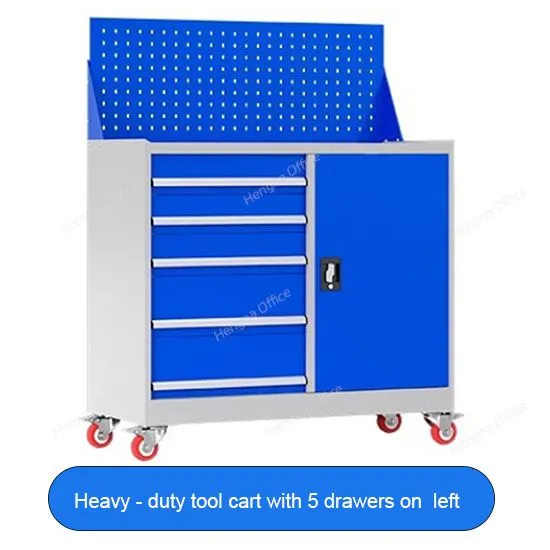
Heavy Duty Steel Tool Cart With Drawers for Workshops|Hengna OfficeUS$ 99 - 269MOQ: 2 Cases
-
Wholesale 3-Drawer Tool Trolley With Wheels for Factory and Garage StorageUS$ 99 - 269MOQ: 2 Cases
-
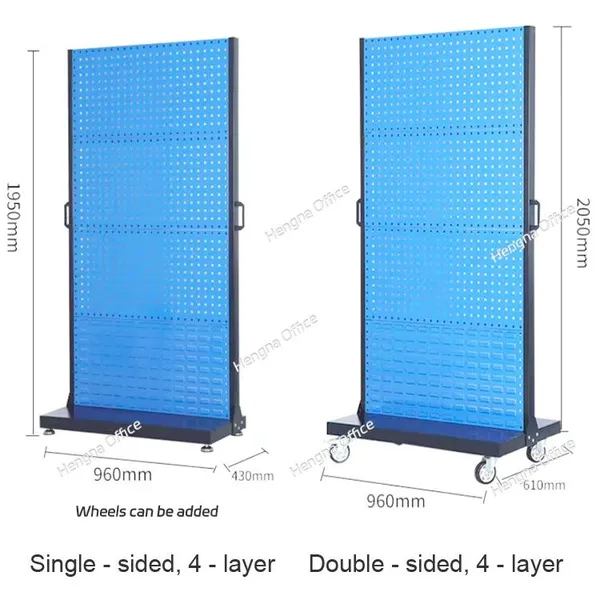
HN-wlj160 Industrial Rolling Tool Organizer With Pegboard|All-in-One Mobile Tool Storage CartUS$ 5 - 120MOQ: 2 Cases
-
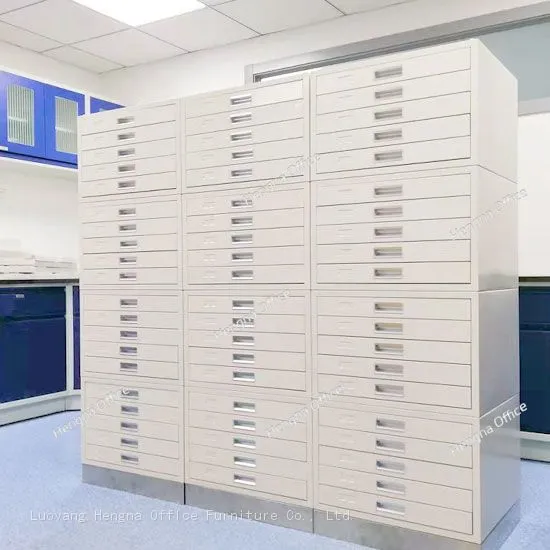
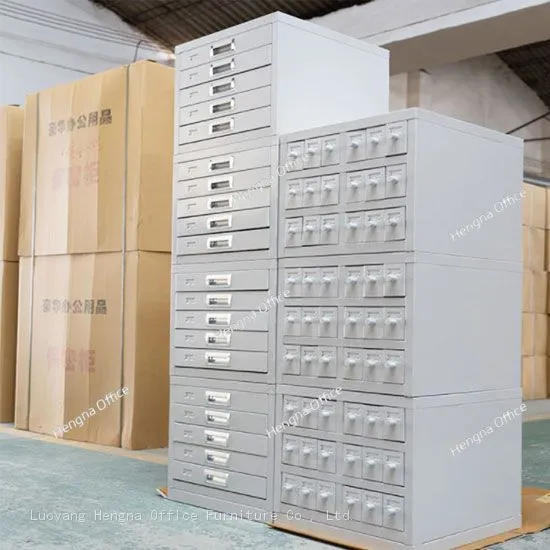
White Stackable Pathology Wax Block Storage Drawers for Labs Near London-Hengna OfficeNegotiableMOQ: 10 Pieces
-
Custom Paraffin Block Storage Cabinet for Histology Laboratories – Factory Direct From Hengna FurnitureNegotiableMOQ: 10 Pieces
-
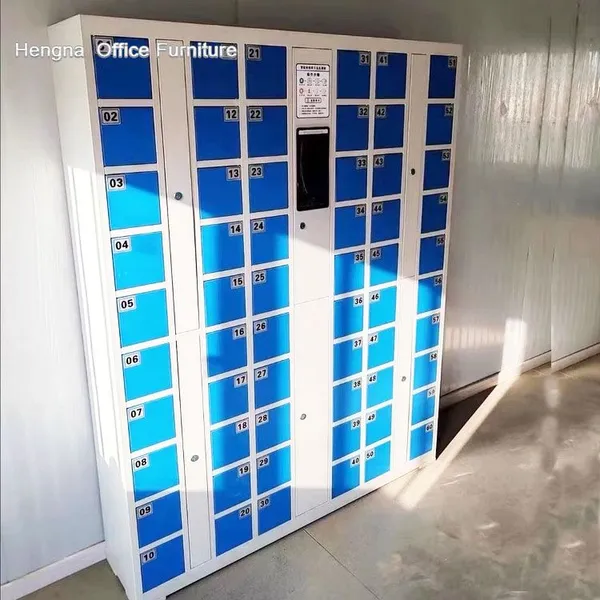
Smart Phone Charging Locker 40-door|Fingerprint Lockers Intelligent Parcel Delivery CabinetUS$ 203 - 750MOQ: 15 Pieces
-
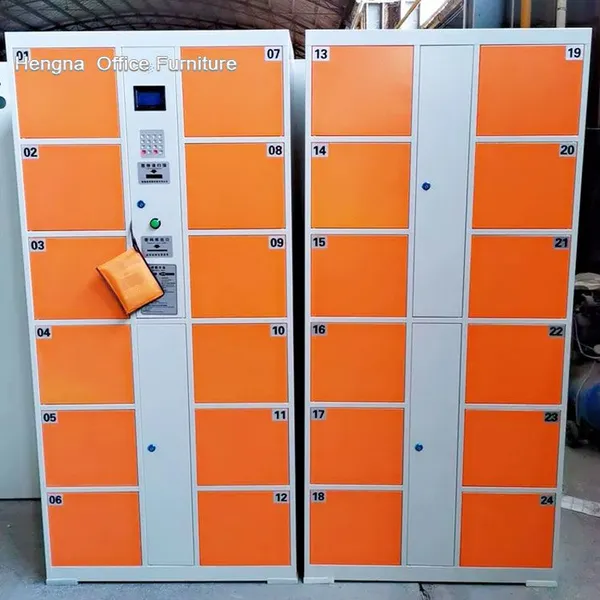
School Gym Lockers Price |Parcel Delivery Storage Locker 12-door FactoryUS$ 203 - 750MOQ: 15 Pieces
-
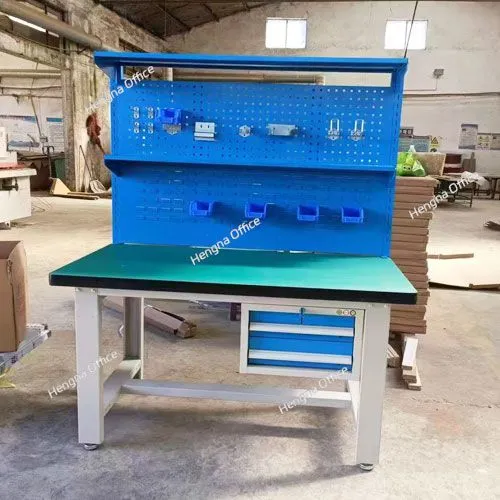
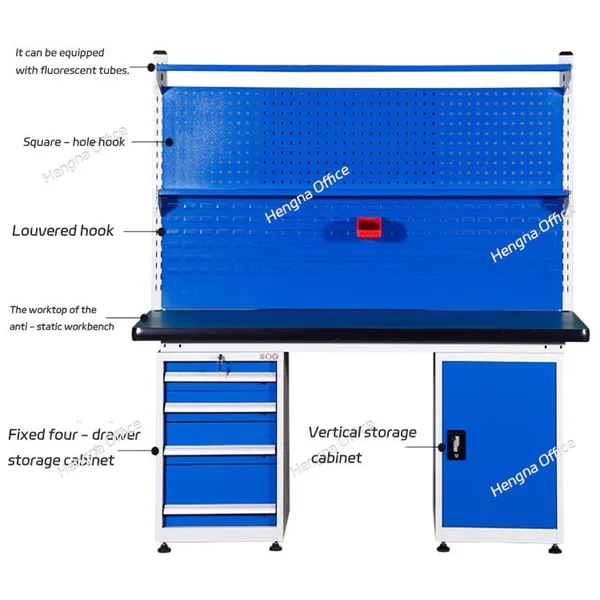
Multi Metal Work Benches Electrical Workshop Workbench|US$ 300 - 800MOQ: 2 Cases
-
Commercial Workbench Supplier |Multi Metal Work Bench With Drawers OMDUS$ 300 - 800MOQ: 2 Cases
-
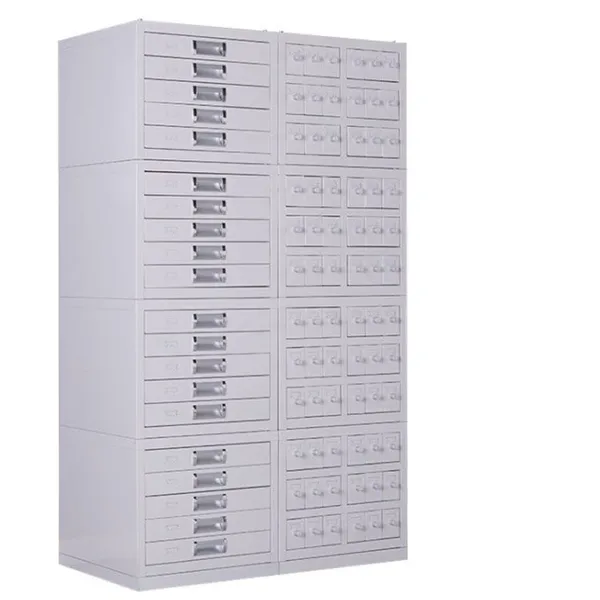
Pathological Ection Cabinet JTGZ062 Wax Block Cabinet for LaboratoryNegotiableMOQ: 10 Pieces
-
Durable Tool Storage in Factory HNGJ703 Hard Wearing Metal Industrial Tool ChestNegotiableMOQ: 18 Pieces
-
High - Quality CNC Workshop Tool Cabinet Heavyweight Workshop Tool OrganizerNegotiableMOQ: 10 Pieces
-
Laboratory Polyethylene Acid and Corrosive Chemicals Safety Storage PP CabinetUS$ 340 - 600MOQ: 5 Combos
-
22 Gallons /80 L PP Acid - Base Cabinet: Safeguard Chemical Storage Supplier OEMUS$ 500 - 600MOQ: 5 Combos
-
4 - Gallon Corrosion-resistant Safety Cabinet for Hazardous Chemicals Acid SupplierUS$ 340 - 500MOQ: 5 Combos