
 Business License

The Ultimate Guide to Implementing RFID Lockers in Corporate Environments
Transforming Corporate Storage with RFID Technology
In today’s rapidly evolving corporate landscape, efficient storage solutions have become critical components of workplace infrastructure. RFID lockers represent a revolutionary advancement in secure storage technology, offering unprecedented convenience, security, and operational efficiency for modern businesses. As organizations increasingly prioritize employee experience and operational optimization, implementing RFID locker systems has emerged as a strategic investment that delivers measurable returns across multiple business dimensions. This comprehensive guide explores the essential considerations, implementation strategies, and best practices for successfully deploying RFID lockers in corporate environments.
Understanding RFID Technology: The Foundation of Smart Storage
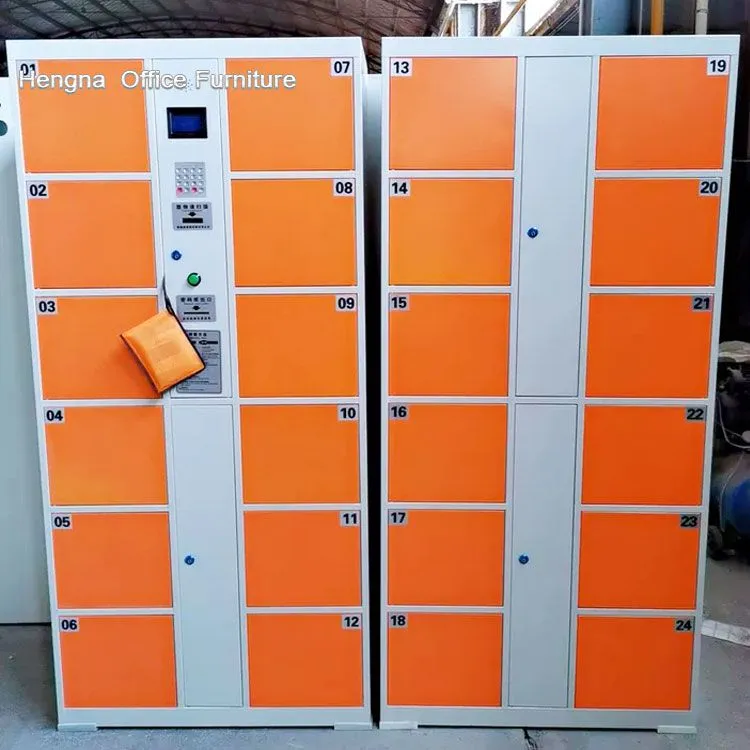
Radio Frequency Identification (RFID) technology forms the backbone of modern electronic locker systems, utilizing electromagnetic fields to automatically identify and track tags attached to objects. In corporate locker applications, RFID technology enables contactless access control, real-time monitoring, and seamless integration with existing security infrastructure. Unlike traditional key or combination systems, RFID lockers eliminate physical contact points, reducing wear and tear while enhancing user experience through swift, hassle-free access.
The technology operates through readers that emit radio signals, powering passive tags embedded in employee ID cards or dedicated fobs. When presented within range (typically 2-4 inches), these tags transmit unique identifiers that the system verifies against authorized user databases. This sophisticated authentication process occurs within milliseconds, enabling fluid movement through high-traffic corporate environments while maintaining stringent security protocols.
Pre-Implementation Assessment: Critical Planning Considerations
Before deploying RFID locker systems, corporate facility managers must conduct comprehensive assessments to ensure successful implementation. Begin by evaluating current storage challenges, including security incidents, access delays, and maintenance costs associated with existing systems. Analyze user traffic patterns to determine optimal locker placement and capacity requirements, considering peak usage times and departmental needs.
Budget planning should encompass not only hardware costs but also software licensing, installation, training, and ongoing maintenance expenses. Organizations typically invest $15,000-50,000 for comprehensive RFID locker implementations, with ROI realization occurring within 18-24 months through operational efficiencies and enhanced security.
Stakeholder engagement proves equally crucial during planning phases. Involve IT departments for network integration considerations, security teams for protocol alignment, and human resources for policy development. Employee feedback collection helps identify specific pain points and desired features, ensuring the implemented system addresses actual user needs rather than perceived requirements.
Step-by-Step Implementation Framework
Phase 1: Infrastructure Preparation
Begin with thorough site assessment, evaluating power availability, network connectivity, and physical space constraints. Ensure adequate electrical outlets near installation locations and verify Wi-Fi coverage or Ethernet access for system connectivity. Physical installation areas should provide sufficient clearance for door operation and maintenance access while complying with accessibility requirements.
Phase 2: System Configuration
Configure the RFID locker management software to align with corporate security protocols and user management systems. Establish user access levels based on employee roles, departments, or clearance requirements. Implement automated provisioning processes that synchronize with HR databases, ensuring seamless access grant and revocation as employee status changes.
Phase 3: Hardware Installation
Professional installation typically requires 2-3 days for standard corporate deployments. Certified technicians mount locker units, connect power and data systems, and integrate with existing security infrastructure. Thorough testing follows installation, verifying reader sensitivity, response times, and emergency override functionality.
Phase 4: User Training and Deployment
Develop comprehensive training programs for employees and administrators. Create user guides, video tutorials, and quick-reference materials addressing common scenarios. Conduct rollout sessions demonstrating proper usage procedures and security protocols. Establish help desk support protocols to address user questions and technical issues promptly.
Integration with Corporate Systems
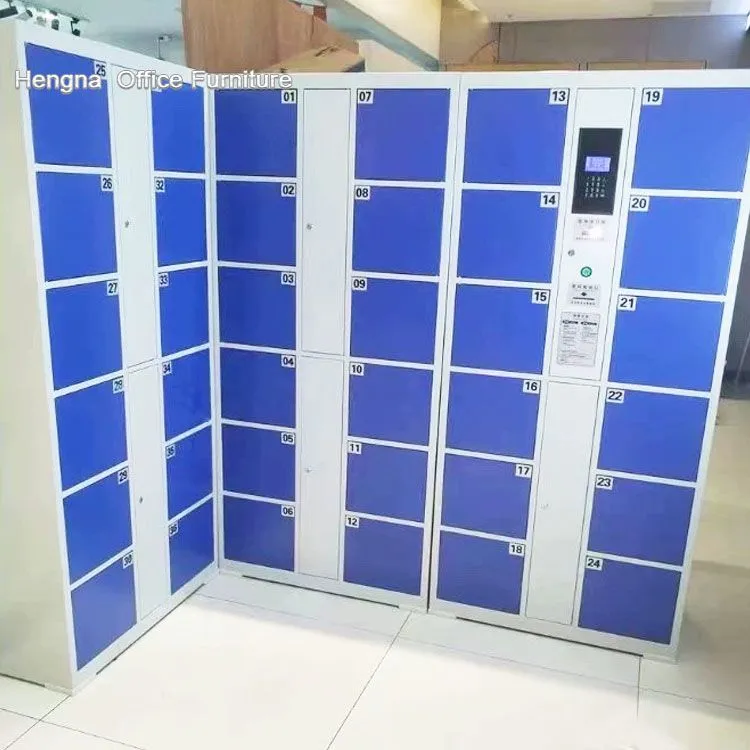
Successful RFID locker implementations extend beyond standalone functionality, integrating seamlessly with existing corporate systems. Connect locker management platforms with access control systems to enable single-card solutions for building entry and locker access. Integrate with visitor management systems to provide temporary storage credentials for guests and contractors.
Network integration enables remote monitoring and management capabilities, allowing facility administrators to track usage patterns, receive maintenance alerts, and generate utilization reports. API connections with HR databases automate user provisioning based on employment status, reducing administrative overhead and ensuring access rights remain current.
For organizations with advanced security requirements, integrate RFID lockers with surveillance systems to create comprehensive audit trails documenting both locker access and surrounding area activities. This multi-layered security approach provides enhanced protection for sensitive corporate assets and employee belongings.
Maximizing ROI Through Strategic Implementation
Organizations implementing RFID lockers typically realize returns through multiple channels. Labor cost reductions occur through automated access management, eliminating manual key distribution and combination resets. Maintenance expenses decrease by 60-70% compared to traditional systems, while enhanced security reduces theft-related losses by up to 80%.
Additional ROI sources include improved space utilization through real-time occupancy monitoring, enhanced employee satisfaction through convenient access experiences, and reduced administrative overhead through automated user management. Quantify these benefits during planning phases to build comprehensive business cases supporting implementation investments.
Best Practices for Long-Term Success
Establish clear usage policies outlining acceptable items, access protocols, and security responsibilities. Implement regular maintenance schedules including reader calibration, battery replacement, and software updates. Conduct periodic security audits to identify potential vulnerabilities and ensure compliance with corporate standards.
Monitor usage analytics to optimize placement and capacity allocation, identifying opportunities for expansion or reconfiguration based on actual utilization patterns. Stay informed about technological advancements and plan for system upgrades to maintain compatibility with emerging RFID standards and corporate technologies.
Overcoming Common Implementation Challenges
Technical challenges during implementation typically include reader interference from metallic surfaces or competing radio frequencies. Address these issues through proper reader placement, shielding materials, and frequency selection. User adoption challenges often arise from resistance to change or unfamiliarity with RFID technology—mitigate through comprehensive training and clear communication of benefits.
Integration difficulties may occur when connecting with legacy corporate systems. Resolve through thorough compatibility testing during planning phases and engagement of experienced integration specialists. Budget constraints can be addressed through phased implementations, prioritizing high-traffic areas or critical departments for initial deployment.
Strategic Investment in Corporate Infrastructure
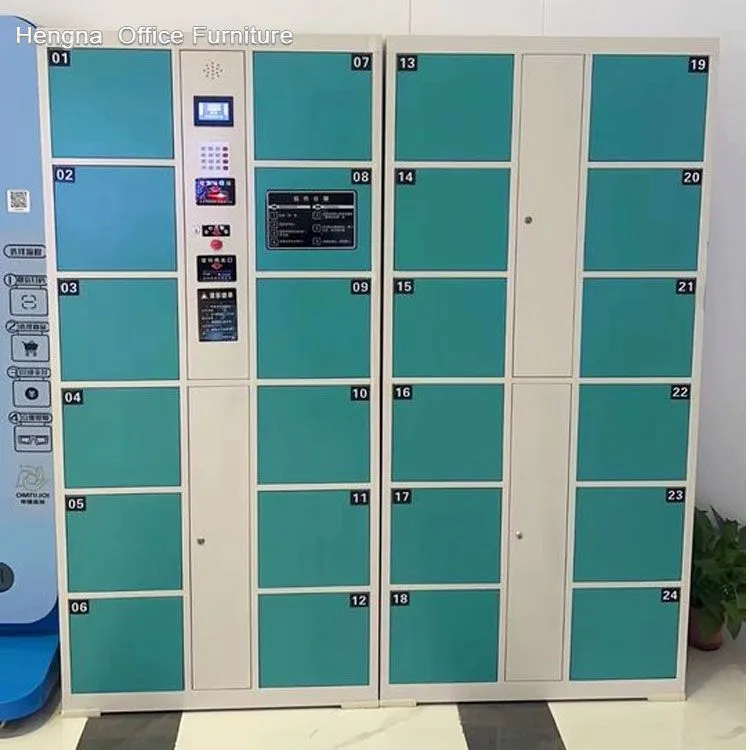
RFID locker implementations represent strategic investments in corporate infrastructure that deliver measurable returns through enhanced security, operational efficiency, and employee satisfaction. By following comprehensive planning methodologies, implementing systematic deployment processes, and maintaining focus on long-term optimization, organizations can successfully leverage this technology to create modern, efficient workplace environments.
As corporate environments continue evolving toward digital transformation and employee-centric design, RFID lockers emerge as essential components supporting both operational excellence and competitive differentiation. Organizations embracing this technology position themselves at the forefront of workplace innovation, creating environments that attract and retain top talent while optimizing operational performance.
Ready to transform your corporate storage infrastructure? Contact our workplace solutions team for a customized assessment of RFID locker implementation strategies tailored to your organization’s specific needs and objectives.

Recently Posted
-
Stainless Steel Shelving for Breweries and Wineries — What Survives Humidity, Alcohol Spills
July 24, 2026Stainless Steel Shelving for Breweries and Wineries — What Survives Humidity, Alcohol Spills, and Sanitizer Washdowns Three t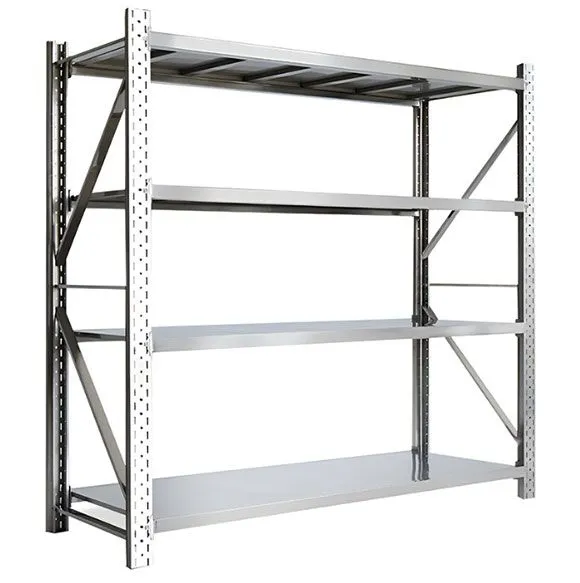 Read More
 -
Stainless Steel Shelving for Meat Processing Plants — What Holds Up Against Blood, Fat, and Daily Wa
July 24, 2026Meat plants are brutal on shelvingIf you work in a meat processing plant, you already know this. The rack that looked fine s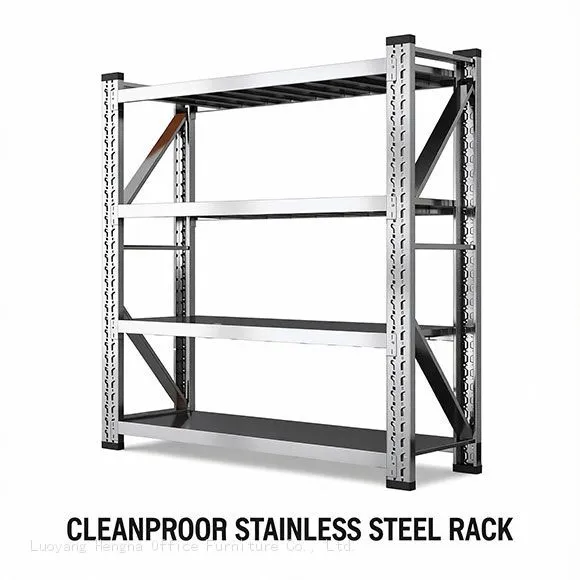 Read More
 -
0.6mm Steel Wardrobe vs 0.4mm — Why Cold-Rolled Single Door Metal Closet Lasts Longer
July 10, 2026The 0.2mm That Decides Whether You Buy One Wardrobe or ThreeTwo wardrobes look identical on a supplier's photo. Same door, sam Read More
 -
Heavy Duty Tool Cabinet with Locks for School Shop: Stop Tool Theft Before It Happens
July 9, 2026A vocational school workshop isn't like a factory floor. The tools aren't being used by seasoned machinists who know where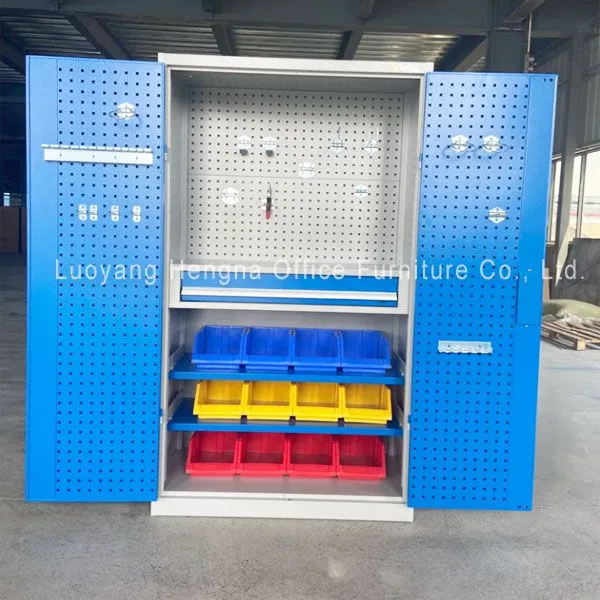 Read More

Contact Us
Recommended Products
-
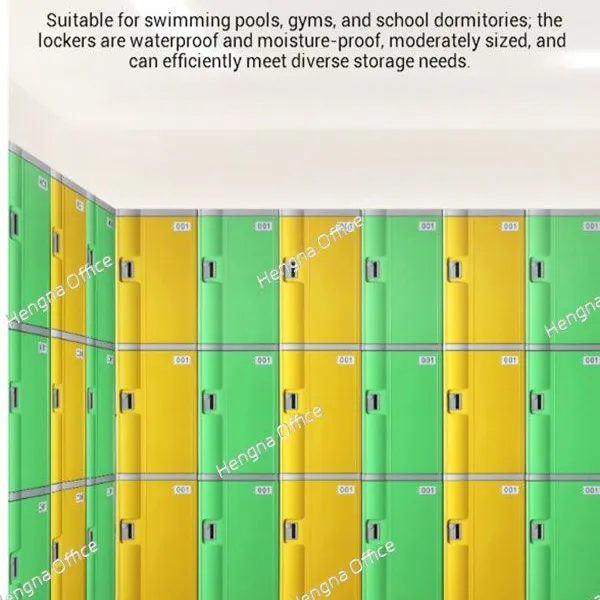
 Industrial-Grade ABS Plastic Locker for Factory Staff and Warehouse Workers|Hengna OfficeUS$ 19 - 100MOQ: 5 Sets
 -
Outdoor ABS Locker Cabinet – UV-Resistant Plastic Storage for Poolside or Beach Resorts-Hengna OfficeUS$ 19 - 100MOQ: 5 Sets
-
45 Gallon Explosion-Proof Flammable Liquid Storage Cabinet – Fire-Resistant Steel Safety Cabinet for FactoriesUS$ 68 - 400MOQ: 2 Combos
-
Flammable Storage Cabinet for Flammable Liquids – OSHA Certified Safety Cabinet With Fireproof Double WallsUS$ 68 - 400MOQ: 2 Combos
-
Large Capacity Flammable Liquid Storage Cabinet – Explosion-Proof Safety Cabinet for Laboratory & Workshop UseUS$ 68 - 400MOQ: 2 Combos
-
Heavy Duty Steel Tool Cart With Drawers for Workshops|Hengna OfficeUS$ 99 - 269MOQ: 2 Cases
-
Wholesale 3-Drawer Tool Trolley With Wheels for Factory and Garage StorageUS$ 99 - 269MOQ: 2 Cases
-
HN-wlj160 Industrial Rolling Tool Organizer With Pegboard|All-in-One Mobile Tool Storage CartUS$ 5 - 120MOQ: 2 Cases
-
White Stackable Pathology Wax Block Storage Drawers for Labs Near London-Hengna OfficeNegotiableMOQ: 10 Pieces
-
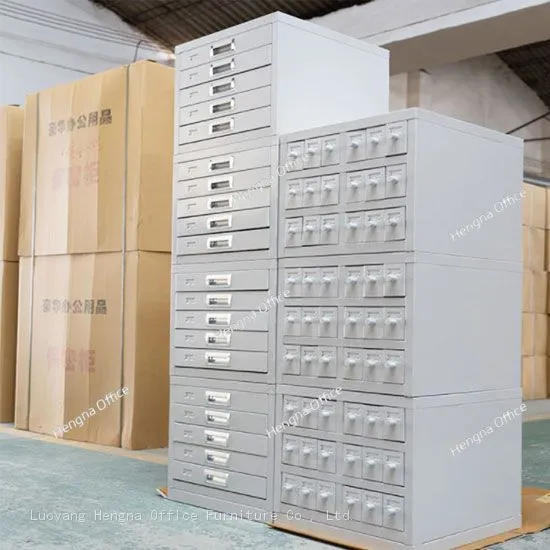
Custom Paraffin Block Storage Cabinet for Histology Laboratories – Factory Direct From Hengna FurnitureNegotiableMOQ: 10 Pieces
-
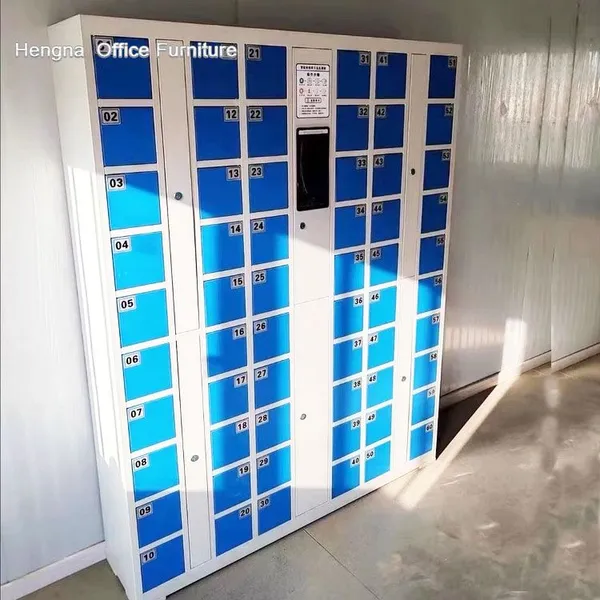
Smart Phone Charging Locker 40-door|Fingerprint Lockers Intelligent Parcel Delivery CabinetUS$ 203 - 750MOQ: 15 Pieces
-
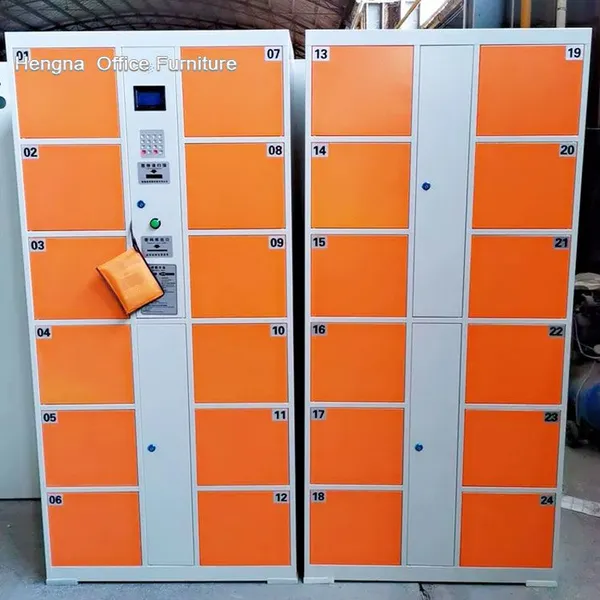
School Gym Lockers Price |Parcel Delivery Storage Locker 12-door FactoryUS$ 203 - 750MOQ: 15 Pieces
-
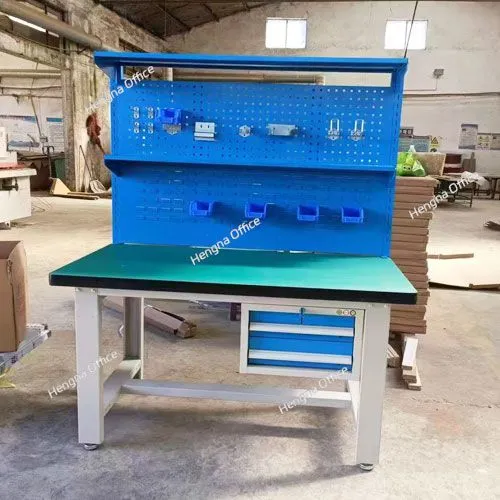
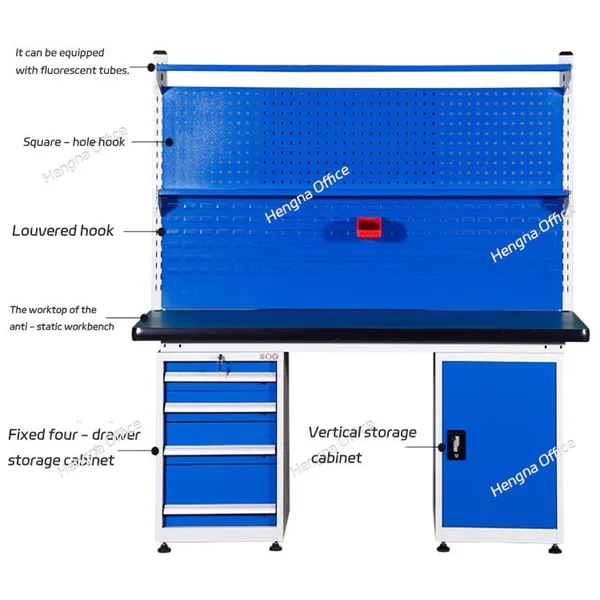
Multi Metal Work Benches Electrical Workshop Workbench|US$ 300 - 800MOQ: 2 Cases
-
Commercial Workbench Supplier |Multi Metal Work Bench With Drawers OMDUS$ 300 - 800MOQ: 2 Cases
-
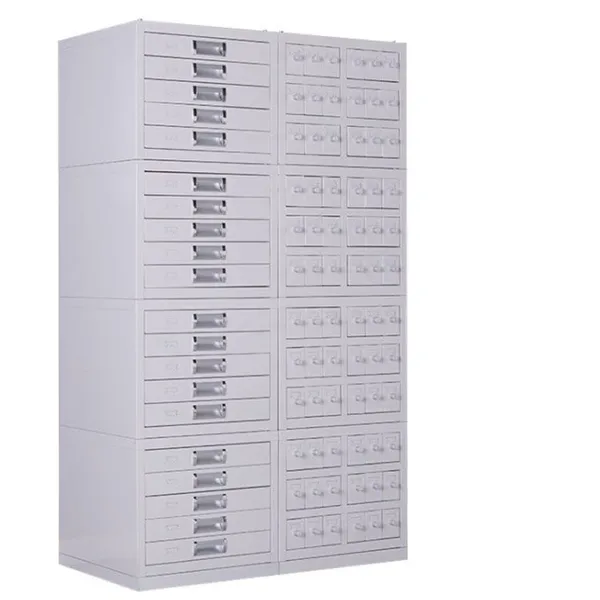
Pathological Ection Cabinet JTGZ062 Wax Block Cabinet for LaboratoryNegotiableMOQ: 10 Pieces
-
Durable Tool Storage in Factory HNGJ703 Hard Wearing Metal Industrial Tool ChestNegotiableMOQ: 18 Pieces
-
High - Quality CNC Workshop Tool Cabinet Heavyweight Workshop Tool OrganizerNegotiableMOQ: 10 Pieces
-
Laboratory Polyethylene Acid and Corrosive Chemicals Safety Storage PP CabinetUS$ 340 - 600MOQ: 5 Combos
-
22 Gallons /80 L PP Acid - Base Cabinet: Safeguard Chemical Storage Supplier OEMUS$ 500 - 600MOQ: 5 Combos
-
4 - Gallon Corrosion-resistant Safety Cabinet for Hazardous Chemicals Acid SupplierUS$ 340 - 500MOQ: 5 Combos