
 Business License

How Electronic Lockers Increase ROI: Complete Cost-Benefit Analysis for Business Owners
The Smart Investment Transforming Business Operations
In today’s competitive business landscape, every investment decision must demonstrate clear returns. Electronic lockers have emerged as a strategic asset that delivers measurable ROI across multiple business dimensions. From reducing operational costs to enhancing security and improving customer experience, these intelligent storage solutions are proving their worth far beyond their initial price tag. This comprehensive cost-benefit analysis reveals how electronic lockers are becoming essential investments for forward-thinking business owners seeking competitive advantages and sustainable growth.
Initial Investment: Breaking Down the Numbers
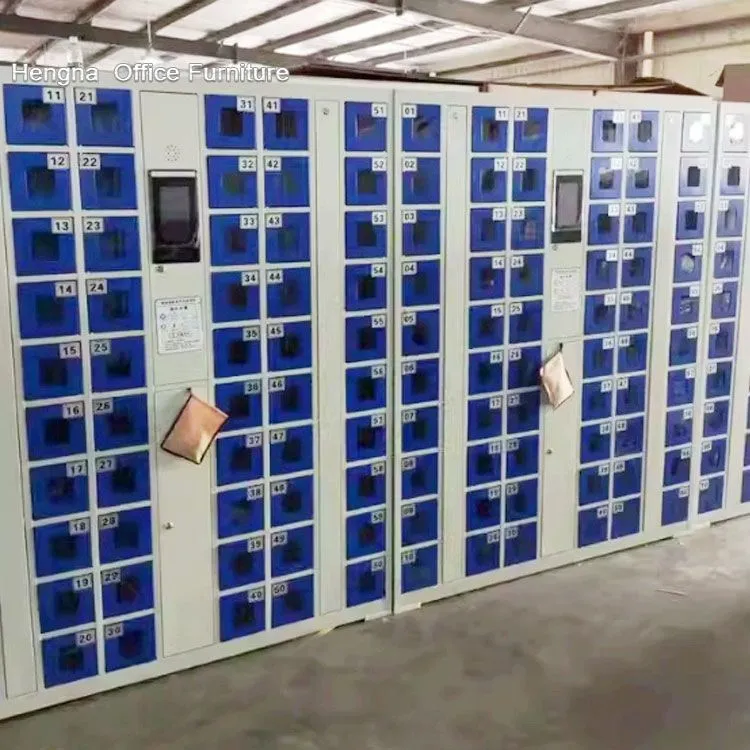
The upfront cost of electronic locker systems typically ranges from $15,000 to$50,000, depending on configuration, capacity, and features. While this initial investment may seem substantial, it’s crucial to understand what this expenditure includes:
Hardware Costs: $8,000-$25,000 for locker units with electronic components
Software Integration: $2,000-$8,000 for management systems and APIs
Installation: $1,500-$5,000 for professional setup and configuration
Training: $500-$2,000 for staff education and system familiarization
Maintenance Contracts: $1,000-$3,000 annually for ongoing support
When compared to traditional locker systems, electronic solutions represent approximately 30-50% higher initial investment. However, the long-term benefits far outweigh this premium, with most businesses achieving full ROI within 18-24 months.
Operational Cost Reduction: The Hidden Savings
Labor Cost Optimization
Traditional locker management requires significant human resources for key distribution, maintenance, and oversight. Electronic lockers automate these processes, delivering substantial labor savings:
Reduced Staff Hours: Businesses report 60-80% reduction in time spent managing locker operations
Elimination of Key Management: No more key cutting, replacement, or tracking requirements
Streamlined Check-in/Check-out: Automated processes reduce front desk workload by 40-50%
Maintenance and Replacement Savings
Electronic lockers demonstrate superior durability and lower maintenance requirements:
Extended Lifespan: Electronic systems typically last 10-15 years compared to 5-7 years for traditional lockers
Reduced Repair Costs: 70% fewer maintenance calls due to robust construction and reliable electronics
No Key Replacement Expenses: Eliminates ongoing costs associated with lost or damaged keys
Energy Efficiency Benefits
Modern electronic lockers incorporate energy-saving technologies:
Low Power Consumption: LED lighting and sleep modes reduce energy usage by 40-60%
Battery Backup Systems: Minimize downtime during power outages
Smart Power Management: Automatic shutdown during non-operational hours
Efficiency Gains: The Productivity Multiplier
Streamlined Operations
Electronic locker systems transform business processes through automation and intelligent management:
24/7 Access Capability: Eliminates staffing requirements for after-hours access
Real-time Monitoring: Instant status updates prevent bottlenecks and optimize utilization
Automated Reporting: Data analytics provide insights for operational improvements
Enhanced Customer Experience
Improved service quality directly impacts revenue and customer retention:
Reduced Wait Times: 50-70% faster access compared to traditional systems
Increased Customer Satisfaction: Survey data shows 85% customer preference for electronic access
Higher Service Capacity: Businesses report 25-35% increase in service throughput
Space Optimization
Electronic lockers maximize space utilization efficiency:
Compact Design: 20-30% smaller footprint than traditional systems
Flexible Configuration: Modular designs adapt to changing business needs
Vertical Integration: Multi-story installations optimize floor space usage
Risk Mitigation: The Unquantifiable Benefits
Enhanced Security Features
Electronic lockers provide superior protection for assets and information:
Advanced Access Control: Multi-factor authentication reduces unauthorized access by 90%
Comprehensive Audit Trails: Detailed logging supports compliance and investigations
Remote Monitoring: Real-time alerts prevent security breaches
Liability Reduction
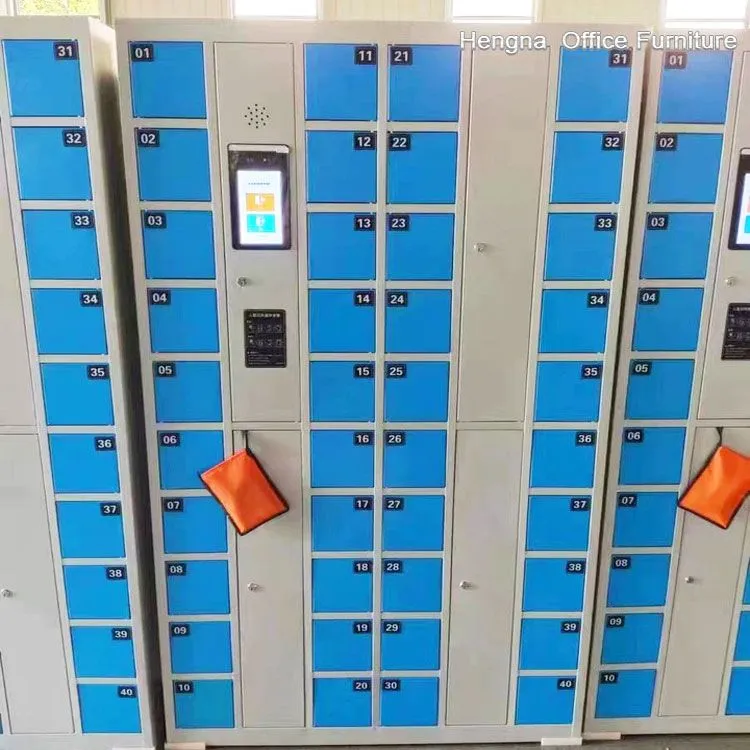
Improved security and access control minimize business risks:
Reduced Theft Incidents: Businesses report 75% decrease in theft-related losses
Insurance Premium Benefits: Many insurers offer 5-15% discounts for electronic security systems
Compliance Support: Audit trails and access logs support regulatory requirements
Business Continuity
Electronic systems ensure operational resilience:
Backup Power Systems: Maintain functionality during power outages
Remote Management: Continue operations during staff shortages or emergencies
Scalable Architecture: Systems grow with business needs without complete replacement
Real-World ROI Case Studies
Corporate Office Implementation
A mid-sized technology company installed 48 electronic lockers for employee use, achieving:
Initial Investment: $28,500
Annual Savings: $22,400 (labor, maintenance, key replacement)
ROI Timeline: 16 months
5-Year Total Return: $112,000 (394% ROI)
Fitness Center Deployment
A premium gym chain implemented electronic lockers across 10 locations:
Total Investment: $350,000
Annual Revenue Increase: $125,000 (enhanced member experience, premium pricing)
Annual Cost Savings: $85,000 (staff reduction, maintenance)
ROI Timeline: 18 months
5-Year Total Return: $1,050,000 (300% ROI)
Hospital Storage Solution
A regional medical center deployed electronic lockers for staff and patient storage:
Initial Investment: $180,000
Annual Operational Savings: $95,000
Risk Reduction Value: $50,000 annually (theft prevention, compliance)
ROI Timeline: 14 months
5-Year Total Return: $725,000 (403% ROI)
Calculating Your ROI: A Practical Framework
Step 1: Identify Current Costs
Calculate your existing locker-related expenses:
Staff time for locker management
Key replacement and maintenance costs
Security incident costs
Space utilization inefficiencies
Step 2: Project Electronic Locker Benefits
Estimate savings and gains:
Labor reduction (typically 60-80%)
Maintenance savings (70% reduction)
Efficiency improvements (25-35% capacity increase)
Risk reduction (varies by industry)
Step 3: Consider Intangible Benefits
Factor in qualitative advantages:
Enhanced brand image
Improved customer satisfaction
Competitive differentiation
Future-proofing capabilities
Industry-Specific ROI Considerations
Corporate Environments
Focus on employee productivity and administrative efficiency:
Average ROI: 250-400% over 5 years
Payback period: 14-20 months
Key drivers: Labor savings, space optimization, security enhancement
Hospitality and Recreation
Emphasize customer experience and revenue generation:
Average ROI: 300-500% over 5 years
Payback period: 12-18 months
Key drivers: Premium pricing capability, customer retention, operational efficiency
Healthcare Facilities
Prioritize security, compliance, and risk management:
Average ROI: 350-450% over 5 years
Payback period: 12-16 months
Key drivers: Risk reduction, compliance support, operational efficiency
Implementation Best Practices for Maximum ROI
Strategic Planning
Conduct thorough needs assessment
Choose scalable solutions
Plan for integration with existing systems
Consider future growth requirements
Vendor Selection Criteria
Evaluate total cost of ownership
Assess reliability and support quality
Verify security certifications
Check integration capabilities
Change Management
Develop comprehensive training programs
Communicate benefits to stakeholders
Monitor adoption and usage patterns
Continuously optimize processes
The Strategic Investment Decision
Electronic lockers represent far more than simple storage solutions—they are strategic business assets delivering measurable returns across multiple dimensions. The combination of operational efficiency, cost reduction, risk mitigation, and enhanced user experience creates compelling value propositions for businesses across all sectors.
With typical ROI ranging from 250-500% over five years and payback periods between 12-20 months, electronic lockers have become essential investments for competitive businesses. The technology continues evolving, with advances in IoT integration, artificial intelligence, and enhanced security features promising even greater returns in the future.
For business owners seeking to optimize operations, reduce costs, and enhance security, electronic lockers offer a proven path to improved profitability and competitive advantage. The question is no longer whether to invest in electronic lockers, but how quickly they can be implemented to start delivering measurable returns.
Ready to calculate your specific ROI potential? Contact our business solutions team for a customized cost-benefit analysis tailored to your unique business requirements and operational context.

Recently Posted
-
Stainless Steel Shelving for Breweries and Wineries — What Survives Humidity, Alcohol Spills
July 24, 2026Stainless Steel Shelving for Breweries and Wineries — What Survives Humidity, Alcohol Spills, and Sanitizer Washdowns Three t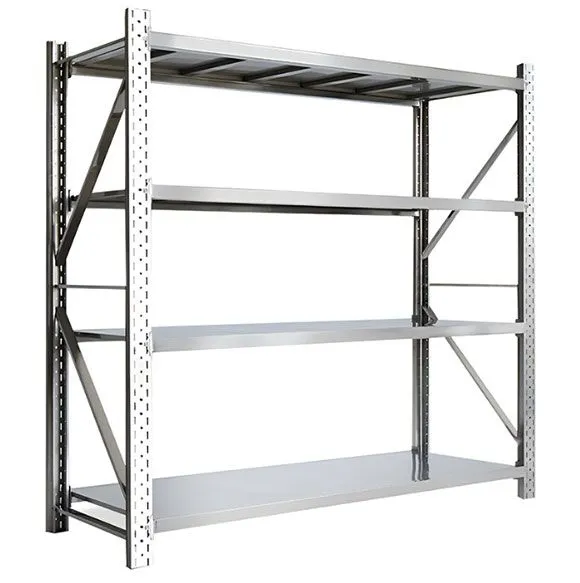 Read More
 -
Stainless Steel Shelving for Meat Processing Plants — What Holds Up Against Blood, Fat, and Daily Wa
July 24, 2026Meat plants are brutal on shelvingIf you work in a meat processing plant, you already know this. The rack that looked fine s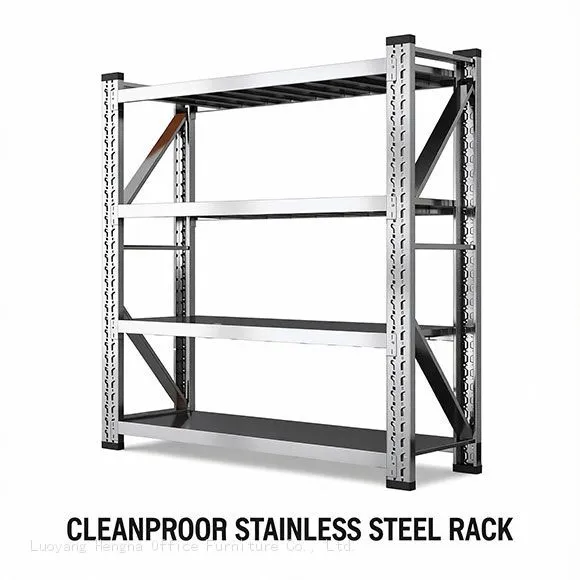 Read More
 -
0.6mm Steel Wardrobe vs 0.4mm — Why Cold-Rolled Single Door Metal Closet Lasts Longer
July 10, 2026The 0.2mm That Decides Whether You Buy One Wardrobe or ThreeTwo wardrobes look identical on a supplier's photo. Same door, sam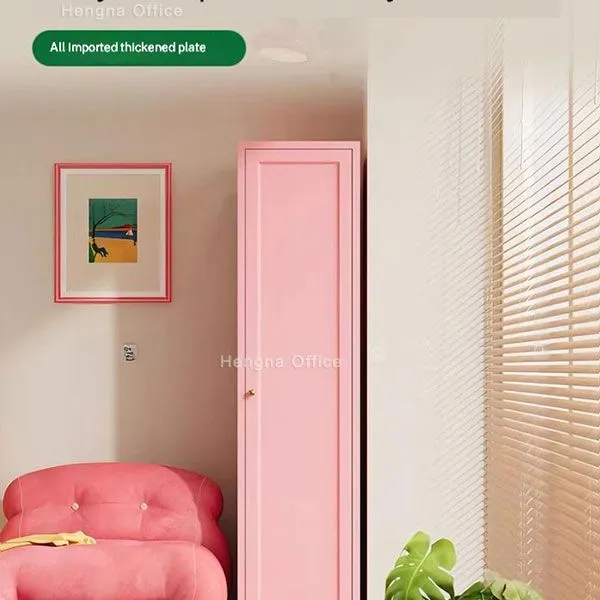 Read More
 -
Heavy Duty Tool Cabinet with Locks for School Shop: Stop Tool Theft Before It Happens
July 9, 2026A vocational school workshop isn't like a factory floor. The tools aren't being used by seasoned machinists who know where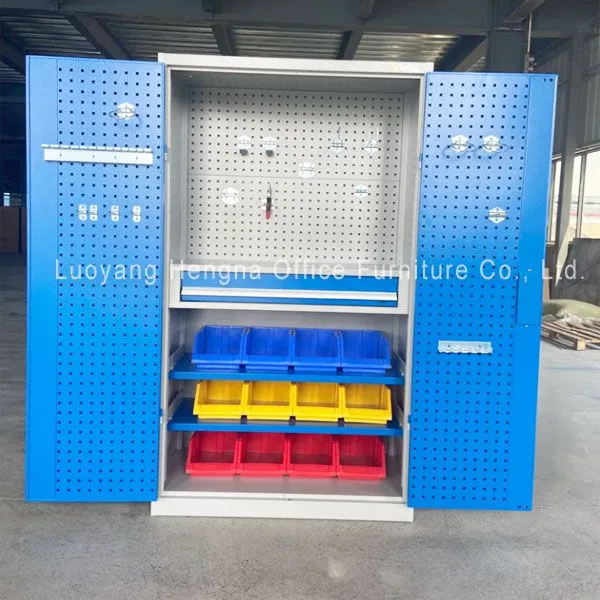 Read More

Contact Us
Recommended Products
-
 Industrial-Grade ABS Plastic Locker for Factory Staff and Warehouse Workers|Hengna OfficeUS$ 19 - 100MOQ: 5 Sets
 -
Outdoor ABS Locker Cabinet – UV-Resistant Plastic Storage for Poolside or Beach Resorts-Hengna OfficeUS$ 19 - 100MOQ: 5 Sets
-
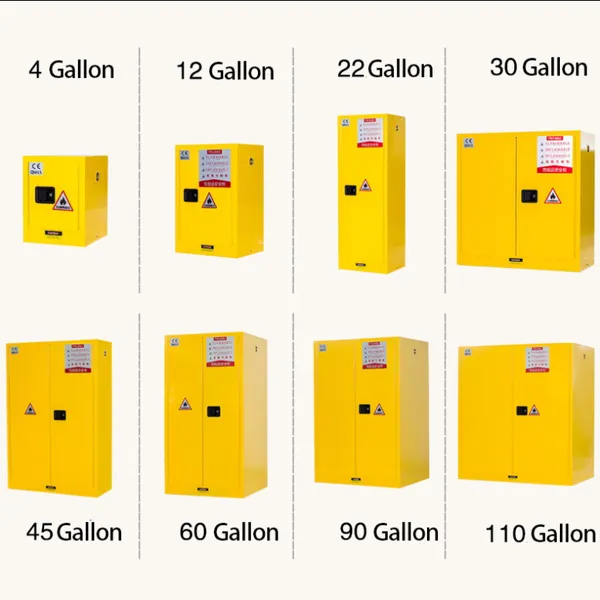
45 Gallon Explosion-Proof Flammable Liquid Storage Cabinet – Fire-Resistant Steel Safety Cabinet for FactoriesUS$ 68 - 400MOQ: 2 Combos
-
Flammable Storage Cabinet for Flammable Liquids – OSHA Certified Safety Cabinet With Fireproof Double WallsUS$ 68 - 400MOQ: 2 Combos
-
Large Capacity Flammable Liquid Storage Cabinet – Explosion-Proof Safety Cabinet for Laboratory & Workshop UseUS$ 68 - 400MOQ: 2 Combos
-
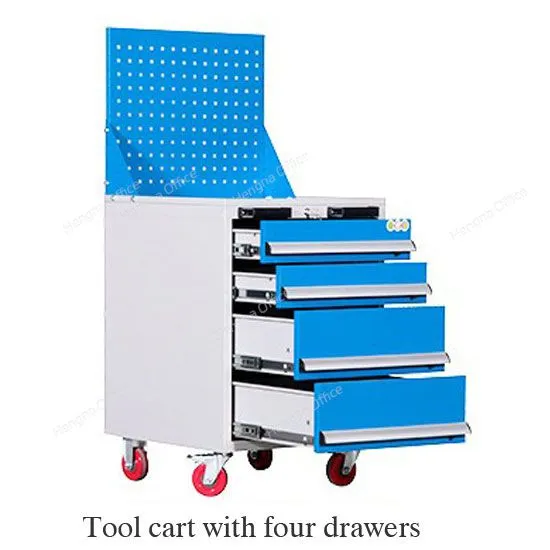
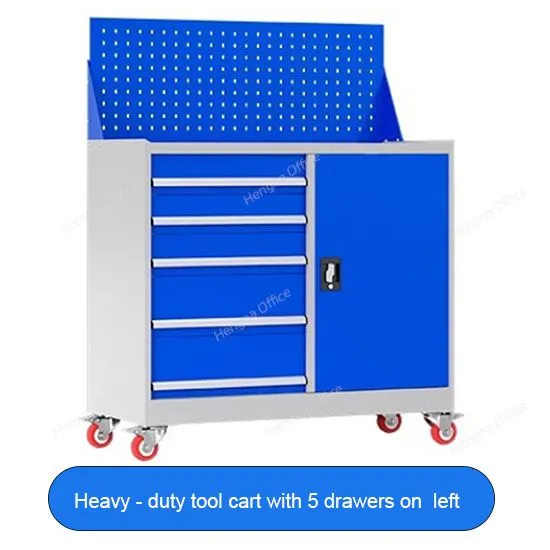
Heavy Duty Steel Tool Cart With Drawers for Workshops|Hengna OfficeUS$ 99 - 269MOQ: 2 Cases
-
Wholesale 3-Drawer Tool Trolley With Wheels for Factory and Garage StorageUS$ 99 - 269MOQ: 2 Cases
-
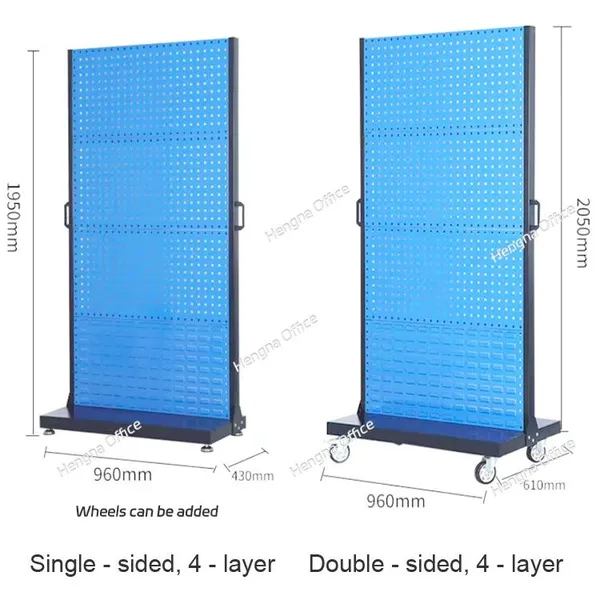
HN-wlj160 Industrial Rolling Tool Organizer With Pegboard|All-in-One Mobile Tool Storage CartUS$ 5 - 120MOQ: 2 Cases
-
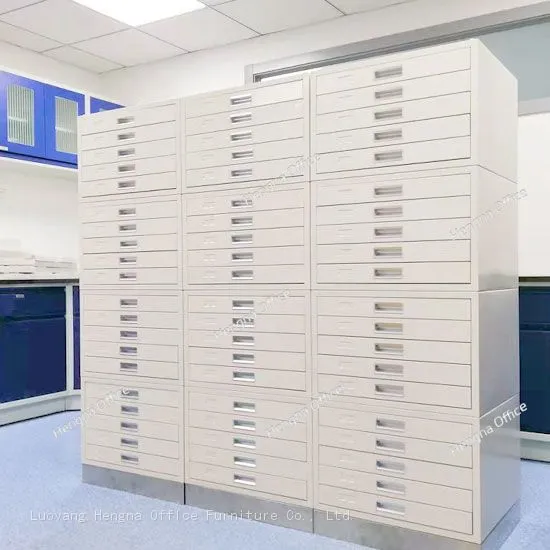
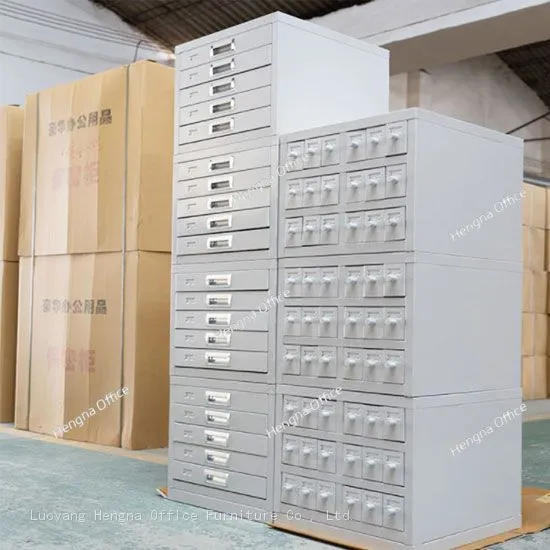
White Stackable Pathology Wax Block Storage Drawers for Labs Near London-Hengna OfficeNegotiableMOQ: 10 Pieces
-
Custom Paraffin Block Storage Cabinet for Histology Laboratories – Factory Direct From Hengna FurnitureNegotiableMOQ: 10 Pieces
-
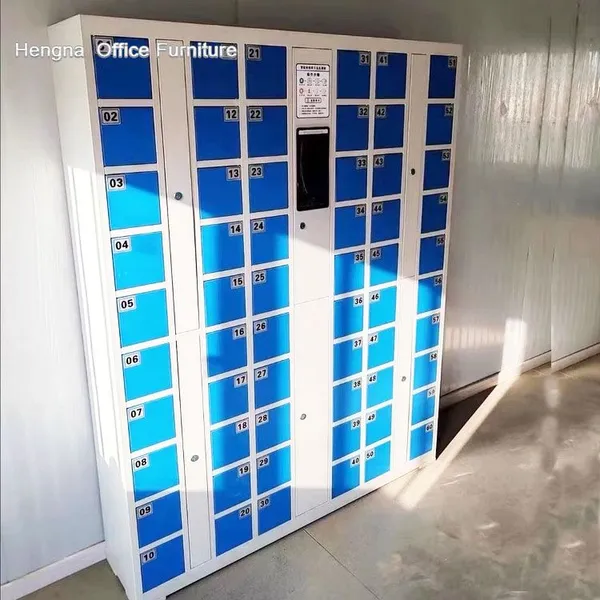
Smart Phone Charging Locker 40-door|Fingerprint Lockers Intelligent Parcel Delivery CabinetUS$ 203 - 750MOQ: 15 Pieces
-
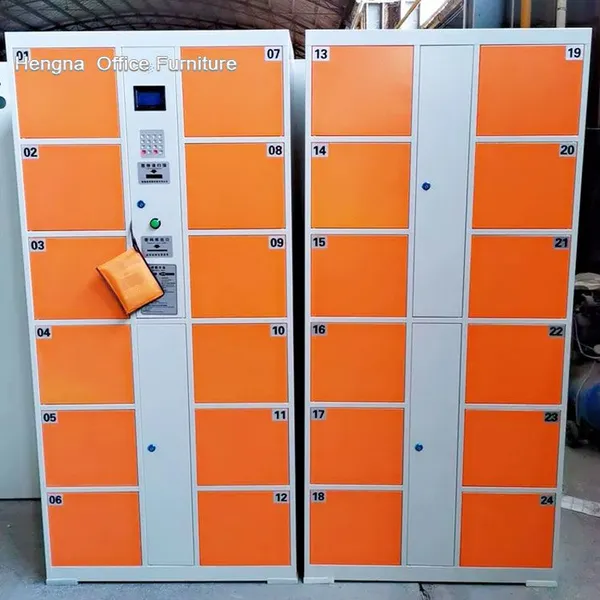
School Gym Lockers Price |Parcel Delivery Storage Locker 12-door FactoryUS$ 203 - 750MOQ: 15 Pieces
-
Multi Metal Work Benches Electrical Workshop Workbench|US$ 300 - 800MOQ: 2 Cases
-
Commercial Workbench Supplier |Multi Metal Work Bench With Drawers OMDUS$ 300 - 800MOQ: 2 Cases
-
Pathological Ection Cabinet JTGZ062 Wax Block Cabinet for LaboratoryNegotiableMOQ: 10 Pieces
-
Durable Tool Storage in Factory HNGJ703 Hard Wearing Metal Industrial Tool ChestNegotiableMOQ: 18 Pieces
-
High - Quality CNC Workshop Tool Cabinet Heavyweight Workshop Tool OrganizerNegotiableMOQ: 10 Pieces
-
Laboratory Polyethylene Acid and Corrosive Chemicals Safety Storage PP CabinetUS$ 340 - 600MOQ: 5 Combos
-
22 Gallons /80 L PP Acid - Base Cabinet: Safeguard Chemical Storage Supplier OEMUS$ 500 - 600MOQ: 5 Combos
-
4 - Gallon Corrosion-resistant Safety Cabinet for Hazardous Chemicals Acid SupplierUS$ 340 - 500MOQ: 5 Combos