
 Business License
Safety First! Heavy Workbench Design Features That Prevent Workplace Accidents and Injuries
The Critical Role of Workbench Safety in Industrial Environments
In today’s industrial workplaces, heavy workbench safety represents a fundamental aspect of operational excellence and employee protection. Every year, countless workplace accidents occur due to poorly designed or inadequately maintained workstations, resulting in injuries, lost productivity, and significant financial costs. A well-designed heavy workbench serves as more than just a functional workspace—it becomes a critical safety system that protects workers from a multitude of potential hazards. From preventing repetitive strain injuries to stopping catastrophic equipment failures, modern workbench engineering incorporates numerous safety features that often go unnoticed until they prevent an accident. This comprehensive guide explores the essential safety design features that transform ordinary workbenches into guardians of workplace safety.
Structural Integrity: The Foundation of Workbench Safety
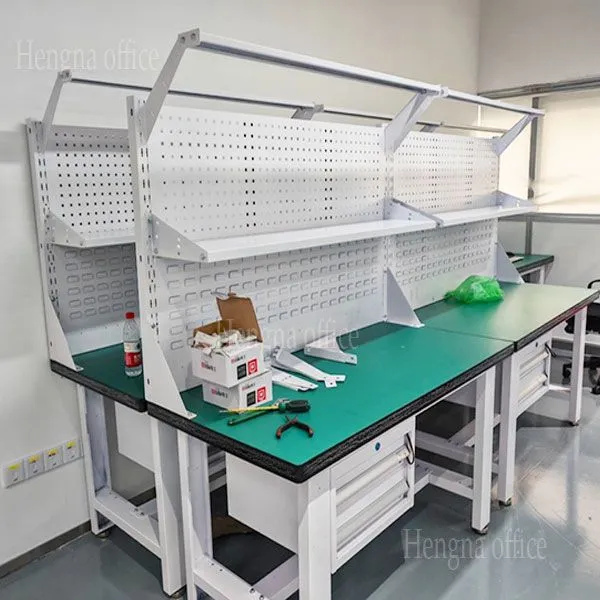
The structural stability of a heavy workbench forms the cornerstone of workplace safety. When supporting thousands of pounds of equipment and materials, any compromise in structural integrity can lead to catastrophic failures. Premium workbenches are engineered with reinforced steel frames that feature comprehensive safety factors typically ranging from 1.5x to 2.0x beyond their rated capacity. This engineering approach ensures that even under extreme conditions, the workbench maintains its structural integrity without deformation or collapse.
Critical Structural Safety Features:
Welded Frame Construction: Unlike bolted alternatives that can loosen over time, fully welded frames create monolithic structures that distribute stress evenly across all components. This welding process eliminates weak points where fatigue could accumulate and lead to sudden failure during heavy use.
Cross-Bracing Systems: Strategic cross-bracing prevents racking and twisting forces that could compromise stability. These diagonal supports work in concert with vertical legs to create a rigid structure that resists lateral forces, preventing tipping even when loads are unevenly distributed.
Reinforced Load Points: High-stress areas where legs connect to the work surface receive additional reinforcement through gussets, thicker steel sections, or specialized mounting plates. These reinforcements prevent stress concentration that could lead to material fatigue over time.
Anti-Vibration Design: Quality workbenches incorporate features that dampen vibrations from machinery or impact forces, preventing the gradual loosening of components and reducing the risk of structural failure during operation.
Ergonomic Engineering: Preventing Musculoskeletal Injuries
Ergonomic design represents one of the most significant advances in workbench safety, directly addressing the prevention of musculoskeletal disorders that account for numerous workplace injuries annually. Modern heavy workbenches incorporate sophisticated ergonomic features that reduce physical strain and minimize the risk of repetitive stress injuries.
Essential Ergonomic Safety Features:
Adjustable Height Mechanisms: The ability to modify work surface height allows workers to maintain proper posture regardless of their height or task requirements. Proper positioning reduces strain on the back, shoulders, and neck—areas commonly affected by workplace injuries. Height adjustment systems typically range from 24 to 48 inches, accommodating both seated and standing work positions.
Rounded Edge Design: Sharp edges on work surfaces represent a significant injury hazard, particularly in busy industrial environments. Premium workbenches feature rounded or beveled edges with minimum radius requirements that prevent cuts and abrasions while also reducing pressure points on forearms during extended work periods.
Optimal Work Surface Depth: Carefully calibrated surface dimensions ensure that workers can reach all areas without overextending or adopting awkward positions. This prevents strain injuries while maintaining productivity and reducing the risk of accidents caused by overreaching.
Clear Under-Bench Space: Unobstructed knee and leg room prevents awkward positioning and allows workers to move naturally around the workstation, reducing the risk of trips and falls while providing proper posture support.
Material Safety: Chemical and Fire Resistance
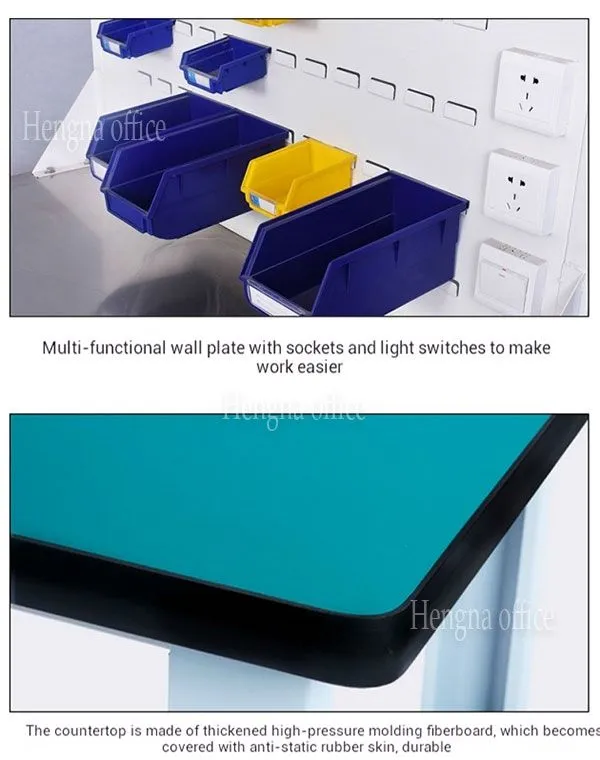
Industrial workbenches must withstand exposure to various hazardous materials while maintaining their structural integrity and protecting workers from chemical injuries. Material selection plays a crucial role in workbench safety, with different surfaces and treatments designed for specific industrial environments.
Protective Material Features:
Chemical-Resistant Surfaces: Work surfaces treated with specialized coatings resist damage from oils, solvents, acids, and other industrial chemicals. These protective layers prevent chemical degradation that could compromise structural integrity while also preventing skin contact with hazardous substances.
Non-Porous Work Surfaces: Impermeable materials prevent absorption of liquids and contaminants, reducing the risk of chemical exposure and making cleanup easier and more effective. This feature is particularly important in environments where hazardous materials are handled regularly.
Fire-Resistant Materials: In environments where welding, cutting, or other hot work occurs, workbenches constructed from fire-resistant materials prevent the spread of flames and reduce fire risk. Steel frames and specialized composite surfaces can withstand high temperatures without compromising safety.
Anti-Static Properties: For electronics manufacturing and other sensitive environments, workbenches with electrostatic discharge (ESD) protection prevent static buildup that could damage components or cause electrical shocks.
Load Management Safety Features
Proper load distribution and management represent critical aspects of workbench safety, preventing overloading failures that could cause serious injuries. Modern heavy workbenches incorporate numerous features to ensure safe load handling.
Load Safety Systems:
Weight Capacity Indicators: Clear, permanent markings indicating maximum safe load capacities prevent accidental overloading that could lead to structural failure. These indicators are typically placed in highly visible locations and include both distributed and point load limits.
Reinforced Shelf Systems: For workbenches with integrated storage, shelf systems feature weight ratings and reinforcement that prevent collapse under heavy loads. Full-extension slides with locking mechanisms prevent accidental drawer removal that could cause tipping.
Secure Fastening Systems: Workbenches designed for equipment mounting include reinforced mounting points with appropriate weight ratings. These systems prevent equipment detachment during operation, protecting both workers and valuable equipment.
Anti-Tip Design: Features such as wider bases, lower centers of gravity, and optional floor anchoring systems prevent tipping accidents, particularly when heavy loads are placed on edges or when the workbench is moved.
Electrical and Utility Safety Integration
Modern workbenches often integrate electrical systems and utility connections that must incorporate comprehensive safety features to prevent electrical hazards, fires, and other utility-related accidents.
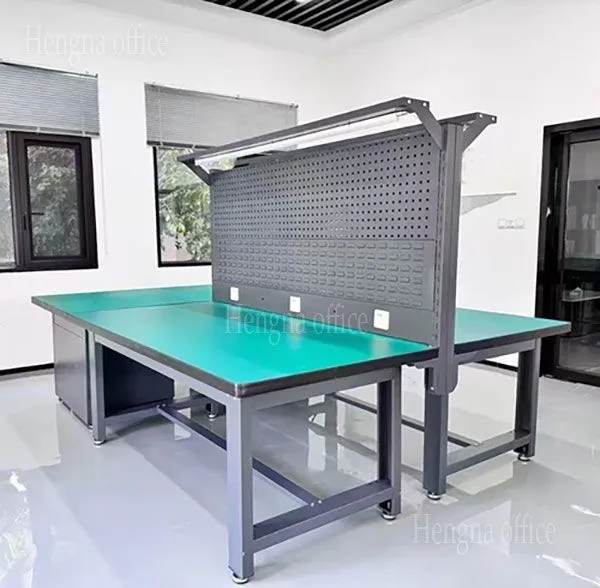
Electrical Safety Features:
Integrated Power Strips with Surge Protection: Built-in electrical systems include surge protection, circuit breakers, and appropriate grounding to prevent electrical shocks and equipment damage. These systems are professionally installed and meet all relevant electrical codes.
Cable Management Systems: Organized cable routing prevents tripping hazards while protecting electrical cords from damage that could create shock or fire risks. Conduits and channels keep cables secure and out of walkways.
Ground-Fault Circuit Interrupters (GFCI): In environments where moisture is present, GFCI protection prevents serious electrical injuries by quickly shutting off power when ground faults are detected.
Explosion-Proof Options: For hazardous environments where flammable gases or dust may be present, explosion-proof electrical components prevent ignition sources that could cause catastrophic explosions.
Visibility and Lighting Safety
Proper illumination and visibility features are essential safety elements that prevent accidents related to poor visibility, misjudgment of distances, and inadequate workspace awareness.
Visibility Safety Features:
Integrated Task Lighting: Built-in lighting systems provide focused illumination where needed most, reducing eye strain and preventing accidents caused by poor visibility. LED systems offer bright, efficient lighting with minimal heat generation.
High-Contrast Surface Colors: Work surfaces in colors that provide good contrast with tools and materials improve visibility and reduce the risk of errors or accidents. Color coding can also indicate different work zones or hazard areas.
Reflective Markings: Strategic placement of reflective materials enhances visibility in low-light conditions, particularly important in emergency situations or during power outages.
Glare Reduction: Matte or textured surface finishes prevent glare that could cause eye strain or temporary vision impairment, reducing the risk of accidents related to poor visibility.
Maintenance and Inspection Safety Features
Preventive maintenance capabilities built into workbench design help ensure ongoing safety by facilitating regular inspections and maintenance activities that identify potential issues before they become hazards.
Maintenance Safety Features:
Accessible Inspection Points: Design elements that allow easy inspection of critical components without disassembly help ensure regular safety checks are performed. Removable panels or access points facilitate thorough examinations.
Wear Indicators: Visual or mechanical indicators that show when components are approaching the end of their service life help prevent failures due to worn parts. These indicators prompt replacement before safety is compromised.
Modular Component Design: The ability to replace individual components rather than entire assemblies reduces maintenance costs and downtime while ensuring that safety features are always functioning properly.
Documentation Integration: Built-in placards or QR codes that provide access to maintenance records, inspection schedules, and safety information help ensure proper upkeep throughout the workbench lifecycle.
Compliance and Certification Standards
Regulatory compliance represents a critical aspect of workbench safety, with various standards and certifications ensuring that equipment meets established safety requirements. Understanding these standards helps organizations select workbenches that provide appropriate protection for their specific applications.
Key Safety Standards:
OSHA Compliance: Workbenches must meet Occupational Safety and Health Administration requirements for general industry, including weight capacity, stability, and material safety standards.
ANSI Standards: American National Standards Institute provides specific guidelines for industrial workbenches, covering aspects such as load testing, material specifications, and safety feature requirements.
ISO Certifications: International Organization for Standardization certifications ensure consistent quality and safety performance across manufacturing processes and materials.
Industry-Specific Standards: Certain industries, such as electronics manufacturing (ESD protection) or food processing (sanitary standards), have additional requirements that workbenches must meet to ensure safety in those specific environments.
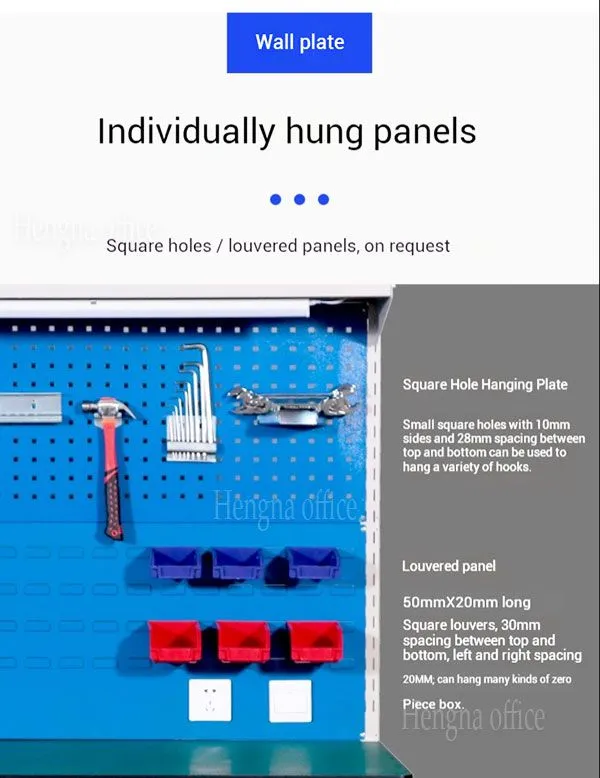
Investing in Safety Through Intelligent Design
The integration of comprehensive safety features in heavy workbench design represents a critical investment in workplace protection and operational excellence. From structural integrity that prevents catastrophic failures to ergonomic elements that reduce musculoskeletal injuries, modern workbenches incorporate numerous safety systems that work together to create secure work environments.
Organizations that prioritize workbench safety through intelligent design experience numerous benefits, including reduced injury rates, lower workers’ compensation costs, improved productivity, and enhanced employee morale. The return on investment for safety-focused workbenches extends far beyond compliance—it creates a culture of safety that protects an organization’s most valuable asset: its workers.
When selecting heavy workbenches for industrial applications, safety considerations should be paramount. By understanding and specifying the appropriate safety features for your specific applications, you ensure that your workbenches serve not only as functional workspaces but as active participants in your workplace safety program. Remember that in industrial environments, safety isn’t just a feature—it’s the foundation upon which productive, successful operations are built.
Recently Posted
-
Louvered Panel vs Round Hole Pegboard — Which Tool Wall Holds Hooks and Bins Together?
August 31, 2026Louvered Panel vs Round Hole Pegboard — Which Tool Wall Holds Hooks and Bins Together?Short answer: if you only hang tools, round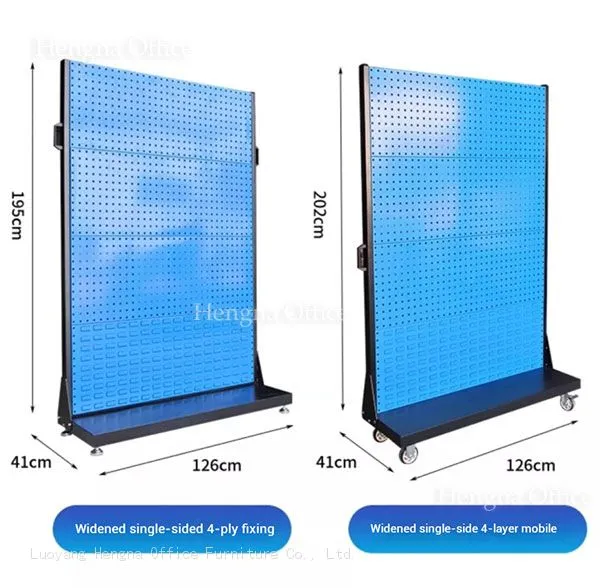 Read More
 -
Welded vs Boltless Steel Shelving — Looks Strong at the Factory, Falls Apart at the Port
August 7, 2026Welded vs Boltless Steel Shelving — Looks Strong at the Factory, Falls Apart at the PortHere's a story every steel shelving im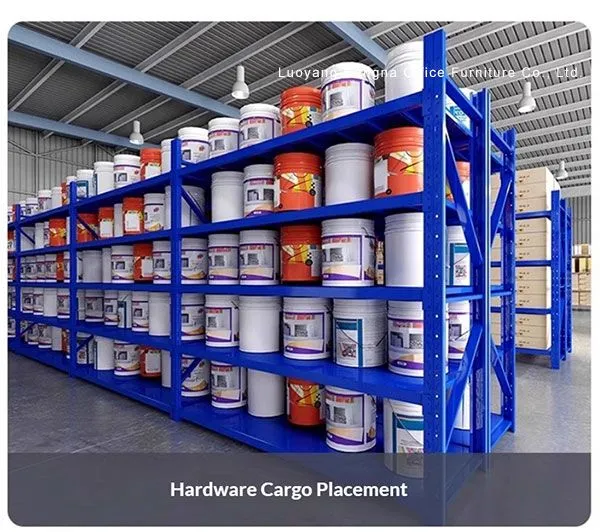 Read More
 -
You Asked a Steel Shelving Supplier for a Price. Here's What You Should Have Asked First.
August 7, 2026You found a steel shelving supplier. Their listing looks clean. You sent the message every first-time importer sends: "What&#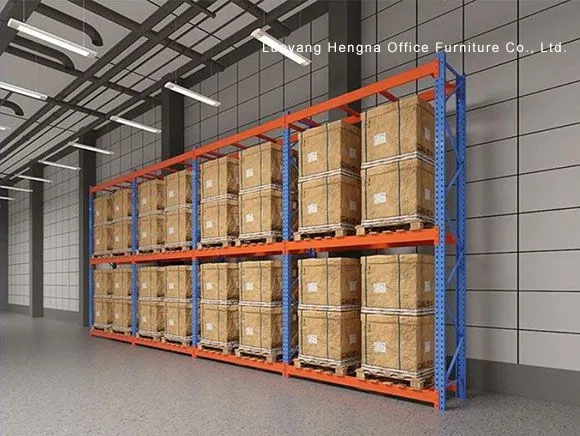 Read More
 -
Heavy Duty Steel Workbench for Auto Repair — Cold Rolled Frame vs What Most Garages Use
August 5, 2026Mike has been running his independent garage for eleven years. Three bays, two mechanics, a steady stream of brake jobs and transm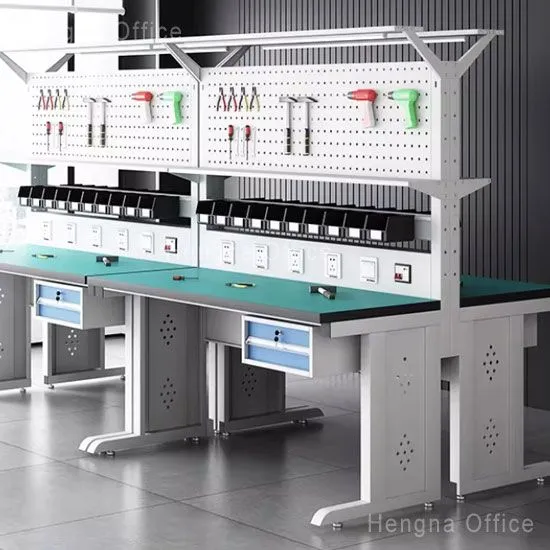 Read More

Contact Us
Recommended Products
-
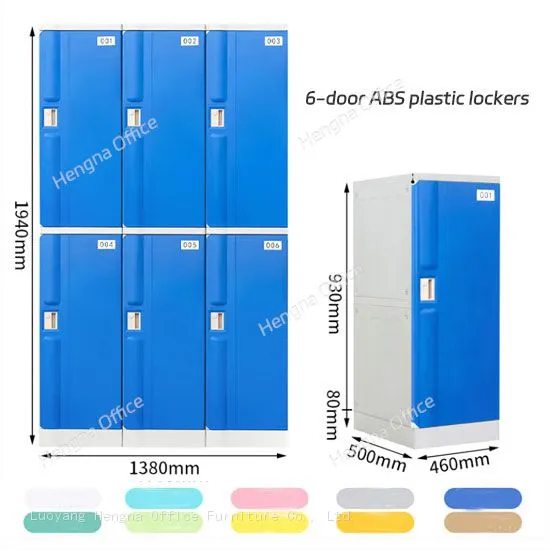
 Industrial-Grade ABS Plastic Locker for Factory Staff and Warehouse Workers|Hengna OfficeUS$ 19 - 100MOQ: 5 Sets
 -
Outdoor ABS Locker Cabinet – UV-Resistant Plastic Storage for Poolside or Beach Resorts-Hengna OfficeUS$ 19 - 100MOQ: 5 Sets
-
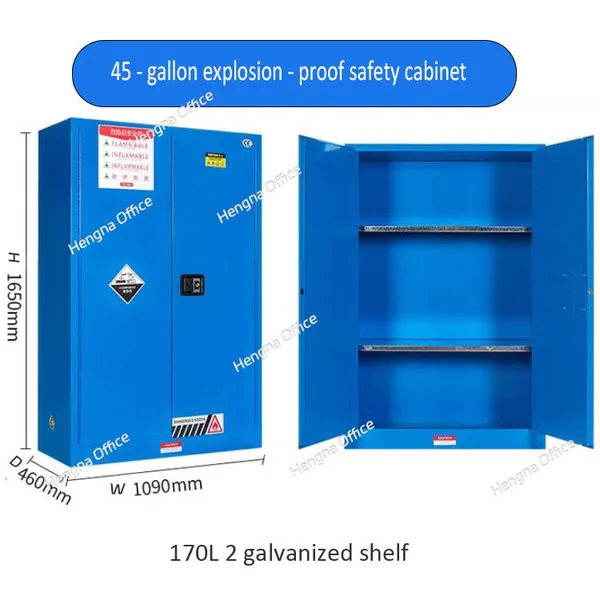
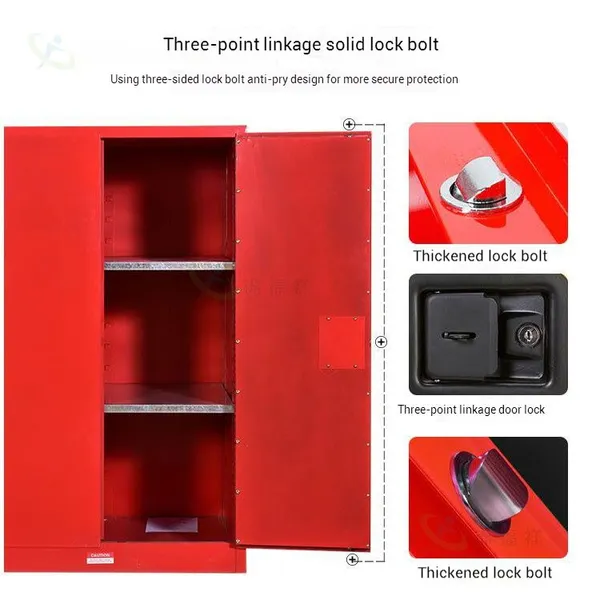
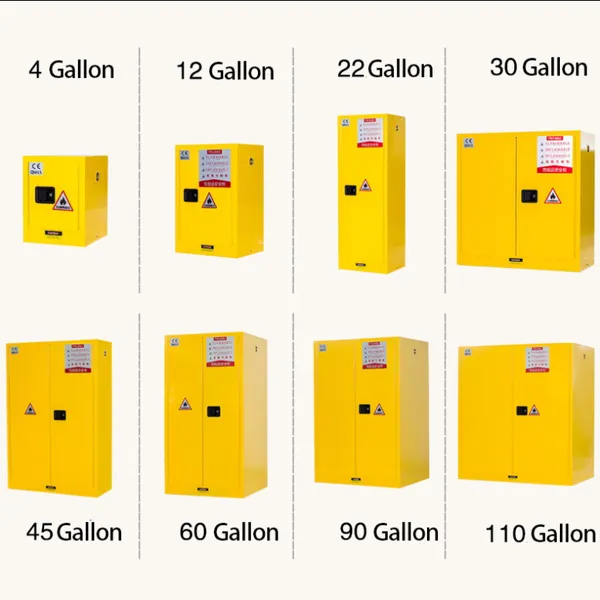
45 Gallon Explosion-Proof Flammable Liquid Storage Cabinet – Fire-Resistant Steel Safety Cabinet for FactoriesUS$ 68 - 400MOQ: 2 Combos
-
Flammable Storage Cabinet for Flammable Liquids – OSHA Certified Safety Cabinet With Fireproof Double WallsUS$ 68 - 400MOQ: 2 Combos
-
Large Capacity Flammable Liquid Storage Cabinet – Explosion-Proof Safety Cabinet for Laboratory & Workshop UseUS$ 68 - 400MOQ: 2 Combos

-
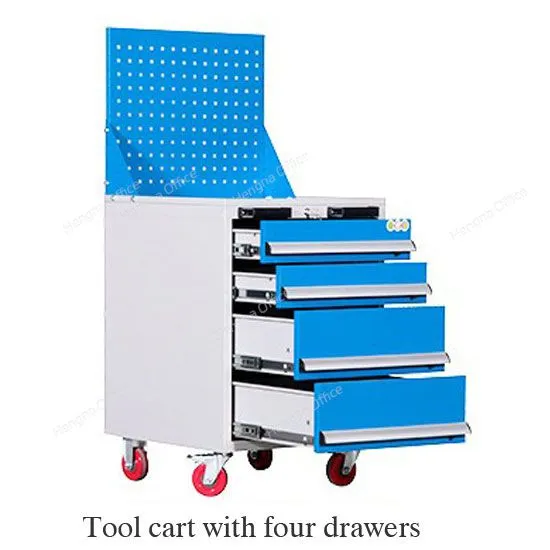
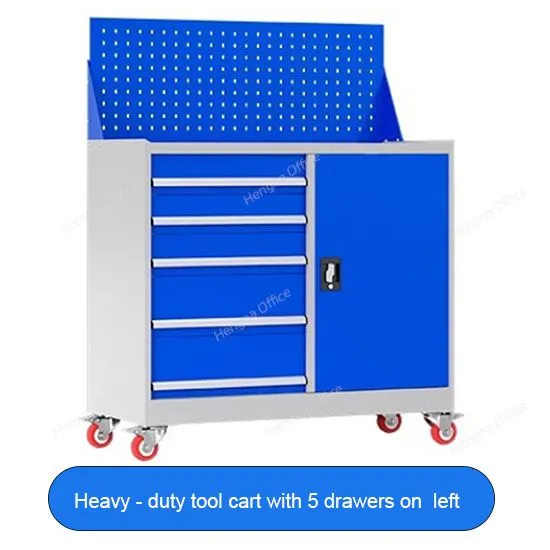
Heavy Duty Steel Tool Cart With Drawers for Workshops|Hengna OfficeUS$ 99 - 269MOQ: 2 Cases
-
Wholesale 3-Drawer Tool Trolley With Wheels for Factory and Garage StorageUS$ 99 - 269MOQ: 2 Cases
-
HN-wlj160 Industrial Rolling Tool Organizer With Pegboard|All-in-One Mobile Tool Storage CartUS$ 5 - 120MOQ: 2 Cases
-
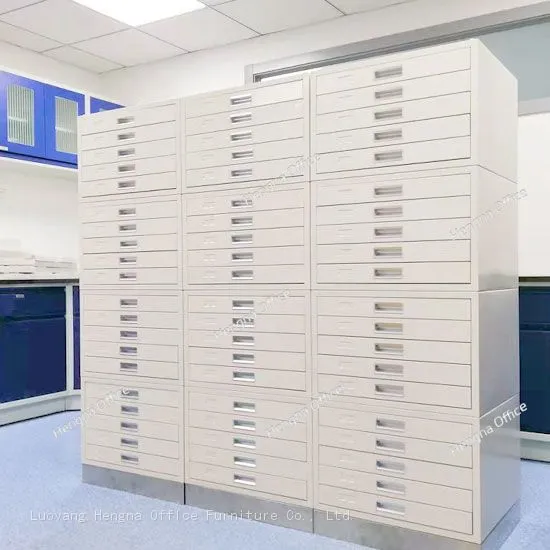
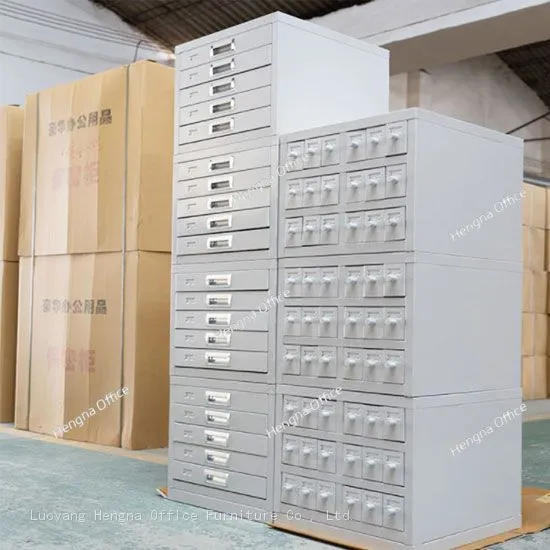
White Stackable Pathology Wax Block Storage Drawers for Labs Near London-Hengna OfficeNegotiableMOQ: 10 Pieces
-
Custom Paraffin Block Storage Cabinet for Histology Laboratories – Factory Direct From Hengna FurnitureNegotiableMOQ: 10 Pieces
-
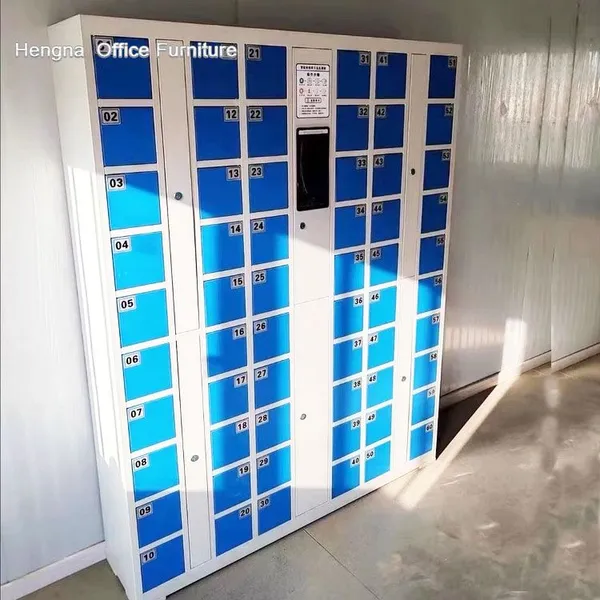
Smart Phone Charging Locker 40-door|Fingerprint Lockers Intelligent Parcel Delivery CabinetUS$ 203 - 750MOQ: 15 Pieces
-
School Gym Lockers Price |Parcel Delivery Storage Locker 12-door FactoryUS$ 203 - 750MOQ: 15 Pieces
-
Multi Metal Work Benches Electrical Workshop Workbench|US$ 300 - 800MOQ: 2 Cases
-
Commercial Workbench Supplier |Multi Metal Work Bench With Drawers OMDUS$ 300 - 800MOQ: 2 Cases
-
Pathological Ection Cabinet JTGZ062 Wax Block Cabinet for LaboratoryNegotiableMOQ: 10 Pieces
-
Durable Tool Storage in Factory HNGJ703 Hard Wearing Metal Industrial Tool ChestNegotiableMOQ: 18 Pieces
-
High - Quality CNC Workshop Tool Cabinet Heavyweight Workshop Tool OrganizerNegotiableMOQ: 10 Pieces
-
Laboratory Polyethylene Acid and Corrosive Chemicals Safety Storage PP CabinetUS$ 340 - 600MOQ: 5 Combos
-
22 Gallons /80 L PP Acid - Base Cabinet: Safeguard Chemical Storage Supplier OEMUS$ 500 - 600MOQ: 5 Combos
-
4 - Gallon Corrosion-resistant Safety Cabinet for Hazardous Chemicals Acid SupplierUS$ 340 - 500MOQ: 5 Combos