
 Business License
Industrial Grade Durability: Heavy Workbench Withstands 10 Years of Heavy Use Without Deformation
The Foundation of Industrial Excellence
In the demanding world of industrial operations, workbench durability isn’t just a feature—it’s the foundation of productivity, safety, and long-term value. When investing in workshop equipment, facility managers and business owners increasingly seek solutions that promise industrial-grade longevity. A heavy workbench that maintains its structural integrity after a decade of rigorous use represents more than just furniture; it embodies engineering excellence and smart business investment. This comprehensive guide explores the critical factors that enable certain workbenches to withstand 10 years of heavy use without deformation, and why this capability matters for your industrial operations.
Engineering Excellence: The Anatomy of Industrial-Grade Construction
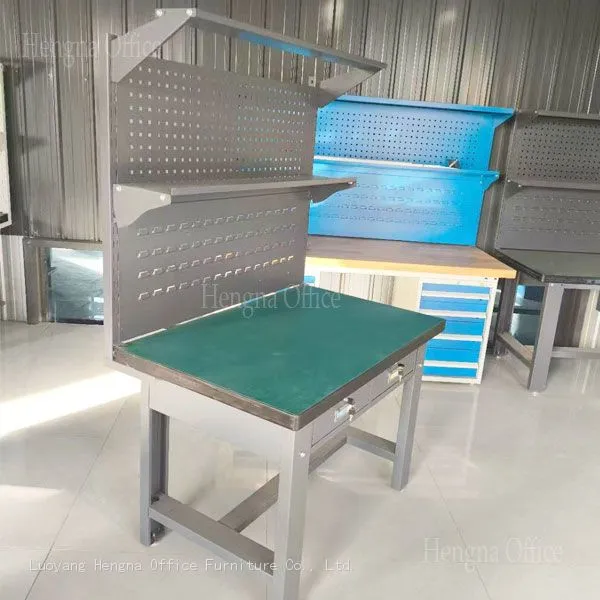
The secret to exceptional workbench longevity lies in its engineering design and material selection. Industrial-grade workbenches are constructed with precision engineering that prioritizes structural integrity under extreme conditions. Unlike standard workshop tables, these heavy-duty solutions incorporate reinforced steel frames with thicknesses ranging from 2mm to 5mm, providing the backbone for exceptional load-bearing capacity7.
Key Structural Components:
Frame Construction: Premium workbenches utilize cold-rolled steel or structural steel sections that offer superior strength-to-weight ratios. The frames often feature fully welded construction rather than bolted connections, eliminating weak points that could lead to deformation over time6. This welding process creates a monolithic structure that distributes stress evenly across the entire framework.
Support Systems: Advanced workbenches incorporate cross-bracing and reinforced leg designs that prevent racking and twisting under heavy loads. The mathematical precision in their design ensures that weight is distributed efficiently, preventing concentration of stress that could lead to material fatigue7.
Surface Engineering: The work surface itself represents a critical component in durability engineering. Industrial-grade workbenches typically feature multi-layered construction with high-density particle board cores, reinforced with steel plates or composite materials that resist impact, chemical exposure, and surface deformation6.
Material Science: The Building Blocks of Longevity
The choice of materials fundamentally determines a workbench’s ability to maintain its shape and functionality over years of heavy use. Industrial-grade workbenches employ materials specifically selected for their mechanical properties and environmental resistance.
Premium Material Options:
| Material | Properties | Best Applications | Longevity Factors |
|---|---|---|---|
| Cold-Rolled Steel | High tensile strength, uniform surface | General industrial use | Corrosion resistance, fatigue resistance |
| Stainless Steel | Corrosion resistance, sanitary | Food processing, pharmaceuticals | Rust prevention, easy cleaning |
| Structural Steel Sections | Exceptional load capacity | Heavy manufacturing | Deformation resistance, stability |
| Industrial Composites | Chemical resistance, lightweight | Electronics, laboratories | Environmental durability |
The powder coating process applied to steel components plays a crucial role in longevity. Unlike traditional paint, powder coating creates a thermally cured polymer layer that bonds molecularly with the metal substrate, providing superior protection against scratches, chemicals, and corrosion6. This protective layer is essential for maintaining structural integrity in harsh industrial environments.
Load Capacity Engineering: Beyond Weight Ratings
One of the most critical aspects of workbench durability is its ability to handle heavy loads without deformation. Industrial-grade workbenches are engineered with substantial safety margins that far exceed their stated weight capacities.
Load Distribution Principles:
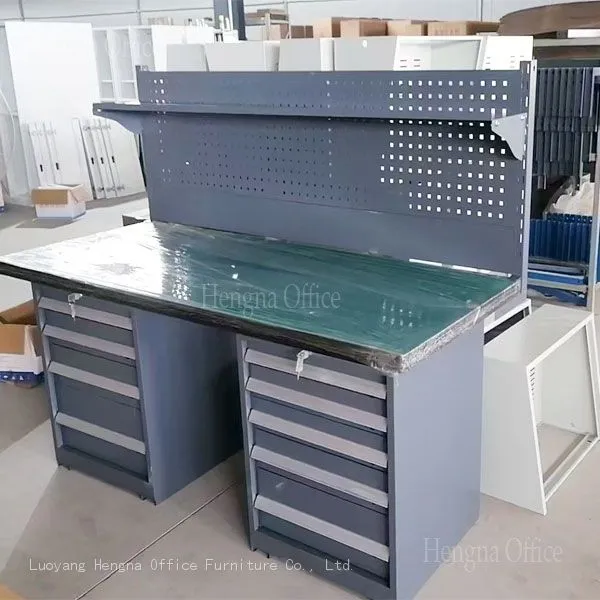
Static vs. Dynamic Loads: Premium workbenches are designed to handle both static loads (stationary weight) and dynamic loads (moving/impact forces). The engineering calculations account for stress concentrations, impact factors, and fatigue life over millions of load cycles7.
Safety Factor Implementation: Quality industrial workbenches typically incorporate safety factors of 1.5x to 2.0x beyond their rated capacity. This means a workbench rated for 1,000 kg is actually engineered to withstand 1,500-2,000 kg without permanent deformation29.
Real-World Performance: The best industrial workbenches can support up to 10,000 pounds (4,536 kg) with open-base designs, while all-welded configurations typically handle 3,000+ pounds (1,361 kg) consistently29. This exceptional capacity ensures that normal daily operations never approach the material’s yield strength.
Environmental Resistance: Conquering Industrial Challenges
Industrial environments present numerous challenges that can compromise equipment integrity over time. Premium workbenches are engineered to resist these environmental factors through thoughtful design and material selection.
Environmental Protection Features:
Chemical Resistance: Work surfaces are treated with chemical-resistant coatings that withstand exposure to oils, solvents, cleaning agents, and industrial chemicals without degradation or deformation6.
Temperature Stability: Industrial-grade materials maintain their mechanical properties across extreme temperature variations, from cold storage facilities to hot manufacturing environments.
Moisture and Humidity Resistance: Proper sealing and material selection prevent moisture infiltration that could lead to rust, swelling, or material degradation over time.
Impact and Abrasion Resistance: Surface materials are selected for their ability to withstand repeated impacts from tools, equipment, and materials without denting, scratching, or deforming6.
Manufacturing Excellence: Quality Control Processes
The ability of a workbench to withstand 10 years of heavy use depends significantly on the quality control processes implemented during manufacturing. Premium manufacturers implement rigorous testing and inspection protocols to ensure long-term performance.
Quality Assurance Measures:
Material Certification: All structural materials come with certification documents verifying their mechanical properties and chemical composition7.
Welding Quality Control: Welded connections undergo non-destructive testing (NDT) to verify weld integrity and prevent weak points that could lead to failure over time.
Surface Treatment Validation: Coating processes are monitored for thickness uniformity, adhesion strength, and curing completeness to ensure long-term protection.
Load Testing: Finished workbenches undergo proof loading tests that exceed their rated capacity to verify structural integrity before shipment.
Economic Benefits: The Long-Term Value Proposition
While industrial-grade workbenches require higher initial investment, their long-term economic benefits far outweigh the upfront costs. The ability to maintain functionality without deformation or failure provides substantial returns over the equipment’s lifecycle.
Cost-Benefit Analysis:
Reduced Replacement Costs: A workbench lasting 10+ years eliminates the need for frequent replacements, reducing capital expenditures over time.
Minimized Downtime: Equipment failure disrupts operations and costs money in lost productivity. Reliable workbenches ensure continuous operation without unscheduled downtime.
Lower Maintenance Costs: Quality construction reduces the need for ongoing maintenance, repairs, and adjustments that add to total cost of ownership.
Improved Safety: Equipment failure can lead to workplace accidents and injuries. Reliable workbenches contribute to a safer working environment and reduced liability.
Industry Applications: Real-World Performance Validation
The true test of industrial workbench durability comes from real-world applications across various industries. Different sectors present unique challenges that test equipment in different ways.
Industry-Specific Performance:
Automotive Manufacturing: Workbenches in automotive facilities must withstand heavy component handling, chemical exposure, and continuous use. Premium workbenches maintain their precision and stability despite these demanding conditions.
Aerospace Industry: Aerospace applications require exceptional precision and consistency. Workbenches must maintain dimensional stability without deformation to ensure accurate assembly and inspection processes.
Metalworking Operations: The impact forces, vibration, and heavy loads in metalworking test workbench durability to the extreme. Industrial-grade solutions maintain their integrity despite these harsh conditions.
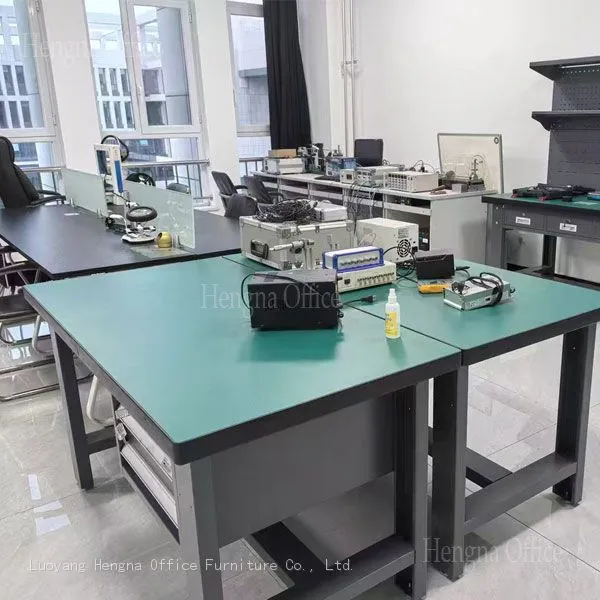
Electronics Manufacturing: While loads may be lighter, the need for static dissipation, cleanliness, and precision requires workbenches that maintain their properties without degradation over time.
Maintenance and Care: Preserving Industrial Longevity
Even the most durable workbenches benefit from proper maintenance to ensure they reach their full lifespan potential. Implementing a preventive maintenance program helps preserve the workbench’s structural integrity and appearance.
Best Practices for Longevity:
Regular Inspections: Periodic checks for loose connections, surface damage, and structural integrity help identify issues before they become serious problems.
Proper Cleaning: Using appropriate cleaning agents and techniques prevents surface damage and maintains protective coatings.
Load Management: While designed for heavy loads, avoiding impact loading and overloading beyond rated capacity preserves structural integrity.
Environmental Control: Maintaining appropriate temperature and humidity levels in the workspace reduces material stress and degradation.
Selection Criteria: Choosing Your Industrial Workbench
When selecting a workbench for industrial applications, several key factors should guide your decision to ensure you get equipment that will truly last a decade or more.
Decision-Making Framework:
Load Requirements: Calculate your maximum expected loads and choose a workbench with at least a 50% safety margin.
Environmental Conditions: Consider the chemical exposure, temperature variations, and humidity levels in your facility.
Usage Patterns: Evaluate whether the workbench will face continuous heavy use or periodic intensive use.
Recently Posted
-
Louvered Panel vs Round Hole Pegboard — Which Tool Wall Holds Hooks and Bins Together?
August 31, 2026Louvered Panel vs Round Hole Pegboard — Which Tool Wall Holds Hooks and Bins Together?Short answer: if you only hang tools, round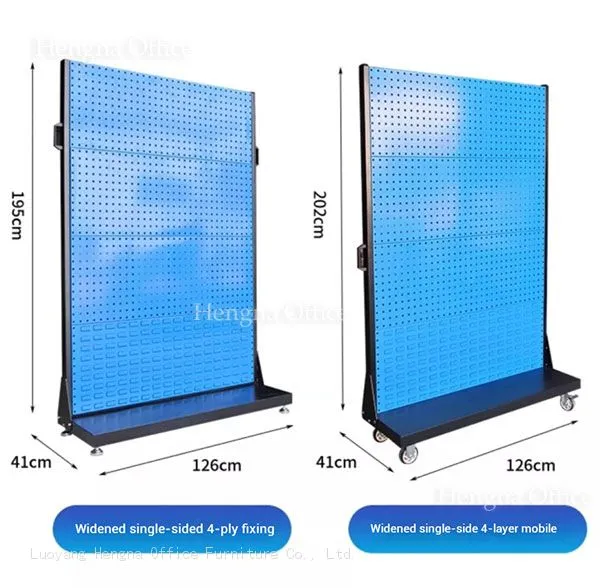 Read More
 -
Welded vs Boltless Steel Shelving — Looks Strong at the Factory, Falls Apart at the Port
August 7, 2026Welded vs Boltless Steel Shelving — Looks Strong at the Factory, Falls Apart at the PortHere's a story every steel shelving im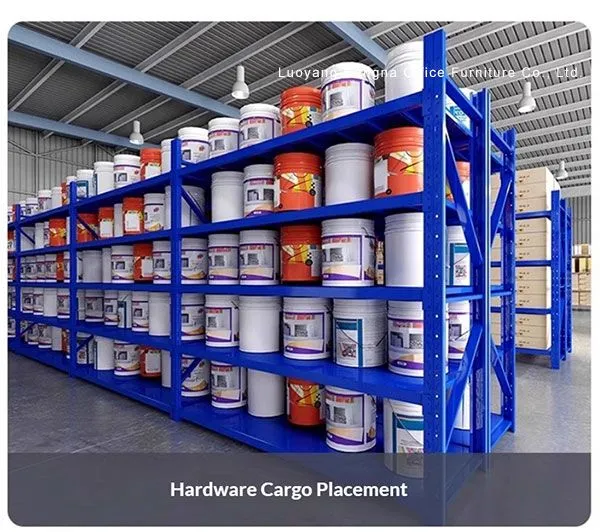 Read More
 -
You Asked a Steel Shelving Supplier for a Price. Here's What You Should Have Asked First.
August 7, 2026You found a steel shelving supplier. Their listing looks clean. You sent the message every first-time importer sends: "What&#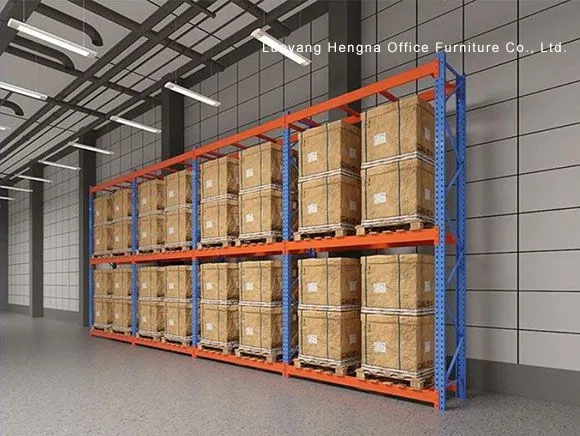 Read More
 -
Heavy Duty Steel Workbench for Auto Repair — Cold Rolled Frame vs What Most Garages Use
August 5, 2026Mike has been running his independent garage for eleven years. Three bays, two mechanics, a steady stream of brake jobs and transm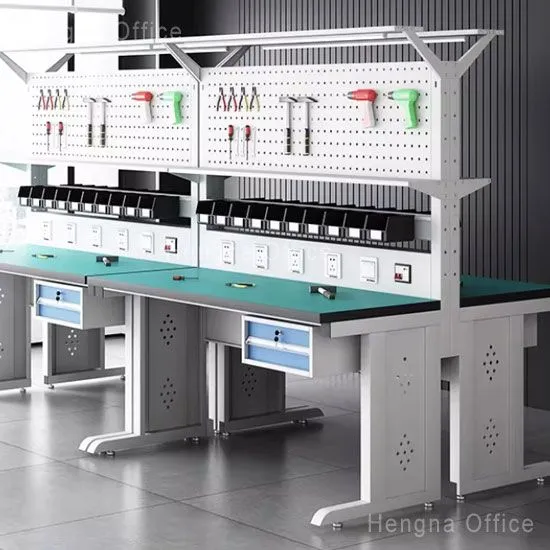 Read More

Contact Us
Recommended Products
-
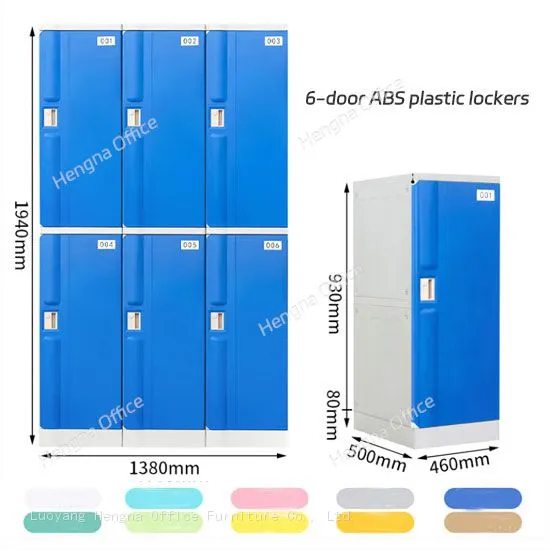
 Industrial-Grade ABS Plastic Locker for Factory Staff and Warehouse Workers|Hengna OfficeUS$ 19 - 100MOQ: 5 Sets
 -
Outdoor ABS Locker Cabinet – UV-Resistant Plastic Storage for Poolside or Beach Resorts-Hengna OfficeUS$ 19 - 100MOQ: 5 Sets
-
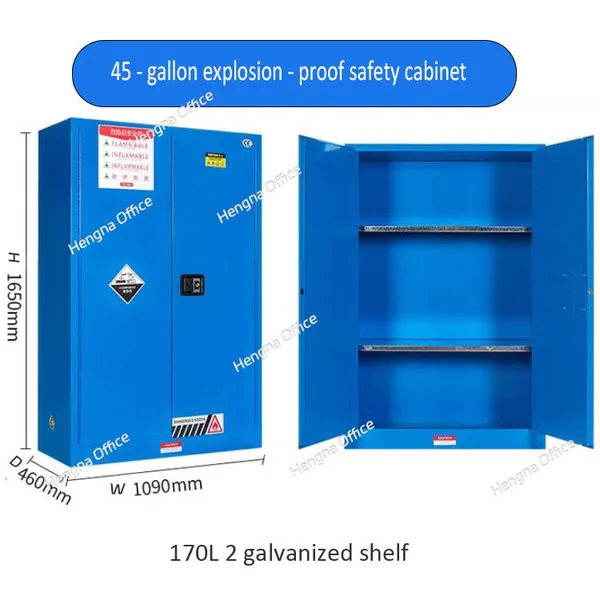
45 Gallon Explosion-Proof Flammable Liquid Storage Cabinet – Fire-Resistant Steel Safety Cabinet for FactoriesUS$ 68 - 400MOQ: 2 Combos
-
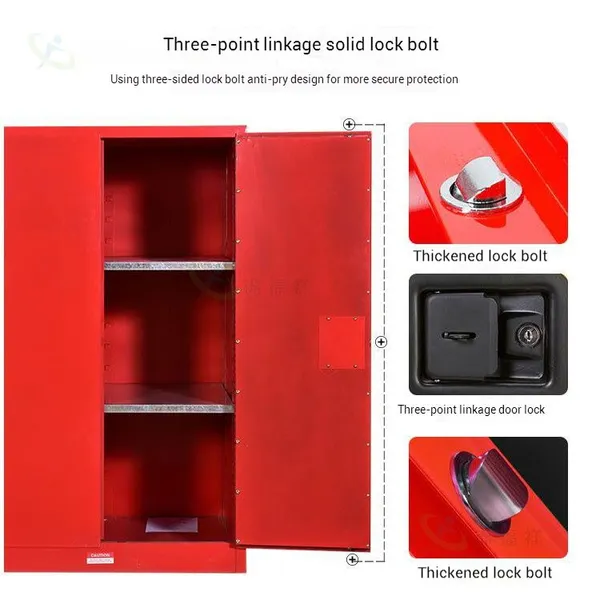
Flammable Storage Cabinet for Flammable Liquids – OSHA Certified Safety Cabinet With Fireproof Double WallsUS$ 68 - 400MOQ: 2 Combos
-
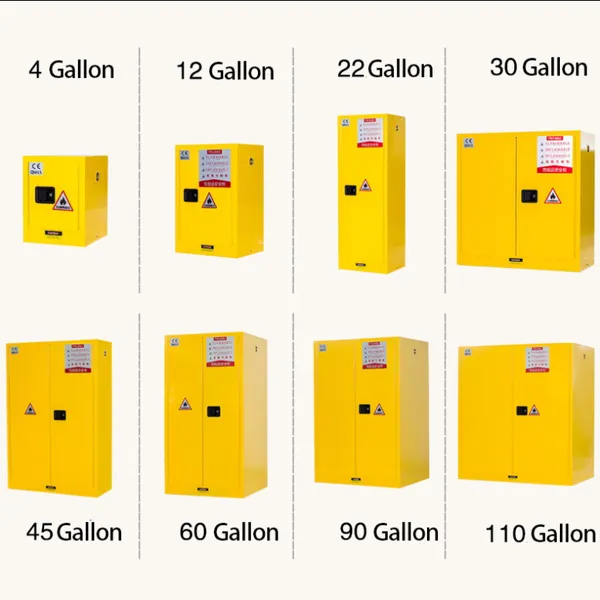
Large Capacity Flammable Liquid Storage Cabinet – Explosion-Proof Safety Cabinet for Laboratory & Workshop UseUS$ 68 - 400MOQ: 2 Combos

-
Heavy Duty Steel Tool Cart With Drawers for Workshops|Hengna OfficeUS$ 99 - 269MOQ: 2 Cases
-
Wholesale 3-Drawer Tool Trolley With Wheels for Factory and Garage StorageUS$ 99 - 269MOQ: 2 Cases
-
HN-wlj160 Industrial Rolling Tool Organizer With Pegboard|All-in-One Mobile Tool Storage CartUS$ 5 - 120MOQ: 2 Cases
-
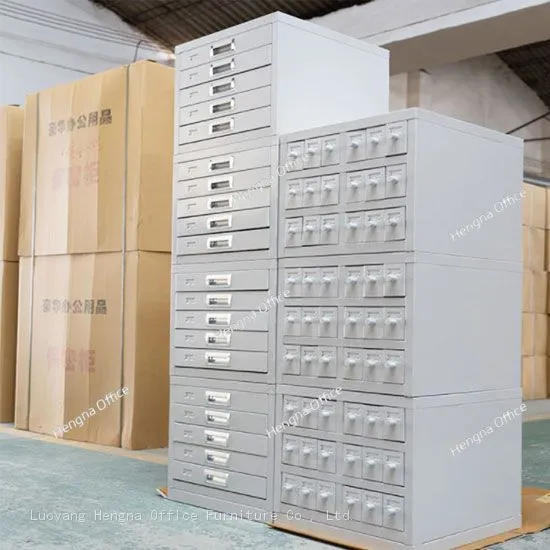
White Stackable Pathology Wax Block Storage Drawers for Labs Near London-Hengna OfficeNegotiableMOQ: 10 Pieces
-
Custom Paraffin Block Storage Cabinet for Histology Laboratories – Factory Direct From Hengna FurnitureNegotiableMOQ: 10 Pieces
-
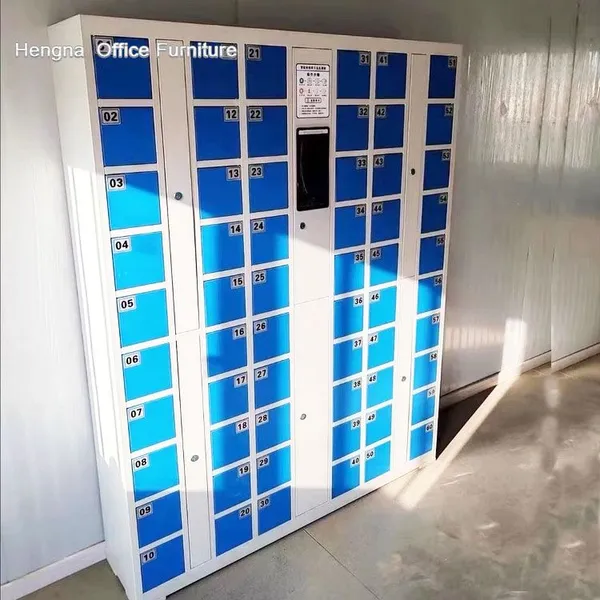
Smart Phone Charging Locker 40-door|Fingerprint Lockers Intelligent Parcel Delivery CabinetUS$ 203 - 750MOQ: 15 Pieces
-
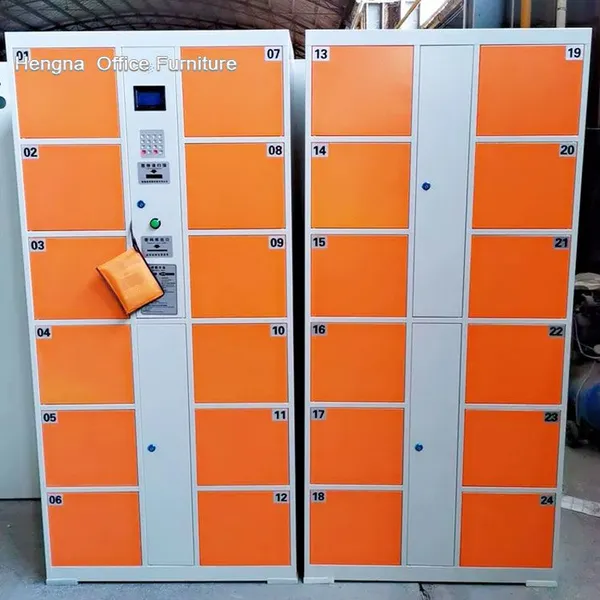
School Gym Lockers Price |Parcel Delivery Storage Locker 12-door FactoryUS$ 203 - 750MOQ: 15 Pieces
-
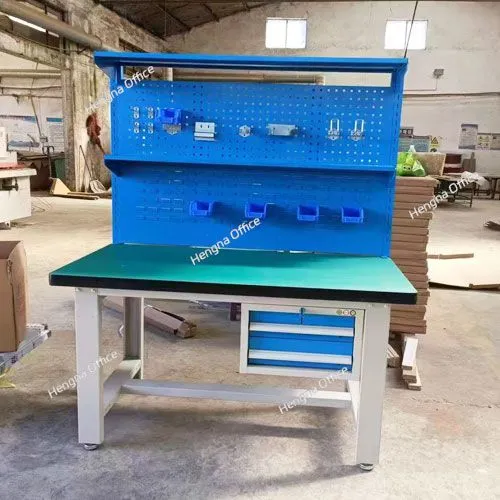
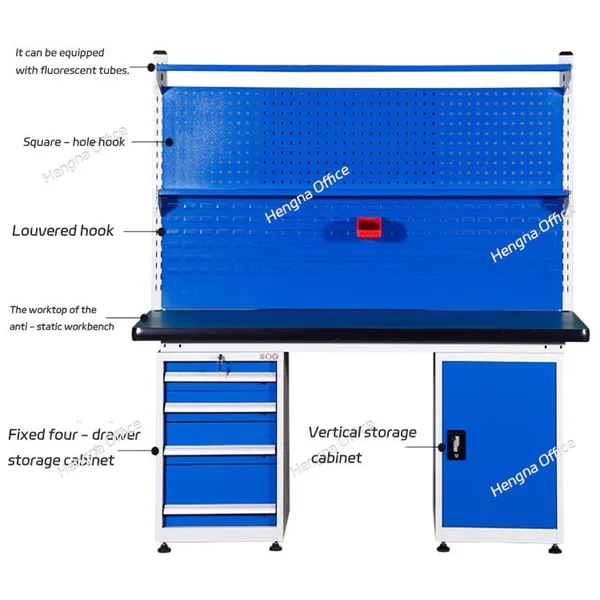
Multi Metal Work Benches Electrical Workshop Workbench|US$ 300 - 800MOQ: 2 Cases
-
Commercial Workbench Supplier |Multi Metal Work Bench With Drawers OMDUS$ 300 - 800MOQ: 2 Cases
-
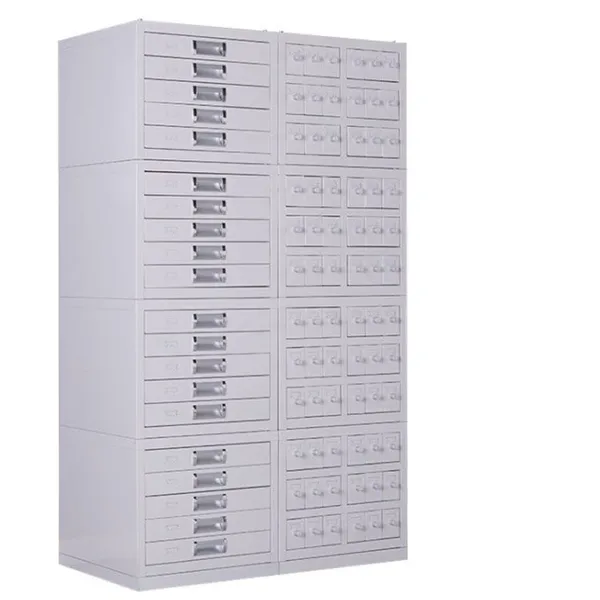
Pathological Ection Cabinet JTGZ062 Wax Block Cabinet for LaboratoryNegotiableMOQ: 10 Pieces
-
Durable Tool Storage in Factory HNGJ703 Hard Wearing Metal Industrial Tool ChestNegotiableMOQ: 18 Pieces
-
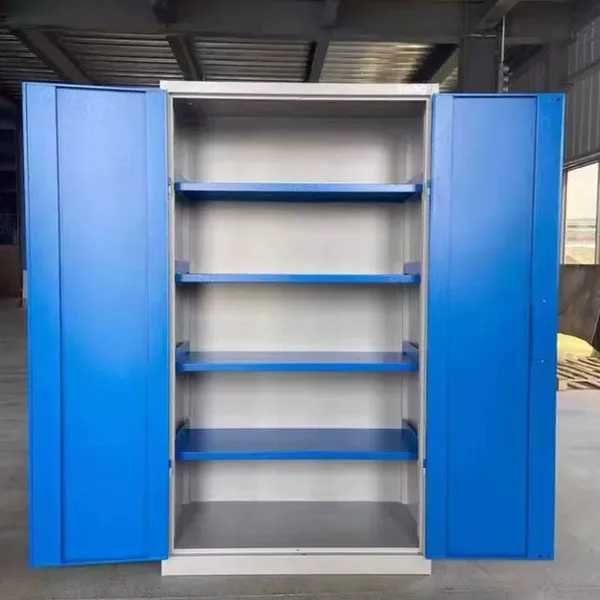
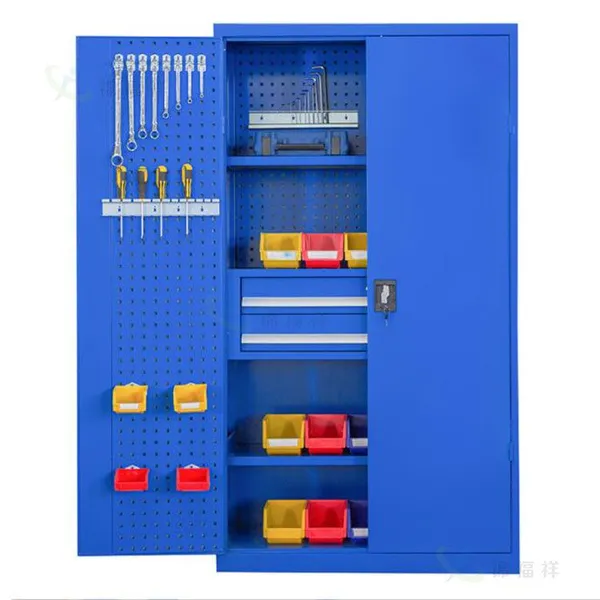
High - Quality CNC Workshop Tool Cabinet Heavyweight Workshop Tool OrganizerNegotiableMOQ: 10 Pieces
-
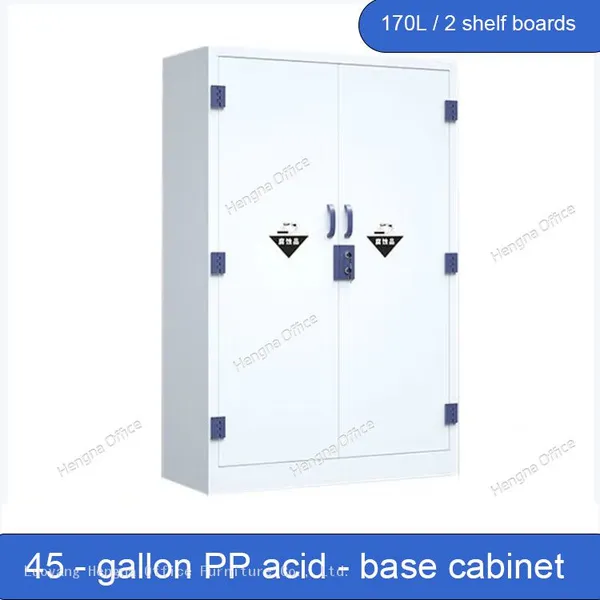
Laboratory Polyethylene Acid and Corrosive Chemicals Safety Storage PP CabinetUS$ 340 - 600MOQ: 5 Combos
-
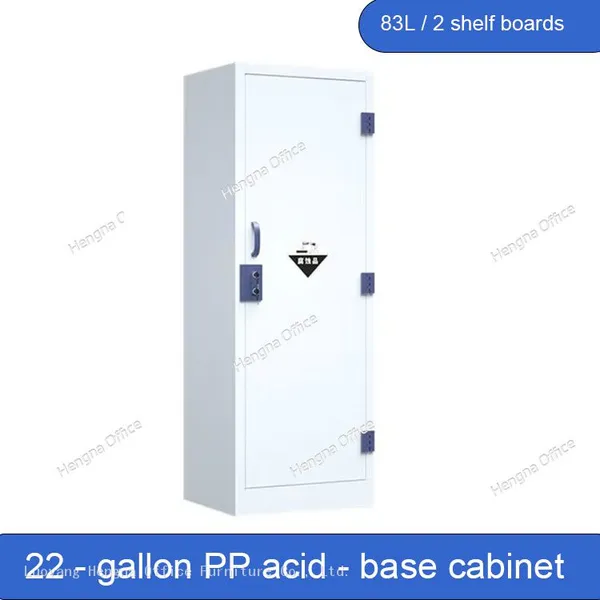
22 Gallons /80 L PP Acid - Base Cabinet: Safeguard Chemical Storage Supplier OEMUS$ 500 - 600MOQ: 5 Combos
-
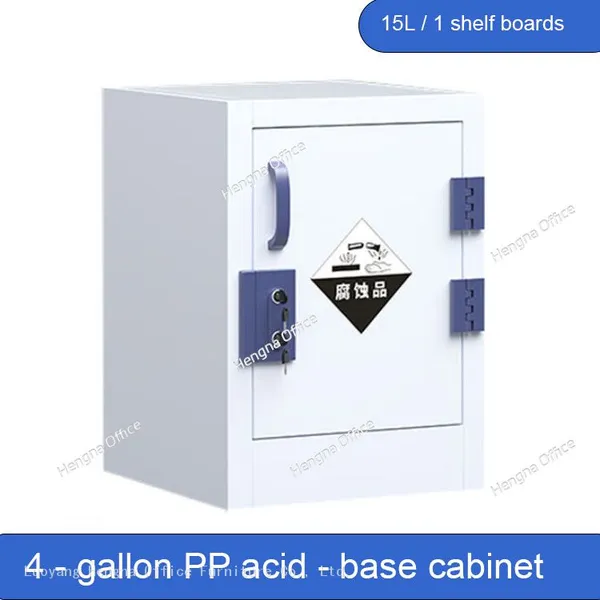
4 - Gallon Corrosion-resistant Safety Cabinet for Hazardous Chemicals Acid SupplierUS$ 340 - 500MOQ: 5 Combos
 Business License