

 Business License
Tool Cabinet Maintenance: Extend Lifespan, Protect Your Investment
The Critical Importance of Maintenance for Longevity
In today’s cost-conscious business environment, where every investment must deliver maximum return, tool cabinet maintenance has emerged as a crucial factor in protecting valuable assets and extending equipment lifespan. A well-maintained tool cabinet can last 15-20 years, while neglected units may require replacement within 5-7 years, representing a significant difference in total cost of ownership. Proper maintenance not only prevents premature failure but also ensures optimal performance, safety, and efficiency throughout the cabinet’s service life. This comprehensive guide explores the essential maintenance practices that protect your investment, extend equipment lifespan, and maintain the safety and functionality of your tool storage systems.

Understanding the True Cost of Neglect
Hidden Financial Impact
The financial consequences of inadequate tool cabinet maintenance extend far beyond simple repair costs:
| Maintenance Aspect | Cost of Neglect | Cost of Proper Maintenance | 10-Year Difference |
|---|
Productivity Loss: 10-15% efficiency reduction | Optimal performance | Substantial productivity gains |
Safety Issues: Increased accident risk | Enhanced safety | Reduced insurance costs |
Beyond Financial Considerations
The impact of poor maintenance affects multiple business areas:
Operational Disruption: Equipment failure causing downtime and project delays
Employee Morale: Frustration with poorly maintained equipment affecting job satisfaction
Professional Image: Damaged or worn equipment reducing customer confidence
Compliance Issues: Safety violations and regulatory non-compliance risks
Essential Maintenance Components
Structural Integrity Maintenance
Maintaining the structural integrity of your tool cabinet is fundamental:
Frame Inspection: Regular checks for cracks, dents, or deformation in cabinet frame
Welded Joint Inspection: Examination of welds for cracks or separation
Corner Protection: Checking corners and edges for damage or wear
Surface Condition: Monitoring for rust, corrosion, or paint damage
Drawer and Hardware Maintenance
Drawer systems require regular attention:
| Component | Maintenance Task | Frequency | Tools Required |
|----------|----------------|--------------|
| Drawer Slides: Clean and lubricate slides | Monthly | Mild detergent, silicone lubricant |
| Handles: Check for looseness and damage | Quarterly | Screwdriver, replacement parts |
| Locks: Clean and lubricate locking mechanisms | Monthly | Lock lubricant, key lubricant |
| Rollers: Clean and check for smooth operation | Monthly | Vacuum cleaner, mild soap |
Daily and Weekly Maintenance Routines
Daily Maintenance Checklist
Implementing daily maintenance prevents minor issues from becoming major problems:
Visual Inspection: Quick visual check for obvious damage or issues
Surface Cleaning: Wipe down surfaces to remove dust and debris
Tool Organization: Ensure tools are properly stored and organized
Security Check: Verify all locks and security features are functioning
Weekly Maintenance Procedures
Weekly maintenance addresses more comprehensive needs:
Deep Cleaning: Thorough cleaning of all surfaces and compartments
Hardware Check: Tighten loose screws, bolts, and fasteners
Lubrication: Apply lubricant to all moving parts
Organization Review: Reorganize tools as needed for optimal efficiency
Monthly and Quarterly Maintenance
Monthly Deep Maintenance
Monthly maintenance addresses more comprehensive needs:
Drawer Operation Test: Test all drawers for smooth operation
Lock System Check: Verify all locking mechanisms function correctly
Adjustable Shelves: Check shelf stability and adjust as needed
Weather Stripping: Check for signs of moisture damage or corrosion
Quarterly Professional Inspection
Quarterly professional inspections ensure comprehensive maintenance:
Structural Assessment: Professional evaluation of cabinet condition
Safety Feature Verification: Check all safety features and compliance
Performance Testing: Test load capacity and stability
Documentation Review: Update maintenance records and schedules
Seasonal Maintenance Considerations
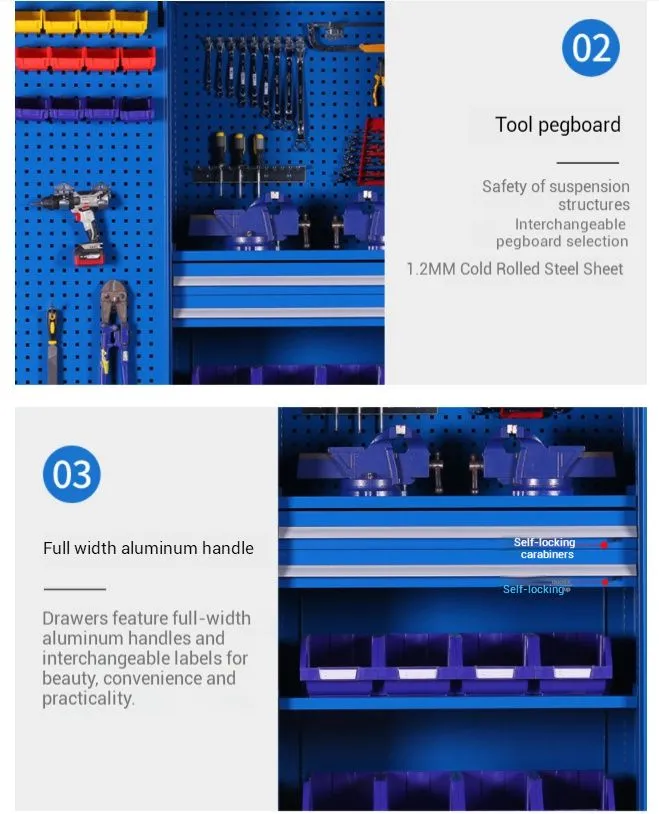
Spring Maintenance
Seasonal changes require specific maintenance attention:
Spring Cleaning: Thorough cleaning after winter storage or exposure
Humidity Control: Check for moisture damage from high humidity periods
Temperature Impact: Assess effects of temperature changes on materials
Pest Inspection: Check for signs of pest activity or damage
Environmental Adaptation
Adapt maintenance based on environmental conditions:
| Season | Focus Areas | Special Considerations |
|---|---|---|
| Spring | Cleaning, humidity control | Pollen removal, moisture prevention |
| Summer | Ventilation, heat protection | Air circulation, sun protection |
| Fall | Preparation for winter storage | Dryness, corrosion protection |
| Winter | Moisture prevention, cold protection | Insulation, dehumidification |
Tool Organization and Storage Optimization
Proper Storage Practices
Proper tool storage is essential for cabinet longevity:
Weight Distribution: Distribute weight evenly across shelves and drawers
Heavy Items: Store heavy tools at lower levels to prevent cabinet stress
Sharp Tools: Properly store sharp tools to prevent damage
Chemical Storage: Store chemicals separately according to safety guidelines
Organization Maintenance
Maintain organization to protect both tools and cabinet:
Regular Reorganization: Periodic reorganization to optimize efficiency
Inventory Management: Regular inventory checks and updates
Cleaning Schedule: Regular cleaning of tools before storage
Damage Prevention: Address issues before they cause cabinet damage
Safety Maintenance and Compliance
Safety Feature Maintenance
Maintaining safety features is crucial for workplace safety:
Lock Maintenance: Regular testing and lubrication of all locking mechanisms
Anti-Tip Features: Check stability features and anti-tip mechanisms
Safety Labels: Ensure safety warnings and labels remain visible and intact
Compliance Verification: Confirm continued compliance with safety standards
Regulatory Compliance
Maintain compliance with relevant regulations:
OSHA Standards: Ensure continued compliance with workplace safety requirements
Industry Standards: Adherence to industry-specific storage regulations
Local Requirements: Compliance with local building and safety codes
Documentation: Maintain records of maintenance and compliance activities
Troubleshooting Common Issues
Common Problems and Solutions
Address common maintenance issues promptly:
| Problem | Symptoms | Solution | Prevention |
|---------|----------|-----------|
| Sticking Drawers | Difficult to open/close | Clean and lubricate slides |
| Loose Handles | Handles wobble or feel loose | Tighten or replace hardware |
| Rust Formation: Orange/brown spots on metal | Clean and apply rust inhibitor |
| Strange Noises: Squeaking, grinding noises | Lubricate moving parts |
Professional Repair Services
Know when to call for professional help:
Structural Damage: Cracks, dents, or deformation in cabinet frame
Major Component Failure: Drawer slides, locks, or hinges failure
Electrical Issues: Problems with integrated lighting or electronic features
Water Damage: Significant water exposure or moisture damage
Documentation and Record Keeping
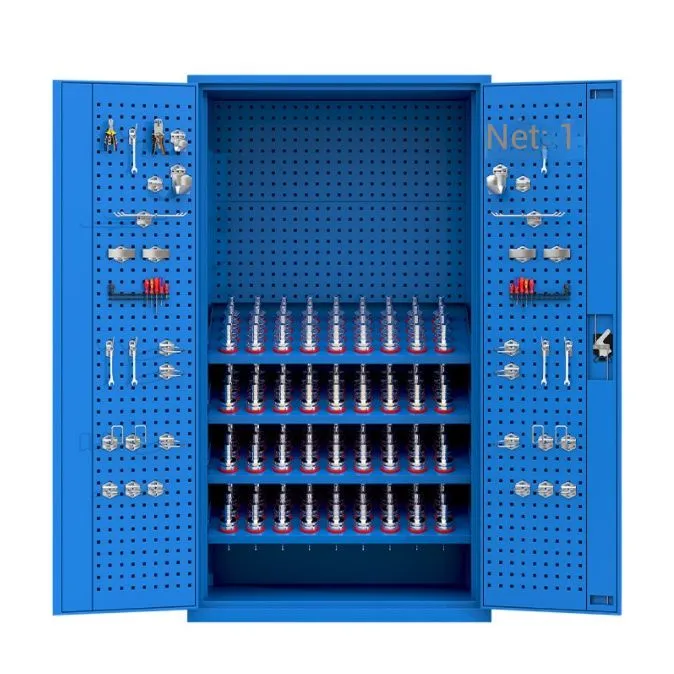
Maintenance Log Management
Maintain comprehensive maintenance records:
Maintenance Schedule: Detailed schedule of all maintenance activities
Repair History: Record of all repairs and replacements
Inspection Reports: Documentation of regular inspections and findings
Performance Metrics: Tracking of cabinet performance and efficiency
Digital Maintenance Systems
Consider digital maintenance management:
Maintenance Software: Digital tracking of maintenance activities
Mobile Apps: Mobile applications for maintenance reminders and logging
Cloud Storage: Cloud-based storage of maintenance records
Automated Alerts: Automated notifications for maintenance tasks
Cost-Effective Maintenance Strategies
DIY vs. Professional Services
Balance DIY maintenance with professional services:
| Maintenance Task | DIY Approach | Professional Service |
|---|---|---|
| Basic Cleaning: DIY | Professional | DIY for routine cleaning |
| Lubrication: DIY | Professional | DIY for basic lubrication |
| Repairs: Professional | Professional | Professional for complex repairs |
| Inspection: DIY | Professional | Professional for comprehensive inspection |
Budget Planning
Plan maintenance costs effectively:
Annual Budget: Allocate specific budget for maintenance activities
Emergency Fund: Set aside funds for unexpected repairs
Replacement Fund: Plan for eventual cabinet replacement
Training Budget: Allocate funds for maintenance training and education
Training and Education
Employee Training Programs
Train employees on proper maintenance procedures:
Basic Maintenance: Daily and weekly maintenance procedures
Problem Recognition: Identifying issues that require professional attention
Safety Procedures: Safe maintenance practices and precautions
Documentation: Proper record-keeping and reporting
User Responsibility
Promote user ownership and responsibility:
User Manuals: Provide comprehensive maintenance guides
Usage Guidelines: Clear instructions for proper use and care
Reporting Procedures: System for reporting issues and concerns
Accountability: User responsibility for basic maintenance tasks
Future-Proofing Your Investment
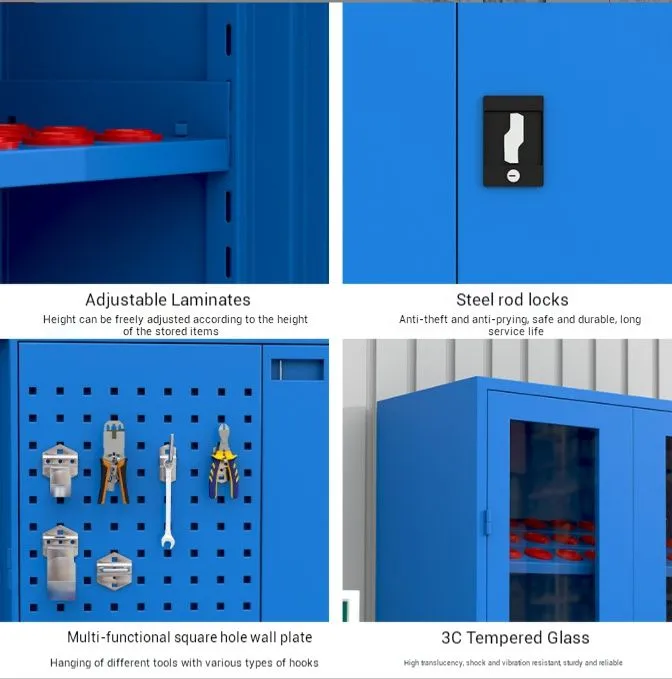
Technology Integration
Consider future maintenance needs:
Smart Features: Maintenance requirements for advanced features
Connectivity: Maintenance of digital and electronic components
Upgradability: Planning for future upgrades and modifications
Compatibility: Ensuring compatibility with new technologies
Scalability Planning
Plan for future maintenance needs:
- Share
Recently Posted
-
Stainless Steel Shelving for Breweries and Wineries — What Survives Humidity, Alcohol Spills
July 24, 2026Stainless Steel Shelving for Breweries and Wineries — What Survives Humidity, Alcohol Spills, and Sanitizer Washdowns Three t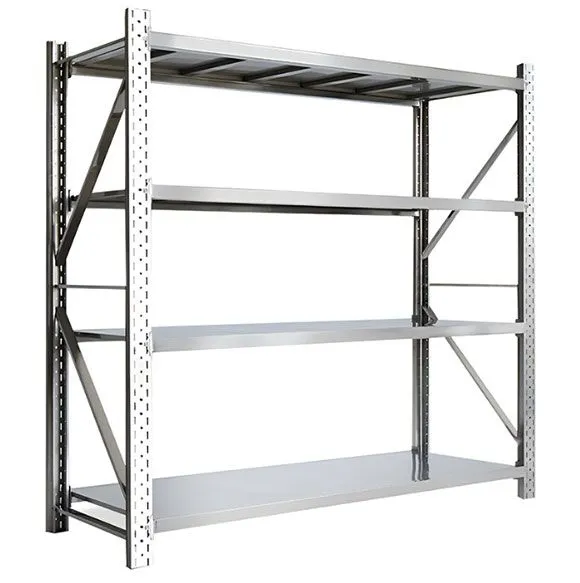 Read More
 -
Stainless Steel Shelving for Meat Processing Plants — What Holds Up Against Blood, Fat, and Daily Wa
July 24, 2026Meat plants are brutal on shelvingIf you work in a meat processing plant, you already know this. The rack that looked fine s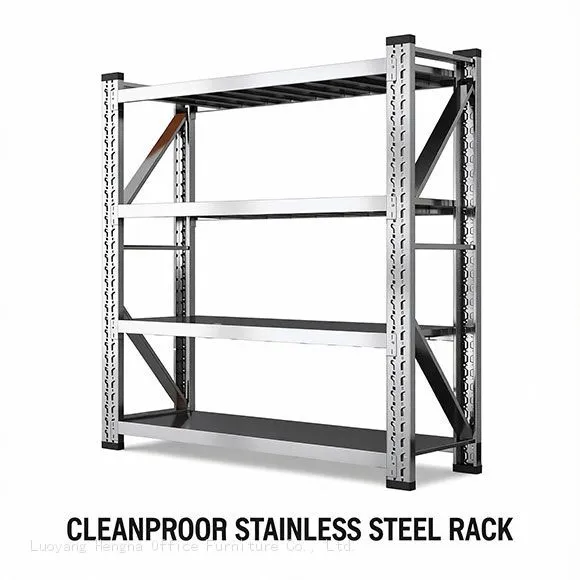 Read More
 -
0.6mm Steel Wardrobe vs 0.4mm — Why Cold-Rolled Single Door Metal Closet Lasts Longer
July 10, 2026The 0.2mm That Decides Whether You Buy One Wardrobe or ThreeTwo wardrobes look identical on a supplier's photo. Same door, sam Read More
 -
Heavy Duty Tool Cabinet with Locks for School Shop: Stop Tool Theft Before It Happens
July 9, 2026A vocational school workshop isn't like a factory floor. The tools aren't being used by seasoned machinists who know where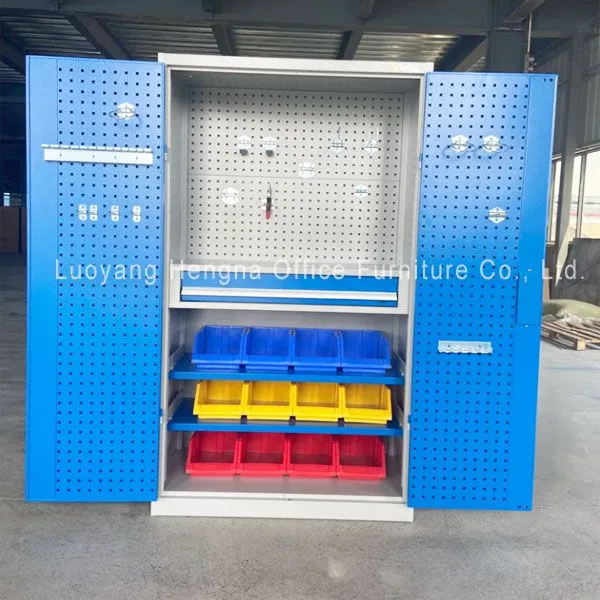 Read More

Contact Us
Recommended Products
-
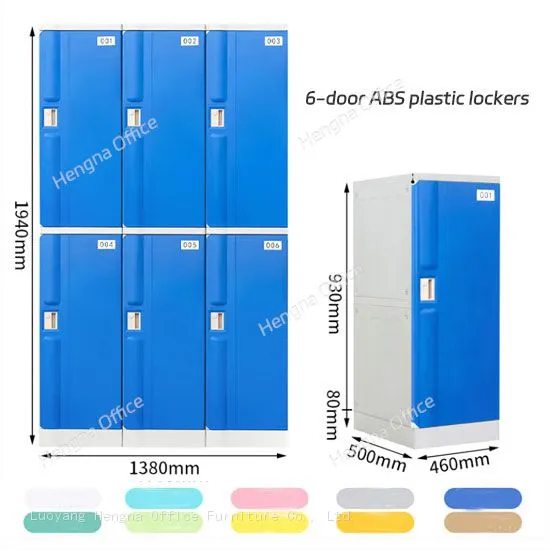
 Industrial-Grade ABS Plastic Locker for Factory Staff and Warehouse Workers|Hengna OfficeUS$ 19 - 100MOQ: 5 Sets
 -
Outdoor ABS Locker Cabinet – UV-Resistant Plastic Storage for Poolside or Beach Resorts-Hengna OfficeUS$ 19 - 100MOQ: 5 Sets
-
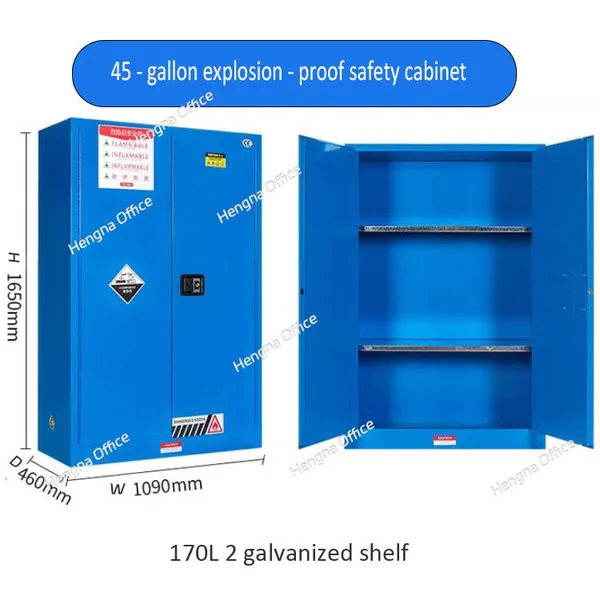
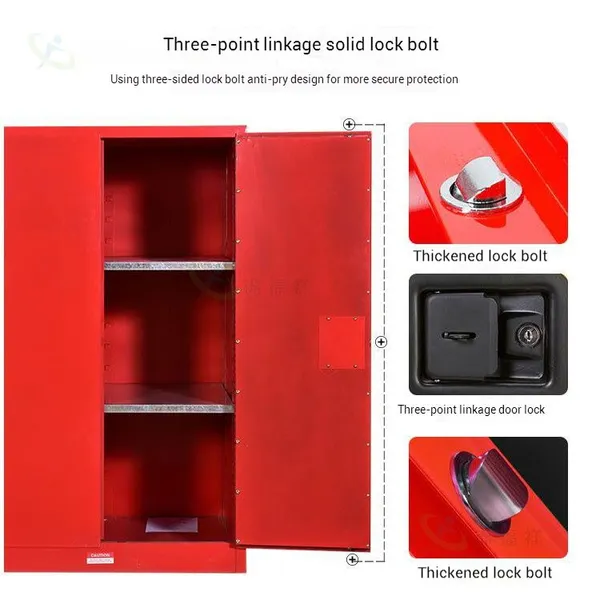
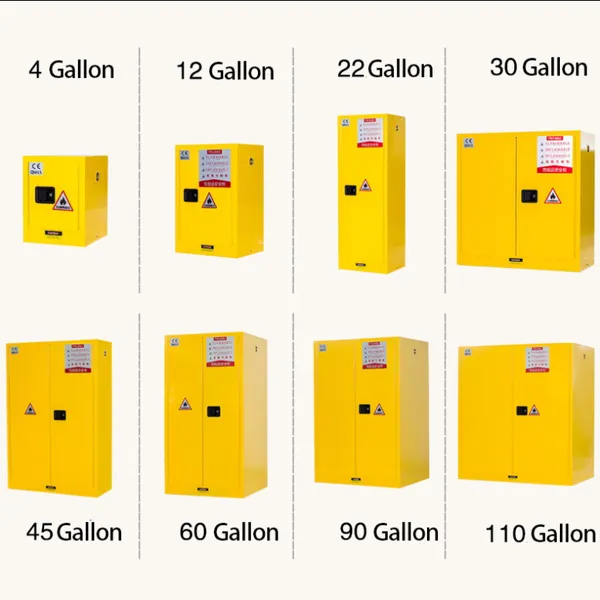
45 Gallon Explosion-Proof Flammable Liquid Storage Cabinet – Fire-Resistant Steel Safety Cabinet for FactoriesUS$ 68 - 400MOQ: 2 Combos
-
Flammable Storage Cabinet for Flammable Liquids – OSHA Certified Safety Cabinet With Fireproof Double WallsUS$ 68 - 400MOQ: 2 Combos
-
Large Capacity Flammable Liquid Storage Cabinet – Explosion-Proof Safety Cabinet for Laboratory & Workshop UseUS$ 68 - 400MOQ: 2 Combos

-
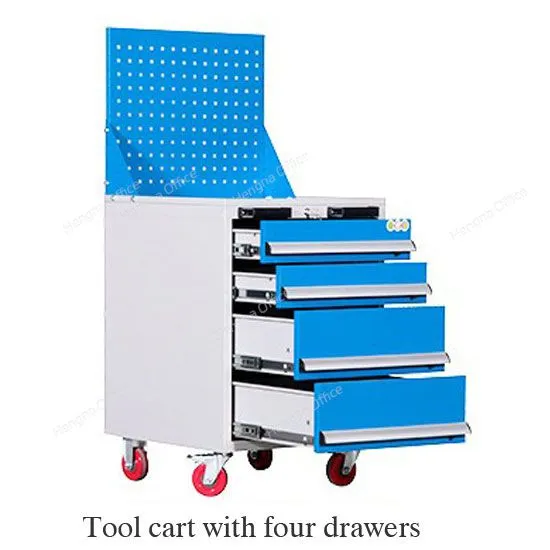
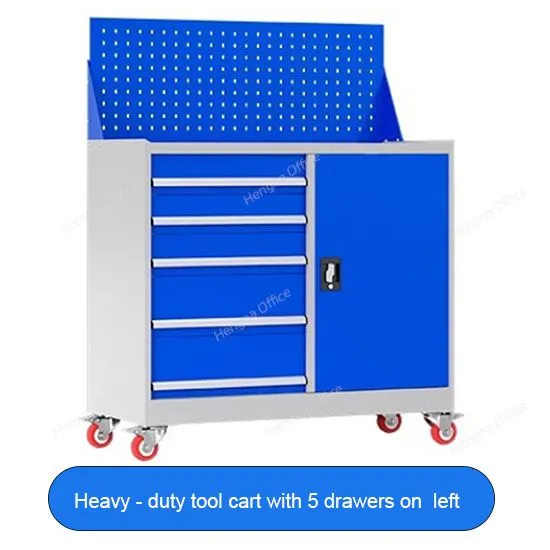
Heavy Duty Steel Tool Cart With Drawers for Workshops|Hengna OfficeUS$ 99 - 269MOQ: 2 Cases
-
Wholesale 3-Drawer Tool Trolley With Wheels for Factory and Garage StorageUS$ 99 - 269MOQ: 2 Cases
-
HN-wlj160 Industrial Rolling Tool Organizer With Pegboard|All-in-One Mobile Tool Storage CartUS$ 5 - 120MOQ: 2 Cases
-
White Stackable Pathology Wax Block Storage Drawers for Labs Near London-Hengna OfficeNegotiableMOQ: 10 Pieces
-
Custom Paraffin Block Storage Cabinet for Histology Laboratories – Factory Direct From Hengna FurnitureNegotiableMOQ: 10 Pieces
-
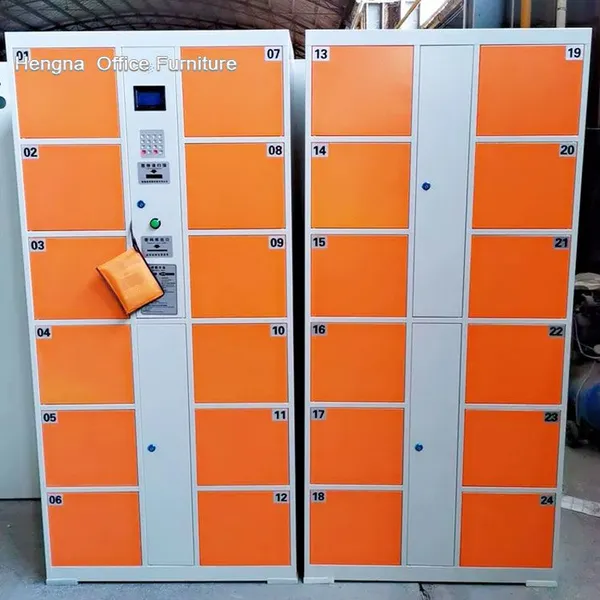
Smart Phone Charging Locker 40-door|Fingerprint Lockers Intelligent Parcel Delivery CabinetUS$ 203 - 750MOQ: 15 Pieces
-
School Gym Lockers Price |Parcel Delivery Storage Locker 12-door FactoryUS$ 203 - 750MOQ: 15 Pieces
-
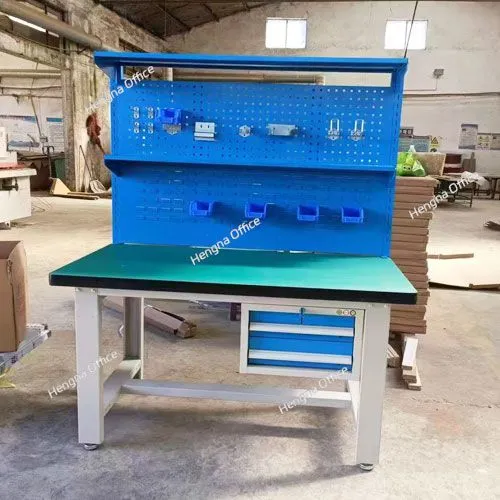
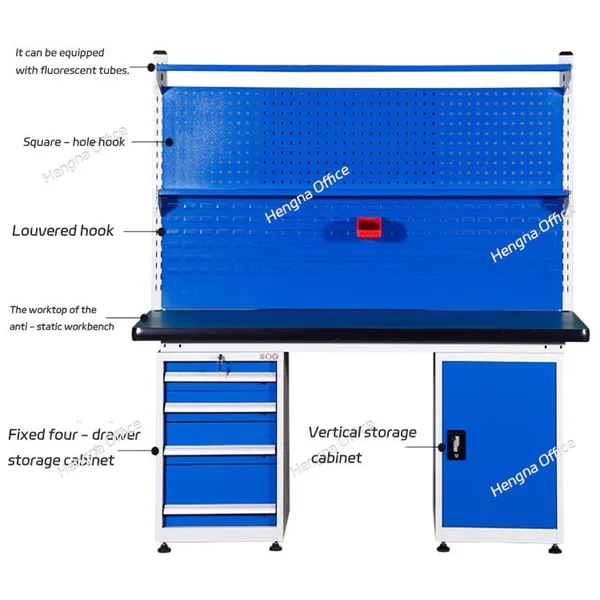
Multi Metal Work Benches Electrical Workshop Workbench|US$ 300 - 800MOQ: 2 Cases
-
Commercial Workbench Supplier |Multi Metal Work Bench With Drawers OMDUS$ 300 - 800MOQ: 2 Cases
-
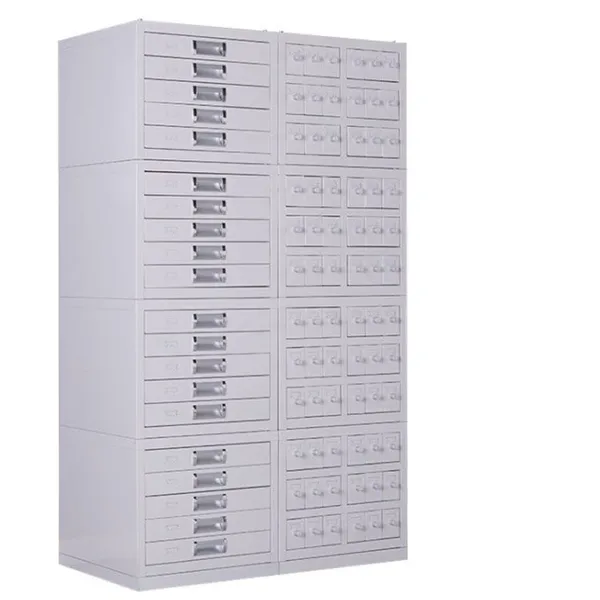
Pathological Ection Cabinet JTGZ062 Wax Block Cabinet for LaboratoryNegotiableMOQ: 10 Pieces
-
Durable Tool Storage in Factory HNGJ703 Hard Wearing Metal Industrial Tool ChestNegotiableMOQ: 18 Pieces
-
High - Quality CNC Workshop Tool Cabinet Heavyweight Workshop Tool OrganizerNegotiableMOQ: 10 Pieces
-
Laboratory Polyethylene Acid and Corrosive Chemicals Safety Storage PP CabinetUS$ 340 - 600MOQ: 5 Combos
-
22 Gallons /80 L PP Acid - Base Cabinet: Safeguard Chemical Storage Supplier OEMUS$ 500 - 600MOQ: 5 Combos
-
4 - Gallon Corrosion-resistant Safety Cabinet for Hazardous Chemicals Acid SupplierUS$ 340 - 500MOQ: 5 Combos
 Business License