
 Business License
Steel Tool Cabinet Performance: Outperforms Aluminum in Industrial Use
The Material Choice That Defines Industrial Excellence
In the demanding world of industrial applications, where tool storage systems must withstand constant use, heavy loads, and harsh environmental conditions, the choice of construction material becomes a critical decision that directly impacts performance, durability, and long-term value. While various materials compete for attention in the tool storage market, steel tool cabinet systems have consistently demonstrated superior performance compared to aluminum alternatives, particularly in demanding industrial environments. This comprehensive analysis explores why steel outperforms aluminum in industrial applications, examining the technical advantages, performance characteristics, and long-term benefits that make steel the preferred choice for professionals who prioritize durability, security, and reliability in their storage solutions.
Material Properties: Steel vs Aluminum Fundamentals
Basic Material Characteristics
Understanding the fundamental differences between steel and aluminum is essential for making informed storage decisions:
| Property | Steel | Aluminum | Industrial Impact |
|---------|-------|-------------------|
Density: 7.85 g/cm³ | 2.70 g/cm³ | Steel provides superior mass and stability |
Tensile Strength: 400-550 MPa | 90-200 MPa | Steel offers 2-5x greater strength |
Yield Strength: 250-350 MPa | 40-100 MPa | Steel resists deformation under load |
Hardness: 120-150 HB | 15-30 HB | Steel resists scratches and dents |
Molecular Structure and Performance
The atomic structure differences between these metals significantly impact their performance:
Steel: Iron-carbon alloy with crystalline structure providing exceptional strength and durability
Aluminum: Lightweight metal with face-centered cubic structure offering good conductivity but lower strength
Industrial Implications: Steel’s superior molecular structure translates directly to better performance in demanding applications
Strength and Load-Bearing Capacity
Superior Load Distribution
Steel tool cabinet systems demonstrate exceptional load-bearing capabilities:
Weight Capacity: Steel cabinets typically support 300-500kg total load compared to 150-250kg for aluminum alternatives
Shelf Support: Steel shelves maintain integrity under heavy loads without sagging or deformation
Structural Integrity: Steel frames resist bending and flexing even when fully loaded
Long-Term Performance: Steel maintains strength characteristics over extended periods
Real-World Load Testing
Industrial testing demonstrates clear performance advantages:
| Load Test | Steel Cabinet | Aluminum Cabinet | Performance Difference |
|---|
Static Load: 400kg for 72 hours | 200kg for 72 hours | Steel supports 2x more weight |
Dynamic Load: 300kg with vibration | 150kg with vibration | Steel handles stress better |
Impact Resistance: 50kg dropped from 1m | 25kg dropped from 1m | Steel absorbs impact better |
Long-Term Deformation: Minimal after 5 years | Noticeable after 2 years | Steel maintains shape longer |
Durability and Longevity
Environmental Resistance
Steel tool cabinet systems excel in harsh industrial environments:
Corrosion Resistance: Properly treated steel resists rust, chemicals, and environmental contaminants
Wear Resistance: Steel surfaces resist scratches, dents, and abrasion from daily use
Temperature Tolerance: Steel maintains structural integrity across wide temperature ranges
UV Resistance: Steel coatings provide excellent protection against UV degradation
Lifecycle Cost Analysis
When evaluating total cost of ownership, steel demonstrates superior value:
| Lifecycle Factor | Steel Cabinet | Aluminum Cabinet | 10-Year Cost Difference |
|---|
Initial Cost: Higher initial investment |
Replacement Frequency: Every 15-20 years | Every 5-8 years | Steel requires fewer replacements |
Maintenance Costs: Steel has lower maintenance |
Total 10-Year Cost: Steel saves 40-50% |
Security and Protection Features
Structural Security Advantages
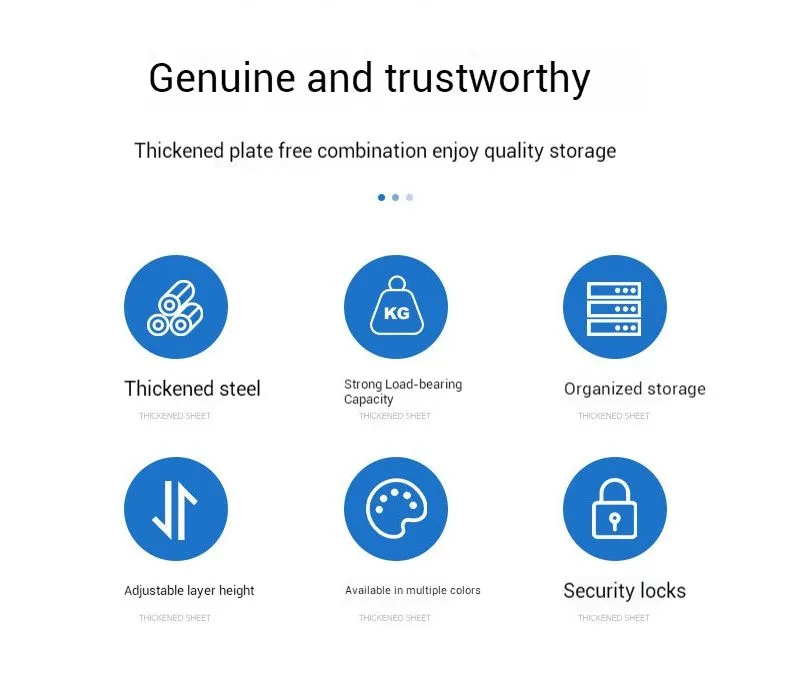
Steel tool cabinet construction provides superior security:
Locking System Integration: Steel frames support advanced locking mechanisms without compromise
Forced Entry Resistance: Steel construction resists cutting, prying, and forced entry attempts
Weight Deterrent: Heavier steel construction makes cabinets difficult to move or remove
Reinforcement Capability: Steel allows integration of additional security features without structural compromise
Impact Resistance and Protection
Steel’s superior hardness provides better protection:
Impact Absorption: Steel surfaces absorb and dissipate impact energy more effectively
Tool Protection: Steel interiors prevent tool damage from impacts and vibrations
Environmental Shielding: Steel construction provides better protection against environmental factors
Long-Term Protection: Steel maintains protective qualities over extended periods
Manufacturing and Customization Capabilities
Fabrication Flexibility
Steel offers superior manufacturing and customization options:
Welding Capability: Steel can be welded for strong, permanent joints
Forming Versatility: Steel can be formed into complex shapes without losing strength
Finishing Options: Steel accepts various coatings and treatments for enhanced performance
Modification Ease: Steel can be drilled, cut, and modified for custom requirements
Customization Examples
Steel’s manufacturing advantages enable diverse customization:
| Customization Type | Steel Capability | Aluminum Limitation |
|---|
Welded Reinforcement: Additional steel reinforcement possible | Limited welding capability |
Complex Shapes: Intricate designs without strength loss | Shape limitations affect strength |
Heavy Modifications: Major structural changes possible | Limited modification options |
Integration Features: Advanced security integration | Basic integration only |
Thermal and Fire Performance
Heat Resistance and Fire Safety
Steel tool cabinet systems provide superior fire protection:
Melting Point: 1370°C (2500°F) compared to aluminum’s 660°C (1220°F)
Fire Resistance: Steel maintains structural integrity longer during fire exposure
Heat Distortion: Steel resists warping and deformation under high temperatures
Safety Compliance: Steel cabinets meet more stringent fire safety standards
Industrial Environment Performance
Steel performs better in challenging industrial conditions:
High Temperature Environments: Steel maintains strength in hot manufacturing areas
Chemical Exposure: Steel resists damage from industrial chemicals and solvents
Weather Resistance: Steel performs better in outdoor and humid environments
Mechanical Stress: Steel withstands vibration and mechanical stress better
Cost-Benefit Analysis for Industrial Applications
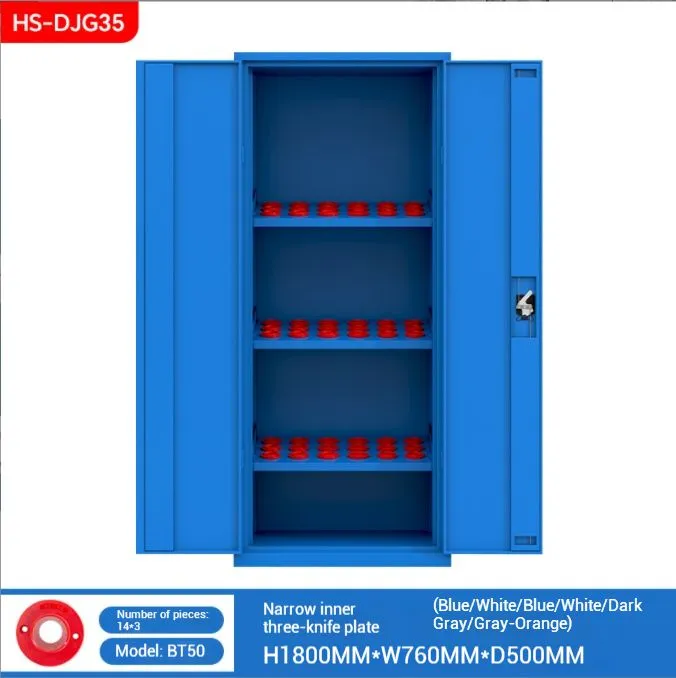
Initial Investment vs. Long-Term Value
While steel cabinets may require higher initial investment, they deliver superior long-term value:
Durability: Steel cabinets last 2-3 times longer than aluminum alternatives
Maintenance: Steel requires less frequent maintenance and repair
Replacement Costs: Steel cabinets need replacement less frequently
Performance: Steel provides superior performance throughout its lifespan
ROI Calculation Example
For a typical industrial application:
| Cost Factor | Steel Cabinet | Aluminum Cabinet | 5-Year ROI |
|---|
Initial Cost: Higher initial investment |
Replacement: None (5-year period) | Once during 5-year period
Total 5-Year Value:Steel delivers 100% better ROI |
Industry-Specific Applications
Heavy Manufacturing
Steel tool cabinet systems excel in heavy manufacturing environments:
Automotive Manufacturing: Steel supports heavy tool storage and frequent access
Metal Fabrication: Steel withstands harsh workshop conditions and chemical exposure
Equipment Manufacturing: Steel provides security for valuable manufacturing tools
Assembly Lines: Steel cabinets support continuous industrial operations
Construction and Contracting
Construction environments demand steel storage solutions:
Job Site Durability: Steel withstands transportation and site conditions
Tool Security: Steel provides better protection for valuable construction tools
Weather Resistance: Steel performs better in outdoor and exposed environments
Heavy Load Support: Steel supports construction tools and equipment weight
Future Trends and Technological Advancements
Steel Innovation and Development
The steel industry continues to innovate for industrial applications:
Advanced Alloys: New steel alloys providing enhanced properties
Coating Technologies: Improved protective coatings for better performance
Manufacturing Processes: Advanced fabrication techniques for better quality
Sustainability: Eco-friendly steel production and recycling processes
Market Evolution
Future trends in steel storage solutions include:
Smart Steel: Integration of technology with steel construction
Modular Steel: Steel systems with enhanced modularity and flexibility
Sustainable Steel: Environmentally responsible steel production and use
Advanced Coatings: Next-generation protective coatings for enhanced performance
The Clear Choice for Industrial Excellence
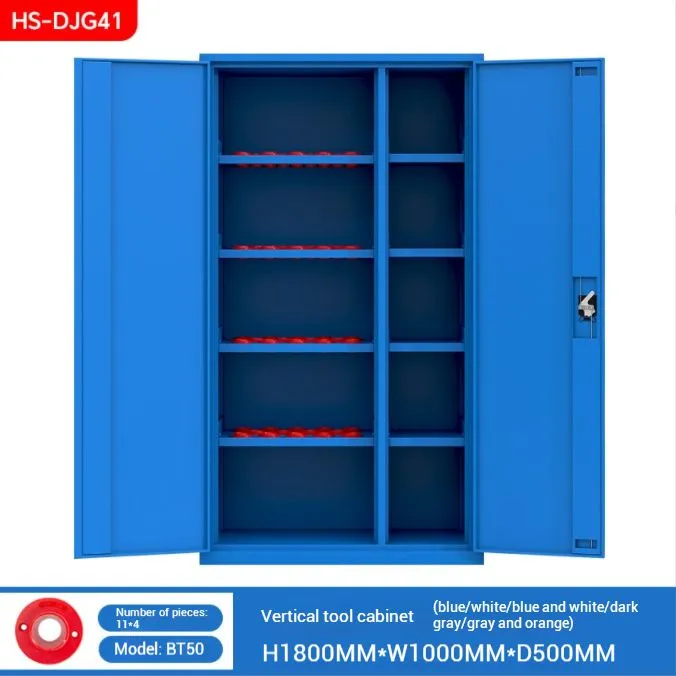
Steel tool cabinet systems consistently demonstrate superior performance compared to aluminum alternatives in industrial applications. The combination of superior strength, exceptional durability, enhanced security, and long-term value makes steel the clear choice for professionals who demand reliability and performance in demanding environments.
For industrial applications where tool storage systems must withstand constant use, heavy loads, and harsh conditions, steel provides the performance and protection needed to safeguard valuable tools and equipment. While aluminum may offer initial cost advantages, steel’s superior long-term value and performance make it the more economical choice over the lifecycle of the storage solution.
The decision between steel and aluminum ultimately comes down to prioritizing immediate cost savings versus long-term value and performance. For industrial applications where reliability, durability, and security are paramount, steel tool cabinet systems represent the superior investment, delivering better performance, longer lifespan, and greater protection for valuable tools and equipment.
As industrial environments continue to evolve and demands increase, steel tool cabinet systems will continue to outperform aluminum alternatives, providing the durability, security, and performance needed to support industrial operations and business success.
Recently Posted
-
Stainless Steel Shelving for Breweries and Wineries — What Survives Humidity, Alcohol Spills
July 24, 2026Stainless Steel Shelving for Breweries and Wineries — What Survives Humidity, Alcohol Spills, and Sanitizer Washdowns Three t Read More
 -
Stainless Steel Shelving for Meat Processing Plants — What Holds Up Against Blood, Fat, and Daily Wa
July 24, 2026Meat plants are brutal on shelvingIf you work in a meat processing plant, you already know this. The rack that looked fine s Read More
 -
0.6mm Steel Wardrobe vs 0.4mm — Why Cold-Rolled Single Door Metal Closet Lasts Longer
July 10, 2026The 0.2mm That Decides Whether You Buy One Wardrobe or ThreeTwo wardrobes look identical on a supplier's photo. Same door, sam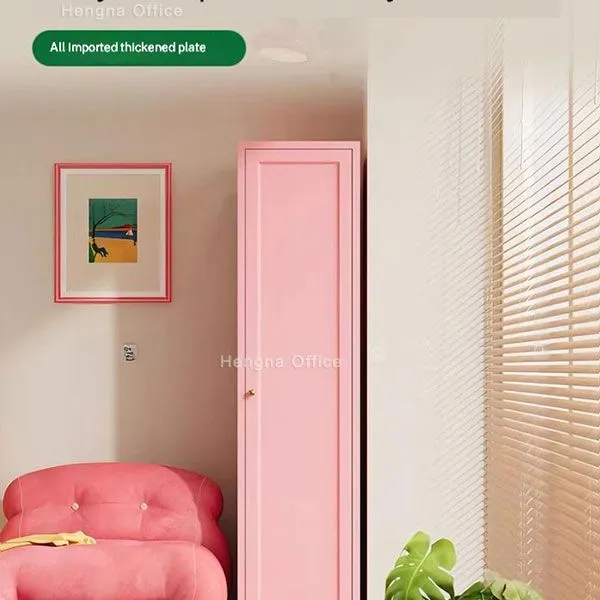 Read More
 -
Heavy Duty Tool Cabinet with Locks for School Shop: Stop Tool Theft Before It Happens
July 9, 2026A vocational school workshop isn't like a factory floor. The tools aren't being used by seasoned machinists who know where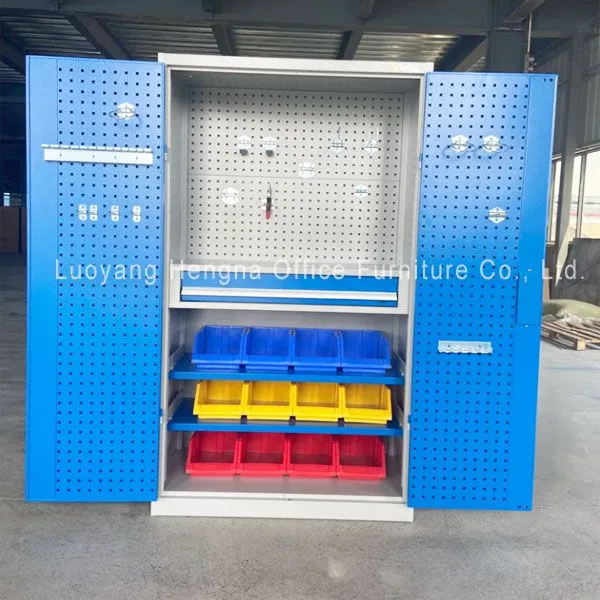 Read More

Contact Us
Recommended Products
-
 Industrial-Grade ABS Plastic Locker for Factory Staff and Warehouse Workers|Hengna OfficeUS$ 19 - 100MOQ: 5 Sets
 -
Outdoor ABS Locker Cabinet – UV-Resistant Plastic Storage for Poolside or Beach Resorts-Hengna OfficeUS$ 19 - 100MOQ: 5 Sets
-
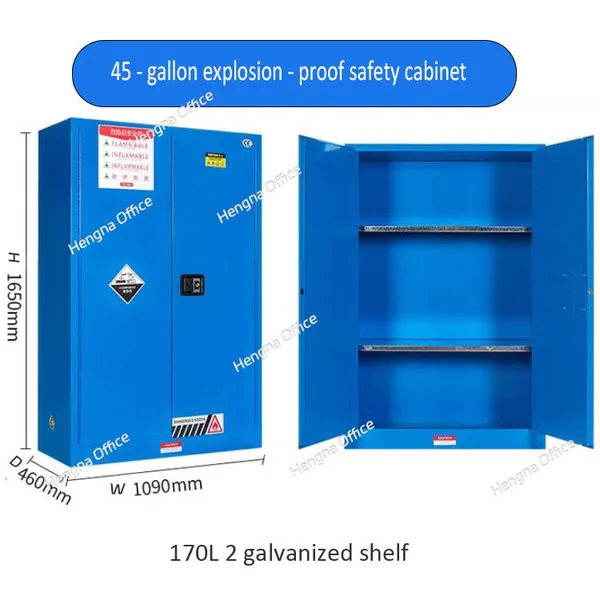
45 Gallon Explosion-Proof Flammable Liquid Storage Cabinet – Fire-Resistant Steel Safety Cabinet for FactoriesUS$ 68 - 400MOQ: 2 Combos
-
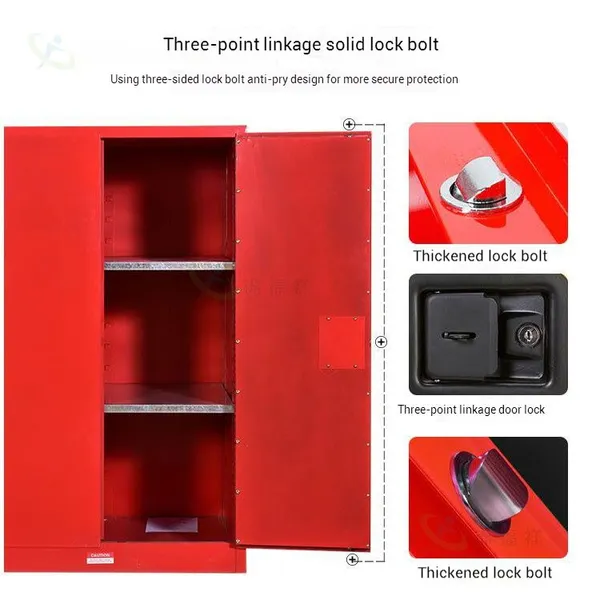
Flammable Storage Cabinet for Flammable Liquids – OSHA Certified Safety Cabinet With Fireproof Double WallsUS$ 68 - 400MOQ: 2 Combos
-
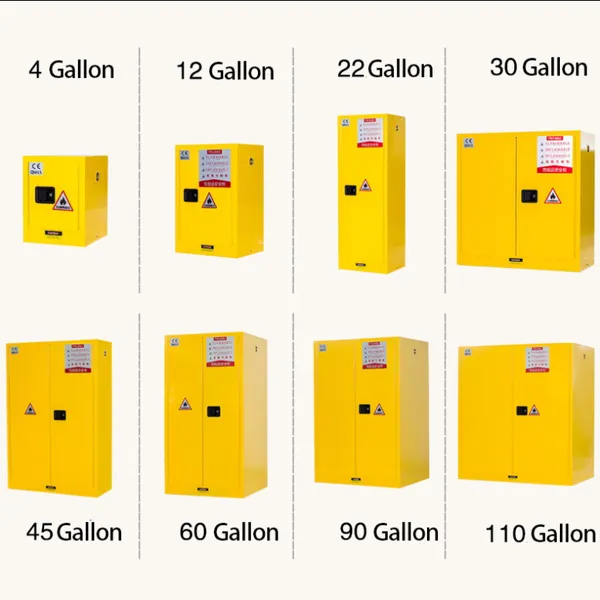
Large Capacity Flammable Liquid Storage Cabinet – Explosion-Proof Safety Cabinet for Laboratory & Workshop UseUS$ 68 - 400MOQ: 2 Combos
-
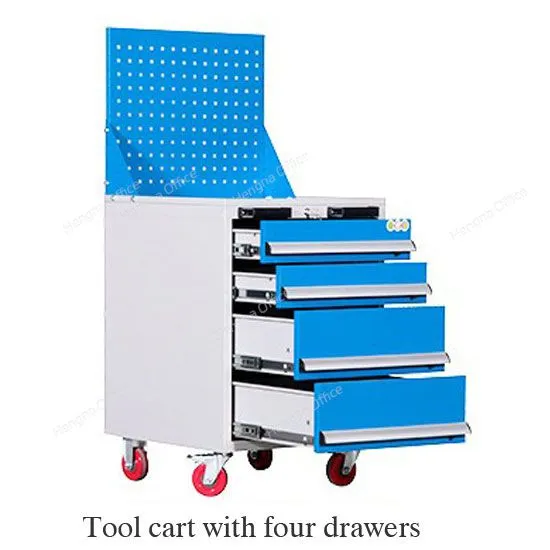
Heavy Duty Steel Tool Cart With Drawers for Workshops|Hengna OfficeUS$ 99 - 269MOQ: 2 Cases
-
Wholesale 3-Drawer Tool Trolley With Wheels for Factory and Garage StorageUS$ 99 - 269MOQ: 2 Cases
-
HN-wlj160 Industrial Rolling Tool Organizer With Pegboard|All-in-One Mobile Tool Storage CartUS$ 5 - 120MOQ: 2 Cases
-
White Stackable Pathology Wax Block Storage Drawers for Labs Near London-Hengna OfficeNegotiableMOQ: 10 Pieces
-
Custom Paraffin Block Storage Cabinet for Histology Laboratories – Factory Direct From Hengna FurnitureNegotiableMOQ: 10 Pieces
-
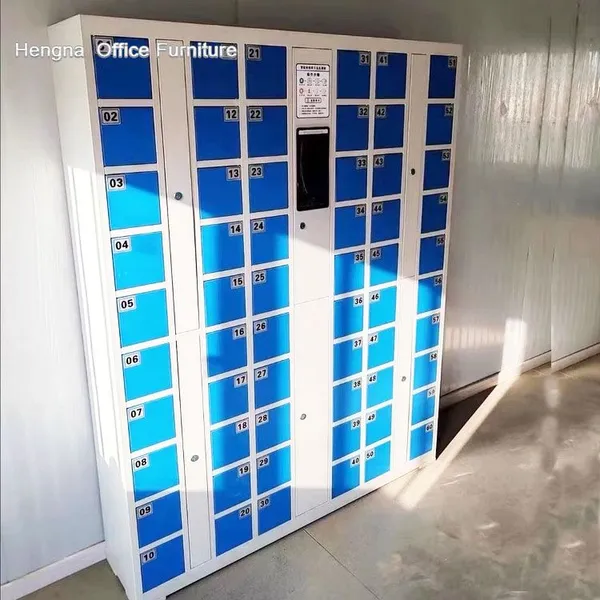
Smart Phone Charging Locker 40-door|Fingerprint Lockers Intelligent Parcel Delivery CabinetUS$ 203 - 750MOQ: 15 Pieces
-
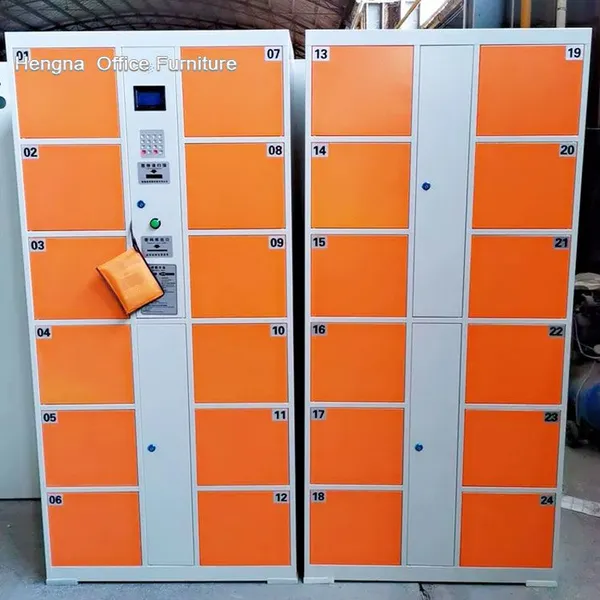
School Gym Lockers Price |Parcel Delivery Storage Locker 12-door FactoryUS$ 203 - 750MOQ: 15 Pieces
-
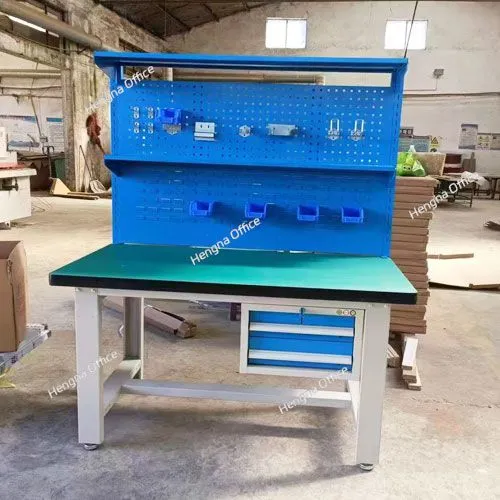
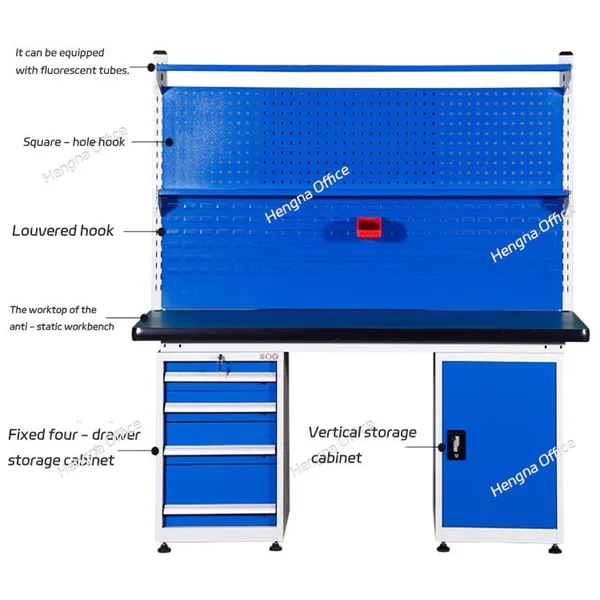
Multi Metal Work Benches Electrical Workshop Workbench|US$ 300 - 800MOQ: 2 Cases
-
Commercial Workbench Supplier |Multi Metal Work Bench With Drawers OMDUS$ 300 - 800MOQ: 2 Cases
-
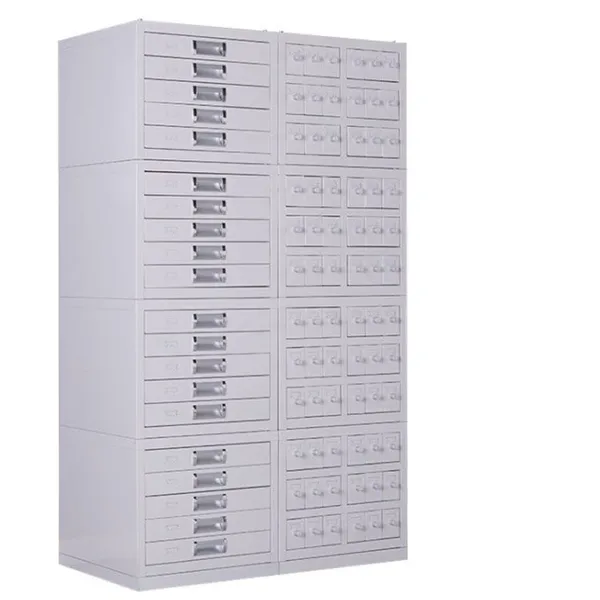
Pathological Ection Cabinet JTGZ062 Wax Block Cabinet for LaboratoryNegotiableMOQ: 10 Pieces
-
Durable Tool Storage in Factory HNGJ703 Hard Wearing Metal Industrial Tool ChestNegotiableMOQ: 18 Pieces
-
High - Quality CNC Workshop Tool Cabinet Heavyweight Workshop Tool OrganizerNegotiableMOQ: 10 Pieces
-
Laboratory Polyethylene Acid and Corrosive Chemicals Safety Storage PP CabinetUS$ 340 - 600MOQ: 5 Combos
-
22 Gallons /80 L PP Acid - Base Cabinet: Safeguard Chemical Storage Supplier OEMUS$ 500 - 600MOQ: 5 Combos
-
4 - Gallon Corrosion-resistant Safety Cabinet for Hazardous Chemicals Acid SupplierUS$ 340 - 500MOQ: 5 Combos