
 Business License
The Ultimate Guide to Choosing a Heavy Duty Steel Workbench for Your Industrial Facility
In an industrial facility, the workspace needs to be efficient, durable, and built to withstand the demanding tasks it supports. Whether you're working in a warehouse, manufacturing plant, or automotive repair shop, the right workbench is crucial for maintaining productivity and ensuring safety. A heavy-duty steel workbench is one of the most reliable, long-lasting choices for any business that needs a robust and dependable workstation.
However, choosing the right heavy-duty steel workbench can be challenging, given the various options available. In this ultimate guide, we'll walk you through the key considerations for selecting the best workbench for your industrial facility, focusing on essential features, customization options, and how to make the right choice to optimize your workspace.
1. Understand Your Specific Needs
The first step in choosing the perfect heavy-duty steel workbench for your industrial facility is to understand your unique requirements. Different industries and applications will have varying needs, so it's important to assess how your workbench will be used. Here are some questions to help you determine your specific needs:
What type of tasks will the workbench support? Will it be used for assembly, repairs, packaging, or another task?
How much weight will be placed on the workbench? Consider the weight of tools, equipment, and materials your employees will use.
What tools or equipment need to be stored on or under the workbench? Will you require storage space, shelves, or drawer units for tools, parts, and supplies?
Do you need specialized features? Some industries require additional features such as adjustable height, anti-static surfaces, or integrated power outlets.
Understanding your business’s needs is the key to finding a workbench that fits perfectly within your operational workflow.
2. Evaluate the Material and Durability
Since your workbench will be subjected to heavy-duty use, the materials it’s made from are critical to its performance. Steel is the most common material used for industrial workbenches, and for good reason: it’s strong, durable, and capable of handling heavy loads.
When evaluating heavy-duty steel workbenches, consider the following factors:
Steel Gauge and Construction: Workbenches made from high-gauge steel (typically 12-gauge or thicker) offer better strength and stability. The thicker the steel, the more weight it can support without warping or bending under pressure.
Corrosion Resistance: In environments like warehouses or manufacturing facilities, exposure to chemicals, moisture, and other corrosive elements is common. Look for workbenches that are coated or galvanized for corrosion resistance to ensure longevity.
Frame Strength: A sturdy frame is essential for long-term use. The frame should be constructed from robust steel that can support the weight of both the workbench surface and any heavy tools or machinery used on it.
By ensuring that the materials are built to withstand the specific demands of your industrial operations, you’ll guarantee a longer lifespan and higher performance from your workbench.
3. Consider Workbench Size and Configuration
The size of your heavy-duty steel workbench is another crucial factor. The workbench should not only fit into your available workspace but also be large enough to accommodate your tasks efficiently. Consider the following when choosing the right size:
Surface Area: Make sure the workbench provides ample surface area for your employees to work comfortably. A larger work surface allows for greater flexibility, whether you're assembling parts or conducting repairs.
Height: Choose a workbench that is ergonomically suitable for your staff. Adjustable-height workbenches are a great choice for reducing strain and increasing comfort, particularly if employees vary in height or if the tasks being performed require different working positions.
Footprint: Keep in mind how much space you have available in your facility. If space is limited, you might want to opt for a more compact or modular workbench design that can be expanded as needed.
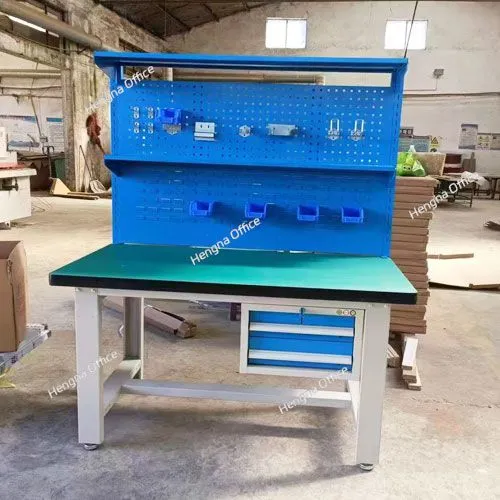
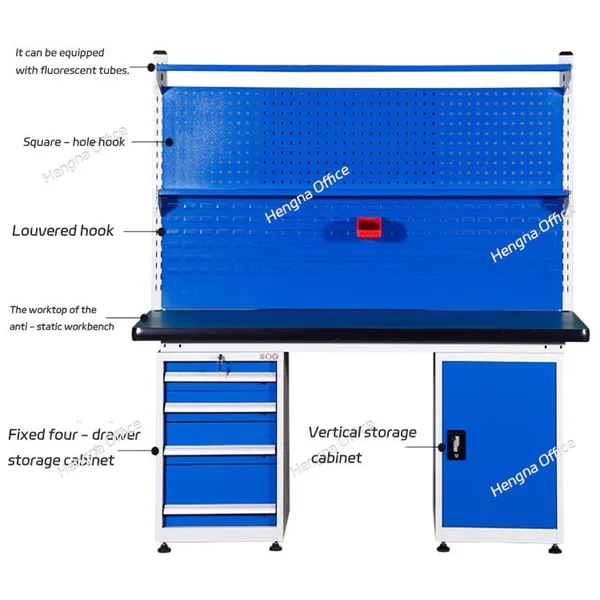
In addition to size, consider the layout of the workbench. Some models come with built-in storage options such as drawers, cabinets, or shelves, allowing for better organization and minimizing the need for extra storage units in your workspace.
4. Storage Options and Accessibility
Effective storage is essential to maintaining an organized and efficient workspace. A heavy-duty steel workbench with integrated storage options can significantly improve productivity by keeping tools and materials organized and within reach.
Consider these storage options when choosing a workbench:
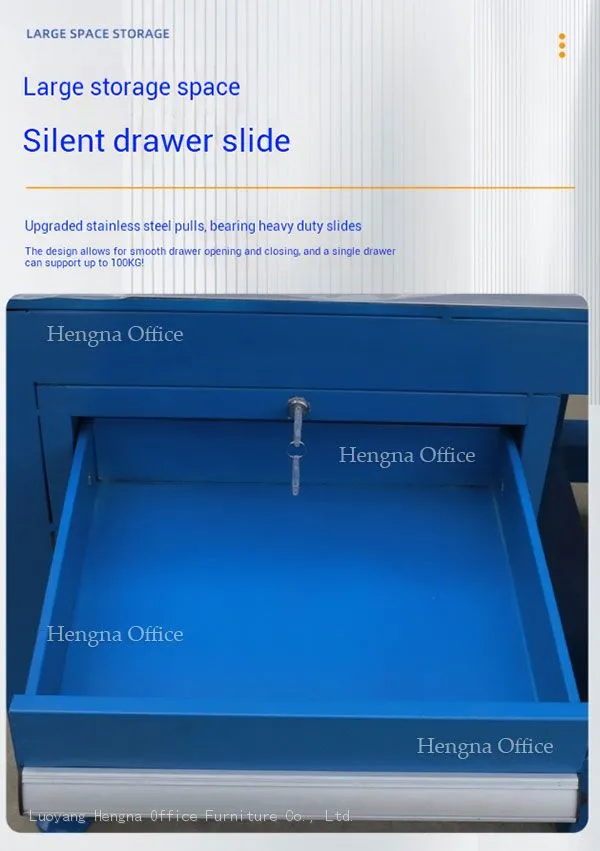
Drawers and Cabinets: These allow workers to store tools and parts securely while maintaining quick access. Ensure the drawers are designed to hold heavy equipment without sagging or becoming difficult to open.
Shelving: Open shelving underneath the workbench can provide additional storage for larger items, making it easier to access materials or equipment that are frequently used.
Overhead Storage: Some workbenches come with overhead shelving or mounted cabinets, providing vertical storage and freeing up space on the work surface itself.
Locking Mechanisms: If you need to secure valuable tools or documents, look for workbenches with locking drawers or cabinets to ensure safety and prevent unauthorized access.
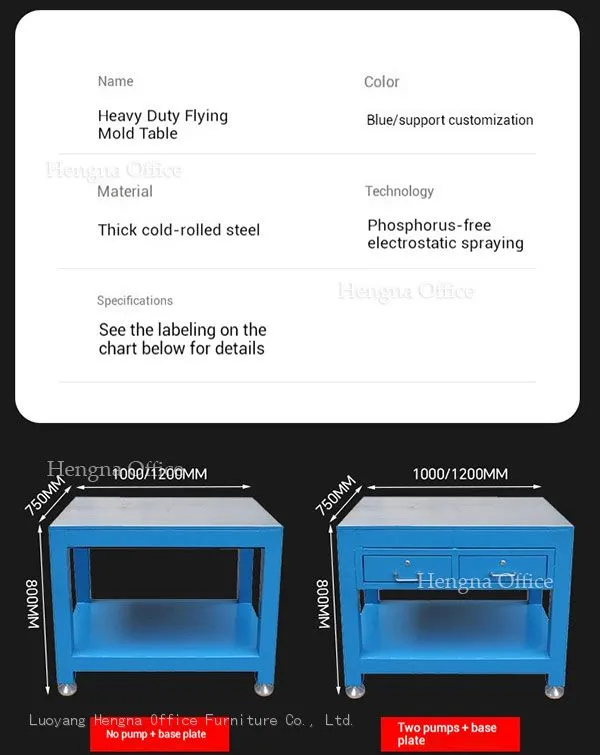
When selecting the best storage solution for your workbench, keep in mind how much space is available in your facility and how much storage capacity you require. The right combination of drawers, shelves, and cabinets can enhance workflow, prevent clutter, and reduce time spent searching for tools.
5. Customization and Flexibility
One of the major benefits of heavy-duty steel workbenches is their customization potential. A workbench that can be tailored to suit the unique needs of your facility will make a big difference in terms of productivity and efficiency. Here are a few customization options to consider:
Modular Designs: Modular workbenches allow you to adjust the size, configuration, and layout to suit your workspace. These units can be expanded with additional drawers, shelves, or specialized components as needed.
Ergonomic Features: Adjustable-height workbenches or workbenches with tilt capabilities help improve ergonomics for workers, which can reduce strain and discomfort during long hours of operation.
Integrated Electrical Outlets: If you need to power tools or equipment directly from the workbench, consider models with built-in electrical outlets or power strips to make tools more accessible.
Anti-Static Surfaces: For businesses in the electronics or tech industries, an anti-static workbench surface can prevent static discharge that might damage sensitive equipment.
Customization allows you to create a workbench that meets the specific demands of your business and enhances overall functionality.
6. Cost Considerations and ROI
While heavy-duty steel workbenches are a significant investment, they offer long-term value. Their durability, reliability, and customization options mean that you won’t need to replace them frequently. Consider the following when evaluating the ROI:
Longevity: A high-quality steel workbench can last for many years without needing major repairs or replacement. This makes it a cost-effective investment in the long run.
Improved Productivity: The organization, space optimization, and ease of use provided by a well-chosen workbench can boost productivity and reduce operational delays.
Reduced Maintenance Costs: A sturdy steel workbench requires less maintenance and is less prone to wear and tear compared to other materials like wood or plastic.
Choosing the right heavy-duty steel workbench for your industrial facility is a decision that can greatly impact the efficiency and organization of your operations. By considering the specific needs of your business, evaluating the materials, size, and storage options, and customizing the workbench to fit your workflow, you’ll be setting up a workspace that supports productivity and long-term success.
Investing in a durable, customizable, and well-organized steel workbench provides your team with the tools they need to work efficiently and safely, ultimately contributing to the overall success of your business. Whether you're in manufacturing, automotive repair, or any other industrial field, a heavy-duty steel workbench is an essential piece of equipment that will provide lasting value for your operations.

Recently Posted
-
Louvered Panel vs Round Hole Pegboard — Which Tool Wall Holds Hooks and Bins Together?
August 31, 2026Louvered Panel vs Round Hole Pegboard — Which Tool Wall Holds Hooks and Bins Together?Short answer: if you only hang tools, round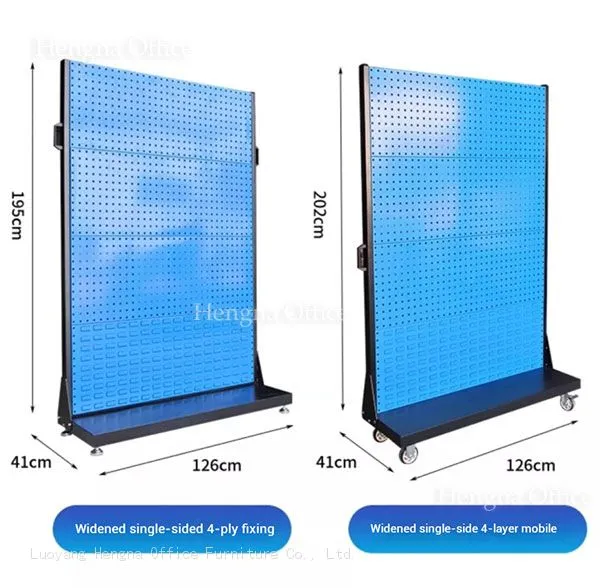 Read More
 -
Welded vs Boltless Steel Shelving — Looks Strong at the Factory, Falls Apart at the Port
August 7, 2026Welded vs Boltless Steel Shelving — Looks Strong at the Factory, Falls Apart at the PortHere's a story every steel shelving im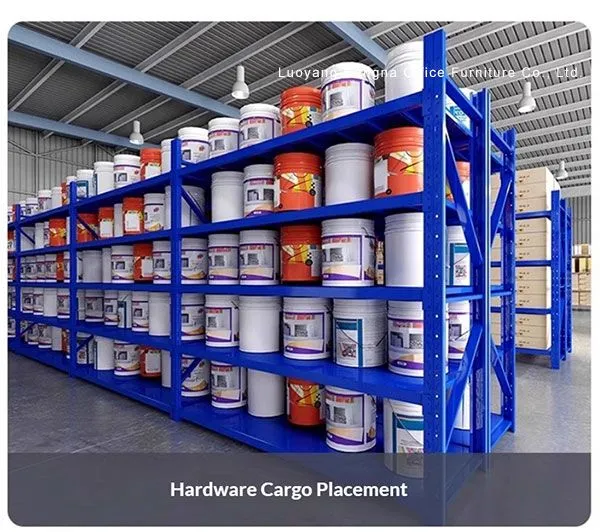 Read More
 -
You Asked a Steel Shelving Supplier for a Price. Here's What You Should Have Asked First.
August 7, 2026You found a steel shelving supplier. Their listing looks clean. You sent the message every first-time importer sends: "What&#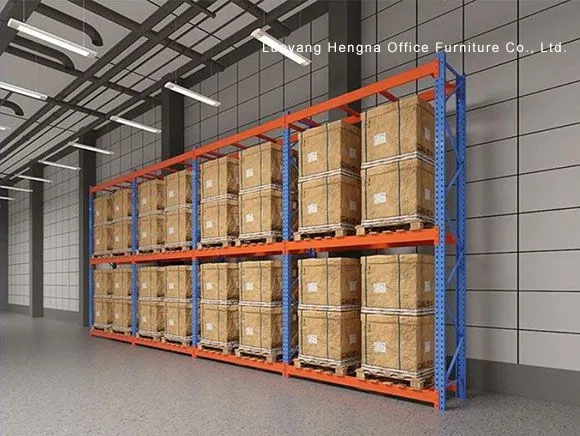 Read More
 -
Heavy Duty Steel Workbench for Auto Repair — Cold Rolled Frame vs What Most Garages Use
August 5, 2026Mike has been running his independent garage for eleven years. Three bays, two mechanics, a steady stream of brake jobs and transm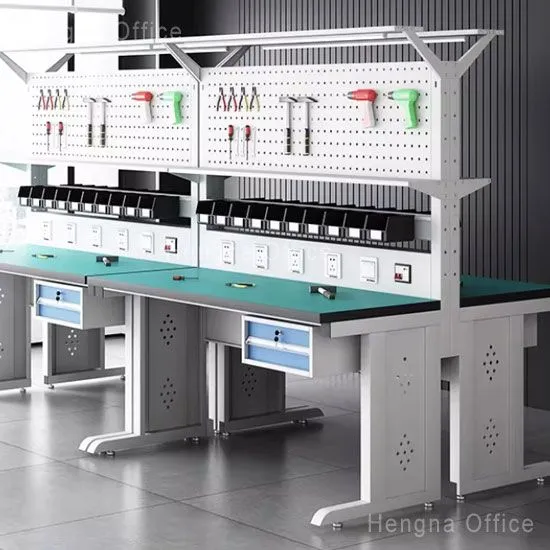 Read More

Contact Us
Recommended Products
-
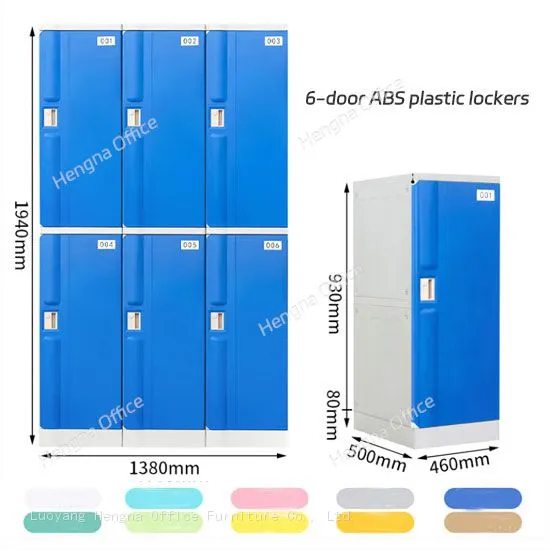
 Industrial-Grade ABS Plastic Locker for Factory Staff and Warehouse Workers|Hengna OfficeUS$ 19 - 100MOQ: 5 Sets
 -
Outdoor ABS Locker Cabinet – UV-Resistant Plastic Storage for Poolside or Beach Resorts-Hengna OfficeUS$ 19 - 100MOQ: 5 Sets
-
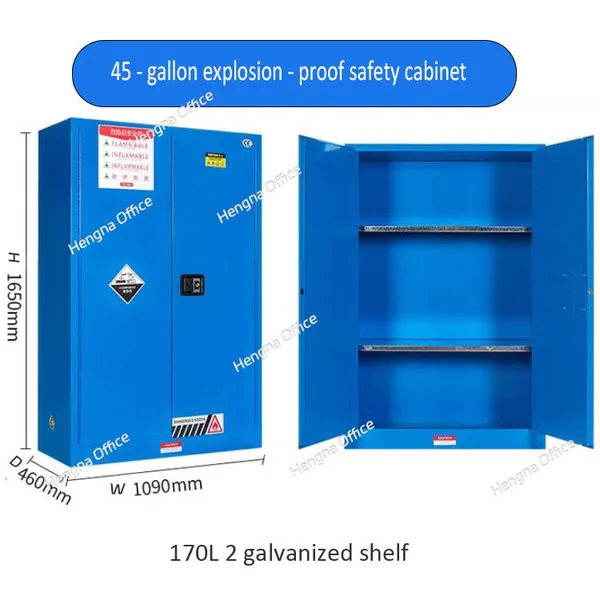
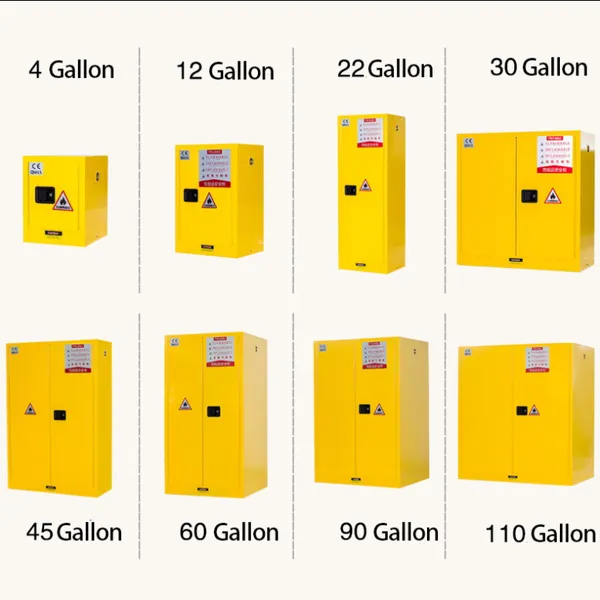
45 Gallon Explosion-Proof Flammable Liquid Storage Cabinet – Fire-Resistant Steel Safety Cabinet for FactoriesUS$ 68 - 400MOQ: 2 Combos
-
Flammable Storage Cabinet for Flammable Liquids – OSHA Certified Safety Cabinet With Fireproof Double WallsUS$ 68 - 400MOQ: 2 Combos
-
Large Capacity Flammable Liquid Storage Cabinet – Explosion-Proof Safety Cabinet for Laboratory & Workshop UseUS$ 68 - 400MOQ: 2 Combos

-
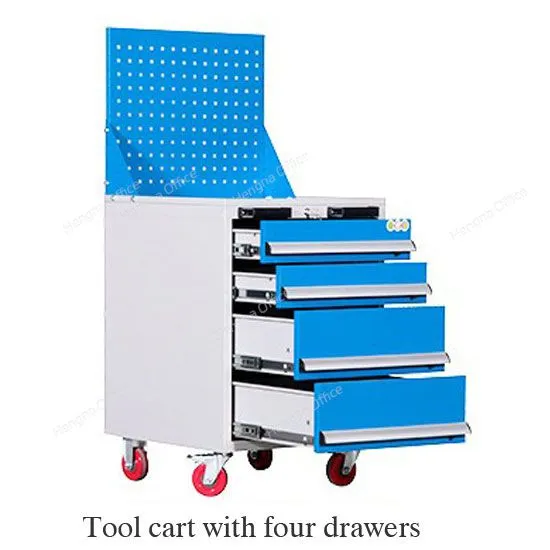
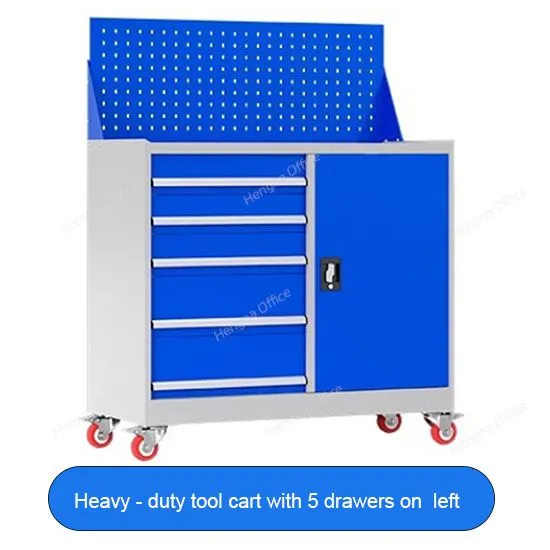
Heavy Duty Steel Tool Cart With Drawers for Workshops|Hengna OfficeUS$ 99 - 269MOQ: 2 Cases
-
Wholesale 3-Drawer Tool Trolley With Wheels for Factory and Garage StorageUS$ 99 - 269MOQ: 2 Cases
-
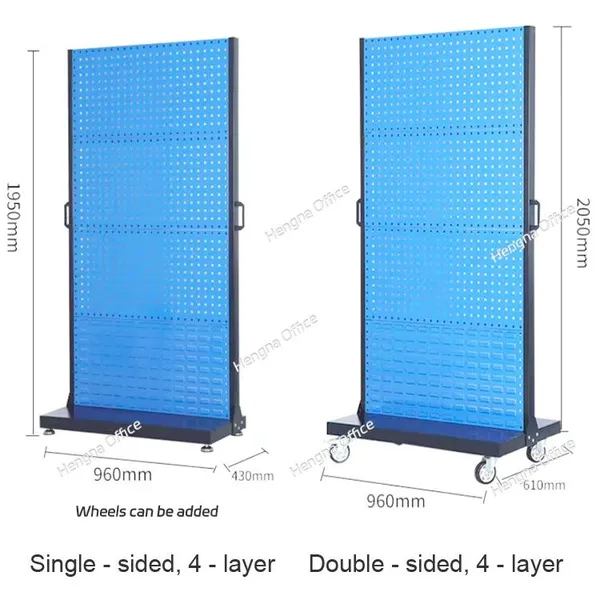
HN-wlj160 Industrial Rolling Tool Organizer With Pegboard|All-in-One Mobile Tool Storage CartUS$ 5 - 120MOQ: 2 Cases
-
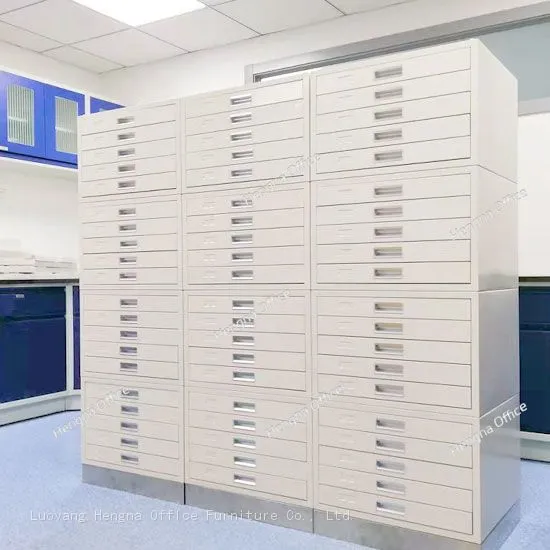
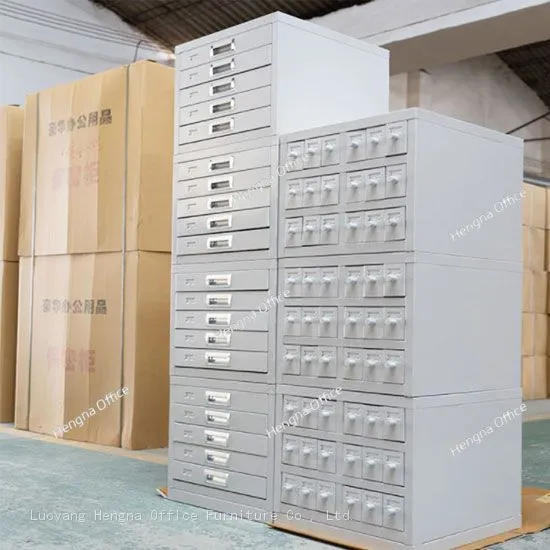
White Stackable Pathology Wax Block Storage Drawers for Labs Near London-Hengna OfficeNegotiableMOQ: 10 Pieces
-
Custom Paraffin Block Storage Cabinet for Histology Laboratories – Factory Direct From Hengna FurnitureNegotiableMOQ: 10 Pieces
-
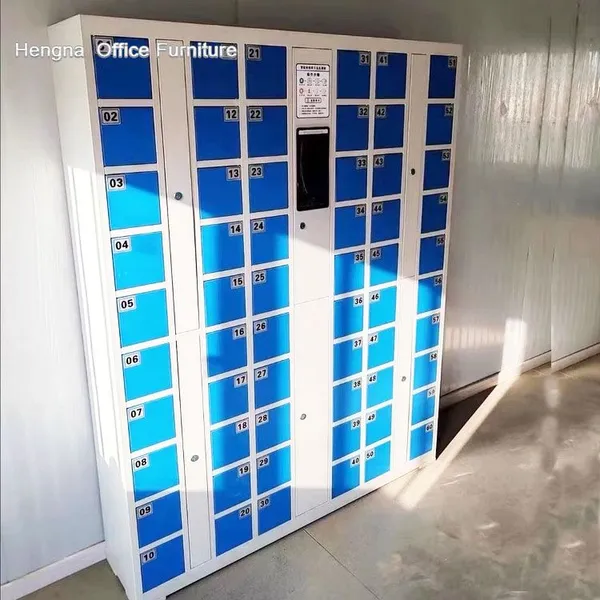
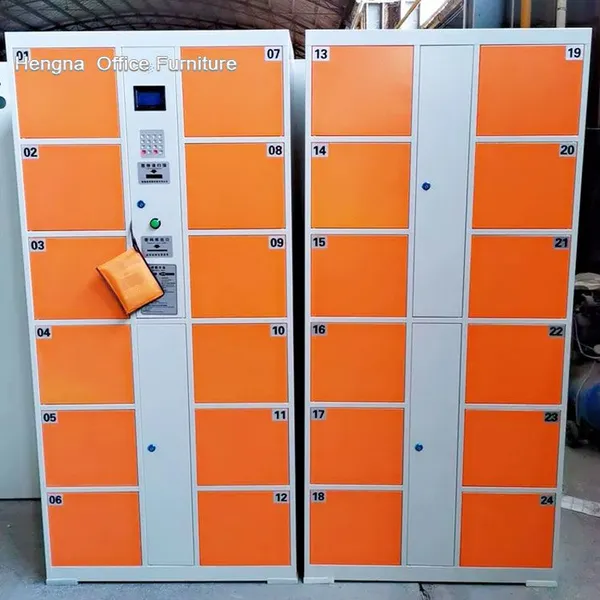
Smart Phone Charging Locker 40-door|Fingerprint Lockers Intelligent Parcel Delivery CabinetUS$ 203 - 750MOQ: 15 Pieces
-
School Gym Lockers Price |Parcel Delivery Storage Locker 12-door FactoryUS$ 203 - 750MOQ: 15 Pieces
-
Multi Metal Work Benches Electrical Workshop Workbench|US$ 300 - 800MOQ: 2 Cases
-
Commercial Workbench Supplier |Multi Metal Work Bench With Drawers OMDUS$ 300 - 800MOQ: 2 Cases
-
Pathological Ection Cabinet JTGZ062 Wax Block Cabinet for LaboratoryNegotiableMOQ: 10 Pieces
-
Durable Tool Storage in Factory HNGJ703 Hard Wearing Metal Industrial Tool ChestNegotiableMOQ: 18 Pieces
-
High - Quality CNC Workshop Tool Cabinet Heavyweight Workshop Tool OrganizerNegotiableMOQ: 10 Pieces
-
Laboratory Polyethylene Acid and Corrosive Chemicals Safety Storage PP CabinetUS$ 340 - 600MOQ: 5 Combos
-
22 Gallons /80 L PP Acid - Base Cabinet: Safeguard Chemical Storage Supplier OEMUS$ 500 - 600MOQ: 5 Combos
-
4 - Gallon Corrosion-resistant Safety Cabinet for Hazardous Chemicals Acid SupplierUS$ 340 - 500MOQ: 5 Combos