
 Business License

Safety Tips When Installing and Using a Library Ladder: A Complete Guide to Secure Access
Transform Your Reading Space with Confidence: Essential Safety Guidelines for Library Ladders
In the world of books and knowledge, library ladders serve as the vital bridge between readers and the treasures stored on high shelves. Whether you’re a librarian managing a vast collection, a homeowner curating a personal library, or an educator organizing a school reading space, these elegant rolling ladders combine functionality with aesthetic appeal. However, their beauty shouldn’t overshadow the critical importance of proper installation and usage. This comprehensive guide will walk you through everything you need to know to ensure your library ladder remains a safe, reliable tool for years to come.
Why Library Ladder Safety Matters More Than You Think
Statistics reveal that ladder-related accidents account for over 164,000 emergency room visits annually in the United States alone. Library ladders, with their unique rolling mechanism and frequent use in public spaces, present specific challenges that demand attention. A properly installed and maintained ladder not only prevents injuries but also protects your valuable book collection from potential damage caused by falls or instability.
Pre-Installation Planning: The Foundation of Safety
Measure Twice, Install Once
Before purchasing your library ladder, take precise measurements of your space:
Ceiling Height: Measure from floor to ceiling at multiple points to account for any unevenness
Shelf Dimensions: Note the height of your tallest shelf and add 12-15 inches for safe reach
Clearance Space: Ensure at least 3 feet of clearance around the ladder’s swing path
Floor Condition: Check for levelness and weight-bearing capacity
Pro Tip: Create a simple sketch of your space with measurements marked. This visual reference will prove invaluable during both purchasing and installation.
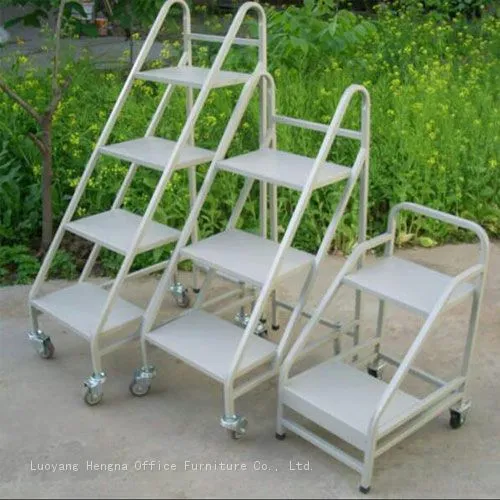
Choose the Right Ladder Type
Different environments require different ladder solutions:
| Ladder Type | Best For | Key Features |
|---|---|---|
| Fixed Rolling Ladder | Permanent libraries, heavy use | Wall-mounted track, locking mechanism |
| Freestanding Ladder | Flexible spaces, occasional use | No wall attachment required |
| Foldable Ladder | Small spaces, storage constraints | Compact storage when not in use |
Step-by-Step Installation Guide
1. Prepare the Installation Area
Clear the workspace completely and ensure proper lighting. If installing on carpet, consider placing a protective board underneath to prevent indentation and ensure stability.
2. Install the Track System
For rolling ladders, the track is your most critical component:
Mark the wall at the desired height (typically 7-8 feet from floor)
Use a level to ensure perfect horizontal alignment
Drill pilot holes and secure track brackets with appropriate anchors
Test the track with partial weight before full installation
3. Assemble the Ladder Frame
Follow manufacturer instructions carefully, but keep these universal tips in mind:
Tighten all bolts firmly, but don’t overtighten (this can strip threads)
Ensure all moving parts operate smoothly
Check that wheels roll freely and lock mechanisms engage properly
4. Final Safety Checks
Before regular use, perform these essential tests:
Weight test: Place 200-300 pounds on the ladder to check stability
Movement test: Roll the ladder the full length of the track
Lock test: Engage and disengage locking mechanisms multiple times
Daily Usage Safety Guidelines
The Three Points of Contact Rule
Always maintain three points of contact when climbing:
Two feet and one hand, OR
Two hands and one foot
This simple rule reduces fall risk by up to 70% compared to climbing with just two points of contact.
Proper Climbing Technique
Face the ladder at all times when ascending or descending
Keep your body centered between the side rails
Avoid carrying items while climbing – use a pulley system or basket instead
Never stand on the top two rungs (these are for handholds only)
Weight Distribution Guidelines
Understanding weight limits is crucial:
| Ladder Component | Typical Weight Limit |
|---|---|
| Individual Rung | 250-300 pounds |
| Total Ladder Capacity | 300-500 pounds |
| Track System | 600-800 pounds |
Maintenance: Keep Your Ladder Safe and Functional
Weekly Maintenance Checklist
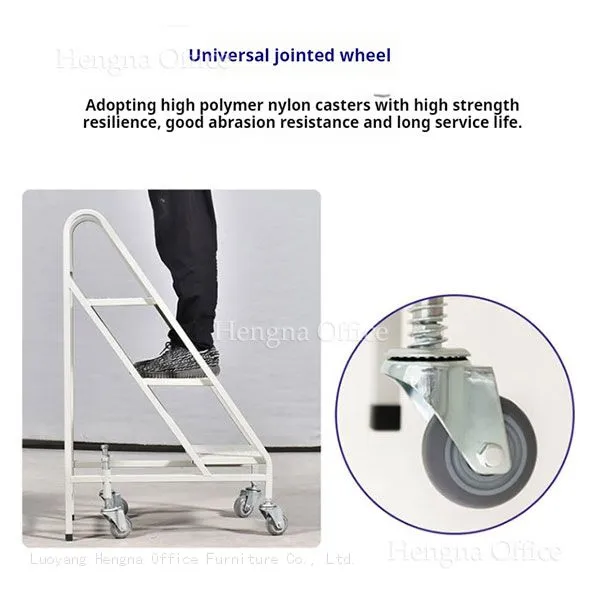
Inspect wheels for debris and proper rotation
Check locking mechanisms for smooth operation
Tighten any loose bolts or screws
Clean track rails of dust and obstructions
Monthly Deep Maintenance
Lubricate all moving parts with silicone-based lubricant
Inspect welds and joints for signs of stress or fatigue
Test weight capacity with controlled load
Check floor protection for wear and tear
Seasonal Considerations
Spring: Clean winter dust accumulation from tracks and wheels
Summer: Check for heat-related expansion affecting metal components
Fall: Remove leaf debris from outdoor installation areas
Winter: Ensure ice and snow don’t accumulate on outdoor access paths
Common Mistakes to Avoid
Installation Errors
Skipping wall stud location when mounting brackets
Using inadequate anchors for drywall installation
Failing to level the track system
Not testing weight capacity before regular use
Usage Mistakes
Overreaching while on the ladder (keep your belt buckle between the rails)
Using the ladder on uneven surfaces
Allowing children to use the ladder unsupervised
Ignoring unusual sounds or movements during use
Creating a Safe Library Environment
Beyond the ladder itself, consider these environmental factors:
Lighting: Ensure bright, shadow-free illumination around the ladder area
Flooring: Use non-slip mats or rugs in high-traffic areas
Signage: Post clear usage guidelines near the ladder
Training: Educate all users on proper techniques, especially in public libraries
When to Call a Professional
While many library ladder installations are DIY-friendly, certain situations require professional expertise:
Uneven floors or unusual architectural features
Custom installations requiring specialized tools
Signs of structural stress in existing installations
Complex track systems for curved or multi-level libraries
Safety as a Foundation for Knowledge Access
A library ladder represents more than just a piece of furniture—it’s an investment in accessibility, organization, and the joy of reading. By following these comprehensive safety guidelines, you ensure that this investment serves its purpose without compromising the well-being of users. Remember, the few minutes spent on proper installation and regular maintenance can prevent accidents that might otherwise interrupt the flow of knowledge and discovery in your space.
Whether you’re installing a ladder in a home library, school media center, or public library, these safety tips provide the foundation for a secure, functional, and beautiful reading environment. Take the time to implement these guidelines, and enjoy the confidence that comes with knowing your library ladder is as safe as it is elegant.
For more information on library ladder selection and installation, explore our comprehensive product guides or contact our safety experts for personalized recommendations.
Recently Posted
-
Stainless Steel Shelving for Breweries and Wineries — What Survives Humidity, Alcohol Spills
July 24, 2026Stainless Steel Shelving for Breweries and Wineries — What Survives Humidity, Alcohol Spills, and Sanitizer Washdowns Three t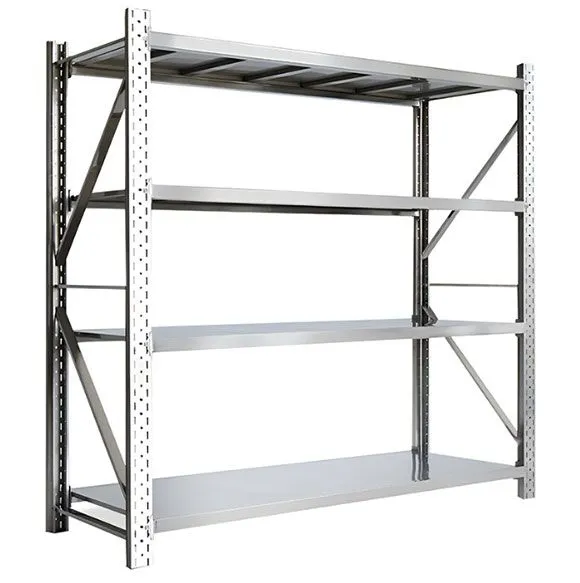 Read More
 -
Stainless Steel Shelving for Meat Processing Plants — What Holds Up Against Blood, Fat, and Daily Wa
July 24, 2026Meat plants are brutal on shelvingIf you work in a meat processing plant, you already know this. The rack that looked fine s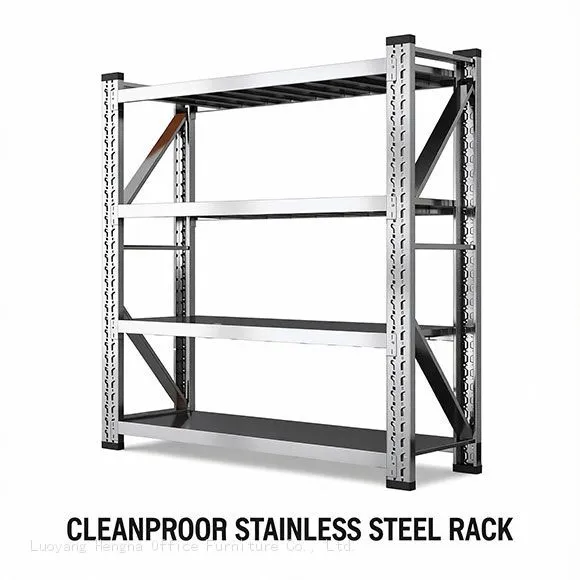 Read More
 -
0.6mm Steel Wardrobe vs 0.4mm — Why Cold-Rolled Single Door Metal Closet Lasts Longer
July 10, 2026The 0.2mm That Decides Whether You Buy One Wardrobe or ThreeTwo wardrobes look identical on a supplier's photo. Same door, sam Read More
 -
Heavy Duty Tool Cabinet with Locks for School Shop: Stop Tool Theft Before It Happens
July 9, 2026A vocational school workshop isn't like a factory floor. The tools aren't being used by seasoned machinists who know where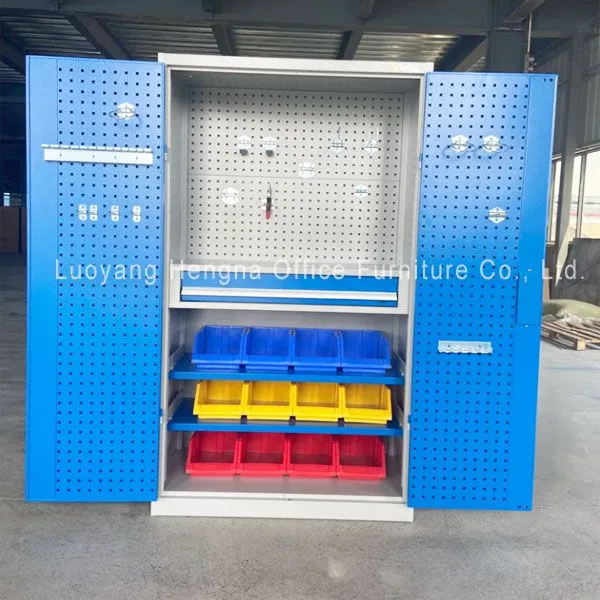 Read More

Contact Us
Recommended Products
-
 Industrial-Grade ABS Plastic Locker for Factory Staff and Warehouse Workers|Hengna OfficeUS$ 19 - 100MOQ: 5 Sets
 -
Outdoor ABS Locker Cabinet – UV-Resistant Plastic Storage for Poolside or Beach Resorts-Hengna OfficeUS$ 19 - 100MOQ: 5 Sets
-
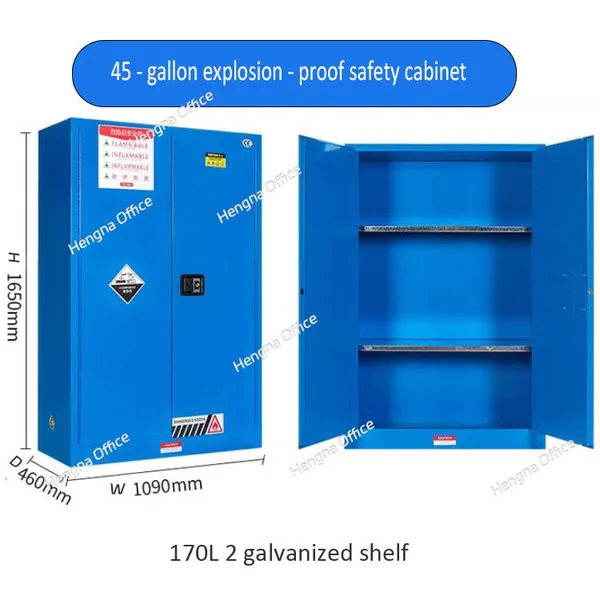
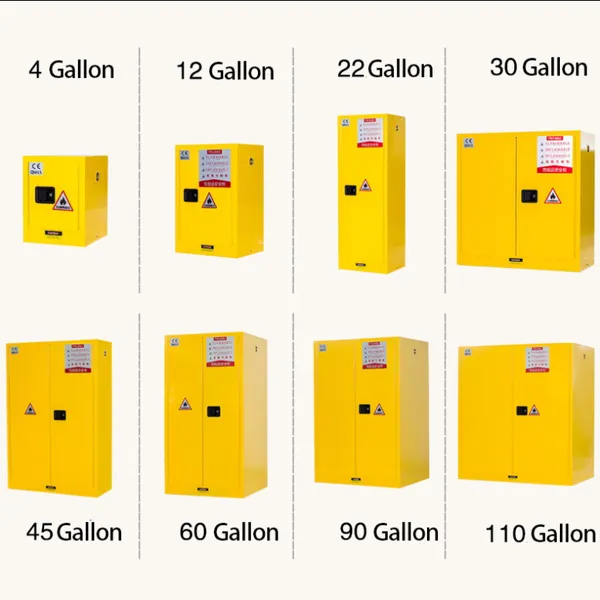
45 Gallon Explosion-Proof Flammable Liquid Storage Cabinet – Fire-Resistant Steel Safety Cabinet for FactoriesUS$ 68 - 400MOQ: 2 Combos
-
Flammable Storage Cabinet for Flammable Liquids – OSHA Certified Safety Cabinet With Fireproof Double WallsUS$ 68 - 400MOQ: 2 Combos
-
Large Capacity Flammable Liquid Storage Cabinet – Explosion-Proof Safety Cabinet for Laboratory & Workshop UseUS$ 68 - 400MOQ: 2 Combos
-
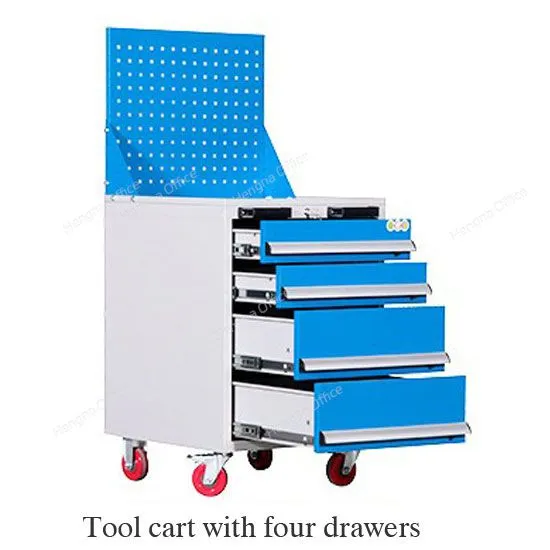
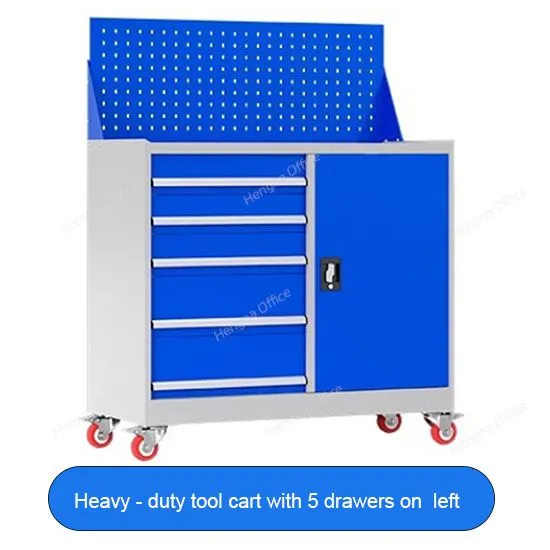
Heavy Duty Steel Tool Cart With Drawers for Workshops|Hengna OfficeUS$ 99 - 269MOQ: 2 Cases
-
Wholesale 3-Drawer Tool Trolley With Wheels for Factory and Garage StorageUS$ 99 - 269MOQ: 2 Cases
-
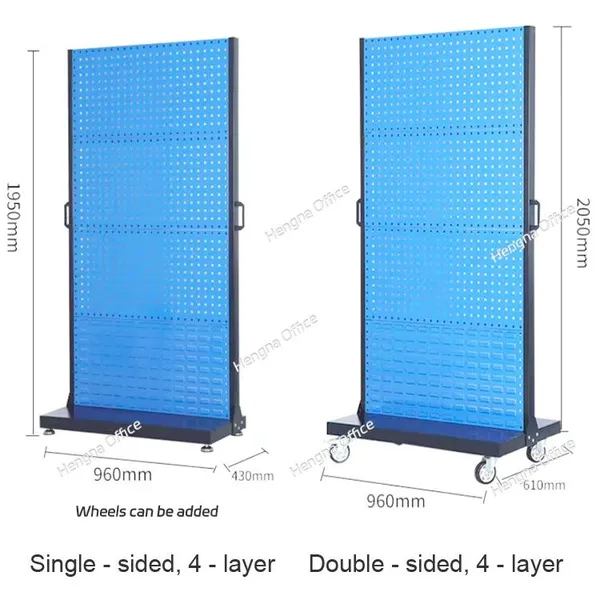
HN-wlj160 Industrial Rolling Tool Organizer With Pegboard|All-in-One Mobile Tool Storage CartUS$ 5 - 120MOQ: 2 Cases
-
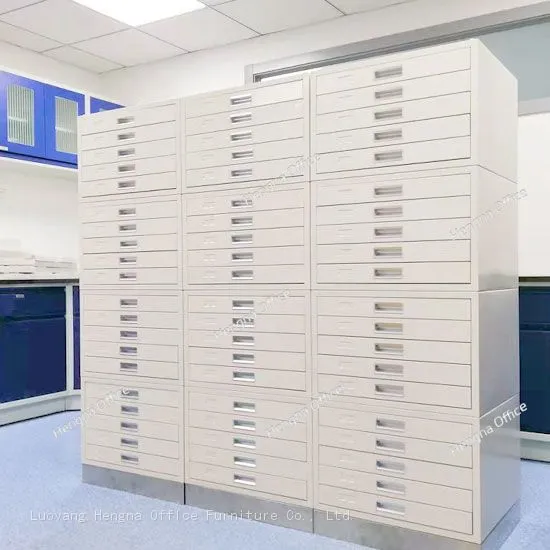
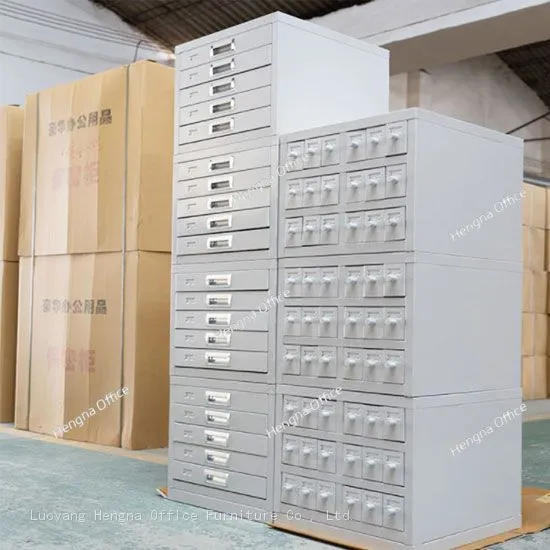
White Stackable Pathology Wax Block Storage Drawers for Labs Near London-Hengna OfficeNegotiableMOQ: 10 Pieces
-
Custom Paraffin Block Storage Cabinet for Histology Laboratories – Factory Direct From Hengna FurnitureNegotiableMOQ: 10 Pieces
-
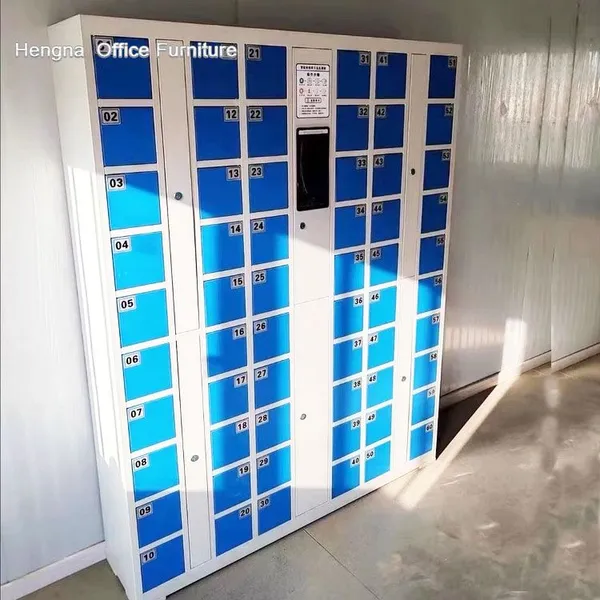
Smart Phone Charging Locker 40-door|Fingerprint Lockers Intelligent Parcel Delivery CabinetUS$ 203 - 750MOQ: 15 Pieces
-
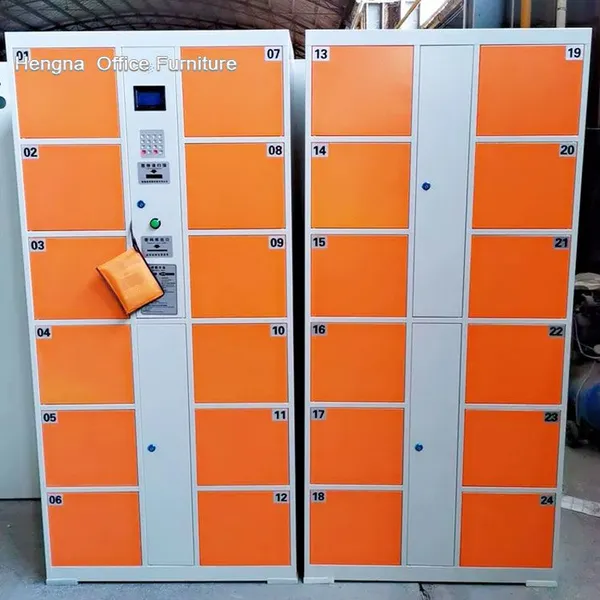
School Gym Lockers Price |Parcel Delivery Storage Locker 12-door FactoryUS$ 203 - 750MOQ: 15 Pieces
-
Multi Metal Work Benches Electrical Workshop Workbench|US$ 300 - 800MOQ: 2 Cases
-
Commercial Workbench Supplier |Multi Metal Work Bench With Drawers OMDUS$ 300 - 800MOQ: 2 Cases
-
Pathological Ection Cabinet JTGZ062 Wax Block Cabinet for LaboratoryNegotiableMOQ: 10 Pieces
-
Durable Tool Storage in Factory HNGJ703 Hard Wearing Metal Industrial Tool ChestNegotiableMOQ: 18 Pieces
-
High - Quality CNC Workshop Tool Cabinet Heavyweight Workshop Tool OrganizerNegotiableMOQ: 10 Pieces
-
Laboratory Polyethylene Acid and Corrosive Chemicals Safety Storage PP CabinetUS$ 340 - 600MOQ: 5 Combos
-
22 Gallons /80 L PP Acid - Base Cabinet: Safeguard Chemical Storage Supplier OEMUS$ 500 - 600MOQ: 5 Combos
-
4 - Gallon Corrosion-resistant Safety Cabinet for Hazardous Chemicals Acid SupplierUS$ 340 - 500MOQ: 5 Combos