
 Business License

Chemical Plant Safety: Essential Flammable Storage Cabinet Requirements for OSHA Compliance
Chemical manufacturing plants face some of the most stringent safety regulations in industrial operations, with OSHA compliance being paramount for worker protection and facility operation. Flammable storage cabinets serve as critical safety infrastructure that not only ensures regulatory compliance but also protects valuable assets and human lives. This comprehensive guide explores the essential requirements for flammable storage cabinets in chemical plants and how proper implementation can enhance workplace safety while maintaining operational efficiency.
Understanding OSHA Flammable Storage Regulations
OSHA’s standard 29 CFR 1910.106 establishes specific requirements for flammable liquid storage that all chemical plants must follow. These regulations mandate specific construction materials, ventilation requirements, and capacity limitations based on the flash points and quantities of stored materials. Chemical plants must store flammable liquids in approved containers that meet or exceed these federal standards, with cabinet construction playing a crucial role in compliance achievement.
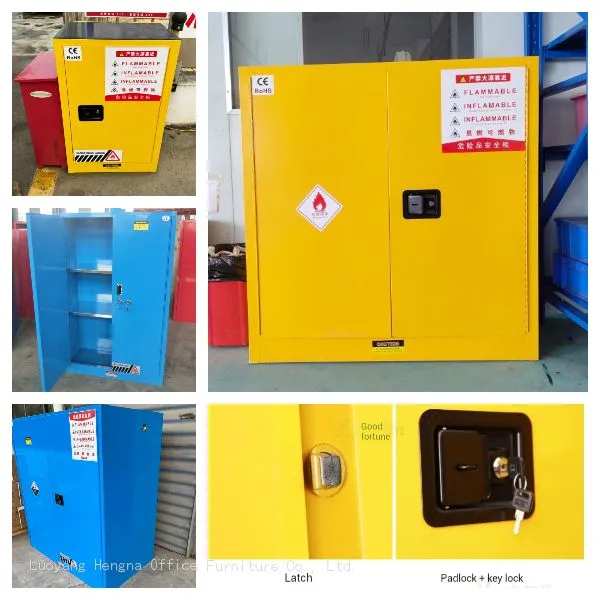
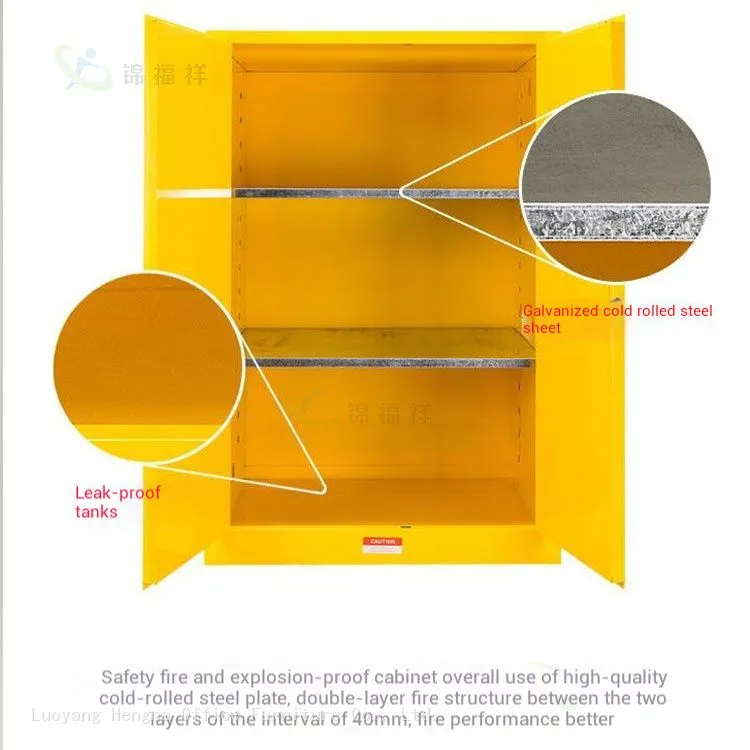
The regulations categorize flammable liquids into different classes based on their flash points, with Class I liquids being the most hazardous. Storage cabinets must be designed to contain potential fires for at least 10 minutes, allowing adequate time for emergency response. This fire resistance requirement necessitates specific construction materials including double-walled steel construction with at least 1.5-inch air space between walls, ensuring thermal protection and structural integrity during fire incidents.
Essential Construction Features for Chemical Plant Cabinets
Chemical plant flammable storage cabinets must incorporate specific construction features that meet both OSHA requirements and practical operational needs. The cabinet doors should feature self-closing mechanisms with latching devices that ensure secure closure even during emergencies. Additionally, cabinets must include grounding connectors that prevent static electricity buildup, which could ignite flammable vapors.
Ventilation represents another critical requirement, with cabinets featuring strategically placed vents that allow vapor release while preventing flame entry. The bottom vents should be located at least 3 inches above the cabinet floor, while top vents must be positioned to promote proper air circulation. These ventilation systems work in conjunction with the overall facility’s ventilation strategy to maintain safe atmospheric conditions around storage areas.
Capacity Planning and Chemical Classification
Proper capacity planning ensures that flammable storage cabinets can safely accommodate the required quantities of chemicals without exceeding safety limits. OSHA specifies maximum storage quantities based on the classification of flammable liquids and the number of cabinets in a given area. Chemical plants must carefully calculate their storage needs, considering both current requirements and future expansion possibilities.
Chemical classification plays a vital role in determining appropriate storage solutions. Different chemicals may require specialized storage conditions based on their chemical properties and potential reactions with other substances. Chemical plants should implement segregation strategies that prevent incompatible chemicals from being stored in proximity, reducing the risk of dangerous reactions and ensuring comprehensive safety compliance.
Integration with Facility Safety Systems
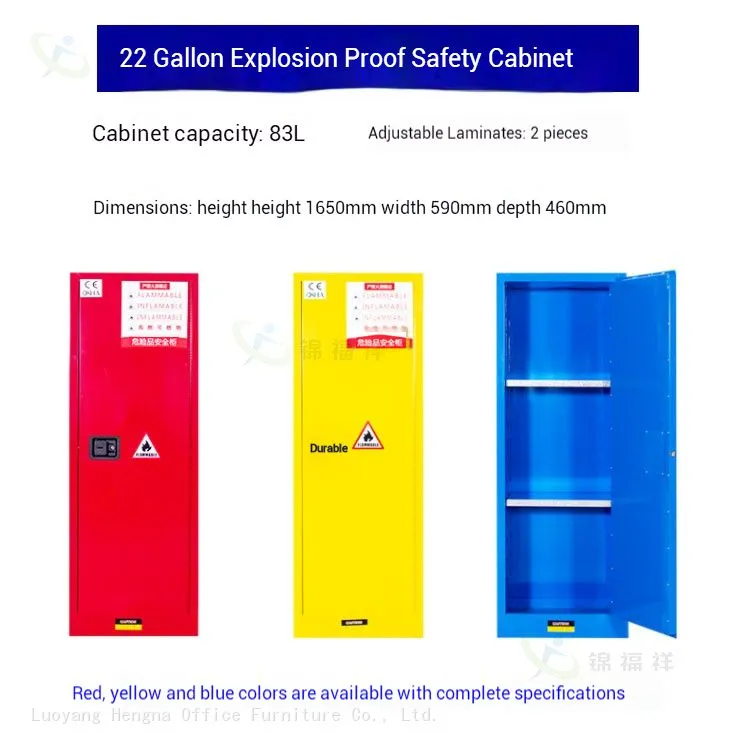 Flammable storage cabinets must integrate seamlessly with existing facility safety systems to provide comprehensive protection. This integration includes connections to fire suppression systems, emergency ventilation, and alarm systems that can quickly alert personnel to potential hazards. The strategic placement of cabinets within the facility should consider emergency access routes, evacuation plans, and firefighting equipment locations.
Modern chemical plants increasingly incorporate smart monitoring systems that can detect leaks, temperature changes, or vapor accumulation around storage cabinets. These systems can provide real-time data to safety personnel and trigger automatic responses when dangerous conditions are detected. The integration of traditional safety cabinets with advanced monitoring technology creates multiple layers of protection that enhance overall facility safety.
Employee Training and Emergency Procedures
Even the most advanced flammable storage cabinets require proper employee training to ensure effective implementation and emergency response. Chemical plant workers must understand the specific hazards associated with stored chemicals, proper cabinet operation procedures, and emergency response protocols. Regular training sessions should cover cabinet inspection, maintenance requirements, and proper handling of stored materials.
Emergency procedures should be clearly documented and regularly practiced through drills and simulations. Employees should know how to respond to cabinet leaks, fires, or other emergencies, including proper evacuation routes and assembly points. The integration of cabinet-specific emergency procedures into the overall facility emergency response plan ensures comprehensive preparedness and rapid response to potential incidents.
Maintenance and Inspection Protocols
Regular maintenance and inspection of flammable storage cabinets are essential for maintaining compliance and ensuring continued safety performance. Chemical plants should establish comprehensive inspection schedules that include daily visual checks, weekly functional tests, and annual professional inspections. These inspections should cover all cabinet components including doors, locks, vents, grounding connections, and structural integrity.
Maintenance procedures should address any identified issues promptly to prevent potential safety hazards. Cabinet doors should close and latch properly, vents should remain clear of obstructions, and grounding connections should maintain secure contact with earth ground. Documentation of all inspections and maintenance activities creates a comprehensive record that demonstrates compliance and supports continuous improvement of safety protocols.
Cost-Benefit Analysis of Compliance Implementation
While implementing OSHA-compliant flammable storage cabinets represents a significant investment, the cost of non-compliance far exceeds the expense of proper safety measures. Fines for regulatory violations can be substantial, but more importantly, workplace accidents can result in severe injuries, fatalities, and facility damage that may permanently impact business operations.
The benefits of proper flammable storage implementation extend beyond regulatory compliance to include improved worker safety, reduced insurance premiums, and enhanced operational efficiency. Well-organized storage systems can improve workflow efficiency while reducing the risk of accidents that could disrupt production. Chemical plants that prioritize safety compliance often experience improved employee morale and reduced turnover, contributing to overall operational excellence and long-term business success.

Recently Posted
-
Louvered Panel vs Round Hole Pegboard — Which Tool Wall Holds Hooks and Bins Together?
August 31, 2026Louvered Panel vs Round Hole Pegboard — Which Tool Wall Holds Hooks and Bins Together?Short answer: if you only hang tools, round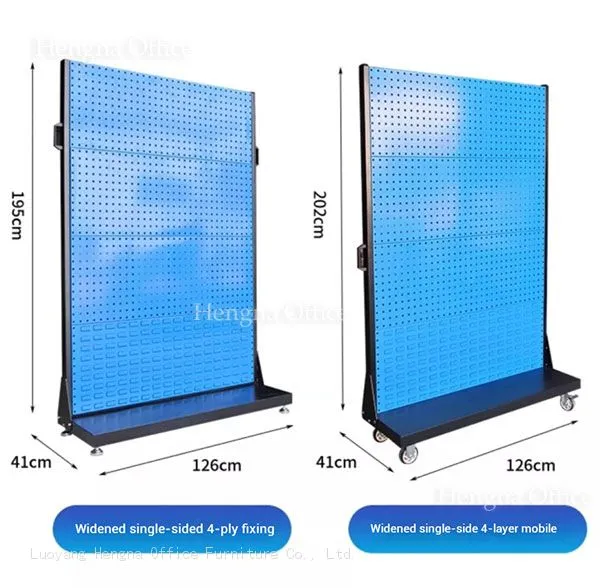 Read More
 -
Welded vs Boltless Steel Shelving — Looks Strong at the Factory, Falls Apart at the Port
August 7, 2026Welded vs Boltless Steel Shelving — Looks Strong at the Factory, Falls Apart at the PortHere's a story every steel shelving im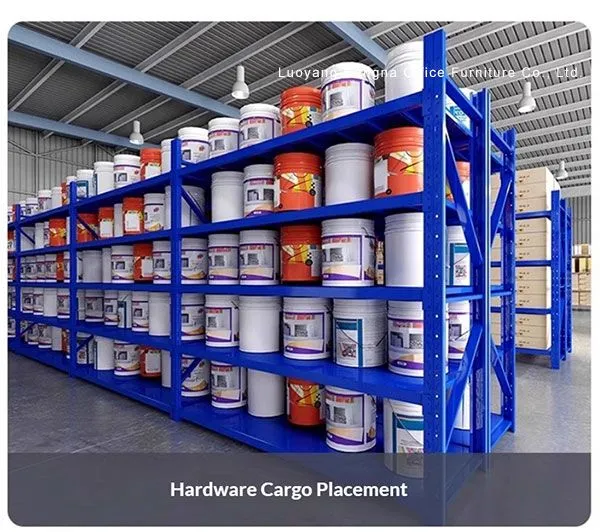 Read More
 -
You Asked a Steel Shelving Supplier for a Price. Here's What You Should Have Asked First.
August 7, 2026You found a steel shelving supplier. Their listing looks clean. You sent the message every first-time importer sends: "What&#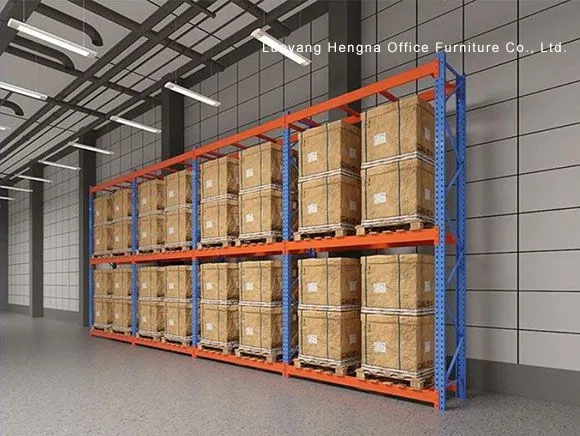 Read More
 -
Heavy Duty Steel Workbench for Auto Repair — Cold Rolled Frame vs What Most Garages Use
August 5, 2026Mike has been running his independent garage for eleven years. Three bays, two mechanics, a steady stream of brake jobs and transm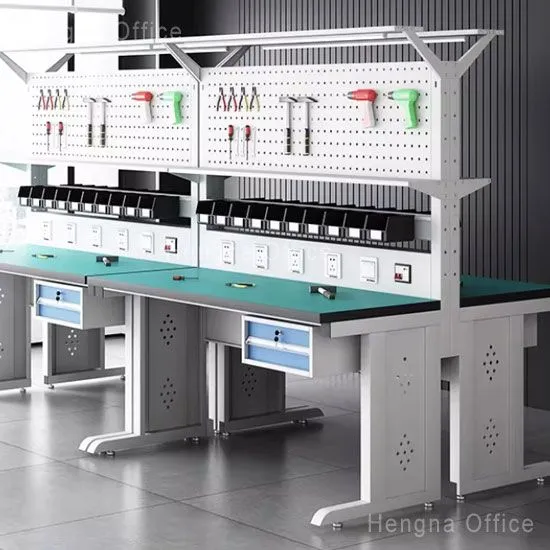 Read More

Contact Us
Recommended Products
-
 Industrial-Grade ABS Plastic Locker for Factory Staff and Warehouse Workers|Hengna OfficeUS$ 19 - 100MOQ: 5 Sets
 -
Outdoor ABS Locker Cabinet – UV-Resistant Plastic Storage for Poolside or Beach Resorts-Hengna OfficeUS$ 19 - 100MOQ: 5 Sets
-
45 Gallon Explosion-Proof Flammable Liquid Storage Cabinet – Fire-Resistant Steel Safety Cabinet for FactoriesUS$ 68 - 400MOQ: 2 Combos
-
Flammable Storage Cabinet for Flammable Liquids – OSHA Certified Safety Cabinet With Fireproof Double WallsUS$ 68 - 400MOQ: 2 Combos
-
Large Capacity Flammable Liquid Storage Cabinet – Explosion-Proof Safety Cabinet for Laboratory & Workshop UseUS$ 68 - 400MOQ: 2 Combos

-
Heavy Duty Steel Tool Cart With Drawers for Workshops|Hengna OfficeUS$ 99 - 269MOQ: 2 Cases
-
Wholesale 3-Drawer Tool Trolley With Wheels for Factory and Garage StorageUS$ 99 - 269MOQ: 2 Cases
-
HN-wlj160 Industrial Rolling Tool Organizer With Pegboard|All-in-One Mobile Tool Storage CartUS$ 5 - 120MOQ: 2 Cases
-
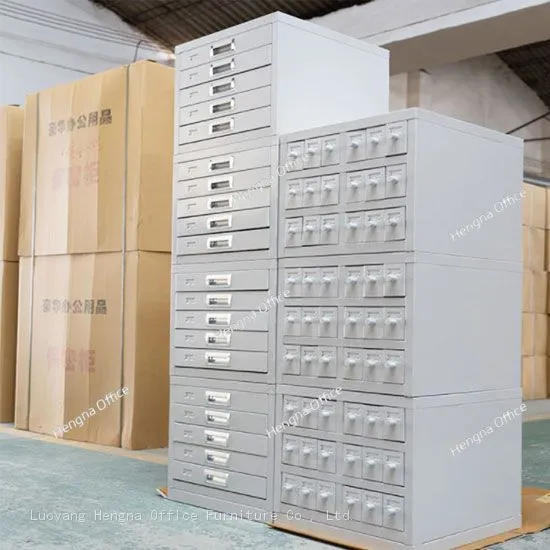
White Stackable Pathology Wax Block Storage Drawers for Labs Near London-Hengna OfficeNegotiableMOQ: 10 Pieces
-
Custom Paraffin Block Storage Cabinet for Histology Laboratories – Factory Direct From Hengna FurnitureNegotiableMOQ: 10 Pieces
-
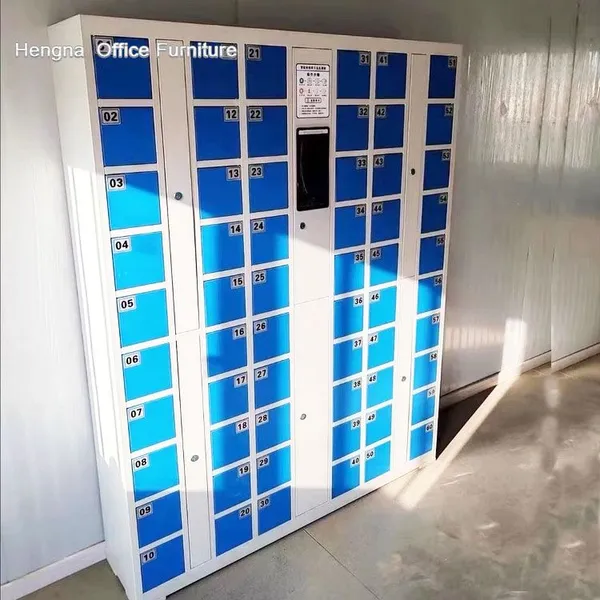
Smart Phone Charging Locker 40-door|Fingerprint Lockers Intelligent Parcel Delivery CabinetUS$ 203 - 750MOQ: 15 Pieces
-
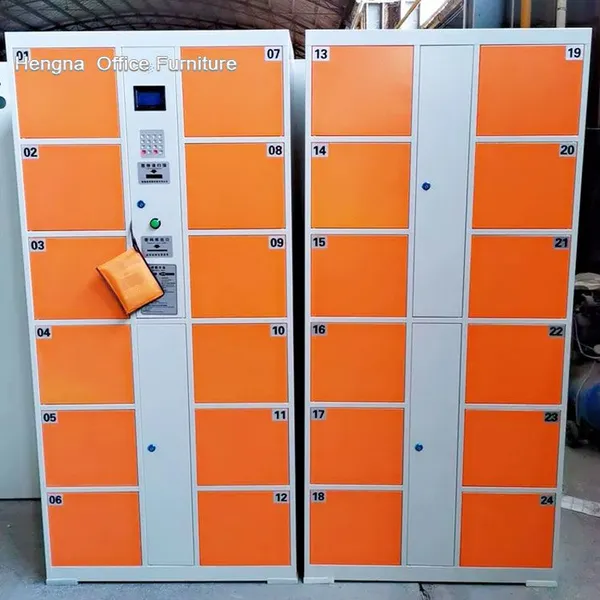
School Gym Lockers Price |Parcel Delivery Storage Locker 12-door FactoryUS$ 203 - 750MOQ: 15 Pieces
-
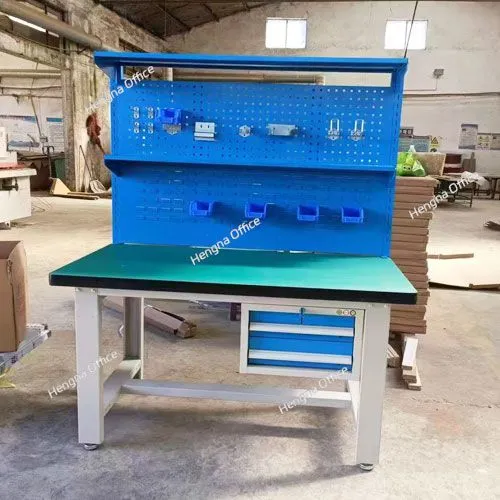
Multi Metal Work Benches Electrical Workshop Workbench|US$ 300 - 800MOQ: 2 Cases
-
Commercial Workbench Supplier |Multi Metal Work Bench With Drawers OMDUS$ 300 - 800MOQ: 2 Cases
-
Pathological Ection Cabinet JTGZ062 Wax Block Cabinet for LaboratoryNegotiableMOQ: 10 Pieces
-
Durable Tool Storage in Factory HNGJ703 Hard Wearing Metal Industrial Tool ChestNegotiableMOQ: 18 Pieces
-
High - Quality CNC Workshop Tool Cabinet Heavyweight Workshop Tool OrganizerNegotiableMOQ: 10 Pieces
-
Laboratory Polyethylene Acid and Corrosive Chemicals Safety Storage PP CabinetUS$ 340 - 600MOQ: 5 Combos
-
22 Gallons /80 L PP Acid - Base Cabinet: Safeguard Chemical Storage Supplier OEMUS$ 500 - 600MOQ: 5 Combos
-
4 - Gallon Corrosion-resistant Safety Cabinet for Hazardous Chemicals Acid SupplierUS$ 340 - 500MOQ: 5 Combos