
 Business License

Custom Chinese Medicine Cabinets for Herbal Shops: Size, Drawer Layout, and Labeling Tips
In the world of traditional Chinese medicine, the medicine cabinet is more than just storage—it’s the cornerstone of your herbal shop’s efficiency, organization, and professional image. A well-designed custom Chinese medicine cabinet can transform your practice, streamline operations, and enhance the customer experience. Whether you’re running a small apothecary or a large herbal clinic, investing in a custom cabinet tailored to your specific needs is essential for success. This comprehensive guide will walk you through the critical considerations of size, drawer layout, and labeling to help you create the perfect storage solution for your herbal shop.
Why Custom Cabinets Matter for Herbal Shops
Off-the-shelf cabinets rarely meet the unique demands of herbal medicine storage. Custom Chinese medicine cabinets offer distinct advantages that can significantly impact your business operations:
Tailored to Your Inventory
Accommodate Various Herb Types: From bulky roots to delicate powders, custom cabinets can be designed with specific drawer dimensions to match your inventory
Optimize Space Utilization: Make the most of your available space with cabinets built to fit your shop’s exact dimensions
Scalability: Design cabinets that can grow with your business, allowing for future expansion
Enhanced Professional Image
Create a Cohesive Look: Custom cabinets can be designed to match your shop’s aesthetic and branding
Impress Customers: A well-organized, professional-looking cabinet builds trust and confidence in your expertise
Stand Out from Competitors: Unique cabinet designs can become a signature feature of your shop
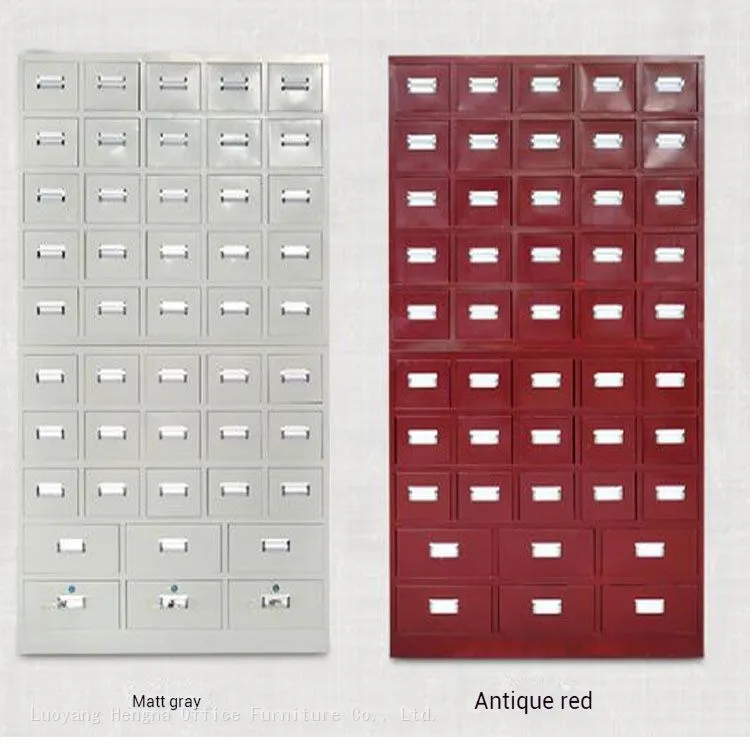
Size Considerations: Finding the Perfect Fit
Selecting the right size for your custom Chinese medicine cabinet is crucial for both functionality and space efficiency. The ideal size depends on several factors including your inventory volume, available space, and workflow requirements.
Standard Size Options
Based on industry standards and common requirements, here are the most popular cabinet sizes for herbal shops:
| Cabinet Width | Height (mm) | Width (mm) | Thickness (mm) | Drawer Capacity | Herb Varieties |
|---|---|---|---|---|---|
| 0.9m wide | 1800 | 900 | 500 | 40-50 buckets | 120-150 flavors |
| 1.2m wide | 1950 | 1200 | 500 | 40-60 buckets | 120-180 flavors |
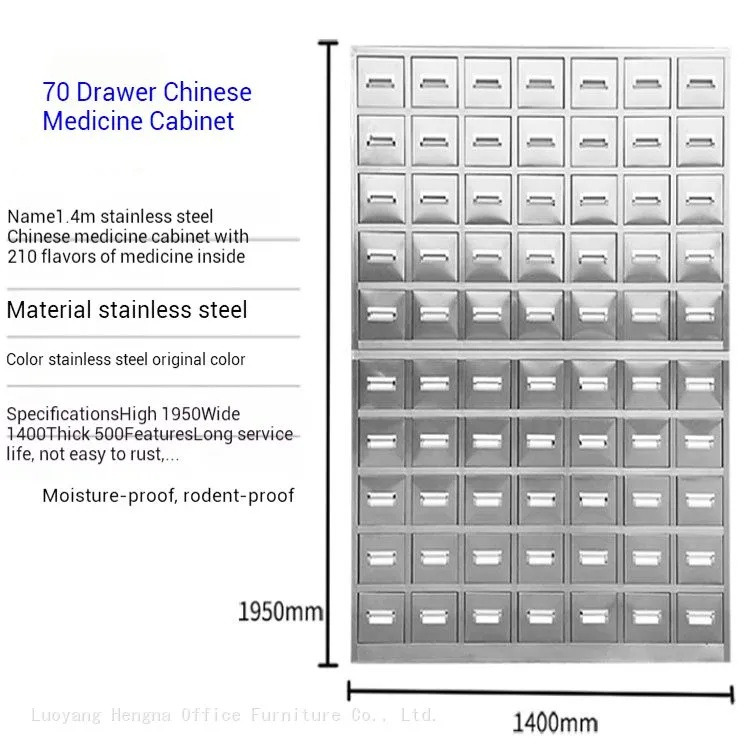
| 1.4m wide | 1950 | 1400 | 500 | 56-70 buckets | 168-210 flavors |
| 1.6m wide | 2000 | 1600-1650 | 400-600 | 48-63 buckets | 63-144 flavors |
Factors to Consider When Choosing Size
Available Space
Measure your shop floor plan carefully, including doorways and traffic flow
Consider ceiling height for tall cabinets
Allow for adequate clearance around the cabinet for easy access
Inventory Volume
Count your current herb varieties and estimate future growth
Consider bulk storage needs versus individual herb containers
Account for seasonal variations in inventory
Workflow Efficiency
Ensure the cabinet size allows for smooth movement around your shop
Consider how staff will access herbs during busy periods
Plan for customer interaction areas if the cabinet will be visible
Drawer Layout: Optimizing Organization and Accessibility
The drawer layout of your custom Chinese medicine cabinet is perhaps the most critical aspect affecting daily operations. A well-designed layout saves time, reduces errors, and enhances the overall efficiency of your herbal shop.
Key Principles of Effective Drawer Layout
Categorization by Herb Type
Group similar herbs together (roots, leaves, flowers, minerals, etc.)
Consider organizing by therapeutic function (digestive, respiratory, immune support)
Arrange by frequency of use, with popular herbs in easily accessible drawers
Drawer Size Variations
Shallow Drawers (2-3 inches): Perfect for powders, small seeds, and delicate herbs
Medium Drawers (4-6 inches): Ideal for most common herbs and medium-sized roots
Deep Drawers (7-10 inches): Best for bulky roots, large quantities, and rarely used items
Accessibility Considerations
Place frequently used herbs at waist to eye level for easy access
Reserve lower drawers for heavier items and less frequently accessed herbs
Consider slide-out shelves or rotating mechanisms for deep cabinets
Advanced Layout Features
Modular Design: Allow for reconfiguration as your inventory changes
Pull-Out Trays: Enable easy viewing and access to all herbs in a drawer
Dividers and Compartments: Keep herbs organized and prevent mixing
Specialized Sections: Designate areas for valuable or controlled herbs with additional security
Labeling Systems: Clarity and Efficiency
Effective labeling is essential for quick identification, inventory management, and professional presentation. A well-designed labeling system reduces errors, saves time, and enhances the customer experience.
Essential Elements of a Good Label
Herb Identification
Chinese characters (traditional or simplified based on your clientele)
Pinyin pronunciation for non-Chinese speakers
Latin botanical name for scientific accuracy
Common English name where applicable
Practical Information
Part of plant used (root, leaf, flower, etc.)
Quantity or weight in the drawer
Date of stocking or expiration
Special storage requirements
Visual Design Elements
Color coding by herb category or therapeutic use
Consistent font size and style for easy reading
High contrast between text and background
Durable, moisture-resistant materials
Labeling Best Practices
Consistency is Key
Use the same labeling format throughout the cabinet
Maintain consistent placement of labels on drawers
Standardize information hierarchy across all labels
Durability and Maintenance
Choose waterproof, fade-resistant materials
Consider laminated labels or engraved tags for longevity
Implement a regular label maintenance schedule
Multilingual Considerations
Include multiple languages if serving diverse clientele
Prioritize languages based on your customer demographics
Ensure translations are accurate and culturally appropriate
Additional Features for Enhanced Functionality
Beyond size, layout, and labeling, consider these additional features to maximize the utility of your custom Chinese medicine cabinet:
Security Features
Lockable drawers for valuable or controlled herbs
Hidden compartments for sensitive items
Alarm systems for high-security areas
Climate Control
Built-in humidity control systems
Temperature regulation for sensitive herbs
Air circulation features to prevent moisture buildup
Technology Integration
QR codes linking to detailed herb information
Digital inventory management systems
LED lighting for better visibility
Conclusion: Investing in Excellence
A custom Chinese medicine cabinet is more than just furniture—it’s an investment in the efficiency, professionalism, and success of your herbal shop. By carefully considering size options, optimizing drawer layout, and implementing an effective labeling system, you create a storage solution that serves your business needs for years to come.
Remember that the best cabinets evolve with your practice. Choose designs that allow for flexibility and growth, and don’t hesitate to work with experienced cabinet makers who understand the unique requirements of herbal medicine storage.
With the right custom Chinese medicine cabinet, you’ll not only organize your herbs effectively but also create a centerpiece that reflects the quality and care you put into every aspect of your herbal practice. Your customers will notice the difference, and your staff will appreciate the efficiency—making it a worthwhile investment in the future of your business.
Recently Posted
-
Stainless Steel Shelving for Breweries and Wineries — What Survives Humidity, Alcohol Spills
July 24, 2026Stainless Steel Shelving for Breweries and Wineries — What Survives Humidity, Alcohol Spills, and Sanitizer Washdowns Three t Read More
 -
Stainless Steel Shelving for Meat Processing Plants — What Holds Up Against Blood, Fat, and Daily Wa
July 24, 2026Meat plants are brutal on shelvingIf you work in a meat processing plant, you already know this. The rack that looked fine s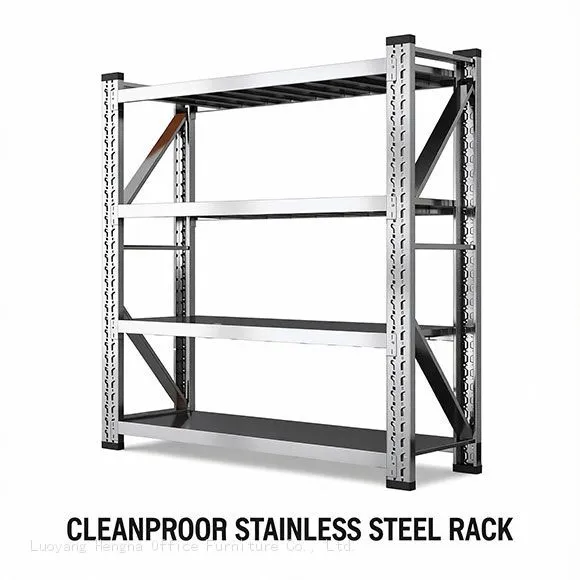 Read More
 -
0.6mm Steel Wardrobe vs 0.4mm — Why Cold-Rolled Single Door Metal Closet Lasts Longer
July 10, 2026The 0.2mm That Decides Whether You Buy One Wardrobe or ThreeTwo wardrobes look identical on a supplier's photo. Same door, sam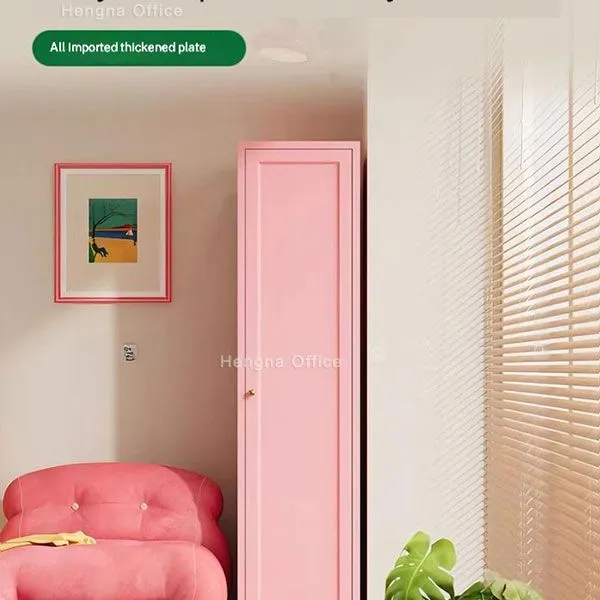 Read More
 -
Heavy Duty Tool Cabinet with Locks for School Shop: Stop Tool Theft Before It Happens
July 9, 2026A vocational school workshop isn't like a factory floor. The tools aren't being used by seasoned machinists who know where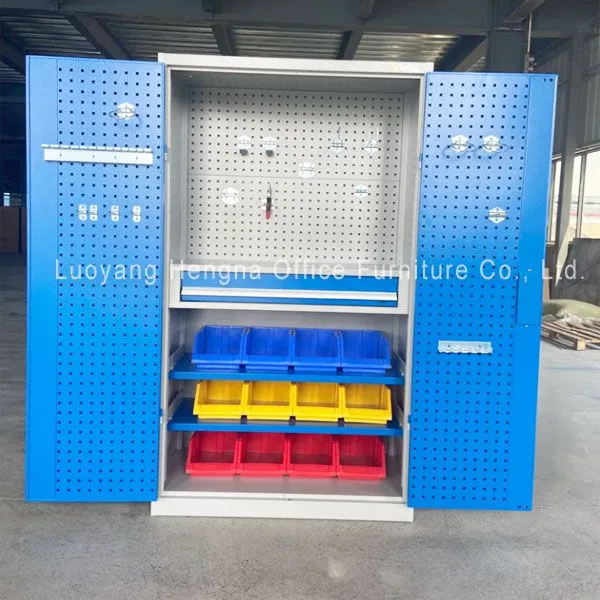 Read More

Contact Us
Recommended Products
-
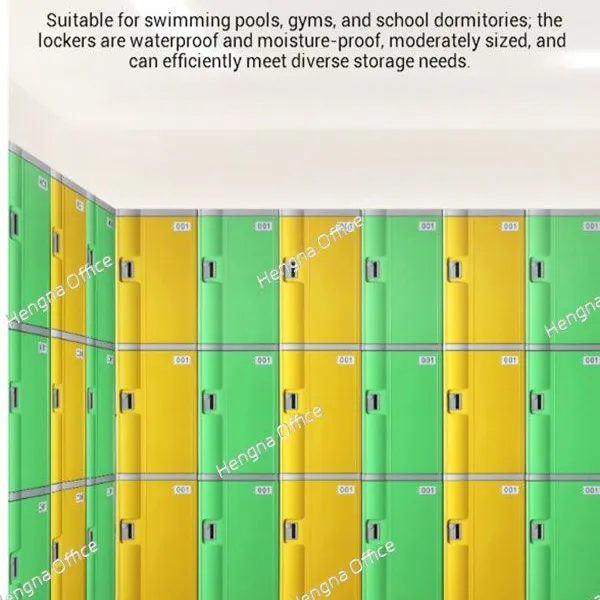
 Industrial-Grade ABS Plastic Locker for Factory Staff and Warehouse Workers|Hengna OfficeUS$ 19 - 100MOQ: 5 Sets
 -
Outdoor ABS Locker Cabinet – UV-Resistant Plastic Storage for Poolside or Beach Resorts-Hengna OfficeUS$ 19 - 100MOQ: 5 Sets
-
45 Gallon Explosion-Proof Flammable Liquid Storage Cabinet – Fire-Resistant Steel Safety Cabinet for FactoriesUS$ 68 - 400MOQ: 2 Combos
-
Flammable Storage Cabinet for Flammable Liquids – OSHA Certified Safety Cabinet With Fireproof Double WallsUS$ 68 - 400MOQ: 2 Combos
-
Large Capacity Flammable Liquid Storage Cabinet – Explosion-Proof Safety Cabinet for Laboratory & Workshop UseUS$ 68 - 400MOQ: 2 Combos
-
Heavy Duty Steel Tool Cart With Drawers for Workshops|Hengna OfficeUS$ 99 - 269MOQ: 2 Cases
-
Wholesale 3-Drawer Tool Trolley With Wheels for Factory and Garage StorageUS$ 99 - 269MOQ: 2 Cases
-
HN-wlj160 Industrial Rolling Tool Organizer With Pegboard|All-in-One Mobile Tool Storage CartUS$ 5 - 120MOQ: 2 Cases
-
White Stackable Pathology Wax Block Storage Drawers for Labs Near London-Hengna OfficeNegotiableMOQ: 10 Pieces
-
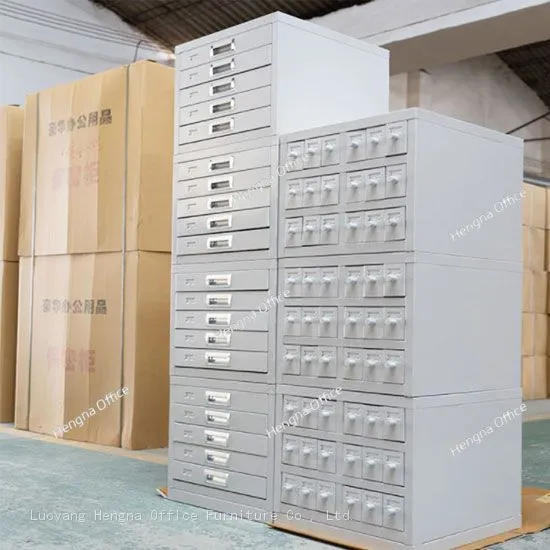
Custom Paraffin Block Storage Cabinet for Histology Laboratories – Factory Direct From Hengna FurnitureNegotiableMOQ: 10 Pieces
-
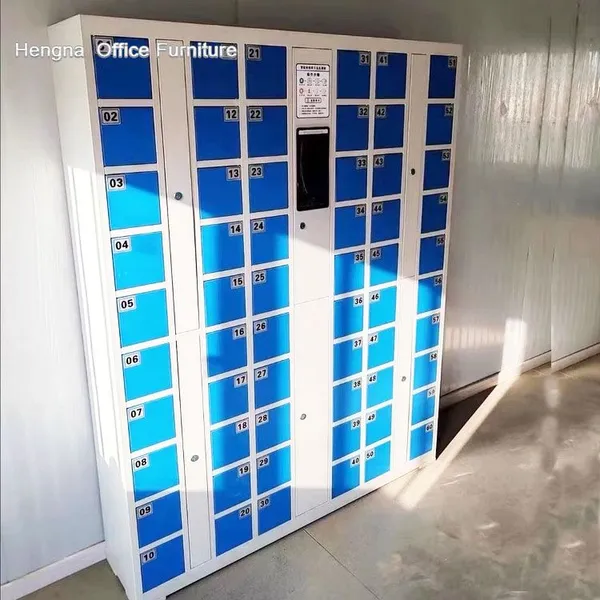
Smart Phone Charging Locker 40-door|Fingerprint Lockers Intelligent Parcel Delivery CabinetUS$ 203 - 750MOQ: 15 Pieces
-
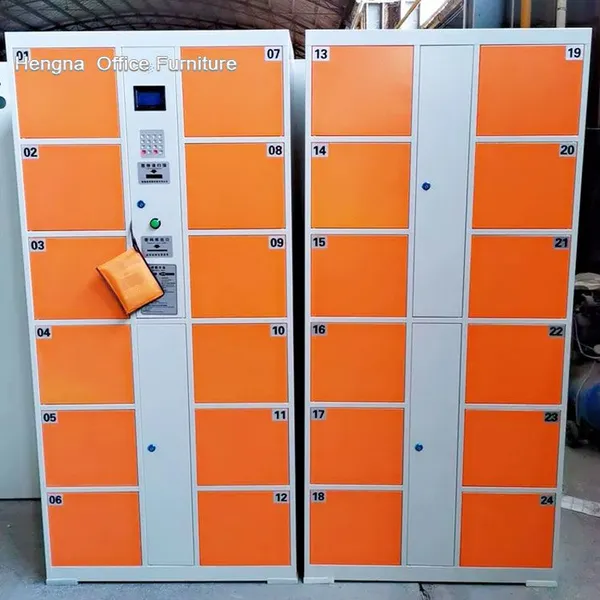
School Gym Lockers Price |Parcel Delivery Storage Locker 12-door FactoryUS$ 203 - 750MOQ: 15 Pieces
-
Multi Metal Work Benches Electrical Workshop Workbench|US$ 300 - 800MOQ: 2 Cases
-
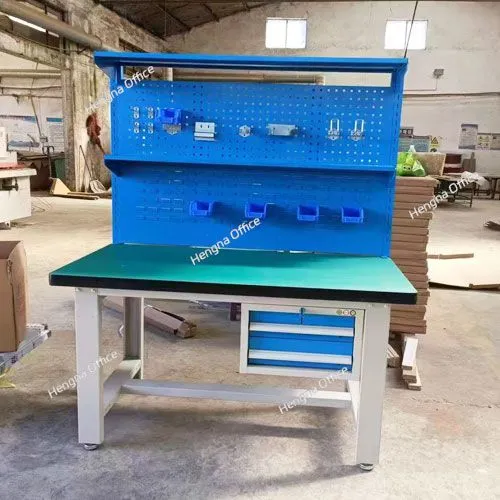
Commercial Workbench Supplier |Multi Metal Work Bench With Drawers OMDUS$ 300 - 800MOQ: 2 Cases
-
Pathological Ection Cabinet JTGZ062 Wax Block Cabinet for LaboratoryNegotiableMOQ: 10 Pieces
-
Durable Tool Storage in Factory HNGJ703 Hard Wearing Metal Industrial Tool ChestNegotiableMOQ: 18 Pieces
-
High - Quality CNC Workshop Tool Cabinet Heavyweight Workshop Tool OrganizerNegotiableMOQ: 10 Pieces
-
Laboratory Polyethylene Acid and Corrosive Chemicals Safety Storage PP CabinetUS$ 340 - 600MOQ: 5 Combos
-
22 Gallons /80 L PP Acid - Base Cabinet: Safeguard Chemical Storage Supplier OEMUS$ 500 - 600MOQ: 5 Combos
-
4 - Gallon Corrosion-resistant Safety Cabinet for Hazardous Chemicals Acid SupplierUS$ 340 - 500MOQ: 5 Combos