
 Business License

How to Choose a Stainless Steel Chinese Medicine Cabinet for TCM Clinics (Buying Guide)
In the world of Traditional Chinese Medicine (TCM), proper storage of herbs and medicinal materials is crucial for maintaining their potency and effectiveness. A stainless steel Chinese medicine cabinet serves as the backbone of any well-organized TCM clinic, providing the perfect balance of hygiene, durability, and functionality. This comprehensive buying guide will walk you through everything you need to know to select the ideal stainless steel medicine cabinet for your TCM practice.
Why Stainless Steel is the Superior Choice for TCM Storage
Before diving into selection criteria, it’s important to understand why stainless steel stands out as the premier material for Chinese medicine cabinets:
Unmatched Hygiene Benefits
Non-porous surface: Prevents absorption of moisture, odors, and contaminants
Easy to sanitize: Can be thoroughly cleaned without damaging the material
Resists bacterial growth: Creates an inhospitable environment for microorganisms
Exceptional Durability
Corrosion-resistant: Withstands exposure to humidity and various substances
Impact-resistant: Maintains structural integrity even with daily heavy use
Long-lasting: Provides decades of reliable service with minimal maintenance
Preservation of Medicinal Properties
Temperature stable: Helps maintain consistent storage conditions
Light-protective: Shield herbs from harmful UV rays when properly designed
Moisture control: Resists humidity that can degrade herbal quality
Key Features to Consider When Selecting Your Cabinet
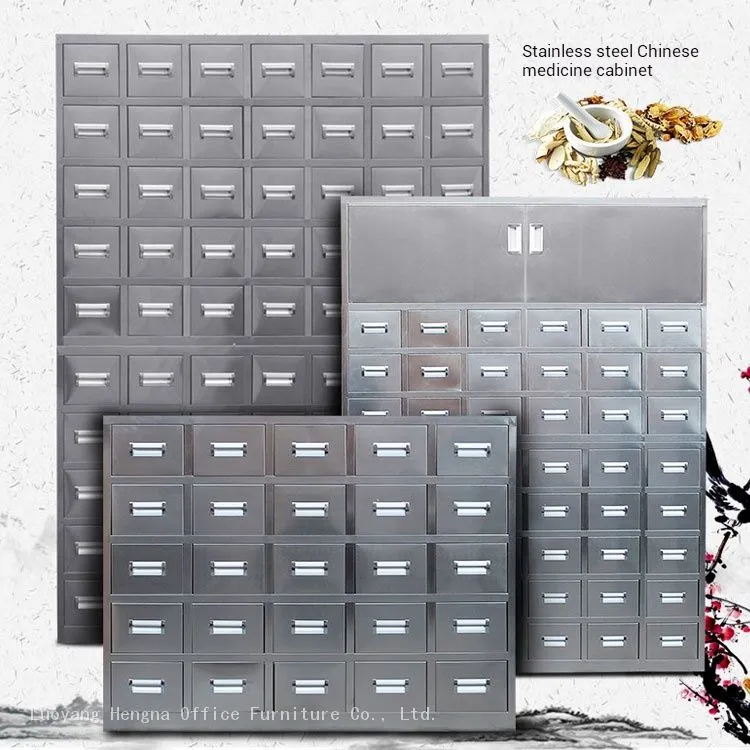
Drawer Configuration and Organization
The drawer system is the heart of any Chinese medicine cabinet. Consider these essential aspects:
Drawer Quantity and Size
Small clinics: 60-100 drawers for basic herb inventory
Medium clinics: 100-150 drawers for expanded practice needs
Large clinics: 150+ drawers for comprehensive herbal pharmacies
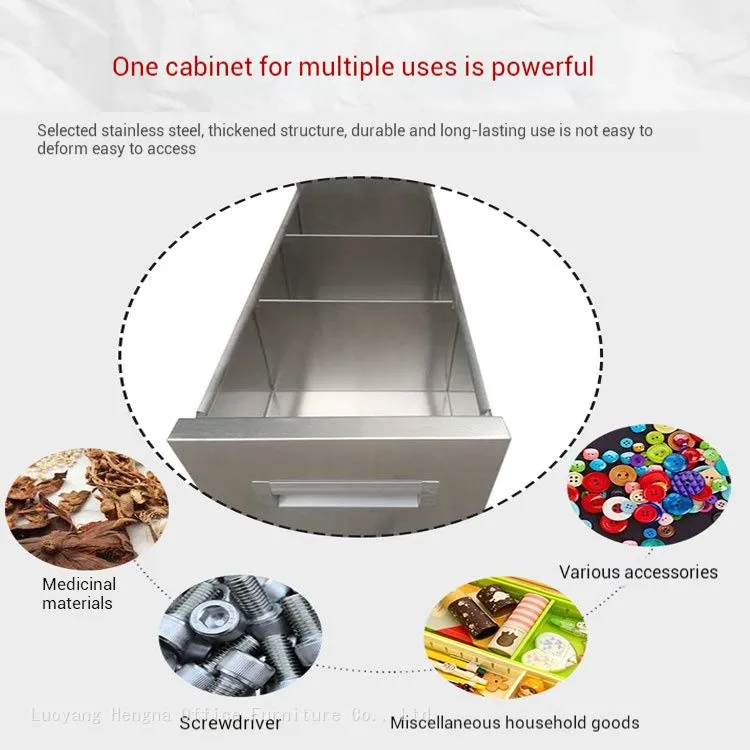
Drawer Design Features
Smooth-gliding mechanisms: Ensure easy access to all herbs
Adjustable dividers: Allow customization for different herb sizes
Label holders: Enable clear identification of contents
Removable trays: Facilitate easy cleaning and restocking
Material Quality and Construction
Not all stainless steel is created equal. Pay attention to these specifications:
Stainless Steel Grades
| Grade | Characteristics | Best For |
|---|---|---|
| 304 | Standard grade, good corrosion resistance | Most TCM clinics |
| 201 | Lower grade, less corrosion resistance | Budget options with proper climate control |
Construction Quality
Welded seams: Superior to riveted construction for durability
Reinforced corners: Prevent distortion under heavy loads
Quality hinges: Ensure smooth door operation and longevity
Security and Access Control
Protecting valuable herbal inventory requires proper security features:
Locking Mechanisms
Individual drawer locks: Maximum security for high-value herbs
Central locking system: Convenient security for entire cabinet
Keyless options: Electronic locks for advanced access control
Access Management
Visibility options: Glass doors for display while maintaining security
Access logs: Electronic systems that track cabinet access
Permission levels: Different access rights for different staff members
Size and Space Considerations
Measuring Your Space
Before purchasing, carefully evaluate your available space:
Floor space: Measure width, depth, and height of available area
Clearance requirements: Allow space for doors to open fully
Traffic flow: Ensure cabinet placement doesn’t obstruct movement
Ventilation access: Allow proper air circulation around the cabinet
Capacity Planning
Calculate your storage needs based on:
Current inventory: Count and measure all herbs in your practice
Growth projections: Plan for 20-30% expansion over 3-5 years
Herb types: Consider space needed for bulk vs. premium herbs
Storage frequency: Balance between frequently accessed and long-term storage items
Specialized Features for TCM Applications
Climate Control Options
Maintaining proper conditions is essential for herb preservation:
Ventilation systems: Built-in fans for air circulation
Hygrometers: Integrated humidity monitoring
Dehumidifiers: For clinics in humid environments
Temperature control: For temperature-sensitive herbs
Organization Systems
Efficient organization saves time and reduces errors:
Color-coded drawers: Visual system for herb categories
Digital inventory management: Integration with practice software
Modular design: Ability to reconfigure as needs change
Specialty compartments: For unique storage requirements
Return on Investment
Consider the long-term value beyond initial cost:
Durability lifespan: 20+ years vs. 5-10 years for lower-quality options
Herb preservation: Reduced waste from properly stored herbs
Efficiency gains: Time saved through better organization
Professional image: Enhanced patient perception of quality care
Installation and Maintenance Requirements
Installation Considerations
Professional installation: Recommended for large or complex systems
Floor reinforcement: May be needed for heavy cabinets
Utility connections: Required for cabinets with electrical features
Accessibility compliance: Ensure ADA compliance if applicable
Maintenance Guidelines
Regular cleaning: Weekly with appropriate stainless steel cleaners
Hardware checks: Monthly inspection of hinges, locks, and slides
Climate monitoring: Regular checks of humidity and temperature
Professional servicing: Annual maintenance for advanced systems
Making Your Final Decision
Evaluation Checklist
Use this checklist to compare options:
[ ] Appropriate size for available space
[ ] Sufficient drawer capacity for current and future needs
[ ] Quality stainless steel construction (304 or 316 grade)
[ ] Adequate security features for your inventory
[ ] Proper ventilation and climate control
[ ] Organization system matching your workflow
[ ] Within budget with good ROI potential
[ ] From reputable manufacturer with good warranty
Recommended Next Steps
Assess your specific needs: Inventory, space, and budget
Research reputable manufacturers: Specializing in medical storage
Request quotes and specifications: From multiple suppliers
Visit showrooms when possible: Examine construction quality firsthand
Check references: Talk to other TCM practitioners about their experiences
Selecting the right stainless steel Chinese medicine cabinet is a critical decision that impacts your clinic’s efficiency, hygiene standards, and professional image. By carefully considering the factors outlined in this guide—from material quality and drawer configuration to security features and climate control—you can make an informed investment that will serve your practice for decades to come.
Remember that the cheapest option is rarely the most economical in the long run. A quality stainless steel cabinet protects your valuable herbal inventory, enhances your operational efficiency, and projects professionalism to your patients. Take the time to evaluate your needs thoroughly and choose a cabinet that will grow with your practice and support the high standards of care that define Traditional Chinese Medicine.
With the right stainless steel Chinese medicine cabinet, you’re not just buying storage—you’re investing in the foundation of your TCM practice’s success.
Recently Posted
-
Stainless Steel Shelving for Breweries and Wineries — What Survives Humidity, Alcohol Spills
July 24, 2026Stainless Steel Shelving for Breweries and Wineries — What Survives Humidity, Alcohol Spills, and Sanitizer Washdowns Three t Read More
 -
Stainless Steel Shelving for Meat Processing Plants — What Holds Up Against Blood, Fat, and Daily Wa
July 24, 2026Meat plants are brutal on shelvingIf you work in a meat processing plant, you already know this. The rack that looked fine s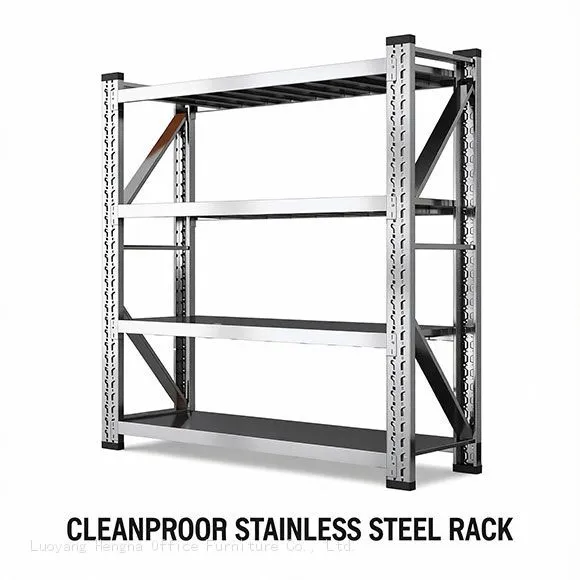 Read More
 -
0.6mm Steel Wardrobe vs 0.4mm — Why Cold-Rolled Single Door Metal Closet Lasts Longer
July 10, 2026The 0.2mm That Decides Whether You Buy One Wardrobe or ThreeTwo wardrobes look identical on a supplier's photo. Same door, sam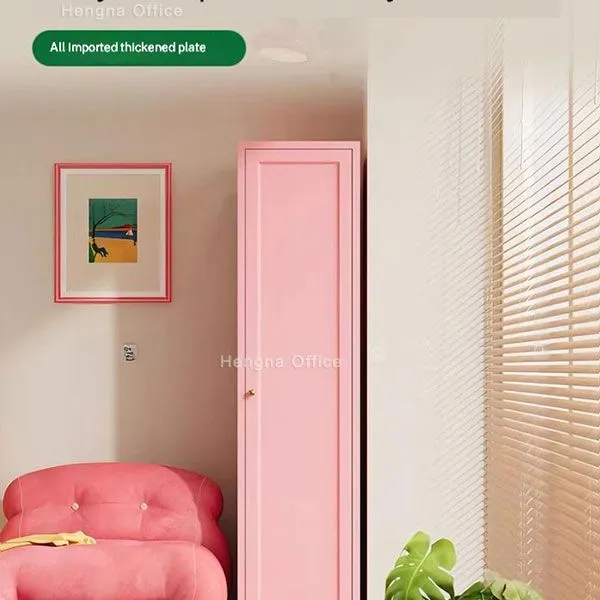 Read More
 -
Heavy Duty Tool Cabinet with Locks for School Shop: Stop Tool Theft Before It Happens
July 9, 2026A vocational school workshop isn't like a factory floor. The tools aren't being used by seasoned machinists who know where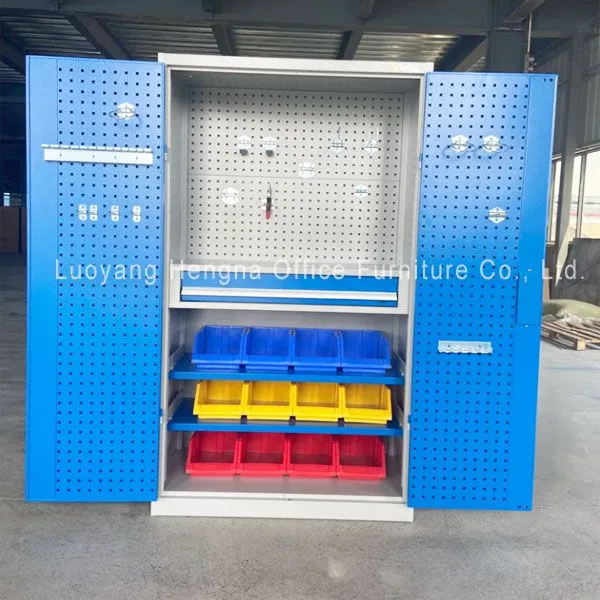 Read More

Contact Us
Recommended Products
-
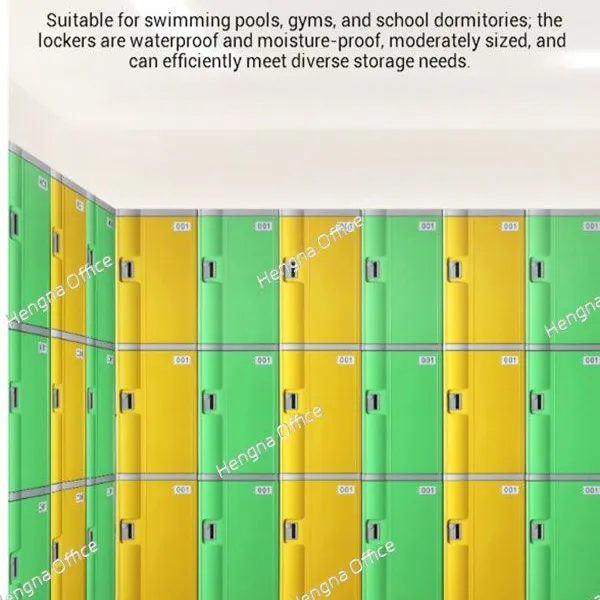
 Industrial-Grade ABS Plastic Locker for Factory Staff and Warehouse Workers|Hengna OfficeUS$ 19 - 100MOQ: 5 Sets
 -
Outdoor ABS Locker Cabinet – UV-Resistant Plastic Storage for Poolside or Beach Resorts-Hengna OfficeUS$ 19 - 100MOQ: 5 Sets
-
45 Gallon Explosion-Proof Flammable Liquid Storage Cabinet – Fire-Resistant Steel Safety Cabinet for FactoriesUS$ 68 - 400MOQ: 2 Combos
-
Flammable Storage Cabinet for Flammable Liquids – OSHA Certified Safety Cabinet With Fireproof Double WallsUS$ 68 - 400MOQ: 2 Combos
-
Large Capacity Flammable Liquid Storage Cabinet – Explosion-Proof Safety Cabinet for Laboratory & Workshop UseUS$ 68 - 400MOQ: 2 Combos
-
Heavy Duty Steel Tool Cart With Drawers for Workshops|Hengna OfficeUS$ 99 - 269MOQ: 2 Cases
-
Wholesale 3-Drawer Tool Trolley With Wheels for Factory and Garage StorageUS$ 99 - 269MOQ: 2 Cases
-
HN-wlj160 Industrial Rolling Tool Organizer With Pegboard|All-in-One Mobile Tool Storage CartUS$ 5 - 120MOQ: 2 Cases
-
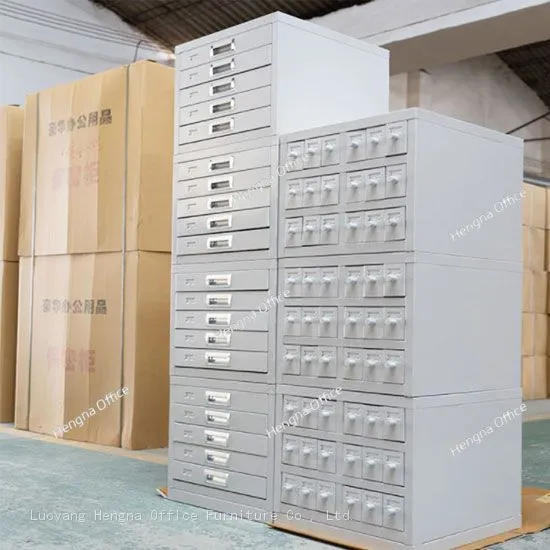
White Stackable Pathology Wax Block Storage Drawers for Labs Near London-Hengna OfficeNegotiableMOQ: 10 Pieces
-
Custom Paraffin Block Storage Cabinet for Histology Laboratories – Factory Direct From Hengna FurnitureNegotiableMOQ: 10 Pieces
-
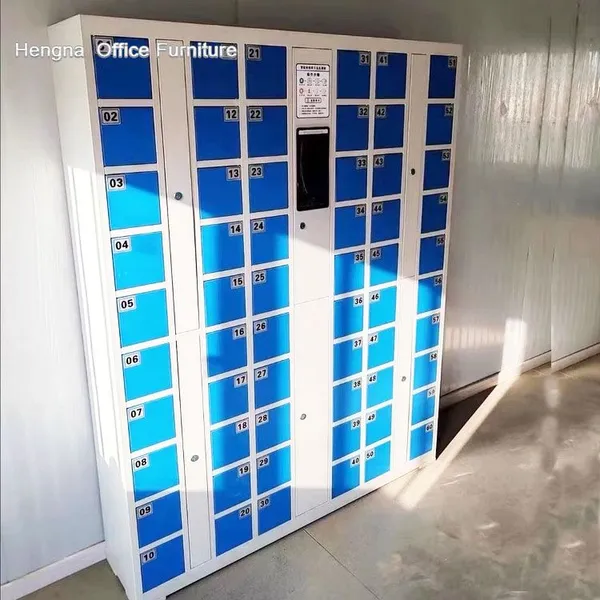
Smart Phone Charging Locker 40-door|Fingerprint Lockers Intelligent Parcel Delivery CabinetUS$ 203 - 750MOQ: 15 Pieces
-
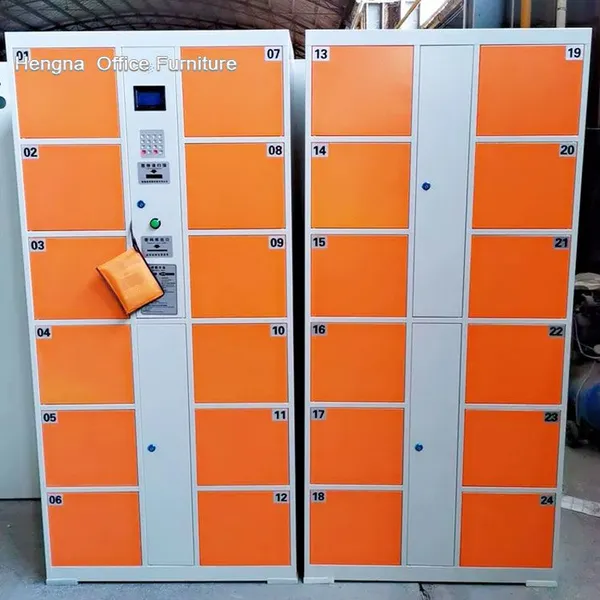
School Gym Lockers Price |Parcel Delivery Storage Locker 12-door FactoryUS$ 203 - 750MOQ: 15 Pieces
-
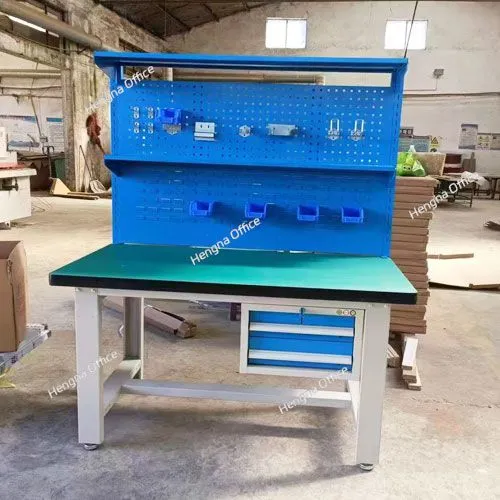
Multi Metal Work Benches Electrical Workshop Workbench|US$ 300 - 800MOQ: 2 Cases
-
Commercial Workbench Supplier |Multi Metal Work Bench With Drawers OMDUS$ 300 - 800MOQ: 2 Cases
-
Pathological Ection Cabinet JTGZ062 Wax Block Cabinet for LaboratoryNegotiableMOQ: 10 Pieces
-
Durable Tool Storage in Factory HNGJ703 Hard Wearing Metal Industrial Tool ChestNegotiableMOQ: 18 Pieces
-
High - Quality CNC Workshop Tool Cabinet Heavyweight Workshop Tool OrganizerNegotiableMOQ: 10 Pieces
-
Laboratory Polyethylene Acid and Corrosive Chemicals Safety Storage PP CabinetUS$ 340 - 600MOQ: 5 Combos
-
22 Gallons /80 L PP Acid - Base Cabinet: Safeguard Chemical Storage Supplier OEMUS$ 500 - 600MOQ: 5 Combos
-
4 - Gallon Corrosion-resistant Safety Cabinet for Hazardous Chemicals Acid SupplierUS$ 340 - 500MOQ: 5 Combos