
 Business License

Powder Coated vs Stainless Steel Lab Lockers: Which One Survives 5 Years in a Research Lab
Powder Coated vs Stainless Steel Lab Lockers: Which One Survives 5 Years in a Research Lab
If you're outfitting a lab staff room, you'll hear two recommendations more than any others:
"Get stainless steel – it's the only thing that lasts in a lab."
"Powder coated steel is fine and costs half the price."
Both statements are partially true. Neither tells the whole story.
I've seen both materials used in lab environments across pharma, biotech, and university research facilities. After five years of real use, the results are not the same across the board. The right choice depends on what kind of lab you're running, what your staff actually does, and how much budget you have to work with.
Let's break it down by what actually matters.
How They Start – The First Day Difference
Brand new, both lockers look good. The stainless steel unit has a clean, professional look – silver, reflective, unmistakably premium. The powder coated steel unit is white or light grey, smooth matte finish, looks like a solid commercial-grade locker.
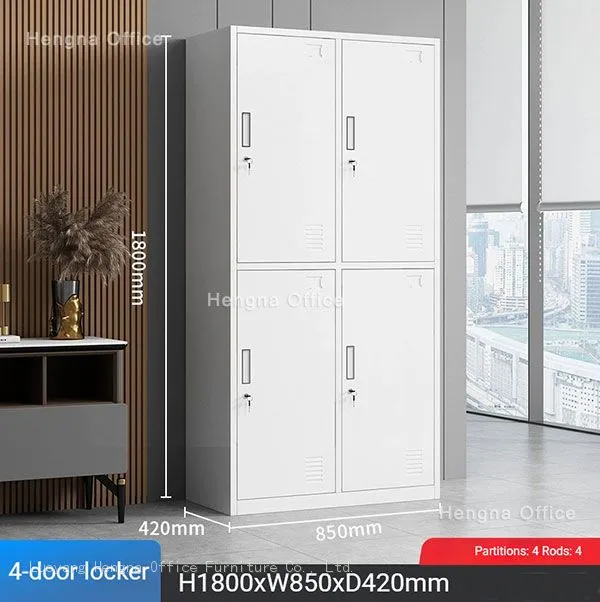
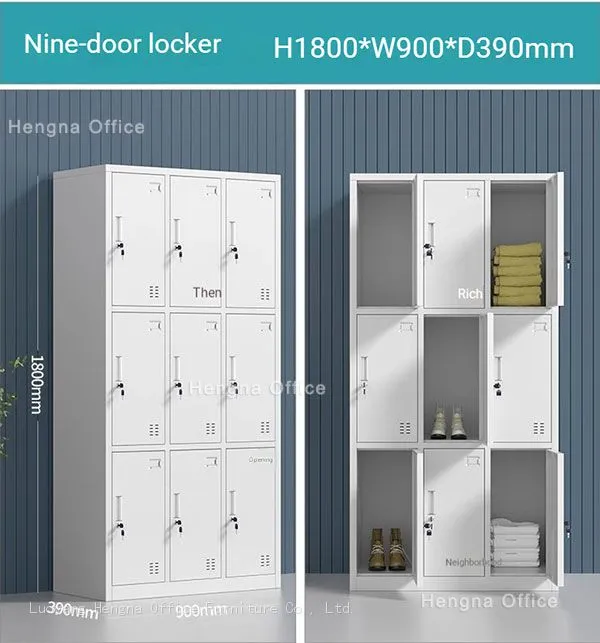
The stainless unit costs about 2-3x more. That's the headline difference from day one.
The powder coated unit is built on a cold-rolled steel frame with electrostatic powder coating bonded to the surface. The stainless unit is made from 304 grade stainless steel throughout – the metal itself is corrosion resistant, no coating needed.
Functionally, both do the same job on day one. They hold clothes, provide security, and keep the staff room organized. The difference shows over time.
Year 1-2 – Minor Wear Starts to Differ
In a research lab with reasonable chemical exposure and standard cleaning routines, both materials hold up well during the first two years.
The powder coated locker might show a slight dulling near the hand washing station if the cleaning crew uses aggressive disinfectants daily. But it's barely noticeable – you'd have to look closely.
The stainless steel locker looks essentially new. Occasional fingerprints wipe off easily, and the surface maintains its shine. No visible change.
At this stage, the powder coated locker is performing well and the cost savings are already realized. The stainless locker is performing better but you've paid significantly more. If your budget was tight, the powder coated choice is looking smart so far.
Year 3 – The Split Becomes Visible
This is where the two materials start to diverge noticeably.
In a lab with moderate chemical exposure – regular use of ethanol, bleach wipes, and standard disinfectants – the powder coated locker may show some localized changes. The coating near the handles and edges might start to look slightly different – not damaged, but not as fresh as new. The stainless steel locker still looks nearly new.
However, if your lab has minimal chemical exposure (dry lab, computational research, admin-adjacent staff), the powder coated locker still looks good. The difference is much smaller.
In a wet lab with heavy chemical traffic, the gap widens. Powder coated units near contamination sources may develop small spots or dull patches. Stainless steel units in the same spot show no change.
Year 5 – The Real Difference
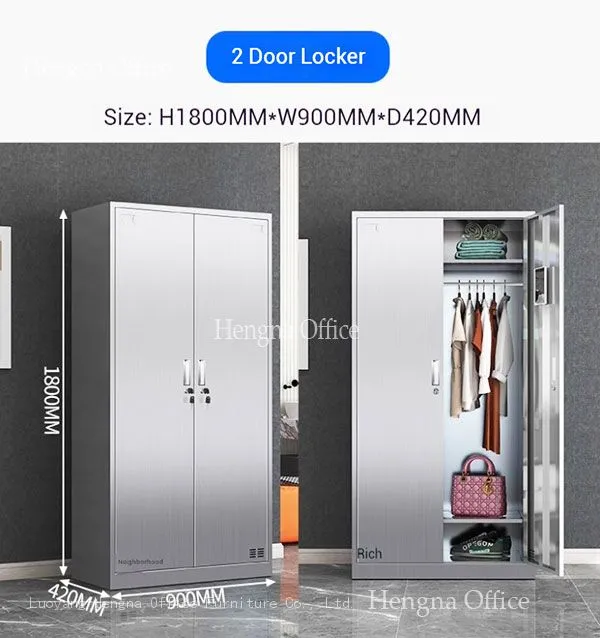
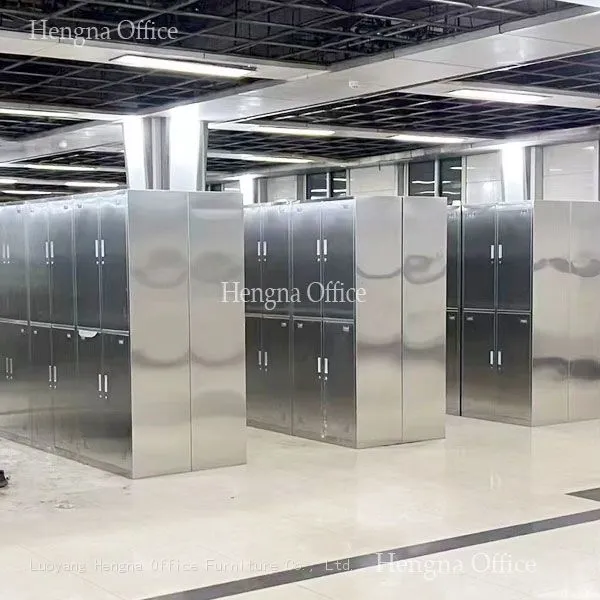
After five years, here's what I've seen in actual lab facilities:
Powder coated steel locker – low chemical exposure lab: Surface is still intact. Some minor wear on the door edges and handle areas where hands touch daily. The powder coating on the door panels is still bonded well. Maybe a few small scratches from normal use but nothing structural. A solid performer if the coating grade was matched to the environment.
Powder coated steel locker – moderate chemical exposure lab: Visible wear. The coating near the base of the doors (closest to floor cleaning chemicals) and around the handles shows dulling or slight color change. A few units may have small spots where the coating has thinned. Not falling apart, but not as presentable as the stainless units in the same room.
Powder coated steel locker – high chemical exposure lab: This is where you'll see problems. Bubbling or peeling coating on the lower door panels. Rust spots where the coating has failed. The unit near the sink may have significant damage. These lockers need replacement or at least cosmetic repair at the 5-year mark.
Stainless steel locker – any lab environment: Still looks good. Some surface scratches from daily use. No rust, no peeling, no chemical damage. The stainless surface may have lost some of its original mirror finish and developed a more matte appearance, but it's structurally and cosmetically sound. These lockers have another 10-15 years of life easily.
Which One Should You Choose
Here's my honest take based on what I've seen in the field.
Choose powder coated steel if:
Your lab has low to moderate chemical exposure
Your staff room is separate from the lab area
Budget is a primary concern
You plan to keep the lockers for 5-7 years, not 15
You're outfitting a large staff room (30+ units) and need to stretch the budget
Choose stainless steel if:
Your lab handles wet chemicals daily
The staff room is adjacent to the work area with direct traffic
Your facility is subject to GMP or regulatory inspection
You need the lockers to last 10+ years without appearance degradation
Appearance and "premium feel" matter for your facility's image
The cost difference is real. A stainless steel 4-door locker will cost roughly 2-3x a powder coated unit. For 40 units, that's a significant budget gap. But if you need the durability, paying once for stainless is cheaper than replacing powder coated units after 5-7 years.
The Middle Ground That Works
A hybrid approach often makes the most sense for larger lab facilities:
Install powder coated lockers in the general staff room areas that are further from lab traffic. Install stainless steel lockers near the lab entrance, decontamination area, and any high-traffic zones where chemical exposure is most likely.
Same room, different specs based on location. This gives you the durability where you need it and the cost savings where you can afford it.
We've seen this approach work well in pharma QC labs where budget was constrained but certain areas needed the premium spec.
What to Check Before Deciding
Before you make the call, look at your facility and ask:
How close are the lockers to the actual lab workspace?
What chemicals do your staff handle, and do they exit the lab in their work clothes?
How often is the staff room cleaned, and with what chemicals?
How long do you expect these lockers to last before your next facility refresh?
What's your per-unit budget?
These five questions will tell you which material makes sense – or whether a hybrid approach is the smartest move.
FAQ
Can I get a powder coated locker with extra chemical resistance? Yes. Upgraded powder coating formulations are available that offer better chemical resistance than standard coating. These bridge the gap between standard powder coated and stainless steel, at a cost between the two.
Does stainless steel scratch easily? It scratches, but the scratches don't lead to corrosion like they do on coated steel. A scratched stainless surface still performs well. A scratched powder coated surface is a potential rust starting point.
Is stainless steel heavier? Yes. Stainless steel is denser and heavier than cold-rolled steel. This affects shipping costs – stainless lockers cost more to transport, especially for international orders.
Will stainless steel magnetic? 304 grade stainless is generally non-magnetic in its annealed state. Some cold working during manufacturing can create slight magnetism. This is normal and doesn't affect performance.
Do stainless steel lockers need special cleaning? No. Standard cleaning with mild soap and water works fine. Avoid chlorine-based cleaners on stainless as they can cause pitting over extended contact.
Which option is better for KD flat pack shipping? Both work well in KD format. The weight difference affects shipping cost, not assembly. Both assemble in about 15 minutes per unit.
Not sure which spec fits your lab? We supply both powder coated and stainless steel lab lockers in KD flat pack format. Tell us about your facility and we'll recommend the right option – no upselling.
Recently Posted
-
5 Common Mistakes When Buying Outdoor Electronic Lockers for Water Parks and Swimming Pools
June 3, 2026Buying electronic lockers for a water park or swimming pool is different from buying them for a gym or office. The environment is Read More
 -
How to Choose Electronic Lockers for School Gym Locker Rooms – A Guide for PE Teachers and Facility
June 3, 2026If you're a PE teacher or a school facility manager looking to replace the old lockers in your gym changing room, you've p Read More
 -
Barcode vs RFID vs Password Electronic Locker – Which Self-Service Storage System Is Right for Your
June 3, 2026If you're buying electronic lockers for your facility, you've probably noticed three main types: barcode, RFID, and passwo Read More
 -
How Many Lockers Does a 50-Person Lab Staff Room Need – A Space Planning Guide for New Facilities
June 2, 2026How Many Lockers Does a 50-Person Lab Staff Room Need – A Space Planning Guide for New FacilitiesYou're designing a lab staff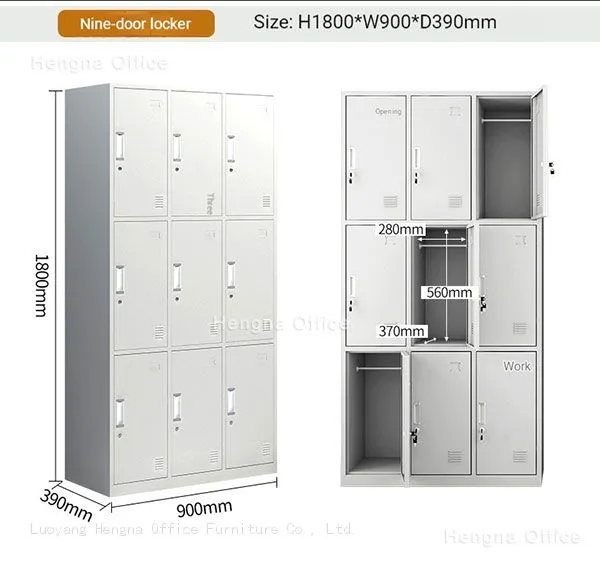 Read More

Contact Us
Recommended Products
-
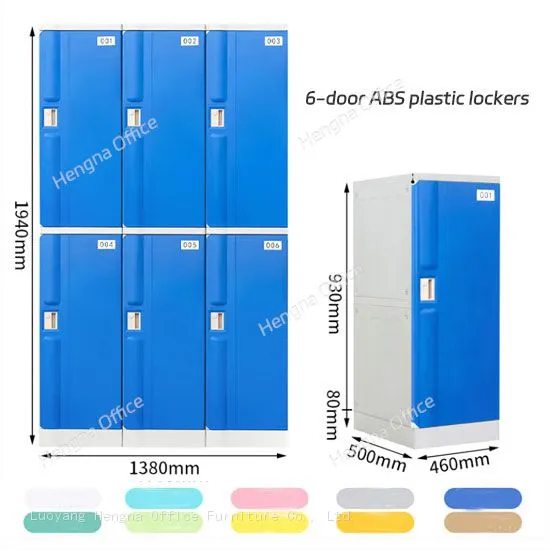
 Industrial-Grade ABS Plastic Locker for Factory Staff and Warehouse Workers|Hengna OfficeUS$ 19 - 100MOQ: 5 Sets
 -
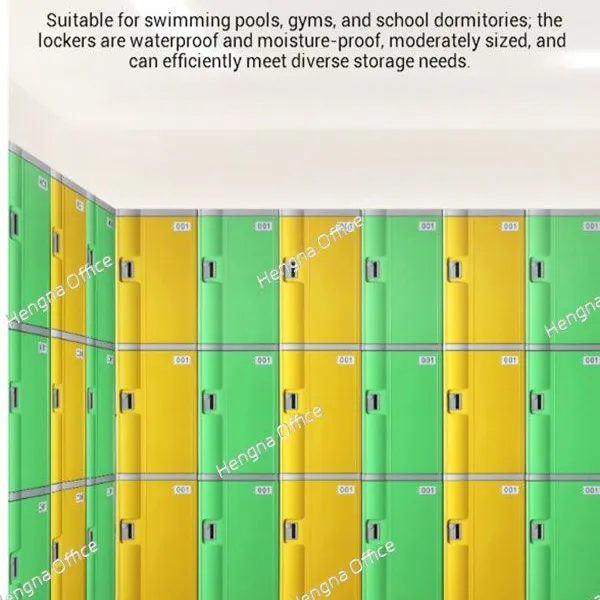
Outdoor ABS Locker Cabinet – UV-Resistant Plastic Storage for Poolside or Beach Resorts-Hengna OfficeUS$ 19 - 100MOQ: 5 Sets
-
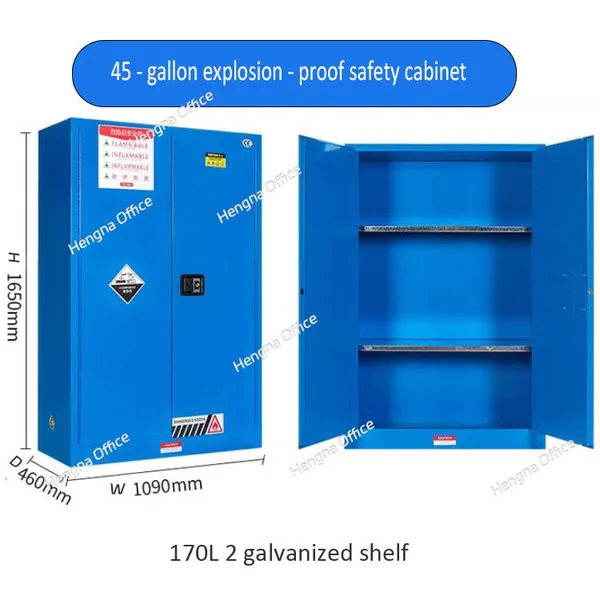
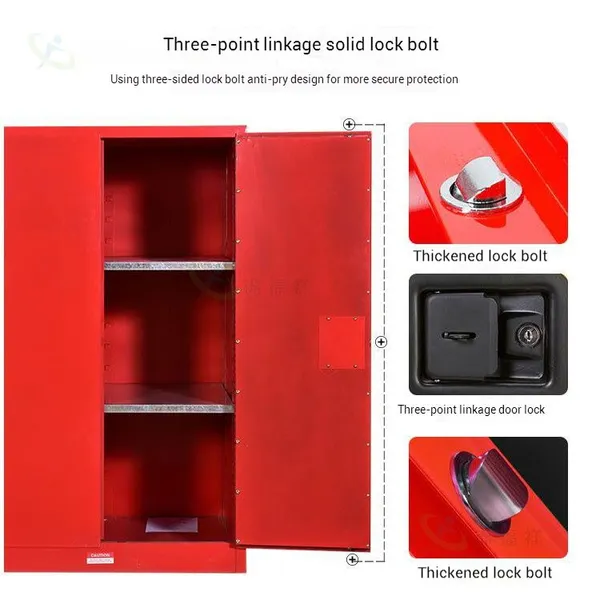
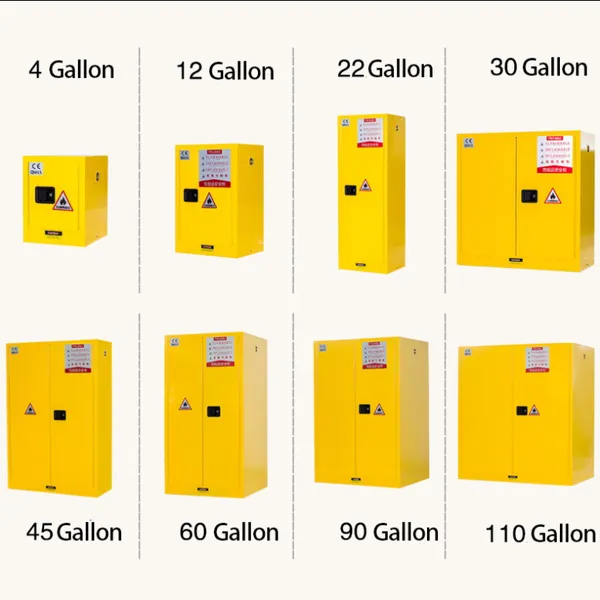
45 Gallon Explosion-Proof Flammable Liquid Storage Cabinet – Fire-Resistant Steel Safety Cabinet for FactoriesUS$ 68 - 400MOQ: 2 Combos
-
Flammable Storage Cabinet for Flammable Liquids – OSHA Certified Safety Cabinet With Fireproof Double WallsUS$ 68 - 400MOQ: 2 Combos
-
Large Capacity Flammable Liquid Storage Cabinet – Explosion-Proof Safety Cabinet for Laboratory & Workshop UseUS$ 68 - 400MOQ: 2 Combos
-
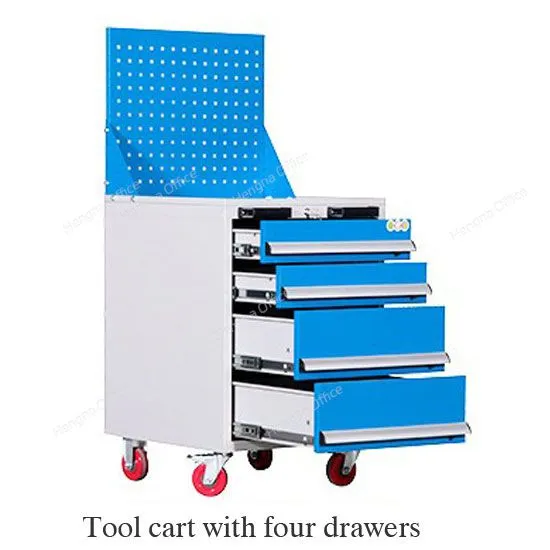
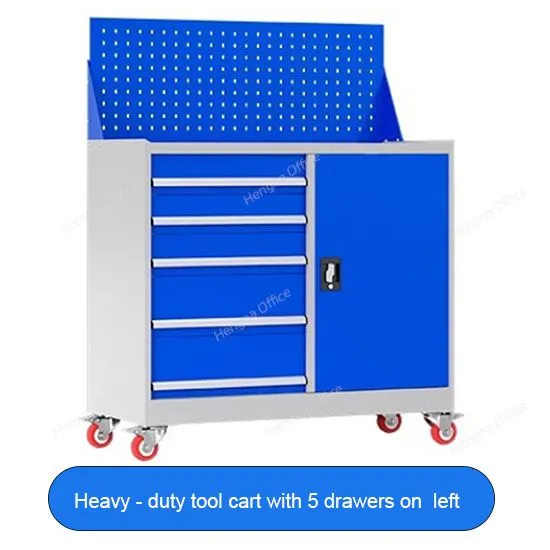
Heavy Duty Steel Tool Cart With Drawers for Workshops|Hengna OfficeUS$ 99 - 269MOQ: 2 Cases
-
Wholesale 3-Drawer Tool Trolley With Wheels for Factory and Garage StorageUS$ 99 - 269MOQ: 2 Cases
-
HN-wlj160 Industrial Rolling Tool Organizer With Pegboard|All-in-One Mobile Tool Storage CartUS$ 5 - 120MOQ: 2 Cases
-
White Stackable Pathology Wax Block Storage Drawers for Labs Near London-Hengna OfficeNegotiableMOQ: 10 Pieces
-
Custom Paraffin Block Storage Cabinet for Histology Laboratories – Factory Direct From Hengna FurnitureNegotiableMOQ: 10 Pieces
-
Smart Phone Charging Locker 40-door|Fingerprint Lockers Intelligent Parcel Delivery CabinetUS$ 203 - 750MOQ: 15 Pieces
-
School Gym Lockers Price |Parcel Delivery Storage Locker 12-door FactoryUS$ 203 - 750MOQ: 15 Pieces
-
Multi Metal Work Benches Electrical Workshop Workbench|US$ 300 - 800MOQ: 2 Cases
-
Commercial Workbench Supplier |Multi Metal Work Bench With Drawers OMDUS$ 300 - 800MOQ: 2 Cases
-
Pathological Ection Cabinet JTGZ062 Wax Block Cabinet for LaboratoryNegotiableMOQ: 10 Pieces
-
Durable Tool Storage in Factory HNGJ703 Hard Wearing Metal Industrial Tool ChestNegotiableMOQ: 18 Pieces
-
High - Quality CNC Workshop Tool Cabinet Heavyweight Workshop Tool OrganizerNegotiableMOQ: 10 Pieces
-
Laboratory Polyethylene Acid and Corrosive Chemicals Safety Storage PP CabinetUS$ 340 - 600MOQ: 5 Combos
-
22 Gallons /80 L PP Acid - Base Cabinet: Safeguard Chemical Storage Supplier OEMUS$ 500 - 600MOQ: 5 Combos
-
4 - Gallon Corrosion-resistant Safety Cabinet for Hazardous Chemicals Acid SupplierUS$ 340 - 500MOQ: 5 Combos