
 Business License

Pallet Racking vs Drive In Racking for Cold Storage — Which One Costs You Less Over 5 Years
— A Dubai Client Had This Exact Question
Last year, a client in Dubai was planning a -18°C cold storage warehouse, targeting 2000 pallet positions.
He asked me: "Should I go with Selective or Drive In? I know Drive In stores 40% more, but the racking costs more and installation is trickier. Over 5 years, which one actually costs me less?"
This isn't a simple question. Cold storage is different from ambient warehouses:
Construction cost is high — 500to500to1,200 per m², including insulation panels, refrigeration equipment, and floor insulation
Operating cost adds up — electricity at 0.10–0.10–0.20/kWh, and a -18°C cold room costs roughly 50–50–100 per m² per year just in power
Expanding a cold room later costs about 3x more than an ambient warehouse
So choosing racking for cold storage isn't really about the racking. It's about how much cold room you need to build.
This article uses real project data to show you the 5-year picture.
The Two Options — What's the Difference
| Factor | Selective Pallet Racking | Drive In Pallet Racking |
|---|---|---|
| Space utilization | 35–40% | 70–80% |
| Access method | FIFO & LIFO both work | LIFO only |
| Pick efficiency | High (direct access to each pallet) | Low (need to shift pallets) |
| Racking cost per pallet | $40–60 | $60–90 |
| Installation complexity | Simple | Complex |
| Suitable SKU count | Unlimited | ≤15 types |
| Suitable turnover rate | Unlimited | ≤5 in/out per lane per day |
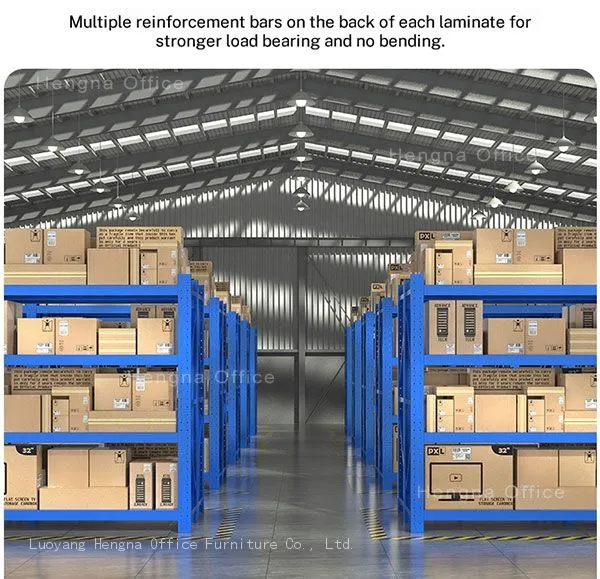
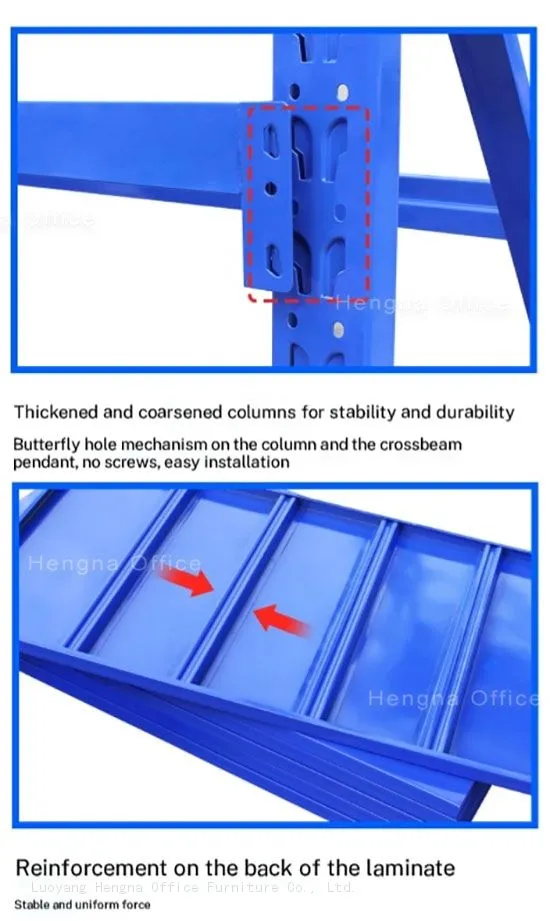
The key difference in cold storage: Selective takes more floor space. Drive In takes less. And in a cold room, floor space = construction cost + electricity bill.
The 5-Year Cost Comparison — Using Real Dubai Numbers
Assumptions (based on that Dubai client's actual project):
Target: 2,000 pallet positions
Cold room temperature: -18°C
Electricity rate: $0.12/kWh (Dubai industrial rate)
Cold room construction: $800/m² (insulation panels + refrigeration)
Cold room operating cost: $70/m²/year (power + maintenance)
Racking lifespan: 10+ years (we depreciate over 5 years to be conservative)
Floor space needed (this is where the real difference shows):
| Selective | Drive In | |
|---|---|---|
| Area per pallet position | ~3.0 m² (includes aisles, turning space) | ~1.8 m² (narrower aisles, less turning space) |
| Total floor area for 2000 pallets | ~600 m²* | ~360 m²* |
*These are rough figures. Actual layout depends on building shape, door positions, and forklift type. But the ratio is consistent across real projects.
The 5-Year Cost Table
| Cost Item | Selective | Drive In |
|---|---|---|
| Cold room construction (@ $800/m²) | $640,000 (800m²) | $360,000 (450m²)** |
| Racking supply + installation (@ per pallet) | 80,000(80,000(40/pallet) | 150,000(150,000(75/pallet) |
| Operating cost — 5 years (@ $70/m²/yr) | $280,000 | $157,500 |
| Total — 5 years | $1,000,000 | $667,500 |
** Drive In requires slightly more floor area than raw storage ratio suggests because you need more lane depth. We use 450m² which is still significantly less than Selective.
The bottom line: Drive In saves roughly $332,500 over 5 years — that's a 33% cost reduction versus Selective in this cold storage scenario.
Why the Numbers Work This Way
**Drive In racking costs 70,000more∗∗thanSelective(70,000more∗∗thanSelective(150k vs $80k). But:
**You save 280,000∗∗oncoldroomconstructionalone(350m2lessfloorarea×280,000∗∗oncoldroomconstructionalone(350m2lessfloorarea×800/m²)
You save $122,500 on 5 years of operating costs (less space to cool)
The savings from the smaller cold room more than cover the extra racking cost. And then some.
But — Drive In Is Not Always the Right Answer
The calculation above assumes an ideal scenario. Here are 3 situations where Drive In actually costs you more:
Situation 1: Your Cold Room Has >15 SKUs
If you store different products in your cold room (chicken, fish, vegetables, prepared meals), each SKU needs its own lane. At >15 SKUs, the number of lanes approaches Selective racking's layout, and the space advantage disappears.
Our advice: >15 SKUs → use Selective with double-deep design (50–55% space utilization, better than pure Selective).
Situation 2: High-Frequency In/Out Operations
Cold rooms typically have tighter inventory control. But if you're doing >10 in/out operations per lane per day, Drive In's LIFO system becomes a bottleneck.
Real case: A Vietnamese client used Drive In for frozen seafood — 20 in/out per day. To reach a pallet at the back of the lane, they had to shift 5–6 pallets each time. Efficiency was less than 30% of Selective.
Our advice: High-frequency operations → use Selective + cold-storage forklift (low-temp battery version).
Situation 3: You're Renting the Cold Room, Not Building It
When you rent cold storage, the space cost is already built into the rental rate (typically charged per pallet position per month). You're not paying for construction. In this case, Drive In's space advantage doesn't save you much.
Our advice: Renting cold storage → use Selective. More flexible, easier to reconfigure when your product mix changes.
FAQ — 5 Questions Cold Storage Buyers Actually Ask
Q1: Will Drive In bolts break in a freezer (-18°C)?
A: Standard bolts can become brittle below -18°C (it's called the ductile-to-brittle transition temperature).
Our standard: cold storage projects use hot-dip galvanized bolts with low-temperature toughness treatment. Tightening torque is reduced from 80N·m to 60N·m. We've supplied 50+ cold storage projects since 2018 — zero bolt failures.
Q2: Does ice on the floor affect Drive In racking?
A: Yes. If the floor freezes, the rails become uneven. The forklift bounces, and over time it wears down the uprights.
What we do: Cold room floors must have frost heave protection (insulation layer + floor heating). Before installation, we measure floor flatness. Any uneven spots get stainless steel shims (not regular steel — it rusts in cold, humid conditions).
Q3: Is a cold storage forklift different from a regular one?
A: Completely different. A cold storage forklift needs:
Low-temperature hydraulic fluid (regular fluid thickens at -18°C)
Freeze-resistant tires (regular tires harden and crack)
Heated cabin (if the operator stays inside)
Cold-rated battery (lithium batteries lose 30–40% capacity at -20°C)
Our advice: Before buying a cold storage forklift, ask the supplier: "Can this run 8 continuous hours at -18°C?"
Q4: What about Drive Through racking — isn't that better than Drive In for cold storage?
A: They serve different needs.
| Need | System | Best For |
|---|---|---|
| FIFO required | Drive Through | Food with expiry dates, batch-managed inventory |
| LIFO acceptable | Drive In | Bulk frozen meat, commodity ingredients |
| High SKU + FIFO | Selective | Mixed cold storage, multi-product freezers |
Drive Through gives you 60–65% space utilization with FIFO access. Drive In gives you 70–80% but LIFO only. If FIFO is mandatory (food safety, batch tracking), Drive Through is your pick.
Q5: How do you prevent cold storage racking from rusting?
A: Cold rooms are humid (freeze-thaw cycles create condensation). Corrosion protection matters.
Our standard by temperature:
| Temperature Range | Surface Treatment | Why |
|---|---|---|
| 0°C to -5°C | Powder coating ≥80μm | Lower humidity, coating holds |
| -18°C and below | Hot-dip galvanized | Powder coating peels at extreme low temp |
| All cold storage | Hot-dip galvanized bolts | Bolts are the weakest point — don't skimp |
| Food-grade cold rooms | Galvanized or 304 SS rails | Sanitation requirements |
Our Recommendation — Which One Should You Pick?
Going back to that Dubai client's question:
If you're building your own cold room:
Budget-conscious → Drive In (save ~33% over 5 years, about $332,500), provided your SKU count ≤15 and turnover is slow
Flexibility matters more → Selective (easier to reconfigure, higher picking speed), but your cold room will need more floor area — which costs more to build and cool
If you're renting cold storage:
Selective (space cost is already in the rental rate — Drive In's space advantage doesn't save you money here)
If FIFO is mandatory (food products, pharma, expiry-controlled stock):
Drive Through racking (not Drive In)
Inquiry Guide
If you're building or expanding a cold storage warehouse and aren't sure which racking system fits, send us these 3 things:
Cold room layout (length × width × height, including insulation thickness)
Storage requirements (SKU count, weight per pallet, temperature range)
In/out frequency (how many pallets move in and out per day or week)
We have 8 years and 50+ cold storage projects behind us. Within 24 hours we'll deliver a free comparison proposal including:
Racking layout drawing (3D)
5-year cost comparison for both options
Cold-specific specs (bolts, rails, surface treatment)
Recently Posted
-
5 Common Mistakes When Buying Outdoor Electronic Lockers for Water Parks and Swimming Pools
June 3, 2026Buying electronic lockers for a water park or swimming pool is different from buying them for a gym or office. The environment is Read More
 -
How to Choose Electronic Lockers for School Gym Locker Rooms – A Guide for PE Teachers and Facility
June 3, 2026If you're a PE teacher or a school facility manager looking to replace the old lockers in your gym changing room, you've p Read More
 -
Barcode vs RFID vs Password Electronic Locker – Which Self-Service Storage System Is Right for Your
June 3, 2026If you're buying electronic lockers for your facility, you've probably noticed three main types: barcode, RFID, and passwo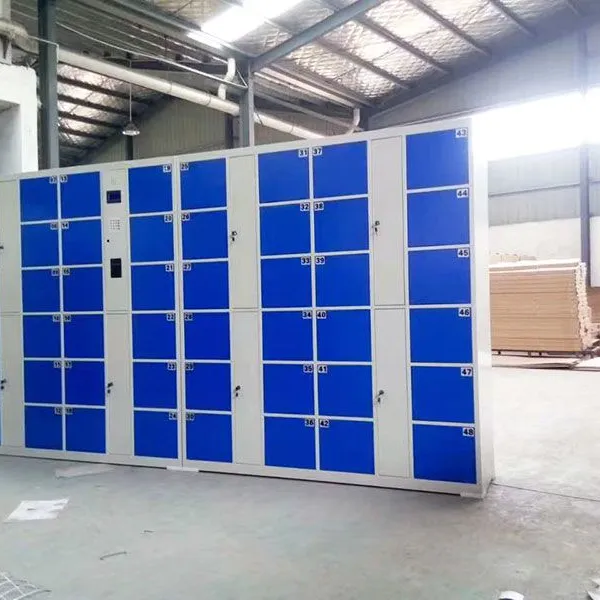 Read More
 -
How Many Lockers Does a 50-Person Lab Staff Room Need – A Space Planning Guide for New Facilities
June 2, 2026How Many Lockers Does a 50-Person Lab Staff Room Need – A Space Planning Guide for New FacilitiesYou're designing a lab staff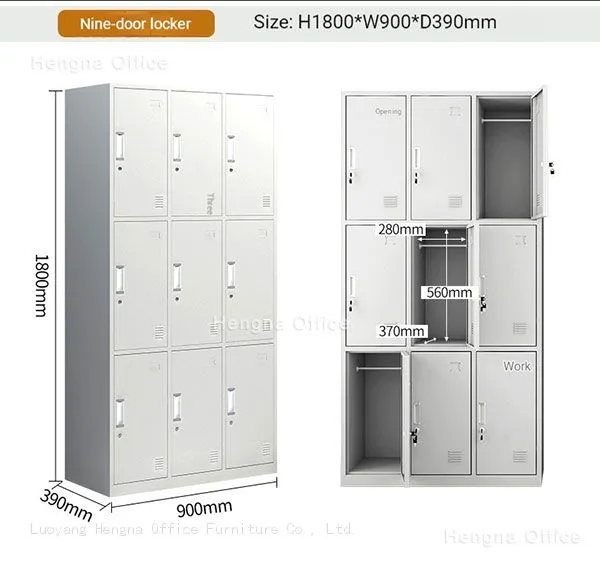 Read More

Contact Us
Recommended Products
-
 Industrial-Grade ABS Plastic Locker for Factory Staff and Warehouse Workers|Hengna OfficeUS$ 19 - 100MOQ: 5 Sets
 -
Outdoor ABS Locker Cabinet – UV-Resistant Plastic Storage for Poolside or Beach Resorts-Hengna OfficeUS$ 19 - 100MOQ: 5 Sets
-
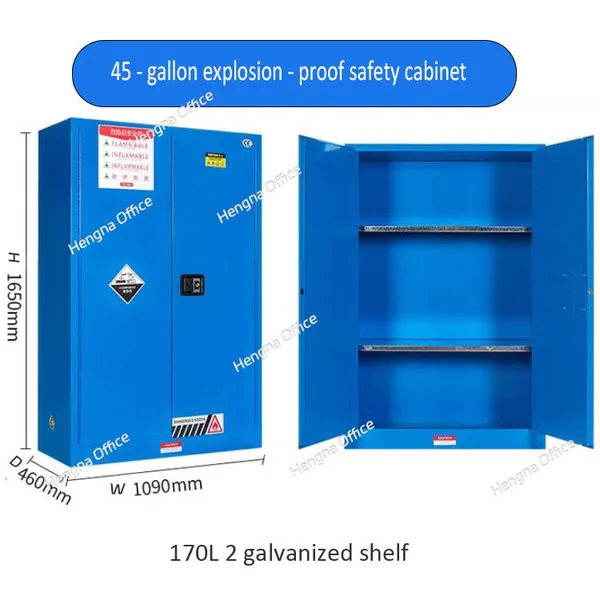
45 Gallon Explosion-Proof Flammable Liquid Storage Cabinet – Fire-Resistant Steel Safety Cabinet for FactoriesUS$ 68 - 400MOQ: 2 Combos
-
Flammable Storage Cabinet for Flammable Liquids – OSHA Certified Safety Cabinet With Fireproof Double WallsUS$ 68 - 400MOQ: 2 Combos
-
Large Capacity Flammable Liquid Storage Cabinet – Explosion-Proof Safety Cabinet for Laboratory & Workshop UseUS$ 68 - 400MOQ: 2 Combos
-
Heavy Duty Steel Tool Cart With Drawers for Workshops|Hengna OfficeUS$ 99 - 269MOQ: 2 Cases
-
Wholesale 3-Drawer Tool Trolley With Wheels for Factory and Garage StorageUS$ 99 - 269MOQ: 2 Cases
-
HN-wlj160 Industrial Rolling Tool Organizer With Pegboard|All-in-One Mobile Tool Storage CartUS$ 5 - 120MOQ: 2 Cases
-
White Stackable Pathology Wax Block Storage Drawers for Labs Near London-Hengna OfficeNegotiableMOQ: 10 Pieces
-
Custom Paraffin Block Storage Cabinet for Histology Laboratories – Factory Direct From Hengna FurnitureNegotiableMOQ: 10 Pieces
-
Smart Phone Charging Locker 40-door|Fingerprint Lockers Intelligent Parcel Delivery CabinetUS$ 203 - 750MOQ: 15 Pieces
-
School Gym Lockers Price |Parcel Delivery Storage Locker 12-door FactoryUS$ 203 - 750MOQ: 15 Pieces
-
Multi Metal Work Benches Electrical Workshop Workbench|US$ 300 - 800MOQ: 2 Cases
-
Commercial Workbench Supplier |Multi Metal Work Bench With Drawers OMDUS$ 300 - 800MOQ: 2 Cases
-
Pathological Ection Cabinet JTGZ062 Wax Block Cabinet for LaboratoryNegotiableMOQ: 10 Pieces
-
Durable Tool Storage in Factory HNGJ703 Hard Wearing Metal Industrial Tool ChestNegotiableMOQ: 18 Pieces
-
High - Quality CNC Workshop Tool Cabinet Heavyweight Workshop Tool OrganizerNegotiableMOQ: 10 Pieces
-
Laboratory Polyethylene Acid and Corrosive Chemicals Safety Storage PP CabinetUS$ 340 - 600MOQ: 5 Combos
-
22 Gallons /80 L PP Acid - Base Cabinet: Safeguard Chemical Storage Supplier OEMUS$ 500 - 600MOQ: 5 Combos
-
4 - Gallon Corrosion-resistant Safety Cabinet for Hazardous Chemicals Acid SupplierUS$ 340 - 500MOQ: 5 Combos