
 Business License

Comparing RFID vs. Biometric Access: Which Smart Locker System is Best for Your Business?
In the modern workplace, the method employees use to access storage—whether it’s for personal belongings or high-value IT assets—defines the balance between security and convenience. As businesses move away from traditional keys, the debate usually settles on two primary technologies: Radio Frequency Identification (RFID) and Biometrics (Fingerprint or Face Recognition).
For a procurement manager, choosing the right one is not just about the "cool factor"; it’s about operational efficiency, long-term costs, and data compliance.
1. RFID Access: The Speed of Familiarity
RFID remains the most common choice for corporate offices and logistics hubs. It works by using a small chip embedded in a card or a key fob that communicates with the locker's reader via radio waves.
The Advantages:
System Integration: Most UK offices already use RFID cards for building entry. A smart locker system that utilizes these existing badges reduces training time and hardware costs.
Speed: A simple tap takes less than a second. In a warehouse during a shift change, this speed is vital to prevent bottlenecks.
Cost-Effective: RFID readers are generally more affordable than high-end biometric scanners, making them ideal for large-scale deployments.
The Trade-offs:
Lost Cards: Employees lose badges. This requires an administrative process to deactivate old cards and issue new ones.
Security Risks: Cards can be shared or stolen. If a card is lost, anyone holding it has access to the locker until the card is revoked in the system.
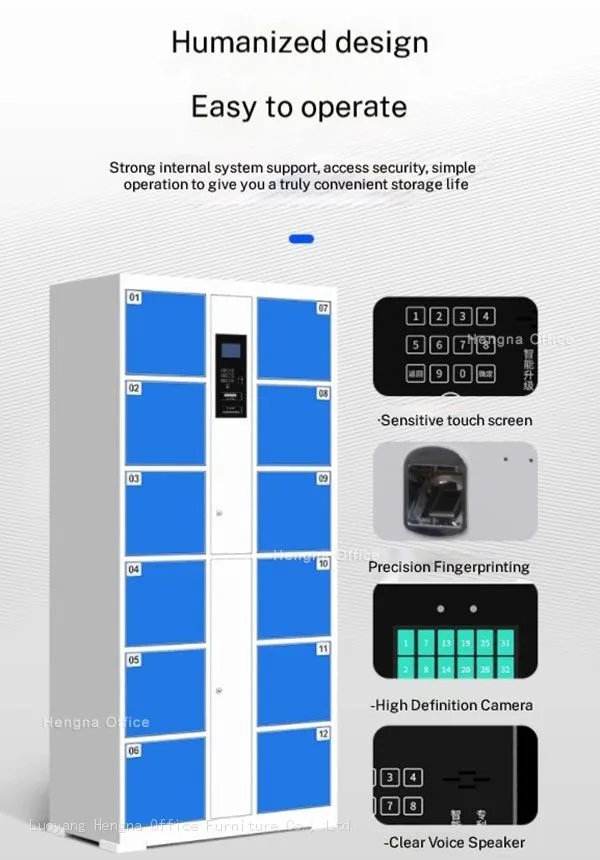
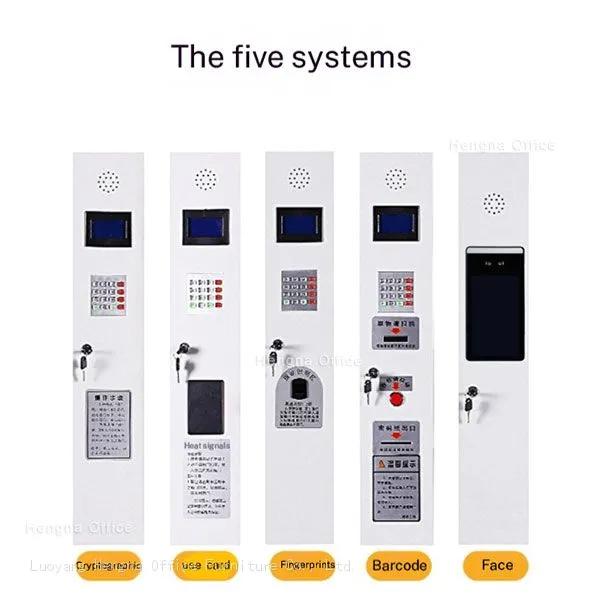
2. Biometric Access: The Security of Identity
Biometric systems identify users through unique physical traits, most commonly fingerprints or facial geometry. This is often seen as the "gold standard" for high-security environments.
The Advantages:
Elimination of "Proxy" Usage: You cannot lend your fingerprint to a colleague. This creates a 100% accurate Audit Trail, knowing exactly who accessed a device.
Ultimate Convenience: You can’t lose your finger. Employees never have to worry about forgetting their badge or being locked out.
High-Tech Image: For premium coworking spaces or client-facing tech firms, biometrics reinforce a brand image of innovation and security.
The Trade-offs:
Privacy and GDPR: In the UK and EU, collecting biometric data requires strict compliance with GDPR. Businesses must ensure the data is encrypted (ideally stored as a mathematical hash rather than an actual image).
Environment Sensitivity: In industrial settings, dirty or wet hands can sometimes cause fingerprint scanners to fail.
3. Comparative Summary: At a Glance
| Feature | RFID / Smart Card | Biometric (Fingerprint/Face) |
| Setup Cost | Lower | Higher |
| User Convenience | High (if they have their card) | Highest (nothing to carry) |
| Security Level | Medium (cards can be shared) | Very High (individual linked) |
| Admin Effort | Ongoing (managing lost cards) | Low (one-time enrollment) |
| Hygiene | Contactless (Tap) | Contact (Fingerprint) or Contactless (Face) |
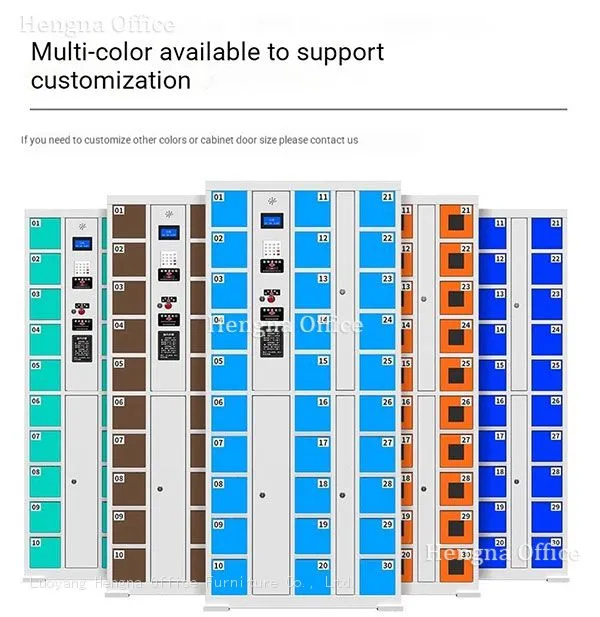
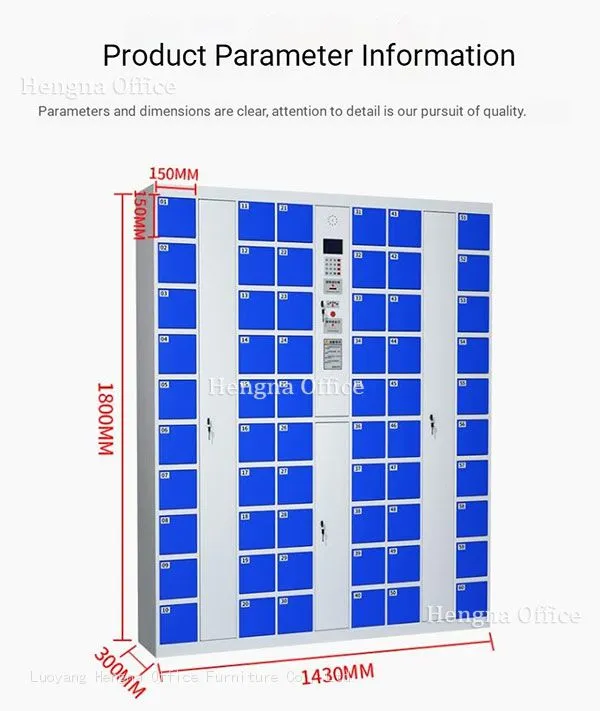
4. Which One Should Your Business Choose?
The decision typically depends on your specific industry and the "value" of what is being stored.
Choose RFID if: You are a large warehouse or school with an existing badge system and need to manage hundreds of users as cheaply and quickly as possible.
Choose Biometrics if: You are managing high-value assets (like $2,000 laptops or specialized medical tools) where knowing the exact user identity is more important than the initial hardware cost.
5. The Hybrid Solution: Why Not Both?
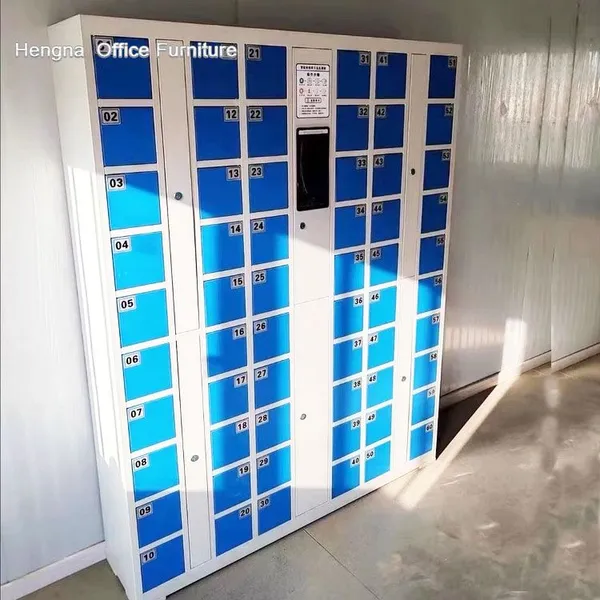
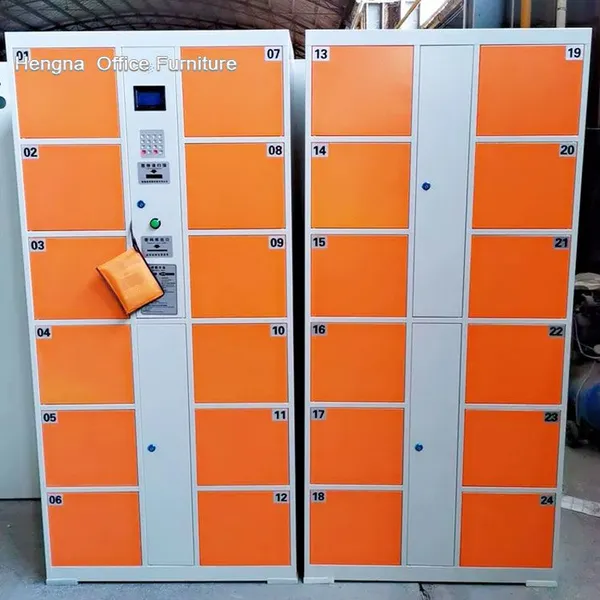
Many modern intelligent lockers, such as those built on 32-bit ARM architectures, now offer "Multi-modal" access. This means the hardware is equipped with both an RFID reader and a biometric scanner.
A hybrid approach allows businesses to use RFID for daily convenience but require a fingerprint for "High-Value Asset" compartments. This flexibility future-proofs your investment, allowing you to upgrade your security protocols without replacing the entire locker fleet.
Conclusion
Whether you prioritize the seamless integration of RFID or the ironclad security of biometrics, the goal is the same: removing the friction of physical keys. For UK businesses in 2026, the best choice is a system that offers flexibility. Before purchasing, always ask your manufacturer if their software can support both methods, ensuring your infrastructure grows alongside your security needs.
Recently Posted
-
Stainless Steel Shelving for Breweries and Wineries — What Survives Humidity, Alcohol Spills
July 24, 2026Stainless Steel Shelving for Breweries and Wineries — What Survives Humidity, Alcohol Spills, and Sanitizer Washdowns Three t Read More
 -
Stainless Steel Shelving for Meat Processing Plants — What Holds Up Against Blood, Fat, and Daily Wa
July 24, 2026Meat plants are brutal on shelvingIf you work in a meat processing plant, you already know this. The rack that looked fine s Read More
 -
0.6mm Steel Wardrobe vs 0.4mm — Why Cold-Rolled Single Door Metal Closet Lasts Longer
July 10, 2026The 0.2mm That Decides Whether You Buy One Wardrobe or ThreeTwo wardrobes look identical on a supplier's photo. Same door, sam Read More
 -
Heavy Duty Tool Cabinet with Locks for School Shop: Stop Tool Theft Before It Happens
July 9, 2026A vocational school workshop isn't like a factory floor. The tools aren't being used by seasoned machinists who know where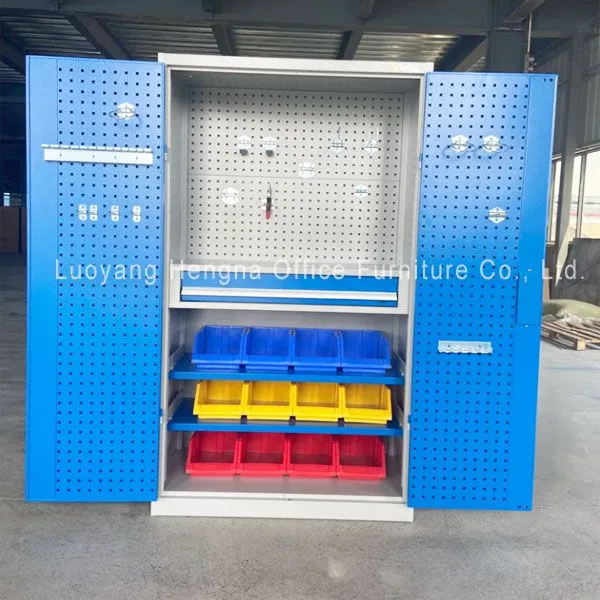 Read More

Contact Us
Recommended Products
-
 Industrial-Grade ABS Plastic Locker for Factory Staff and Warehouse Workers|Hengna OfficeUS$ 19 - 100MOQ: 5 Sets
 -
Outdoor ABS Locker Cabinet – UV-Resistant Plastic Storage for Poolside or Beach Resorts-Hengna OfficeUS$ 19 - 100MOQ: 5 Sets
-
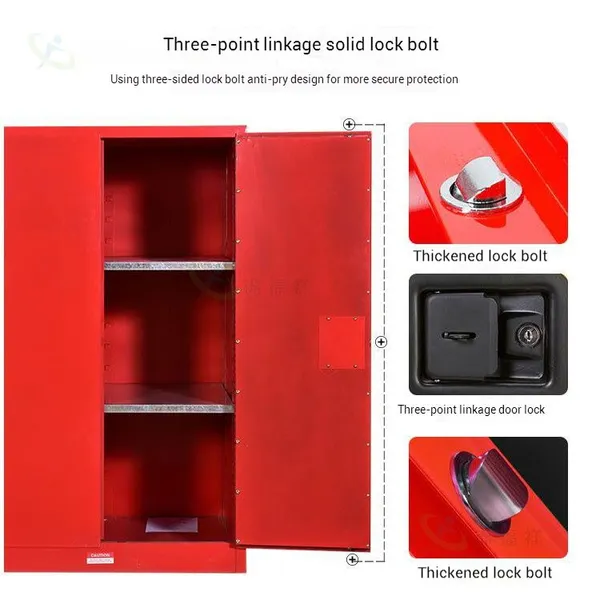
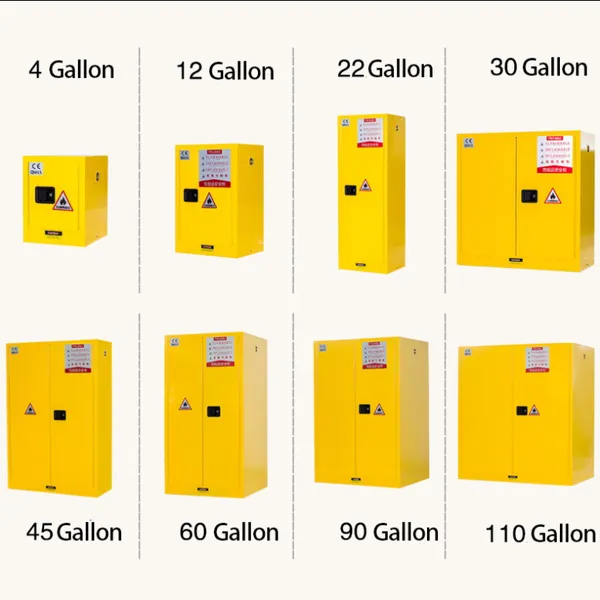
45 Gallon Explosion-Proof Flammable Liquid Storage Cabinet – Fire-Resistant Steel Safety Cabinet for FactoriesUS$ 68 - 400MOQ: 2 Combos
-
Flammable Storage Cabinet for Flammable Liquids – OSHA Certified Safety Cabinet With Fireproof Double WallsUS$ 68 - 400MOQ: 2 Combos
-
Large Capacity Flammable Liquid Storage Cabinet – Explosion-Proof Safety Cabinet for Laboratory & Workshop UseUS$ 68 - 400MOQ: 2 Combos
-
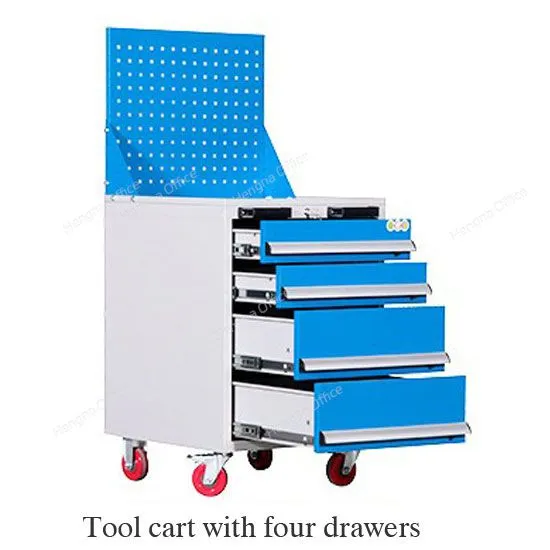
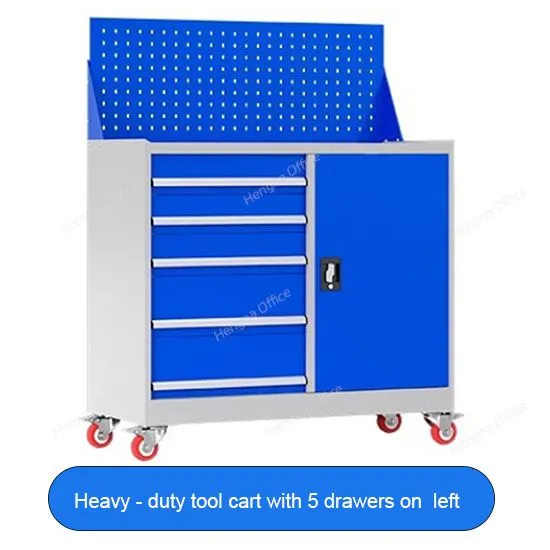
Heavy Duty Steel Tool Cart With Drawers for Workshops|Hengna OfficeUS$ 99 - 269MOQ: 2 Cases
-
Wholesale 3-Drawer Tool Trolley With Wheels for Factory and Garage StorageUS$ 99 - 269MOQ: 2 Cases
-
HN-wlj160 Industrial Rolling Tool Organizer With Pegboard|All-in-One Mobile Tool Storage CartUS$ 5 - 120MOQ: 2 Cases
-
White Stackable Pathology Wax Block Storage Drawers for Labs Near London-Hengna OfficeNegotiableMOQ: 10 Pieces
-
Custom Paraffin Block Storage Cabinet for Histology Laboratories – Factory Direct From Hengna FurnitureNegotiableMOQ: 10 Pieces
-
Smart Phone Charging Locker 40-door|Fingerprint Lockers Intelligent Parcel Delivery CabinetUS$ 203 - 750MOQ: 15 Pieces
-
School Gym Lockers Price |Parcel Delivery Storage Locker 12-door FactoryUS$ 203 - 750MOQ: 15 Pieces
-
Multi Metal Work Benches Electrical Workshop Workbench|US$ 300 - 800MOQ: 2 Cases
-
Commercial Workbench Supplier |Multi Metal Work Bench With Drawers OMDUS$ 300 - 800MOQ: 2 Cases
-
Pathological Ection Cabinet JTGZ062 Wax Block Cabinet for LaboratoryNegotiableMOQ: 10 Pieces
-
Durable Tool Storage in Factory HNGJ703 Hard Wearing Metal Industrial Tool ChestNegotiableMOQ: 18 Pieces
-
High - Quality CNC Workshop Tool Cabinet Heavyweight Workshop Tool OrganizerNegotiableMOQ: 10 Pieces
-
Laboratory Polyethylene Acid and Corrosive Chemicals Safety Storage PP CabinetUS$ 340 - 600MOQ: 5 Combos
-
22 Gallons /80 L PP Acid - Base Cabinet: Safeguard Chemical Storage Supplier OEMUS$ 500 - 600MOQ: 5 Combos
-
4 - Gallon Corrosion-resistant Safety Cabinet for Hazardous Chemicals Acid SupplierUS$ 340 - 500MOQ: 5 Combos