
 Business License

Heavy Duty vs. Standard Tool Chests: Which One Does Your Chicago Repair Shop Actually Need?
If you run a repair shop in Chicago, you know that "business as usual" involves more than just fixing cars. It involves battling the Windy City’s humidity, fluctuating temperatures, and a non-stop stream of heavy-duty salt-corroded undercarriages. In such a demanding environment, your equipment takes a beating.
When it’s time to upgrade your workspace, the question inevitably arises: Should you invest in a heavy-duty tool chest, or will a standard model suffice? While the price tag of a standard box is tempting, the long-term ROI of a professional-grade station is often the difference between a profitable shop and a disorganized one.
The Environment: Why Chicago is Tough on Gear
Chicago’s industrial landscape isn’t like a clean-room lab in California. Between the grit of the Midwest and the high-volume turnover of urban service centers, your tool storage needs to be "Chicago-tough." A standard cabinet designed for a weekend DIYer will quickly succumb to drawer misalignment and rust.
Head-to-Head: Heavy Duty vs. Standard
To help you decide, let’s look at the core differences that impact your shop's daily performance.
| Feature | Standard Tool Chest (Consumer Grade) | Heavy Duty Tool Chest (Industrial Grade) |
| Steel Thickness | 20 – 24 Gauge (Thinner) | 16 – 18 Gauge (Thicker/Stronger) |
| Drawer Slides | Basic friction or low-rated ball bearings | Heavy-duty, full-extension ball bearings |
| Caster Type | Hard plastic or small rubber wheels | 5-inch Polyurethane (PU) heavy-duty wheels |
| Load Capacity | 300 - 500 lbs total | 1,000 - 2,000 lbs total |
| Security | Simple barrel lock | Centralized high-security locking system |
Structural Fatigue: The Gauge Factor
In a Chicago manufacturing facility or busy garage, drawers are loaded with heavy impact wrenches, pry bars, and socket sets.
Standard boxes often use 22-gauge steel. Over time, the frame "racks" or twists, causing drawers to stick.
Heavy-duty units utilize 18-gauge cold-rolled steel. This ensures the frame stays square even when you’re rolling 800 lbs of tools across an uneven shop floor.
2. The Mobility Challenge: Navigating the Shop
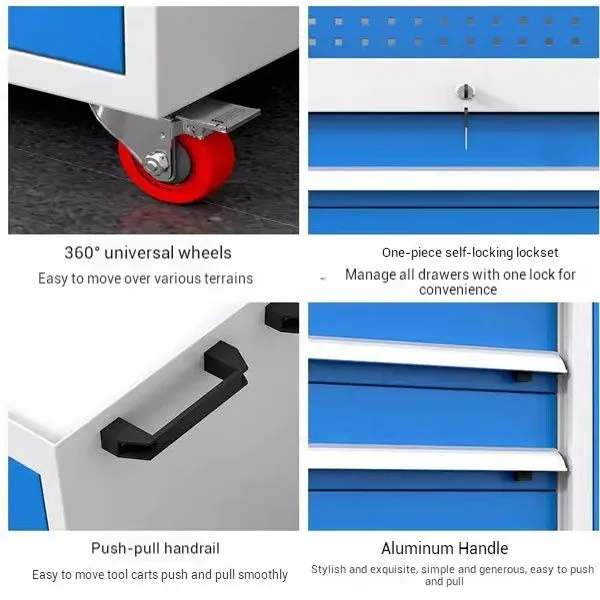
Standard cabinets usually come with 3-inch or 4-inch wheels made of hard plastic. In a real-world shop, these get stuck on zip ties, pebbles, or floor cracks.
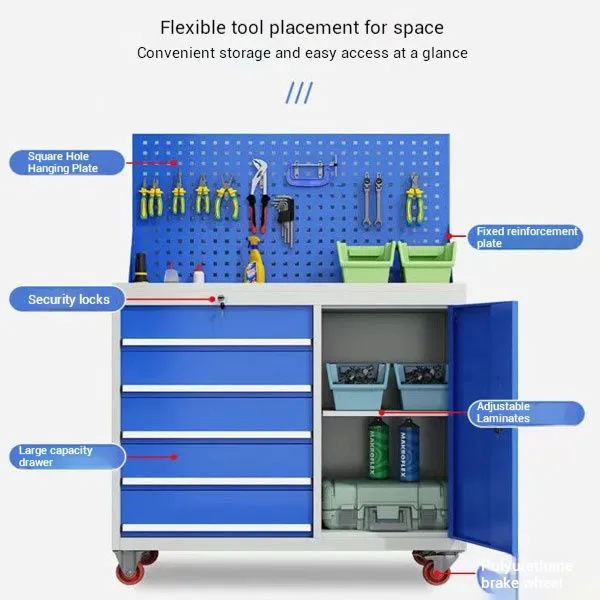
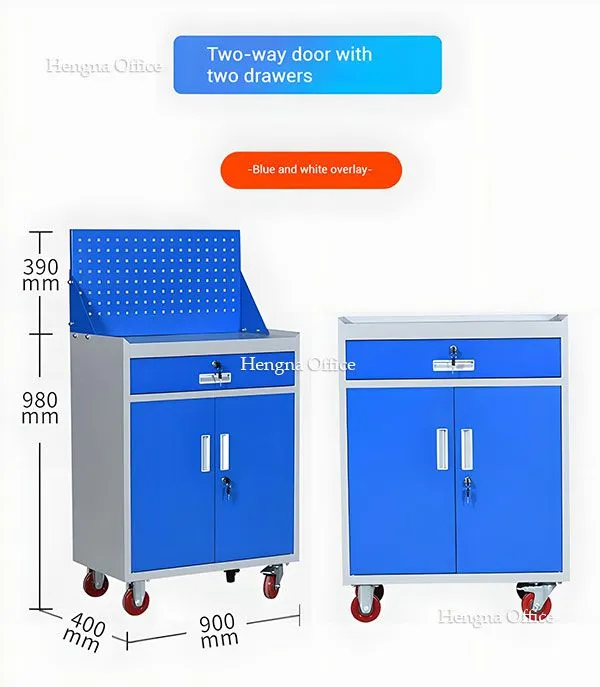
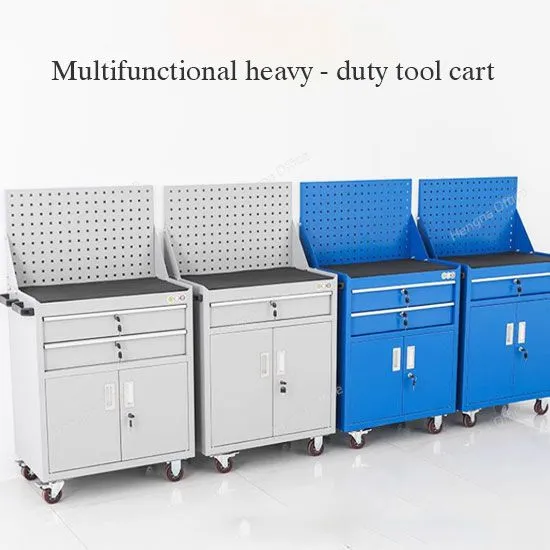
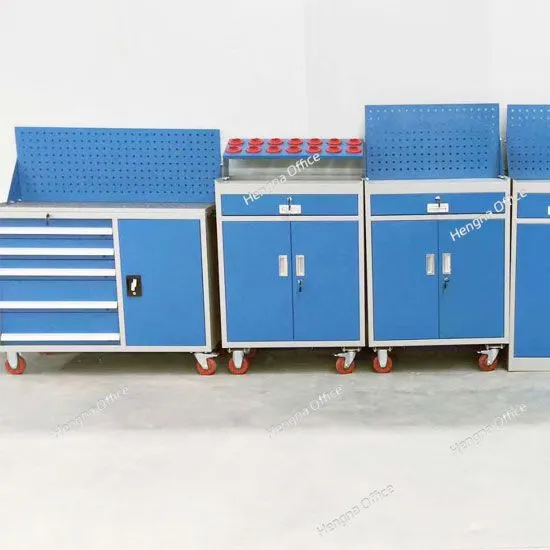
A heavy-duty rolling tool cart features 5-inch PU casters. Not only do they glide over debris, but they also feature dual-locking brakes that turn your mobile cart into a rock-solid stationary workbench in seconds.
3. Productivity and Efficiency
A technician’s time is money. Standard chests often lack the organizational depth needed for professional sets. Industrial-grade stations often include:
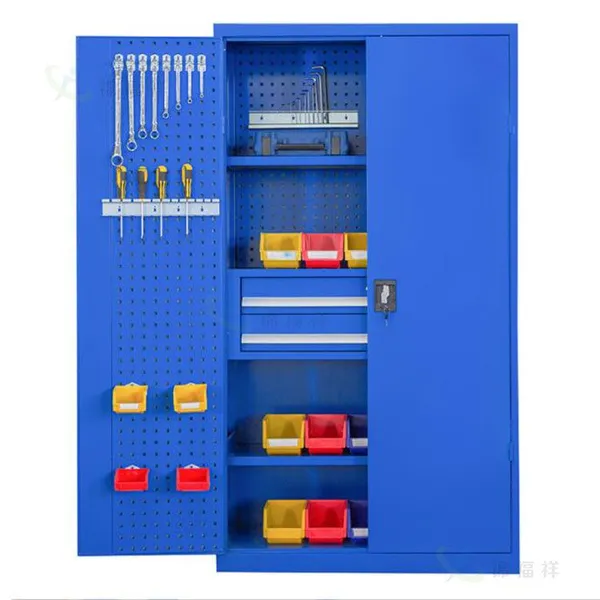
Square hole pegboards for instant access to high-use tools.
Deep bottom cabinets for bulky diagnostic equipment or power tool cases.
Full-extension drawers so you don’t have to "fish" for a wrench at the very back.
💡 People Also Ask: Chicago Shop Owner Edition
Q1: Is it worth paying double for a heavy-duty tool chest?
A: If your shop operates more than 40 hours a week, yes. A standard tool box will likely need replacement in 2–3 years under professional use, whereas a heavy-duty industrial cabinet can last 10–15 years, making the cost-per-year significantly lower.
Q2: How does Chicago's humidity affect steel tool cabinets?
A: High humidity can cause flash rust on low-quality paint. Always look for a powder-coated finish. Powder coating is a dry-finishing process that creates a thick, protective "skin" far superior to traditional spray paint in preventing corrosion.
Q3: Can I add a pegboard to a standard cabinet?
A: While possible, standard cabinets often lack the reinforced back panel needed to support the weight of tools on a square hole pegboard. Heavy-duty models come with integrated reinforced frames specifically designed for vertical tool hanging.
Q4: What is the best caster for an epoxy-coated garage floor?
A: Polyurethane (PU) wheels are the best choice. They provide the grip and floor protection of rubber but won't leave black scuff marks on your clean epoxy floors, a common issue in high-end Chicago repair shops.
Conclusion: Don't Compromise on Your Foundation
In a city that prides itself on hard work and industrial grit, your tools deserve a home that can keep up. For any professional Chicago repair shop, the transition from "standard" to heavy-duty tool storage isn't just an expense—it's a commitment to efficiency and professional standards.
Recently Posted
-
Stainless Steel Shelving for Breweries and Wineries — What Survives Humidity, Alcohol Spills
July 24, 2026Stainless Steel Shelving for Breweries and Wineries — What Survives Humidity, Alcohol Spills, and Sanitizer Washdowns Three t Read More
 -
Stainless Steel Shelving for Meat Processing Plants — What Holds Up Against Blood, Fat, and Daily Wa
July 24, 2026Meat plants are brutal on shelvingIf you work in a meat processing plant, you already know this. The rack that looked fine s Read More
 -
0.6mm Steel Wardrobe vs 0.4mm — Why Cold-Rolled Single Door Metal Closet Lasts Longer
July 10, 2026The 0.2mm That Decides Whether You Buy One Wardrobe or ThreeTwo wardrobes look identical on a supplier's photo. Same door, sam Read More
 -
Heavy Duty Tool Cabinet with Locks for School Shop: Stop Tool Theft Before It Happens
July 9, 2026A vocational school workshop isn't like a factory floor. The tools aren't being used by seasoned machinists who know where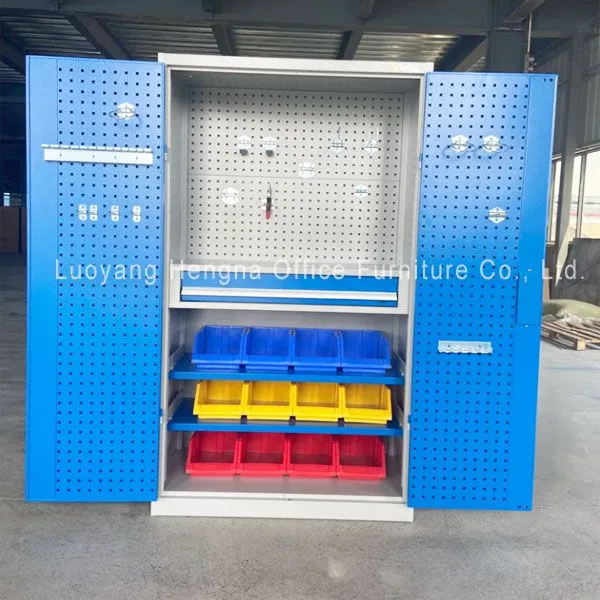 Read More

Contact Us
Recommended Products
-
 Industrial-Grade ABS Plastic Locker for Factory Staff and Warehouse Workers|Hengna OfficeUS$ 19 - 100MOQ: 5 Sets
 -
Outdoor ABS Locker Cabinet – UV-Resistant Plastic Storage for Poolside or Beach Resorts-Hengna OfficeUS$ 19 - 100MOQ: 5 Sets
-
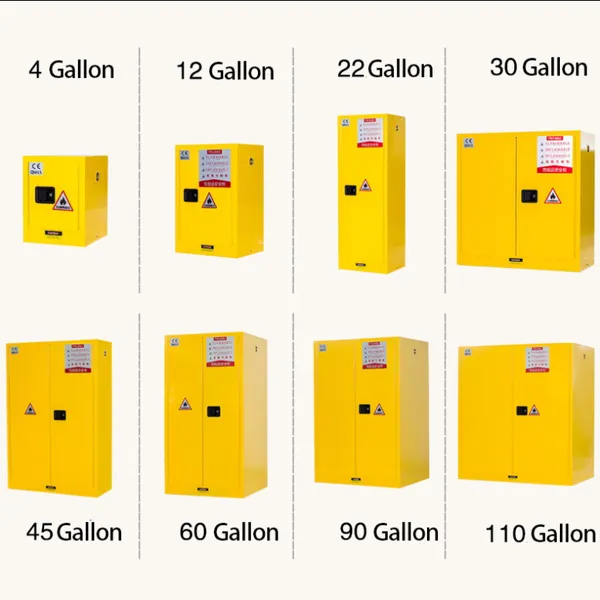
45 Gallon Explosion-Proof Flammable Liquid Storage Cabinet – Fire-Resistant Steel Safety Cabinet for FactoriesUS$ 68 - 400MOQ: 2 Combos
-
Flammable Storage Cabinet for Flammable Liquids – OSHA Certified Safety Cabinet With Fireproof Double WallsUS$ 68 - 400MOQ: 2 Combos
-
Large Capacity Flammable Liquid Storage Cabinet – Explosion-Proof Safety Cabinet for Laboratory & Workshop UseUS$ 68 - 400MOQ: 2 Combos

-
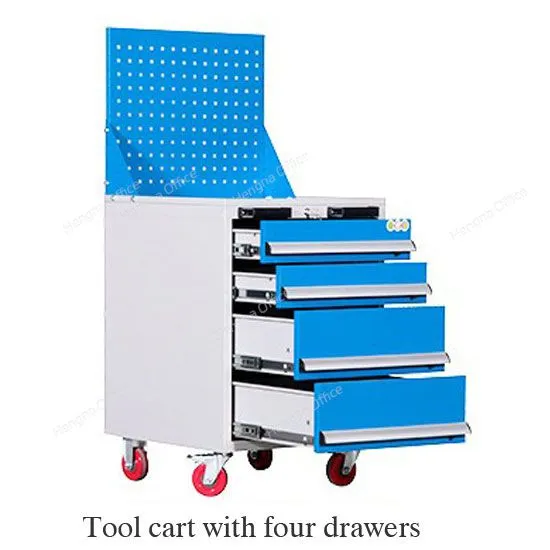
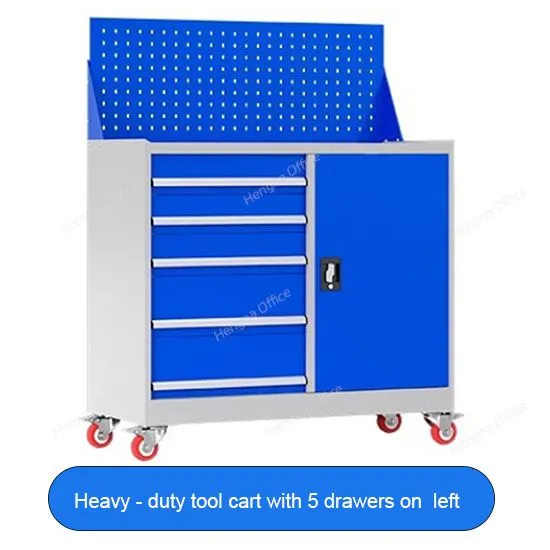
Heavy Duty Steel Tool Cart With Drawers for Workshops|Hengna OfficeUS$ 99 - 269MOQ: 2 Cases
-
Wholesale 3-Drawer Tool Trolley With Wheels for Factory and Garage StorageUS$ 99 - 269MOQ: 2 Cases
-
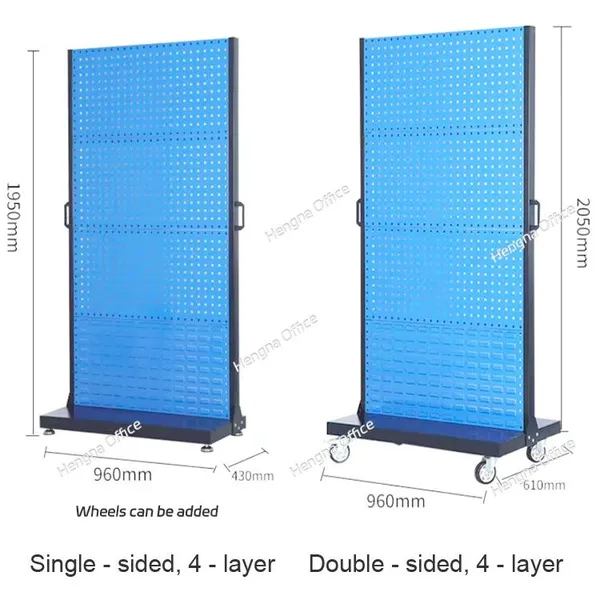
HN-wlj160 Industrial Rolling Tool Organizer With Pegboard|All-in-One Mobile Tool Storage CartUS$ 5 - 120MOQ: 2 Cases
-
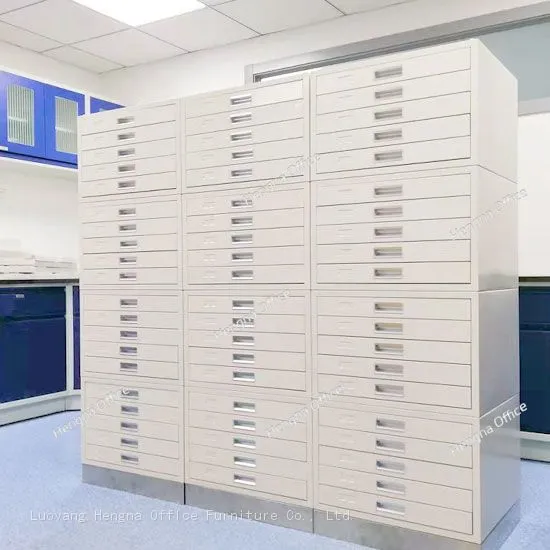
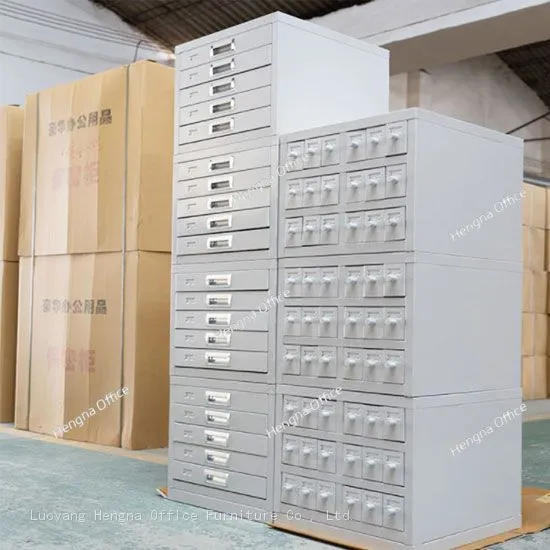
White Stackable Pathology Wax Block Storage Drawers for Labs Near London-Hengna OfficeNegotiableMOQ: 10 Pieces
-
Custom Paraffin Block Storage Cabinet for Histology Laboratories – Factory Direct From Hengna FurnitureNegotiableMOQ: 10 Pieces
-
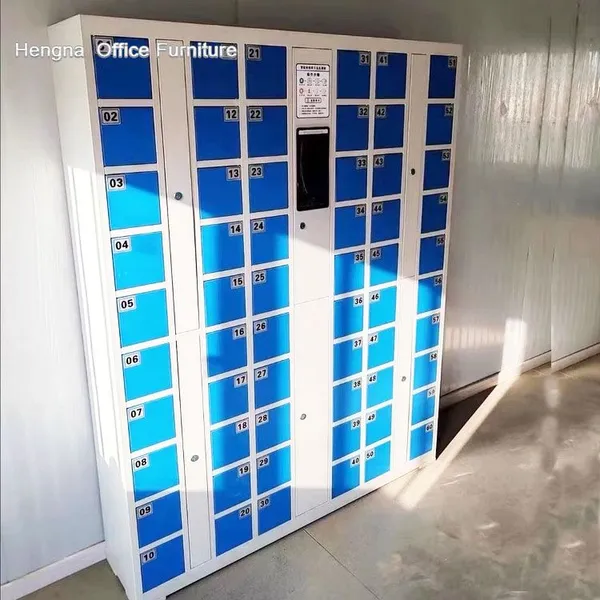
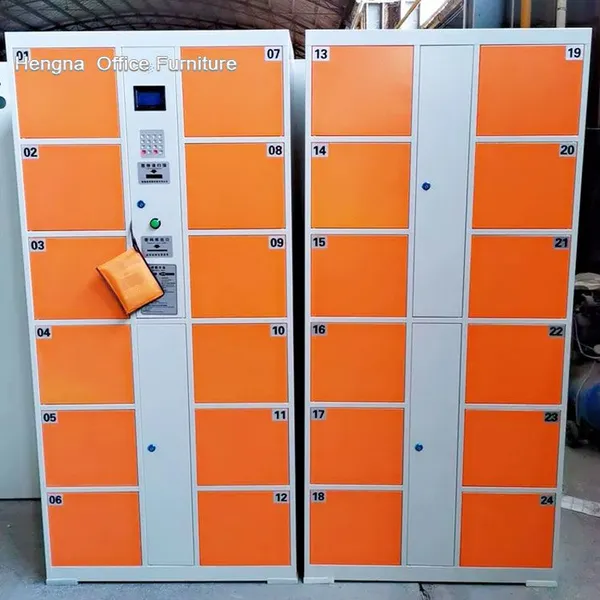
Smart Phone Charging Locker 40-door|Fingerprint Lockers Intelligent Parcel Delivery CabinetUS$ 203 - 750MOQ: 15 Pieces
-
School Gym Lockers Price |Parcel Delivery Storage Locker 12-door FactoryUS$ 203 - 750MOQ: 15 Pieces
-
Multi Metal Work Benches Electrical Workshop Workbench|US$ 300 - 800MOQ: 2 Cases
-
Commercial Workbench Supplier |Multi Metal Work Bench With Drawers OMDUS$ 300 - 800MOQ: 2 Cases
-
Pathological Ection Cabinet JTGZ062 Wax Block Cabinet for LaboratoryNegotiableMOQ: 10 Pieces
-
Durable Tool Storage in Factory HNGJ703 Hard Wearing Metal Industrial Tool ChestNegotiableMOQ: 18 Pieces
-
High - Quality CNC Workshop Tool Cabinet Heavyweight Workshop Tool OrganizerNegotiableMOQ: 10 Pieces
-
Laboratory Polyethylene Acid and Corrosive Chemicals Safety Storage PP CabinetUS$ 340 - 600MOQ: 5 Combos
-
22 Gallons /80 L PP Acid - Base Cabinet: Safeguard Chemical Storage Supplier OEMUS$ 500 - 600MOQ: 5 Combos
-
4 - Gallon Corrosion-resistant Safety Cabinet for Hazardous Chemicals Acid SupplierUS$ 340 - 500MOQ: 5 Combos