
 Business License
5 Reasons Why 280mm Wide Storage Towers are Essential for High-Density Workspaces
In the modern urban landscape, space is no longer just a physical dimension; it is a premium business asset. As corporate real estate costs continue to climb in global hubs from London to Singapore, companies are pivoting toward "High-Density Workspaces." In this transition, the challenge remains: how do you provide employees with sufficient storage without cluttering the floor plan?
The answer lies in vertical thinking. Specifically, the 280mm wide storage tower. While traditional filing cabinets occupy a massive footprint, the slim-line metal tower is emerging as the "silent hero" of organized, efficient offices.
Here are five reasons why these narrow-profile units are indispensable for today’s high-density environments.
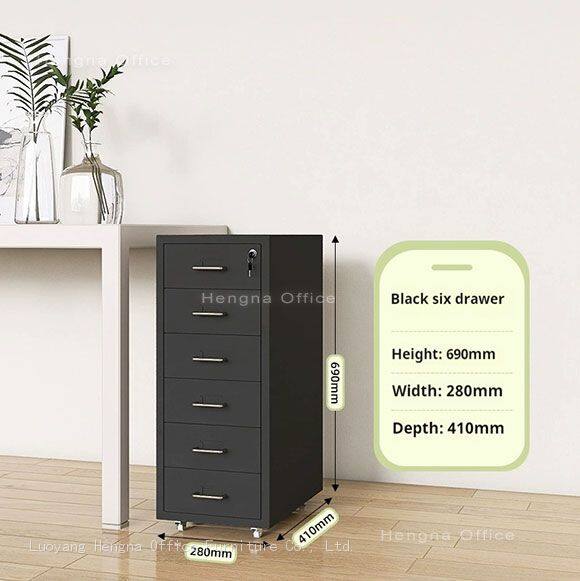
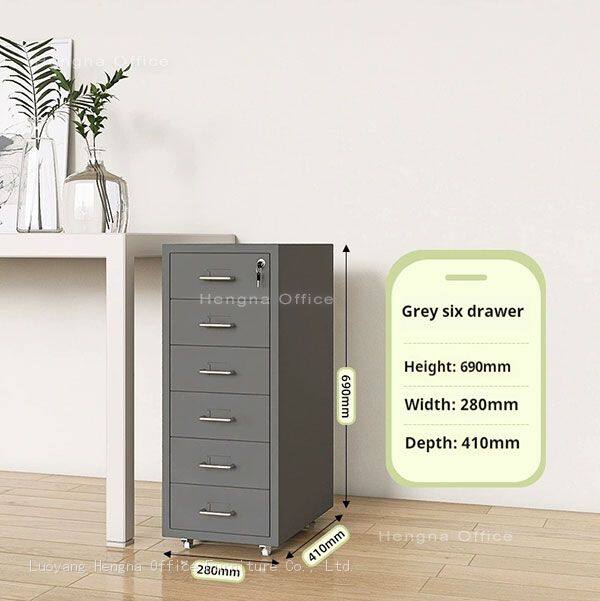
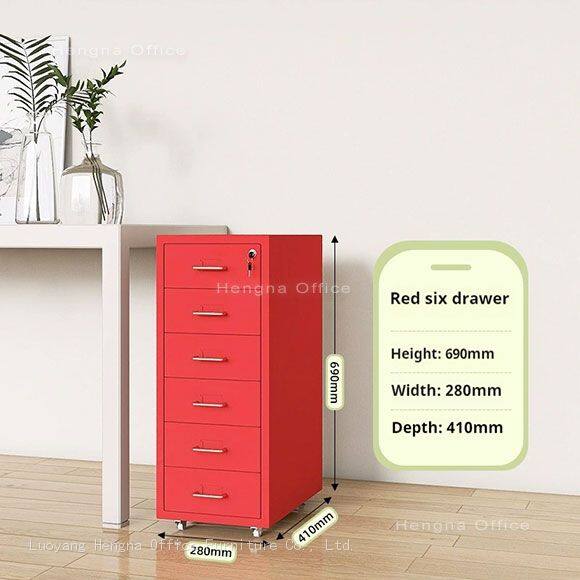
Maximizing the "Dead Space" Between Desks
Most offices are filled with unusable gaps—the 30cm space between a desk and a wall, the narrow alley between two workstations, or the awkward corner next to a printer. Standard office furniture is typically 400mm to 500mm wide, making these gaps wasted territory.
A 280mm wide storage tower is specifically engineered to reclaim this "dead space." At roughly the width of a standard sheet of A4 paper, these units provide deep, multi-tier storage in areas where nothing else fits. By utilizing these micro-gaps, businesses can increase their storage capacity by up to 30% without expanding their office footprint.
2. Vertical Optimization: Storage Without the Bulk
High-density design is about trading horizontal square footage for vertical height. A slim tower that stands at $1080 ext{mm}$ provides six to eight tiers of organization while occupying a mere 0.11m^2 of floor space.
Comparison of Floor Space Efficiency:
| Storage Type | Standard Width | Average Depth | Floor Area Occupied | Tiers |
| Traditional Lateral File | 900mm | 450mm | 0.405m^2 | 2-3 |
| Standard Pedestal | 400mm | 500mm | 0.200m^2 | 3 |
| Slim 280mm Tower | 280mm | 410mm | 0.114m^2 | 6-8 |
As the table shows, the slim tower offers nearly double the storage tiers of a standard pedestal while using almost half the floor space. This is a game-changer for coworking spaces and tech startups where every square meter counts toward the bottom line.
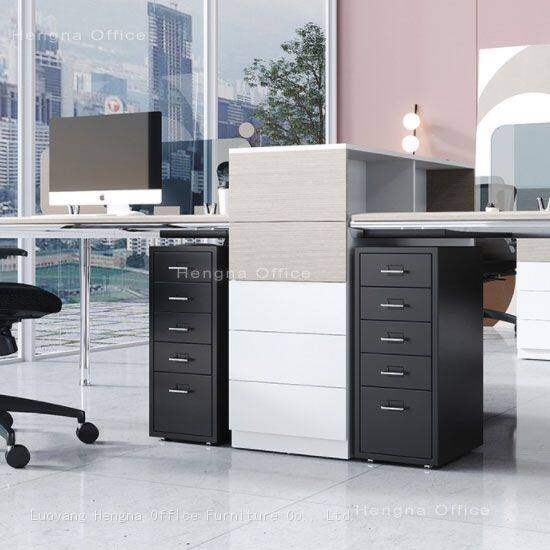
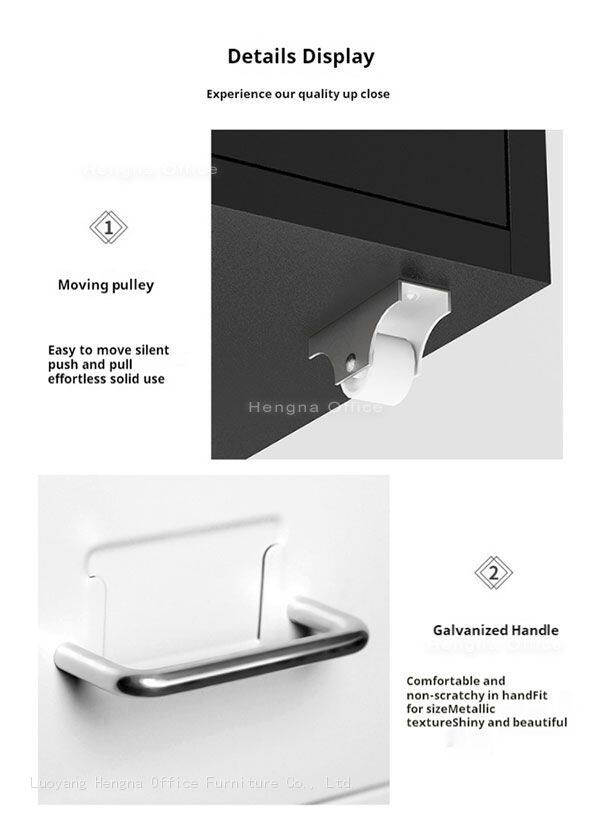
3. All-Steel Durability in High-Traffic Zones
In high-density offices, furniture is subject to constant use and movement. People lean on it, chairs bump into it, and drawers are opened hundreds of times a week.
Choosing all-steel storage towers over particle-board alternatives ensures longevity. Cold-rolled steel does not warp, crack, or swell. Furthermore, steel is non-porous and fire-resistant. For businesses, this translates to a lower "Total Cost of Ownership" (TCO), as the furniture does not need to be replaced every few years due to wear and tear.
4. Enhancing Human-Centric "Hot Desking"
Modern offices are moving away from assigned seating toward "Hot Desking" or "Activity-Based Working." In these environments, employees need a "home base" for their personal items—tech gadgets, notebooks, and snacks.
Because vertical slim metal storage units are so compact, they can be deployed in clusters or rows to act as personal lockers. Their slim profile allows them to be placed within arm's reach of workstations without obstructing walking paths. When equipped with silent-glide casters, these towers become mobile personal hubs that move with the employee, supporting a dynamic and agile workflow.
5. Improved Safety with Anti-Detachment Engineering
Safety is often overlooked in slim furniture design. A tall, narrow cabinet can be a hazard if the drawers are pulled out too forcefully. High-quality slim towers solve this through precision engineering—specifically, the anti-detachment snap design.
These internal safety clips ensure that drawers stay securely attached to the frame even when fully extended. This is critical in high-density spaces where people are moving quickly. It prevents accidental spills and potential injuries, making the vertical tower a responsible choice for busy corporate environments, schools, and medical clinics alike.
Conclusion: The Future is Lean
The shift toward high-density workspaces isn't a temporary trend; it’s the future of urban business. To thrive in these environments, companies must adopt furniture that is as lean and efficient as their business models.
The 280mm wide storage tower proves that you don't need a large footprint to stay organized. By focusing on verticality, durability, and precision design, these slim units allow modern offices to remain spacious, safe, and productive—no matter how small the square footage.
Recently Posted
-
How to Choose ESD Workbenches for Bulk Order: A Procurement Guide to Quality, MOQ and Lead Time
April 20, 2026Buying one ESD workbench is simple. You find a supplier, pay the invoice, receive the unit, plug it in.Buying 50 — or 500 — is a d Read More
 -
ESD Workstation Audit Checklist: What Inspectors Actually Look For in Labs and Electronics Manufactu
April 20, 2026If your ESD workstation fails an audit, the consequences go beyond a failed inspection report. It means your production line stops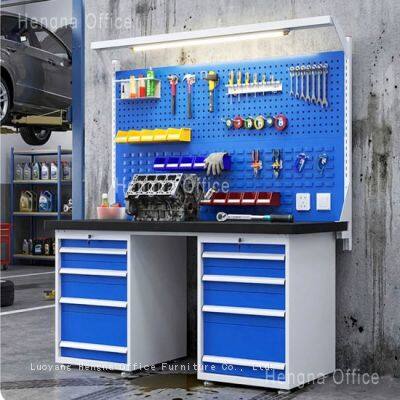 Read More
 -
Why Your ESD Workstation Keeps Failing: Root Causes and Practical Fixes for Industrial Settings
April 20, 2026ESD workstations are supposed to eliminate static discharge risk in sensitive manufacturing environments. But if your equipment ke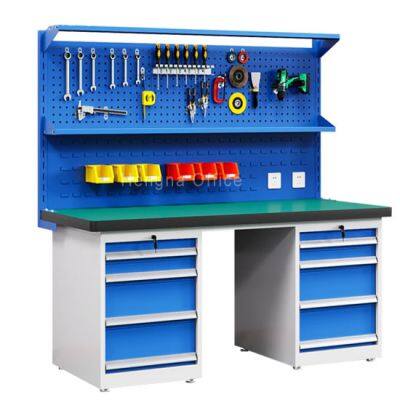 Read More
 -
What to Look for When Buying Chinese Herb Cabinets in Bulk: A Procurement Checklist
April 18, 2026Bulk Buying Is More Than Just Ordering More UnitsBuying one cabinet and buying twenty are completely different processes.Single-un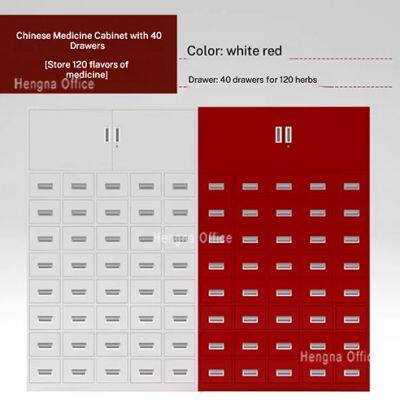 Read More

Contact Us
Recommended Products
-
 Industrial-Grade ABS Plastic Locker for Factory Staff and Warehouse Workers|Hengna OfficeUS$ 19 - 100MOQ: 5 Sets
 -
Outdoor ABS Locker Cabinet – UV-Resistant Plastic Storage for Poolside or Beach Resorts-Hengna OfficeUS$ 19 - 100MOQ: 5 Sets
-
45 Gallon Explosion-Proof Flammable Liquid Storage Cabinet – Fire-Resistant Steel Safety Cabinet for FactoriesUS$ 68 - 400MOQ: 2 Combos
-
Flammable Storage Cabinet for Flammable Liquids – OSHA Certified Safety Cabinet With Fireproof Double WallsUS$ 68 - 400MOQ: 2 Combos
-
Large Capacity Flammable Liquid Storage Cabinet – Explosion-Proof Safety Cabinet for Laboratory & Workshop UseUS$ 68 - 400MOQ: 2 Combos
-
Heavy Duty Steel Tool Cart With Drawers for Workshops|Hengna OfficeUS$ 99 - 269MOQ: 2 Cases
-
Wholesale 3-Drawer Tool Trolley With Wheels for Factory and Garage StorageUS$ 99 - 269MOQ: 2 Cases
-
HN-wlj160 Industrial Rolling Tool Organizer With Pegboard|All-in-One Mobile Tool Storage CartUS$ 5 - 120MOQ: 2 Cases
-
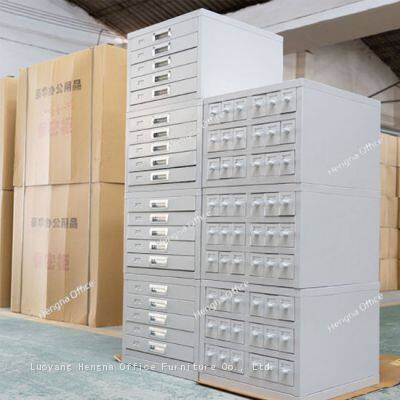
White Stackable Pathology Wax Block Storage Drawers for Labs Near London-Hengna OfficeNegotiableMOQ: 10 Pieces
-
Custom Paraffin Block Storage Cabinet for Histology Laboratories – Factory Direct From Hengna FurnitureNegotiableMOQ: 10 Pieces
-
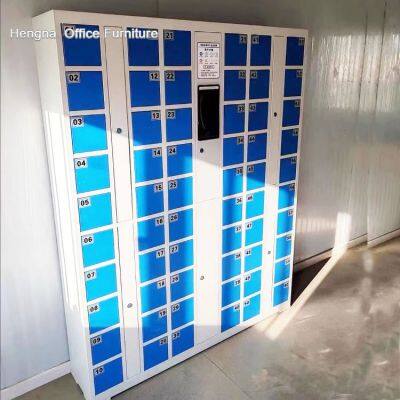
Smart Phone Charging Locker 40-door|Fingerprint Lockers Intelligent Parcel Delivery CabinetUS$ 203 - 750MOQ: 15 Pieces
-
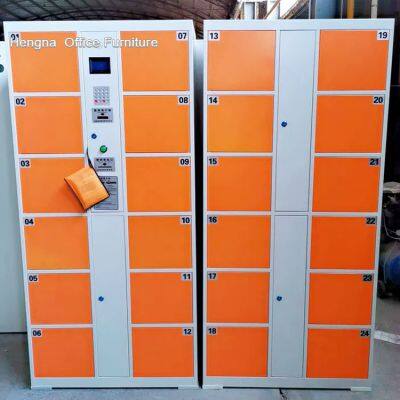
School Gym Lockers Price |Parcel Delivery Storage Locker 12-door FactoryUS$ 203 - 750MOQ: 15 Pieces
-
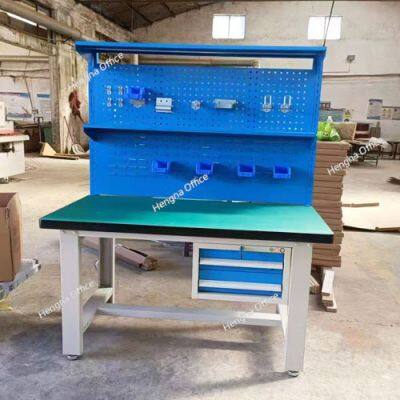
Multi Metal Work Benches Electrical Workshop Workbench|US$ 300 - 800MOQ: 2 Cases
-
Commercial Workbench Supplier |Multi Metal Work Bench With Drawers OMDUS$ 300 - 800MOQ: 2 Cases
-
Pathological Ection Cabinet JTGZ062 Wax Block Cabinet for LaboratoryNegotiableMOQ: 10 Pieces
-
Durable Tool Storage in Factory HNGJ703 Hard Wearing Metal Industrial Tool ChestNegotiableMOQ: 18 Pieces
-
High - Quality CNC Workshop Tool Cabinet Heavyweight Workshop Tool OrganizerNegotiableMOQ: 10 Pieces
-
Laboratory Polyethylene Acid and Corrosive Chemicals Safety Storage PP CabinetUS$ 340 - 600MOQ: 5 Combos
-
22 Gallons /80 L PP Acid - Base Cabinet: Safeguard Chemical Storage Supplier OEMUS$ 500 - 600MOQ: 5 Combos
-
4 - Gallon Corrosion-resistant Safety Cabinet for Hazardous Chemicals Acid SupplierUS$ 340 - 500MOQ: 5 Combos