
 Business License

How to Choose the Best Heavy Duty Tool Cabinet for Industrial Warehouse Storage?
In the fast-paced environment of an industrial warehouse, efficiency and organization are not just goals—they are necessities. A cluttered workspace leads to lost tools, safety hazards, and wasted time. This is why selecting the right heavy-duty tool cabinet is one of the most critical investments a warehouse manager can make. But with so many options on the market, how do you choose the best one? This guide will walk you through the essential features to look for, ensuring your storage solution stands up to the rigors of industrial use.
1. Material Thickness: The Foundation of Durability
The first metric to consider when evaluating a tool cabinet for warehouse storage is the material thickness. Many standard cabinets use thin gauge steel that bends under heavy loads. For an industrial setting, you need a robust solution.
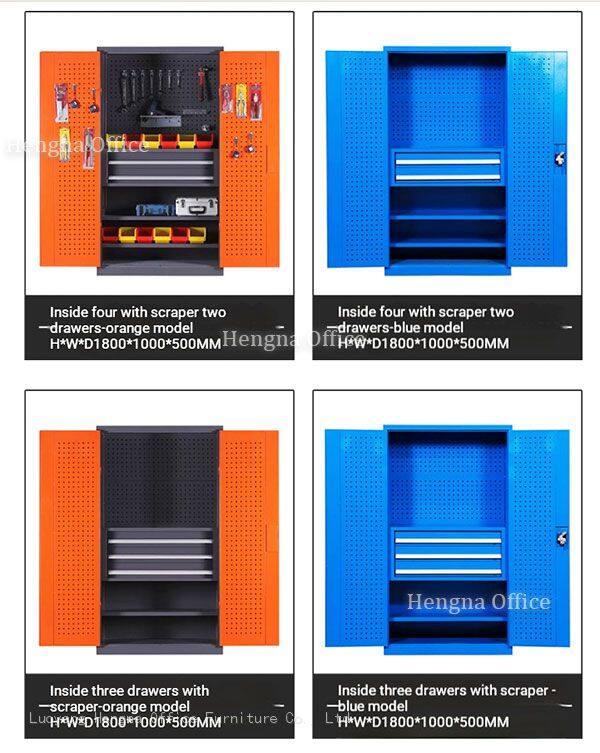
Look for cabinets constructed from 1.2mm cold-rolled steel. This thickness provides a superior strength-to-weight ratio compared to standard steel. Cold-rolled steel has a smoother finish and harder surface, making it more resistant to impact and deformation. A cabinet built with 1.2mm steel ensures that even when fully loaded with heavy power tools and automotive parts, the structure remains rigid and stable.
2. Load Capacity: Shelf vs. Drawer
Different warehouses have different storage needs. A common mistake is underestimating the weight of industrial tools.
Shelves: If you store bulky items like motors or large spare parts, ensure the adjustable shelves can handle the weight. High-quality industrial cabinets typically offer shelves with a capacity of at least 200 lbs (90 kg) each.
Drawers: For precision tools and hardware, drawers are essential. However, a drawer that sags is a safety hazard. Look for drawers equipped with heavy-duty ball-bearing slides. A standard requirement for professional use is a 100 lbs (45 kg) load capacity per drawer, allowing for full extension without jamming.
Table 1: Recommended Load Specifications for Warehouse Cabinets
| Component | Standard Home Use | Recommended Industrial Spec |
|---|---|---|
| Shelf Capacity | 50 - 100 lbs | 200 lbs (90 kg) |
| Drawer Capacity | 30 - 50 lbs | 100 lbs (45 kg) |
| Steel Thickness | 0.8mm | 1.2mm |
| Slide Type | Roller/Gravity | Ball-Bearing (Full Extension) |
3. Security Features
Warehouses often store expensive diagnostic equipment and specialized tools. Security isn’t optional; it’s a requirement. The best heavy-duty tool cabinets come with integrated anti-theft systems.
Central Locking System: A system that locks all drawers simultaneously with a single key turn.
Reinforced Doors: Doors should resist prying.
Key Quality: Look for high-security keys that are difficult to duplicate.
4. Surface Treatment and Longevity
In a warehouse, equipment gets bumped, scraped, and exposed to various elements. The finish of the cabinet determines its lifespan.
Electrostatic spraying (powder coating) is the industry standard for high-end tool cabinets. Unlike liquid paint, powder coating is baked on, creating a hard finish that is tougher than conventional paint. It resists chipping, scratching, and corrosion, ensuring your cabinet maintains its professional appearance for years.
5. Workflow and Ergonomics
Finally, consider how the cabinet fits into your daily workflow.
Mobility: Does the cabinet need to move around the warehouse floor? Look for models with high-quality casters (wheels) with brakes.
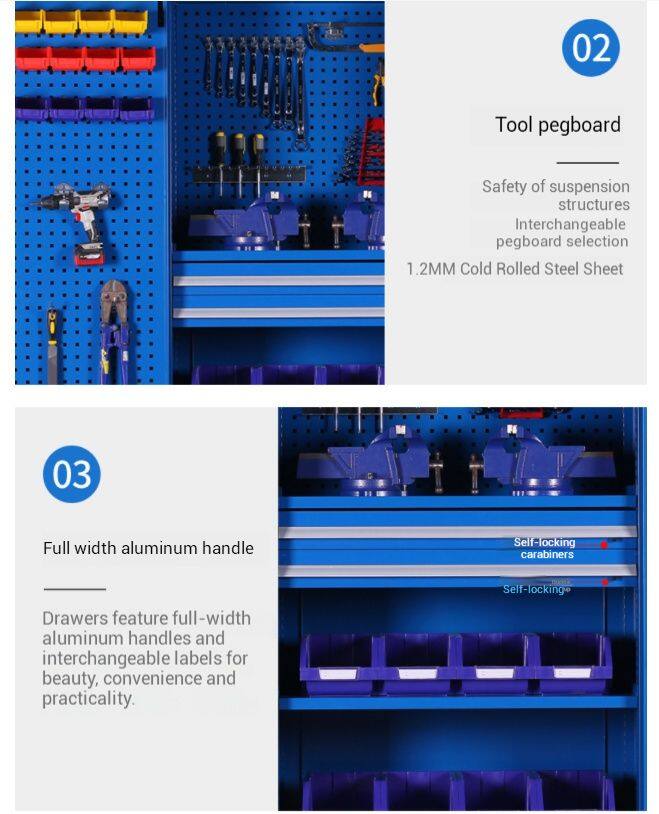
Accessibility: Full-width aluminum handles make opening heavy doors and drawers effortless, reducing strain on workers’ hands.
Organization: Does the cabinet offer modularity, such as the ability to add pegboards or hanging hooks?
Conclusion
Choosing the best heavy-duty tool cabinet for industrial warehouse storage comes down to prioritizing durability and functionality. By selecting a unit constructed from 1.2mm cold-rolled steel, verified load capacities (200 lbs for shelves, 100 lbs for drawers), and a secure locking mechanism, you invest in a solution that protects your assets and streamlines your operations. Don’t settle for flimsy storage; equip your warehouse with cabinets that work as hard as your team.
Recently Posted
-
Standard Size vs. Custom Size: Which Metal Bunk Bed Strategy Fits Your Project Budget?
March 17, 2026When planning a large-scale dormitory project in Saudi Arabia, one of the first decisions a procurement officer must make is wheth Read More
 -
Tool-Free Assembly vs. Traditional Beds: How Much Can You Save on Installation Labor?
March 17, 2026In the world of B2B procurement, the "sticker price" of a product is only one part of the equation. For project managers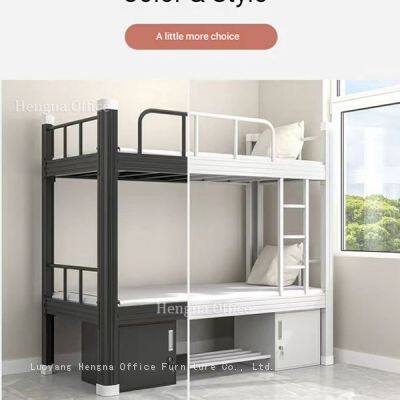 Read More
 -
How 300mm Extra-High Guardrails Prevent Fall Injuries in Crowded Worker Dormitories
March 17, 2026In the high-stakes environment of large-scale construction projects and industrial housing, safety is often discussed in terms of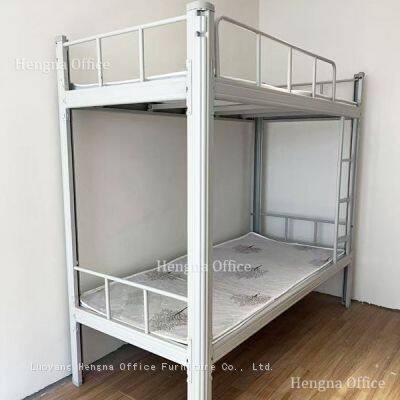 Read More
 -
How to Eliminate Squeaking Noises in Staff Accommodation Metal Beds: A Structural Guide
March 17, 2026For facility managers overseeing staff accommodation or labor camps, few things are as persistent or frustrating as the sound of a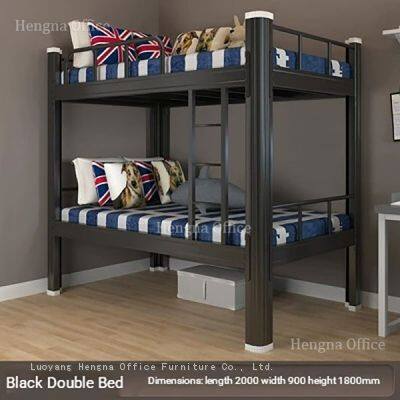 Read More

Contact Us
Recommended Products
-
 Industrial-Grade ABS Plastic Locker for Factory Staff and Warehouse Workers|Hengna OfficeUS$ 19 - 100MOQ: 5 Sets
 -
Outdoor ABS Locker Cabinet – UV-Resistant Plastic Storage for Poolside or Beach Resorts-Hengna OfficeUS$ 19 - 100MOQ: 5 Sets
-
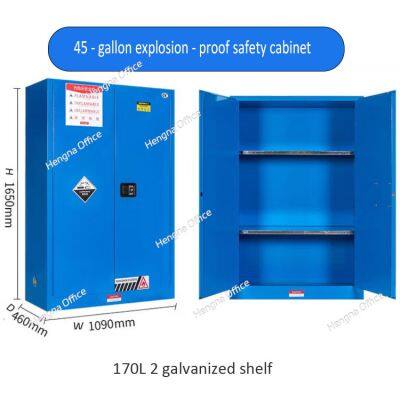
45 Gallon Explosion-Proof Flammable Liquid Storage Cabinet – Fire-Resistant Steel Safety Cabinet for FactoriesUS$ 68 - 400MOQ: 2 Combos
-
Flammable Storage Cabinet for Flammable Liquids – OSHA Certified Safety Cabinet With Fireproof Double WallsUS$ 68 - 400MOQ: 2 Combos
-
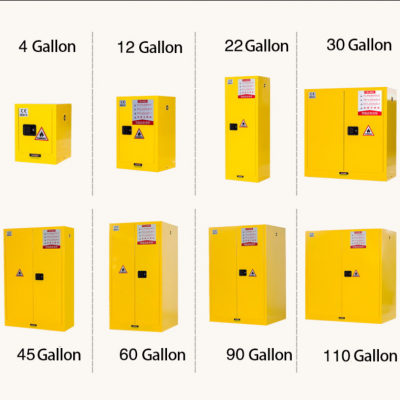
Large Capacity Flammable Liquid Storage Cabinet – Explosion-Proof Safety Cabinet for Laboratory & Workshop UseUS$ 68 - 400MOQ: 2 Combos

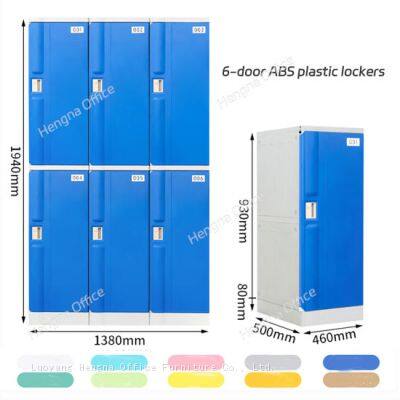
-
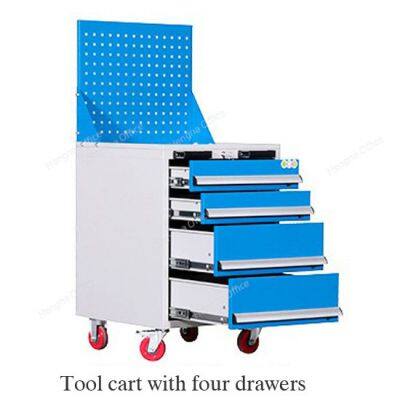
Heavy Duty Steel Tool Cart With Drawers for Workshops|Hengna OfficeUS$ 99 - 269MOQ: 2 Cases
-
Wholesale 3-Drawer Tool Trolley With Wheels for Factory and Garage StorageUS$ 99 - 269MOQ: 2 Cases
-
HN-wlj160 Industrial Rolling Tool Organizer With Pegboard|All-in-One Mobile Tool Storage CartUS$ 5 - 120MOQ: 2 Cases
-
White Stackable Pathology Wax Block Storage Drawers for Labs Near London-Hengna OfficeNegotiableMOQ: 10 Pieces
-
Custom Paraffin Block Storage Cabinet for Histology Laboratories – Factory Direct From Hengna FurnitureNegotiableMOQ: 10 Pieces
-
Smart Phone Charging Locker 40-door|Fingerprint Lockers Intelligent Parcel Delivery CabinetUS$ 203 - 750MOQ: 15 Pieces
-
School Gym Lockers Price |Parcel Delivery Storage Locker 12-door FactoryUS$ 203 - 750MOQ: 15 Pieces
-
Multi Metal Work Benches Electrical Workshop Workbench|US$ 300 - 800MOQ: 2 Cases
-
Commercial Workbench Supplier |Multi Metal Work Bench With Drawers OMDUS$ 300 - 800MOQ: 2 Cases
-
Pathological Ection Cabinet JTGZ062 Wax Block Cabinet for LaboratoryNegotiableMOQ: 10 Pieces
-
Durable Tool Storage in Factory HNGJ703 Hard Wearing Metal Industrial Tool ChestNegotiableMOQ: 18 Pieces
-
High - Quality CNC Workshop Tool Cabinet Heavyweight Workshop Tool OrganizerNegotiableMOQ: 10 Pieces
-
Laboratory Polyethylene Acid and Corrosive Chemicals Safety Storage PP CabinetUS$ 340 - 600MOQ: 5 Combos
-
22 Gallons /80 L PP Acid - Base Cabinet: Safeguard Chemical Storage Supplier OEMUS$ 500 - 600MOQ: 5 Combos
-
4 - Gallon Corrosion-resistant Safety Cabinet for Hazardous Chemicals Acid SupplierUS$ 340 - 500MOQ: 5 Combos