
 Business License

Wall-Mounted vs. Free-Standing: Which Charging Locker Saves More Space in Gyms?
In high-traffic commercial environments like modern gyms, yoga studios, and boutique fitness centers, every square inch of floor space translates directly to member experience and revenue. As "phone-free workout" policies become the standard to encourage focus and privacy, facility managers are faced with a logistical challenge: Where is the best place to store and charge members' devices?
The decision usually comes down to two configurations: Wall-Mounted and Free-Standing charging lockers. Choosing the right one can optimize your floor plan and enhance user convenience.
The Case for Wall-Mounted Charging Lockers
Wall-mounted units are the go-to solution for facilities where floor space is at a premium. By utilizing vertical "dead space," you keep hallways clear and maintain a sleek, modern look.
Key Advantages:
Zero Floor Footprint: Ideal for narrow corridors or entryways where a floor unit would create a bottleneck.
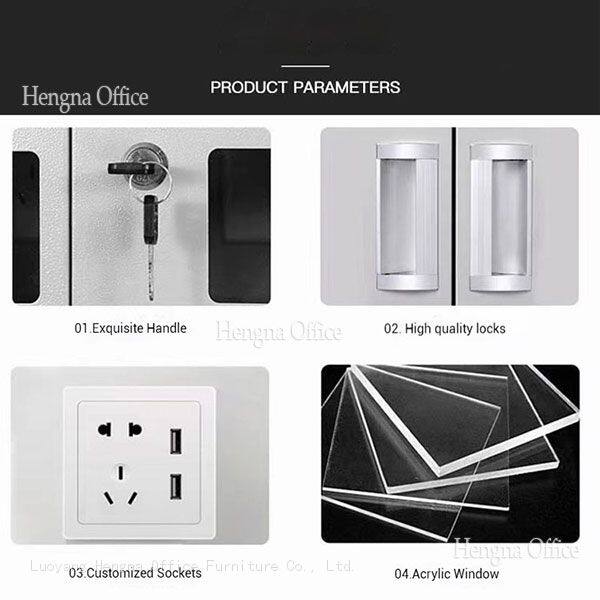
Ergonomic Height: These can be installed at eye level, making it easier for users to see the acrylic windows and interact with the locks without bending over.
Easy Cleaning: Because the unit is off the floor, gym staff can mop and vacuum underneath without moving heavy furniture.
Best For:
Small boutique gyms, reception areas, and high-traffic hallways in cities like Chicago or New York where rent per square foot is high.
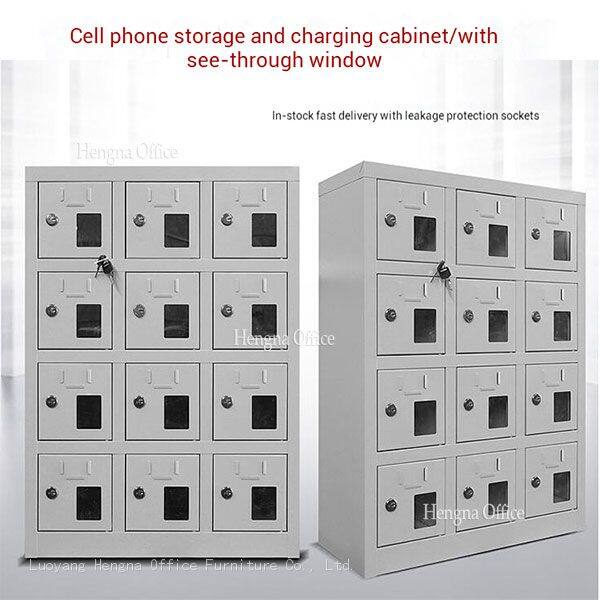
The Case for Free-Standing Charging Cabinets
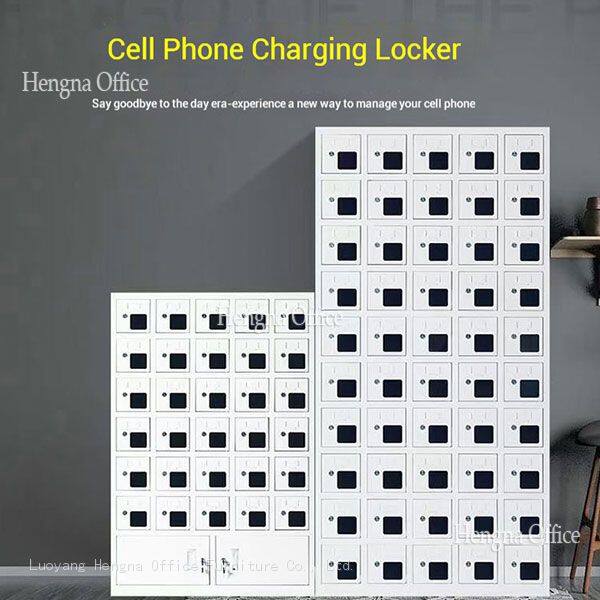
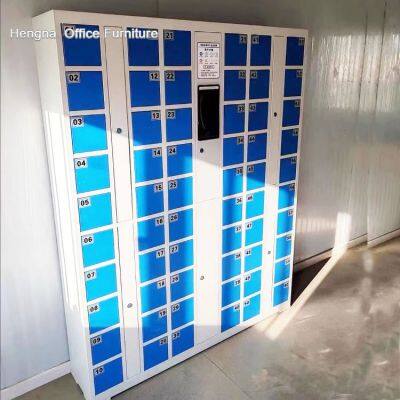
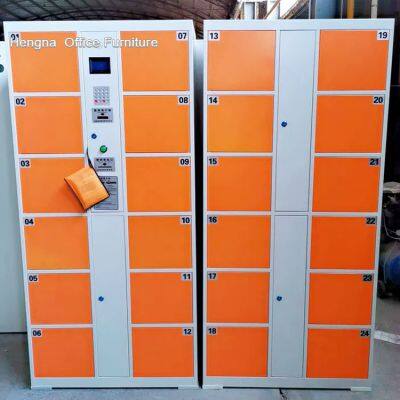
Free-standing units (like our heavy-duty steel mobile phone lockers) are the workhorses of larger facilities. They often offer higher door counts and additional features like storage bases.
Key Advantages:
Higher Capacity: Free-standing models can easily accommodate 40 to 84 doors in a single footprint, making them more cost-effective for large-scale needs.
Stability & Mobility: While they are heavy and stable, they don't require wall-drilling (perfect for leased spaces) and can sometimes be fitted with heavy-duty casters for occasional relocation.
Bottom Storage Base: Many free-standing models feature a double-door base at the bottom, providing a secure space for larger items like gym bags or bulk charging accessories.
Best For:
Large multi-floor fitness centers, sports complexes, and school locker rooms.
Comparison at a Glance: Which One Fits Your Project?
| Feature | Wall-Mounted Locker | Free-Standing Cabinet |
| Space Requirement | Minimal (Uses wall space) | Moderate (Requires floor space) |
| Capacity Per Unit | Typically 10–30 Doors | 30–80+ Doors |
| Installation | Required (Wall anchors) | Minimal (Position & Plug) |
| Accessibility | Highly customizable height | Fixed height |
| Aesthetics | Integrated, floating look | Professional, solid presence |
Factors to Consider Before Buying
1. ADA Compliance (US Markets)
In the United States, the Americans with Disabilities Act (ADA) requires that operable parts of a locker be accessible to people in wheelchairs. If you choose a wall-mounted charging station, ensure the highest operable lock is no more than 48 inches from the floor.
2. Power Source Proximity
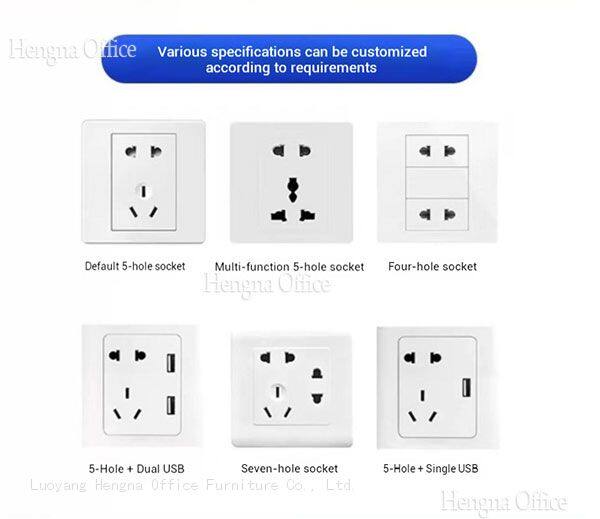
Both styles require a power outlet. Free-standing units can often hide the power cord behind the cabinet, while wall-mounted units might require a bit more cord management to maintain that "clean" look. Look for models with integrated circuit breakers to ensure that even a high-capacity unit won't overload your gym's existing circuits.
3. User Visibility
Our clients often prefer the acrylic window design for both configurations. In a gym setting, members want to glance at the locker to ensure their phone is still there and charging. A wall-mounted unit at eye level provides the best "visual accountability."
Conclusion: Which Should You Choose?
If your gym is a high-end boutique where aesthetics and floor flow are everything, Wall-Mounted is your winner. However, if you are managing a massive campus or a high-traffic public facility where you need to maximize the number of charging slots per dollar spent, the Free-Standing cabinet is the undisputed champion.
Still not sure? Many of our B2B clients in the fitness and hospitality sectors use a "Hybrid Approach"—placing a high-capacity free-standing unit in the main locker room and smaller wall-mounted units at the reception for quick "express" charging.
Recently Posted
-
How to Choose ESD Workbenches for Bulk Order: A Procurement Guide to Quality, MOQ and Lead Time
April 20, 2026Buying one ESD workbench is simple. You find a supplier, pay the invoice, receive the unit, plug it in.Buying 50 — or 500 — is a d Read More
 -
ESD Workstation Audit Checklist: What Inspectors Actually Look For in Labs and Electronics Manufactu
April 20, 2026If your ESD workstation fails an audit, the consequences go beyond a failed inspection report. It means your production line stops Read More
 -
Why Your ESD Workstation Keeps Failing: Root Causes and Practical Fixes for Industrial Settings
April 20, 2026ESD workstations are supposed to eliminate static discharge risk in sensitive manufacturing environments. But if your equipment ke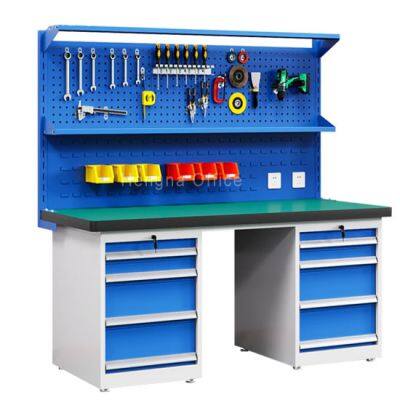 Read More
 -
What to Look for When Buying Chinese Herb Cabinets in Bulk: A Procurement Checklist
April 18, 2026Bulk Buying Is More Than Just Ordering More UnitsBuying one cabinet and buying twenty are completely different processes.Single-un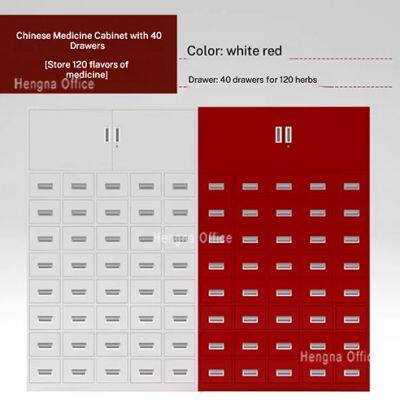 Read More

Contact Us
Recommended Products
-
 Industrial-Grade ABS Plastic Locker for Factory Staff and Warehouse Workers|Hengna OfficeUS$ 19 - 100MOQ: 5 Sets
 -
Outdoor ABS Locker Cabinet – UV-Resistant Plastic Storage for Poolside or Beach Resorts-Hengna OfficeUS$ 19 - 100MOQ: 5 Sets
-
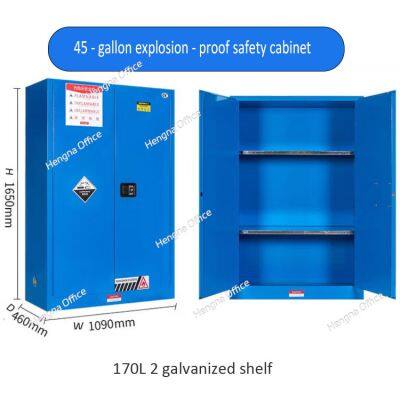
45 Gallon Explosion-Proof Flammable Liquid Storage Cabinet – Fire-Resistant Steel Safety Cabinet for FactoriesUS$ 68 - 400MOQ: 2 Combos
-
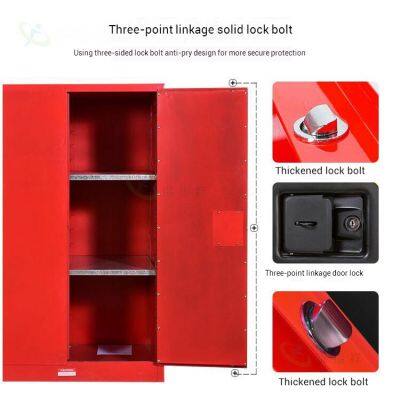
Flammable Storage Cabinet for Flammable Liquids – OSHA Certified Safety Cabinet With Fireproof Double WallsUS$ 68 - 400MOQ: 2 Combos
-
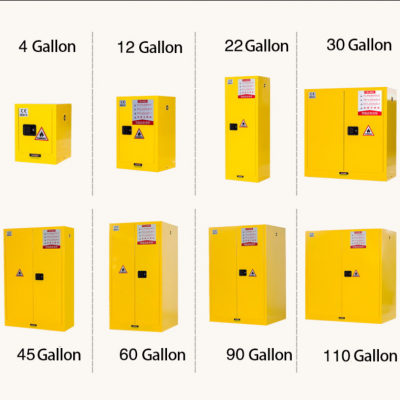
Large Capacity Flammable Liquid Storage Cabinet – Explosion-Proof Safety Cabinet for Laboratory & Workshop UseUS$ 68 - 400MOQ: 2 Combos
-
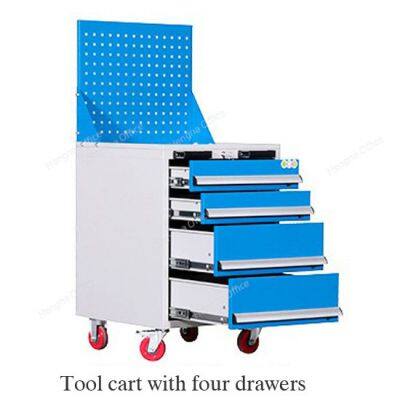
Heavy Duty Steel Tool Cart With Drawers for Workshops|Hengna OfficeUS$ 99 - 269MOQ: 2 Cases
-
Wholesale 3-Drawer Tool Trolley With Wheels for Factory and Garage StorageUS$ 99 - 269MOQ: 2 Cases
-
HN-wlj160 Industrial Rolling Tool Organizer With Pegboard|All-in-One Mobile Tool Storage CartUS$ 5 - 120MOQ: 2 Cases
-
White Stackable Pathology Wax Block Storage Drawers for Labs Near London-Hengna OfficeNegotiableMOQ: 10 Pieces
-
Custom Paraffin Block Storage Cabinet for Histology Laboratories – Factory Direct From Hengna FurnitureNegotiableMOQ: 10 Pieces
-
Smart Phone Charging Locker 40-door|Fingerprint Lockers Intelligent Parcel Delivery CabinetUS$ 203 - 750MOQ: 15 Pieces
-
School Gym Lockers Price |Parcel Delivery Storage Locker 12-door FactoryUS$ 203 - 750MOQ: 15 Pieces
-
Multi Metal Work Benches Electrical Workshop Workbench|US$ 300 - 800MOQ: 2 Cases
-
Commercial Workbench Supplier |Multi Metal Work Bench With Drawers OMDUS$ 300 - 800MOQ: 2 Cases
-
Pathological Ection Cabinet JTGZ062 Wax Block Cabinet for LaboratoryNegotiableMOQ: 10 Pieces
-
Durable Tool Storage in Factory HNGJ703 Hard Wearing Metal Industrial Tool ChestNegotiableMOQ: 18 Pieces
-
High - Quality CNC Workshop Tool Cabinet Heavyweight Workshop Tool OrganizerNegotiableMOQ: 10 Pieces
-
Laboratory Polyethylene Acid and Corrosive Chemicals Safety Storage PP CabinetUS$ 340 - 600MOQ: 5 Combos
-
22 Gallons /80 L PP Acid - Base Cabinet: Safeguard Chemical Storage Supplier OEMUS$ 500 - 600MOQ: 5 Combos
-
4 - Gallon Corrosion-resistant Safety Cabinet for Hazardous Chemicals Acid SupplierUS$ 340 - 500MOQ: 5 Combos