
 Business License

Why Anti-Collision Student ABS Plastic Lockers Are Essential for University Dorm Safety
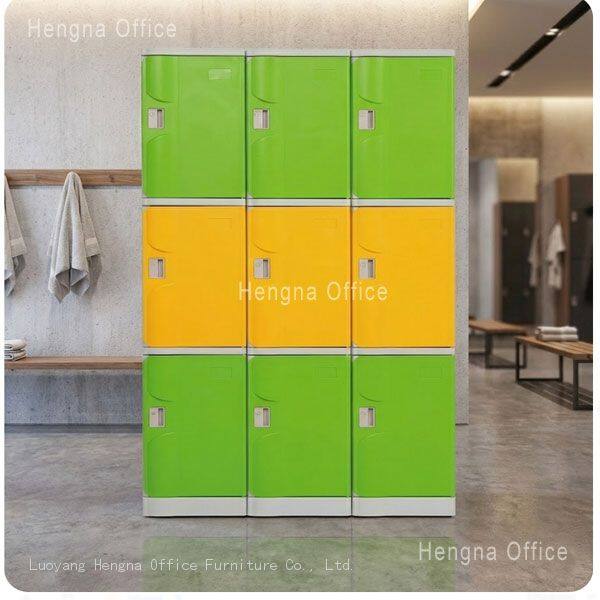
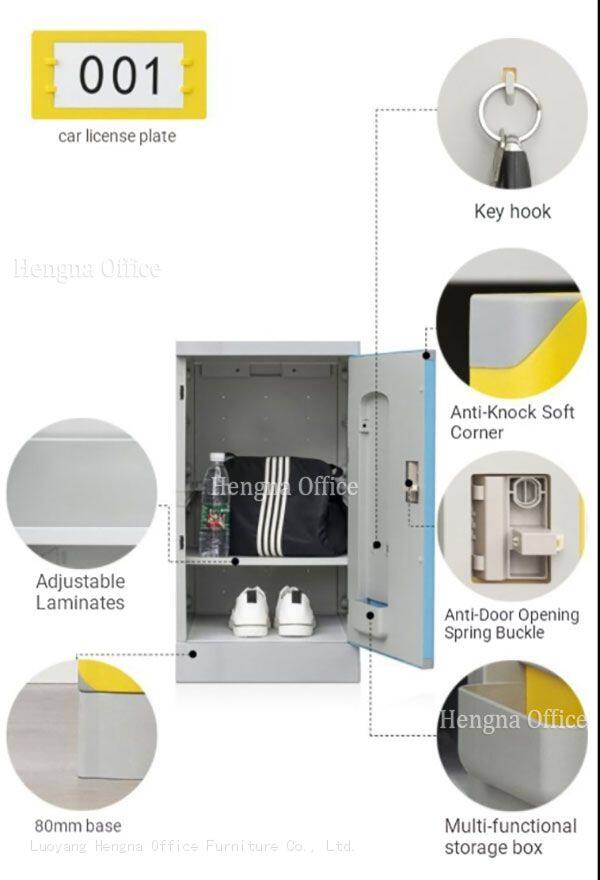
The most critical safety feature of modern ABS plastic lockers is the arc-shaped silicone cushions installed at the upper and lower corners of each door . These soft protective corners serve as impact absorbers, transforming potentially dangerous collisions into harmless bumps. The silicone material, typically medical-grade thermoplastic rubber, maintains its cushioning properties throughout the locker's service life without hardening or degrading.
Unlike metal lockers where corner impacts can cause lacerations or contusions, these soft corners protect students in several ways:
Head impact protection: When students bend down or stand up near open doors
Hip and shoulder protection: When navigating narrow corridors
Child safety: Particularly important for younger students or during family visits
The Critical Importance of Anti-Bounce Mechanisms
Beyond corner protection, quality ABS lockers incorporate anti-bounce mechanisms that prevent doors from springing open accidentally . This feature serves dual safety purposes:
Prevents unexpected door openings: In crowded corridors, a door that suddenly swings open can strike passing students, causing falls or collisions
Reduces corridor congestion: Doors that remain partially open create obstacles in narrow pathways, particularly during class changeovers
The anti-bounce mechanism typically integrates with the door handle design, creating a tension system that keeps the door securely closed until deliberately opened .
Smooth Door Operation
High-quality ABS lockers utilize patented dual nylon hinges that ensure smooth, controlled door movement . Unlike metal hinges that can squeak, bind, or fail over time, nylon hinges provide consistent resistance, preventing doors from swinging freely in high-traffic areas.
The Safety Advantages of ABS Material
Impact Resistance and Energy Absorption
ABS (Acrylonitrile Butadiene Styrene) engineering plastic contains butadiene, a rubber component that gives the material exceptional impact resistance -2. When a student collides with an ABS locker, the material flexes and absorbs energy, then returns to its original shape. Metal lockers, by contrast, dent permanently, creating sharp edges that can cause injury during subsequent accidents.
No Sharp Edges
The injection molding process used to manufacture ABS lockers produces smooth, rounded edges without sharp corners or burrs . This manufacturing advantage eliminates the risk of cuts and lacerations that can occur with poorly finished metal or wooden furniture.
Hygienic Safety
Student safety extends beyond physical injury to health considerations. The non-porous surface of ABS plastic prevents bacterial colonization and mold growth . In dormitory environments where multiple students share facilities, this hygienic property reduces the risk of illness transmission and allergic reactions.
Comprehensive Safety Engineering Features
Reinforced Door Construction
ABS lockers feature door panels typically 32mm thick, providing substantial structural integrity that resists breakage . This thickness ensures that doors remain securely attached even under heavy use, eliminating the risk of doors falling off and causing injury.
Anti-Pry Security
While primarily a security feature, anti-pry bolts also contribute to safety by preventing doors from being forced open in ways that could damage the door mechanism or create hazards . These bolts, installed where the door meets the side panel, distribute force evenly across the door structure.
Stable Base Design
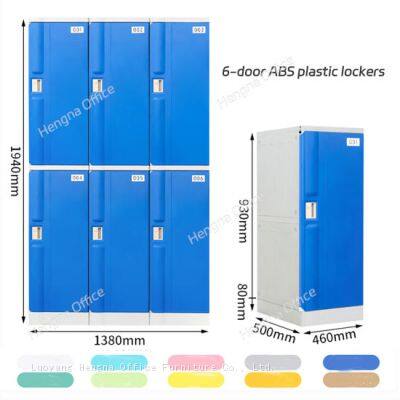
Quality ABS lockers feature an 80mm reinforced base that provides stable support even on slightly uneven floors . This stability prevents tipping—a critical safety concern in active dormitory environments where students may lean against furniture or during earthquake events.
Anti-Tip Connectivity
Each side panel contains four pre-drilled circular holes specifically engineered for connecting clips . When multiple lockers connect into unified banks, they achieve exceptional lateral stability that prevents tipping, even when top-heavy with books and belongings.
Comparison: Safety Features by Locker Type
| Safety Feature | ABS Plastic Locker | Metal Locker | Wooden Locker |
|---|---|---|---|
| Corner Protection | Soft silicone cushions | Hard metal edges | Hard wood edges |
| Impact Response | Flexes, returns to shape | Dents permanently | Splinters, cracks |
| Edge Finish | Molded smooth, rounded | Sharp edges possible | Splinters possible |
| Door Control | Nylon hinges, anti-bounce | Metal hinges, no anti-bounce | Metal hinges, no anti-bounce |
| Tipping Resistance | Modular connection system | Limited | Limited |
The Connection Between Safety and Design
Visibility and Identification
Clear identification helps students locate their assigned lockers quickly, reducing the time they spend wandering in corridors and the associated collision risks. Quality ABS lockers feature laser-printed number plates that remain permanently legible . These plates are embedded flush with the door surface, eliminating protruding labels that could catch on clothing.
Color Coding for Safety
The availability of multiple color options allows institutions to implement color-coded safety zones . For example, lockers in high-traffic areas can feature bright, highly visible colors that alert students to their presence, while emergency equipment storage can use standardized safety colors for quick identification.
Ventilation Safety
Strategically positioned ventilation openings serve safety functions beyond air circulation . These openings prevent pressure buildup that could cause doors to open suddenly and allow visual inspection of compartment contents without opening doors—useful for finding lost items without creating corridor hazards.
Institutional Safety Benefits
Reduced Liability
Universities have a duty of care to provide safe living environments for students. Installing anti-collision ABS lockers demonstrates proactive attention to student safety, potentially reducing liability exposure associated with dormitory accidents.
Lower Injury Rates
Facilities that replace traditional lockers with anti-collision ABS alternatives report fewer minor injuries from door collisions, reducing the burden on campus health services and improving student satisfaction.
Long-Term Safety Investment
With a design life exceeding 20 years , the safety features of ABS lockers continue protecting students for multiple generations. Unlike soft-close mechanisms or edge protectors that may fail over time, the integrated safety design remains effective throughout the locker's service life.
Maintenance for Continued Safety
Simple Cleaning Protocols
The non-porous ABS surface cleans easily with mild detergent and water . Regular cleaning prevents the buildup of dirt and grime that could hide damage or create slip hazards when spilled.
Visual Inspection
The durable construction requires minimal inspection, but periodic checks ensure that connecting clips remain secure and door mechanisms operate smoothly. Any issues can be addressed quickly without specialized tools or expertise.
Conclusion: Safety as a Design Priority
The Anti-Collision Student ABS Plastic Locker represents a fundamental advancement in dormitory furniture safety. Through integrated soft corners, anti-bounce mechanisms, impact-resistant materials, and thoughtful design, these lockers protect students from the everyday hazards of communal living.
For university housing departments, investing in anti-collision ABS lockers means:
Immediate safety improvements for current students
Long-term protection through durable construction
Reduced liability exposure from preventable accidents
Enhanced institutional reputation for student care
By prioritizing safety in storage furniture selection, universities demonstrate their commitment to student wellbeing while providing functional, durable storage solutions that serve generations of residents.
Recently Posted
-
How to Choose ESD Workbenches for Bulk Order: A Procurement Guide to Quality, MOQ and Lead Time
April 20, 2026Buying one ESD workbench is simple. You find a supplier, pay the invoice, receive the unit, plug it in.Buying 50 — or 500 — is a d Read More
 -
ESD Workstation Audit Checklist: What Inspectors Actually Look For in Labs and Electronics Manufactu
April 20, 2026If your ESD workstation fails an audit, the consequences go beyond a failed inspection report. It means your production line stops Read More
 -
Why Your ESD Workstation Keeps Failing: Root Causes and Practical Fixes for Industrial Settings
April 20, 2026ESD workstations are supposed to eliminate static discharge risk in sensitive manufacturing environments. But if your equipment ke Read More
 -
What to Look for When Buying Chinese Herb Cabinets in Bulk: A Procurement Checklist
April 18, 2026Bulk Buying Is More Than Just Ordering More UnitsBuying one cabinet and buying twenty are completely different processes.Single-un Read More

Contact Us
Recommended Products
-
 Industrial-Grade ABS Plastic Locker for Factory Staff and Warehouse Workers|Hengna OfficeUS$ 19 - 100MOQ: 5 Sets
 -
Outdoor ABS Locker Cabinet – UV-Resistant Plastic Storage for Poolside or Beach Resorts-Hengna OfficeUS$ 19 - 100MOQ: 5 Sets
-
45 Gallon Explosion-Proof Flammable Liquid Storage Cabinet – Fire-Resistant Steel Safety Cabinet for FactoriesUS$ 68 - 400MOQ: 2 Combos
-
Flammable Storage Cabinet for Flammable Liquids – OSHA Certified Safety Cabinet With Fireproof Double WallsUS$ 68 - 400MOQ: 2 Combos
-
Large Capacity Flammable Liquid Storage Cabinet – Explosion-Proof Safety Cabinet for Laboratory & Workshop UseUS$ 68 - 400MOQ: 2 Combos
-
Heavy Duty Steel Tool Cart With Drawers for Workshops|Hengna OfficeUS$ 99 - 269MOQ: 2 Cases
-
Wholesale 3-Drawer Tool Trolley With Wheels for Factory and Garage StorageUS$ 99 - 269MOQ: 2 Cases
-
HN-wlj160 Industrial Rolling Tool Organizer With Pegboard|All-in-One Mobile Tool Storage CartUS$ 5 - 120MOQ: 2 Cases
-
White Stackable Pathology Wax Block Storage Drawers for Labs Near London-Hengna OfficeNegotiableMOQ: 10 Pieces
-
Custom Paraffin Block Storage Cabinet for Histology Laboratories – Factory Direct From Hengna FurnitureNegotiableMOQ: 10 Pieces
-
Smart Phone Charging Locker 40-door|Fingerprint Lockers Intelligent Parcel Delivery CabinetUS$ 203 - 750MOQ: 15 Pieces
-
School Gym Lockers Price |Parcel Delivery Storage Locker 12-door FactoryUS$ 203 - 750MOQ: 15 Pieces
-
Multi Metal Work Benches Electrical Workshop Workbench|US$ 300 - 800MOQ: 2 Cases
-
Commercial Workbench Supplier |Multi Metal Work Bench With Drawers OMDUS$ 300 - 800MOQ: 2 Cases
-
Pathological Ection Cabinet JTGZ062 Wax Block Cabinet for LaboratoryNegotiableMOQ: 10 Pieces
-
Durable Tool Storage in Factory HNGJ703 Hard Wearing Metal Industrial Tool ChestNegotiableMOQ: 18 Pieces
-
High - Quality CNC Workshop Tool Cabinet Heavyweight Workshop Tool OrganizerNegotiableMOQ: 10 Pieces
-
Laboratory Polyethylene Acid and Corrosive Chemicals Safety Storage PP CabinetUS$ 340 - 600MOQ: 5 Combos
-
22 Gallons /80 L PP Acid - Base Cabinet: Safeguard Chemical Storage Supplier OEMUS$ 500 - 600MOQ: 5 Combos
-
4 - Gallon Corrosion-resistant Safety Cabinet for Hazardous Chemicals Acid SupplierUS$ 340 - 500MOQ: 5 Combos