
 Business License

A Buyer's Guide: How to Select the Best PP Chemical Storage Cabinet for Your Industrial Workshop
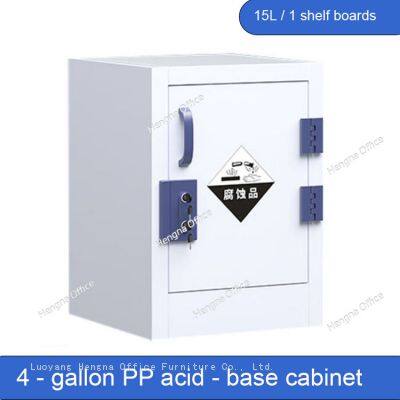
Selecting the right Polypropylene (PP) Chemical Storage Cabinet for your industrial workshop is a critical decision that impacts worker safety, operational efficiency, and regulatory compliance. With various options on the market, it can be challenging to identify which features truly matter for a demanding factory environment. This buyer's guide breaks down the essential factors to consider, helping you make an informed investment that protects your people, your productivity, and your facility.
Step 1: Assess Your Specific Chemical Hazards & Compliance Landscape
Before looking at cabinets, define what you need to store.
Chemical Compatibility: PP is renowned for its excellent resistance to a wide range of corrosive substances, including strong acids (like sulfuric, hydrochloric, nitric) and bases. Confirm that the cabinet's material is suitable for the specific chemicals and concentrations used in your processes.
Segregation Requirements: Never store incompatible chemicals together. A fundamental rule is to separate acids from bases in different cabinets. You may need multiple cabinets to achieve proper segregation. Using dedicated cabinets for different hazard classes is a cornerstone of safe chemical management and is often required by safety standards.
Regulatory Context: While specific certifications are not covered here, be aware of the general safety principles that regulations enforce, such as secondary containment, secure access, and proper labeling. Your cabinet choice should facilitate compliance with these principles.
Step 2: Evaluate Critical Cabinet Design & Construction Features
This is the core of your selection process. Focus on these non-negotiable features for industrial use:
1. Material Integrity & Durability:
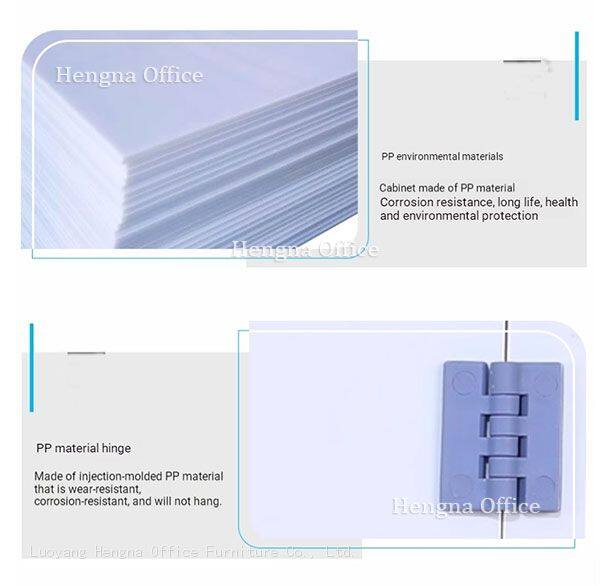
PP Thickness & Quality: The cabinet's walls, door, and shelves should be constructed from thick, virgin polypropylene. A robust construction ensures impact resistance against tools or carts and provides long-term structural stability under the weight of full chemical containers.
Full-PP Hardware: Ensure that all components exposed to the interior environment—including hinges, handles, and shelf supports—are made from PP or similarly resistant plastic. This prevents corrosion and failure, a common weakness in cabinets with metal interior fittings.
2. Leak Containment & Spill Management:
Integrated Sump Tray: The most vital safety feature. The cabinet must have a seamless, removable leak-proof sump at its base. This tray should have sufficient capacity to contain the contents of your largest stored container in case of a rupture. A removable tray is crucial for safe and efficient spill cleanup without exposing workers to chemicals inside the cabinet.
3. Security & Access Control:
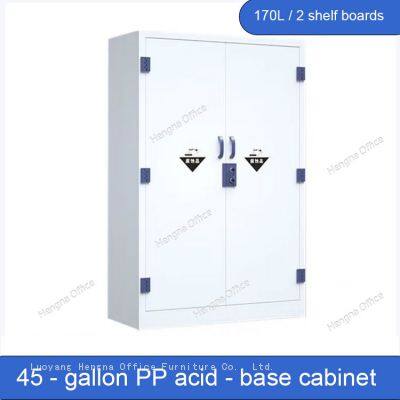
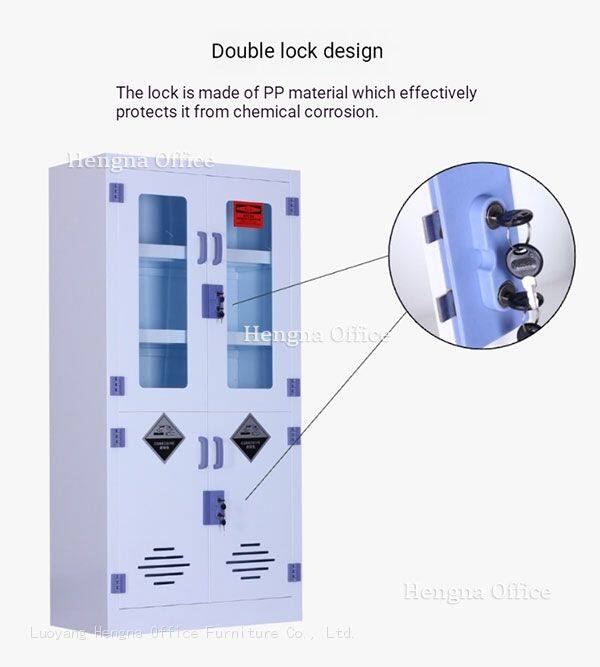
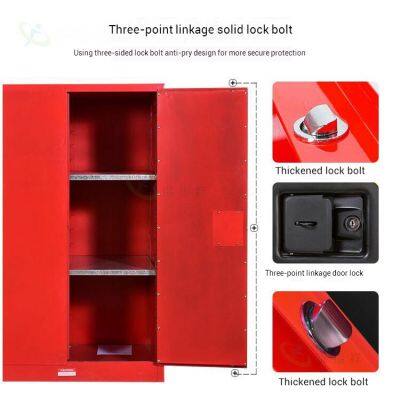
Robust Locking Mechanism: Industrial workshops require controlled access. Look for cabinets featuring a dual-lock system. This could be a central lock with a dual-point bolt and additional external hasps for padlocks. This allows for shift-key control, dual-authority access , and enhances overall security.
4. Functional Usability for Workflow:
Adjustable & Corrosion-Resistant Shelving: Shelves should be easily adjustable without tools to accommodate containers of various heights . This maximizes storage space and keeps inventory organized.
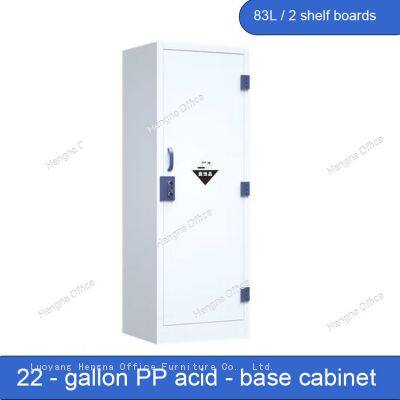
Door Configuration & Swing: Consider whether a single full-height door or top-bottom split doors best suit your space and access needs. Also, verify that the door can be hinged for left or right opening to fit your workshop layout.
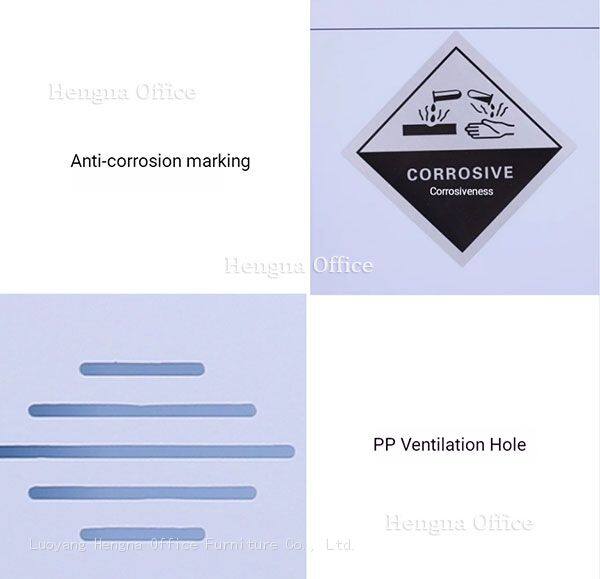
Ventilation Provisions: While passive ventilation via built-in ports is common, some applications may require connection to an exhaust system. Check if the cabinet has pre-drilled ventilation openings.
Step 3: Consider Operational & Lifecycle Factors
Think beyond the initial purchase:
Ease of Cleaning & Maintenance: A smooth, non-porous interior surface and a removable spill tray make decontamination and routine cleaning simpler, safer, and less disruptive to operations.
Footprint & Workspace Integration: Measure your available space. Consider the cabinet's dimensions to ensure it fits while allowing adequate clearance for door swing and worker access. A stable design with leveling feet is important for uneven floors.
Supplier Reputation & Support: Choose a supplier that provides clear specifications, understands industrial needs, and can offer guidance.
Industrial Buyer's Checklist: PP Chemical Cabinet
Use this checklist to compare different models:
Construction: 5mm+ thick virgin PP walls, door, and shelves.
Hardware: Full PP or non-metallic hinges, handles, and internal fittings.
Leak Containment: Removable, seamless PP sump tray with adequate capacity.
Security: Secure double-lock system .
Interior Flexibility: Adjustable shelves for customizable storage.
Access: Door style (single/split) and swing (left/right) options to suit layout.
Safety Features: Prominent hazard warning labels, sturdy construction.
Usability: Smooth interior for easy cleaning, stable base.
Investing in Long-Term Safety & Efficiency
Selecting the best PP Chemical Storage Cabinet is an investment in your workshop's core safety infrastructure. By systematically evaluating your chemical hazards and demanding cabinets that excel in material durability, fail-safe leak containment, controlled access, and workflow-friendly design, you secure a solution that not only mitigates risk but also supports smooth, efficient, and compliant industrial operations. Don't compromise on the features that provide daily protection for your team and your business.
Recently Posted
-
How to Choose ESD Workbenches for Bulk Order: A Procurement Guide to Quality, MOQ and Lead Time
April 20, 2026Buying one ESD workbench is simple. You find a supplier, pay the invoice, receive the unit, plug it in.Buying 50 — or 500 — is a d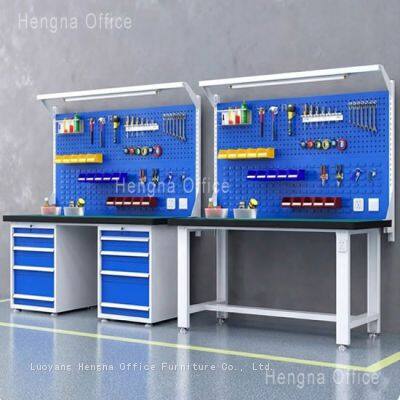 Read More
 -
ESD Workstation Audit Checklist: What Inspectors Actually Look For in Labs and Electronics Manufactu
April 20, 2026If your ESD workstation fails an audit, the consequences go beyond a failed inspection report. It means your production line stops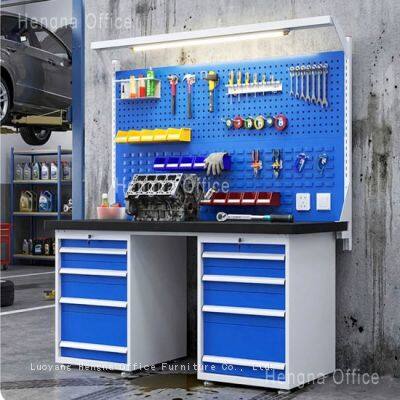 Read More
 -
Why Your ESD Workstation Keeps Failing: Root Causes and Practical Fixes for Industrial Settings
April 20, 2026ESD workstations are supposed to eliminate static discharge risk in sensitive manufacturing environments. But if your equipment ke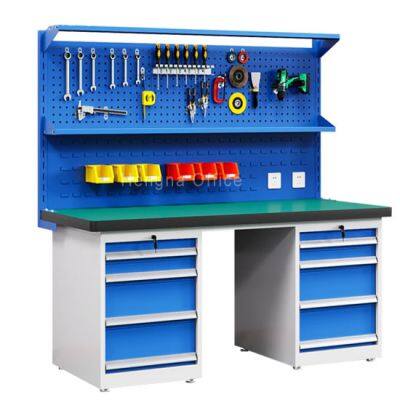 Read More
 -
What to Look for When Buying Chinese Herb Cabinets in Bulk: A Procurement Checklist
April 18, 2026Bulk Buying Is More Than Just Ordering More UnitsBuying one cabinet and buying twenty are completely different processes.Single-un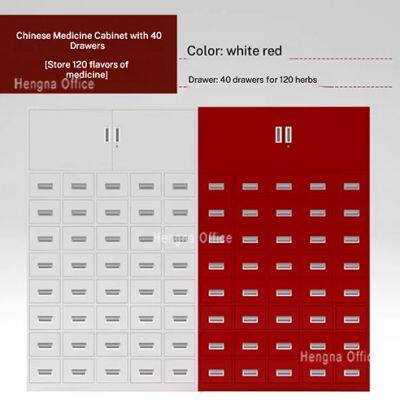 Read More

Contact Us
Recommended Products
-
 Industrial-Grade ABS Plastic Locker for Factory Staff and Warehouse Workers|Hengna OfficeUS$ 19 - 100MOQ: 5 Sets
 -
Outdoor ABS Locker Cabinet – UV-Resistant Plastic Storage for Poolside or Beach Resorts-Hengna OfficeUS$ 19 - 100MOQ: 5 Sets
-
45 Gallon Explosion-Proof Flammable Liquid Storage Cabinet – Fire-Resistant Steel Safety Cabinet for FactoriesUS$ 68 - 400MOQ: 2 Combos
-
Flammable Storage Cabinet for Flammable Liquids – OSHA Certified Safety Cabinet With Fireproof Double WallsUS$ 68 - 400MOQ: 2 Combos
-
Large Capacity Flammable Liquid Storage Cabinet – Explosion-Proof Safety Cabinet for Laboratory & Workshop UseUS$ 68 - 400MOQ: 2 Combos
-
Heavy Duty Steel Tool Cart With Drawers for Workshops|Hengna OfficeUS$ 99 - 269MOQ: 2 Cases
-
Wholesale 3-Drawer Tool Trolley With Wheels for Factory and Garage StorageUS$ 99 - 269MOQ: 2 Cases
-
HN-wlj160 Industrial Rolling Tool Organizer With Pegboard|All-in-One Mobile Tool Storage CartUS$ 5 - 120MOQ: 2 Cases
-
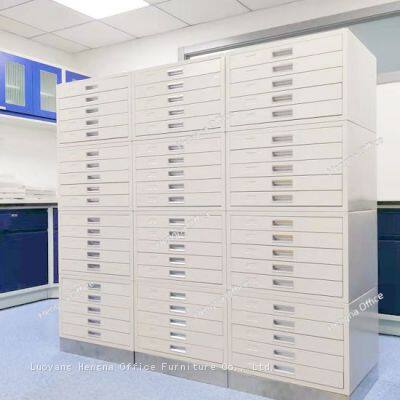
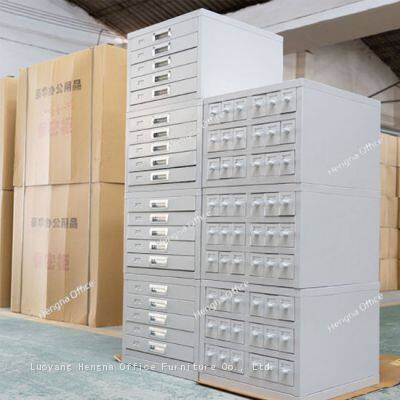
White Stackable Pathology Wax Block Storage Drawers for Labs Near London-Hengna OfficeNegotiableMOQ: 10 Pieces
-
Custom Paraffin Block Storage Cabinet for Histology Laboratories – Factory Direct From Hengna FurnitureNegotiableMOQ: 10 Pieces
-
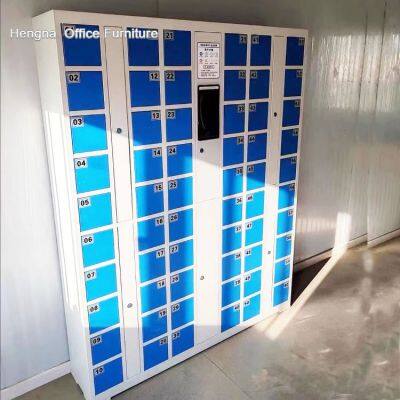
Smart Phone Charging Locker 40-door|Fingerprint Lockers Intelligent Parcel Delivery CabinetUS$ 203 - 750MOQ: 15 Pieces
-
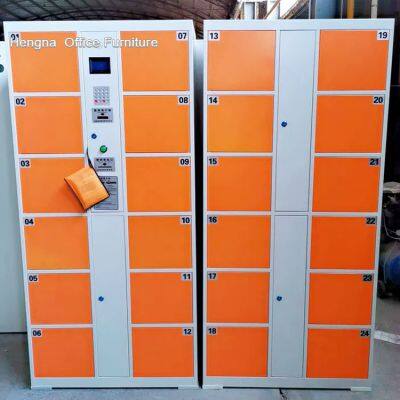
School Gym Lockers Price |Parcel Delivery Storage Locker 12-door FactoryUS$ 203 - 750MOQ: 15 Pieces
-
Multi Metal Work Benches Electrical Workshop Workbench|US$ 300 - 800MOQ: 2 Cases
-
Commercial Workbench Supplier |Multi Metal Work Bench With Drawers OMDUS$ 300 - 800MOQ: 2 Cases
-
Pathological Ection Cabinet JTGZ062 Wax Block Cabinet for LaboratoryNegotiableMOQ: 10 Pieces
-
Durable Tool Storage in Factory HNGJ703 Hard Wearing Metal Industrial Tool ChestNegotiableMOQ: 18 Pieces
-
High - Quality CNC Workshop Tool Cabinet Heavyweight Workshop Tool OrganizerNegotiableMOQ: 10 Pieces
-
Laboratory Polyethylene Acid and Corrosive Chemicals Safety Storage PP CabinetUS$ 340 - 600MOQ: 5 Combos
-
22 Gallons /80 L PP Acid - Base Cabinet: Safeguard Chemical Storage Supplier OEMUS$ 500 - 600MOQ: 5 Combos
-
4 - Gallon Corrosion-resistant Safety Cabinet for Hazardous Chemicals Acid SupplierUS$ 340 - 500MOQ: 5 Combos