
 Business License

Weight Capacity Decoded: What 150kg Really Means for Your Ladder Safety.
The Most Important Number You're Probably Misunderstanding
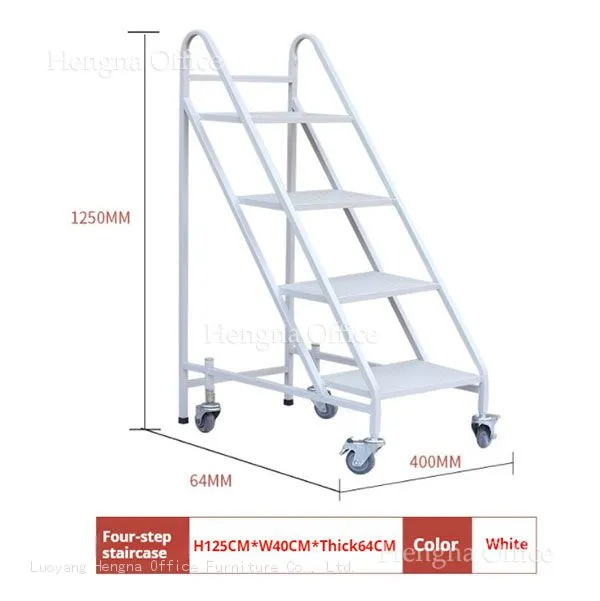
When shopping for a rolling library ladder, you'll see a spec called "Max Weight Capacity" or "Safe Working Load (SWL)." For a high-quality metal ladder, this is often 150kg (approximately 330 pounds). It's easy to glance at this and think, "I weigh 80kg, so it's fine," and move on. But this underestimates the critical role this number plays in your long-term safety and the ladder's durability. Let's decode what 150kg truly represents.
It's NOT Just About Your Body Weight
This is the most common misconception. The weight capacity is not a simple passenger limit like an elevator. It's the maximum total dynamic load the ladder is engineered to safely support during use. This includes:
Your Static Weight + Dynamic Force + What You're Carrying + A Safety Margin
Let's break that down:
Your Weight: The base factor (e.g., 80kg).
Dynamic Force: When you climb, you exert more force than your static weight. Stepping up, shifting, or reaching adds 25-50% more load on the rungs and frame at any given moment.
The Load in Your Hands: Are you retrieving a heavy tome? A box of files? A kitchen appliance? Add 5kg, 10kg, or 15kg.
The Engineering Safety Margin: A reputable manufacturer builds in a safety buffer above the stated SWL. A 150kg SWL ladder likely won't fail until well over 200kg, but the 150kg limit ensures it operates with zero excessive stress or flex over its entire lifespan.
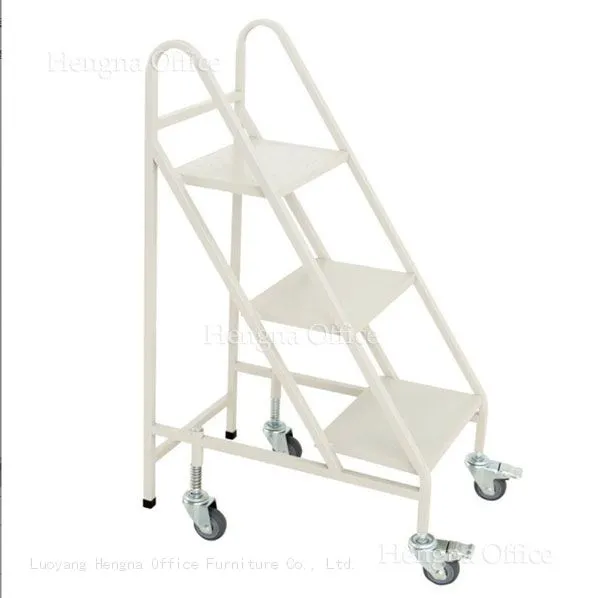
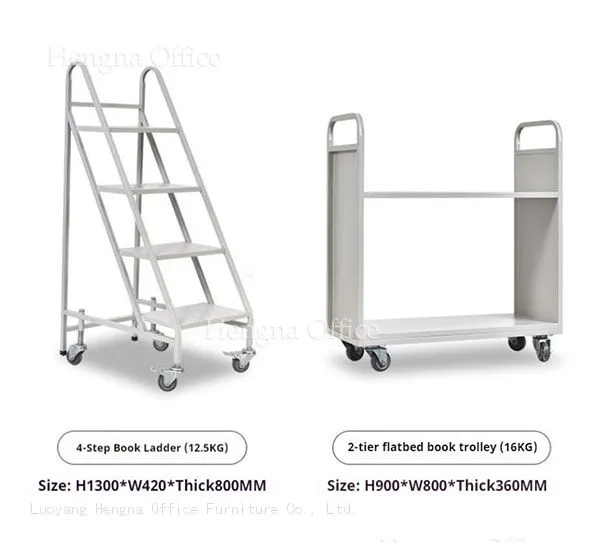
The Consequences of Ignoring Weight Capacity
Choosing a ladder with a lower, unspecified, or dubious weight rating risks:
Structural Flex and Sway: Creates a feeling of instability and fear while climbing.
Premature Fatigue: Metal under constant excessive stress can develop micro-fractures over time.
Catastrophic Failure: In the worst case, a weld could fail or a component could buckle.
Why Our Metal Ladders Are Rated at 150kg (and What Goes Into That)
Our Heavy Duty Metal Book Ladders don't just pick a nice-sounding number. The 150kg SWL is the result of:
Material Science: Using high-grade structural steel tubing of a specific thickness and diameter.
Engineering Design: Calculating stress points at every weld (like where the rung meets the side rail) and reinforcing them.
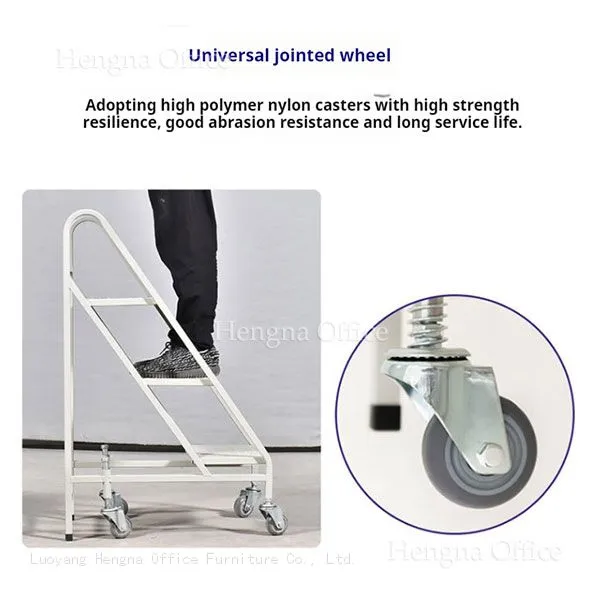
Component Integrity: Sourcing commercial-grade locking casters each rated for a high load, so the wheels aren't the weak link.
Rigorous Testing: Simulating years of use with weights exceeding the SWL to ensure no deformation or weakness develops.
A Simple Analogy: The Chair Test
Think of a cheap plastic lawn chair (low weight capacity) vs. a solid oak dining chair (high weight capacity). You can sit on both, but the experience differs vastly. Now, imagine leaning back, shifting side-to-side, or holding a child—the need for a robust design becomes clear. A ladder is the same; you need a reserve of strength for the dynamics of real-world use.
Who Especially Needs to Heed This Warning?
Commercial Users (Bookstores, Libraries): With multiple employees of varying sizes using it daily, often while carrying inventory.
Homeowners with Extensive Collections: A true bibliophile might climb with several heavy books at once.
Anyone in a Busy Household: The ladder might be used by the largest person in the home, carrying the heaviest item.
The Takeaway: An Investment in Peace of Mind
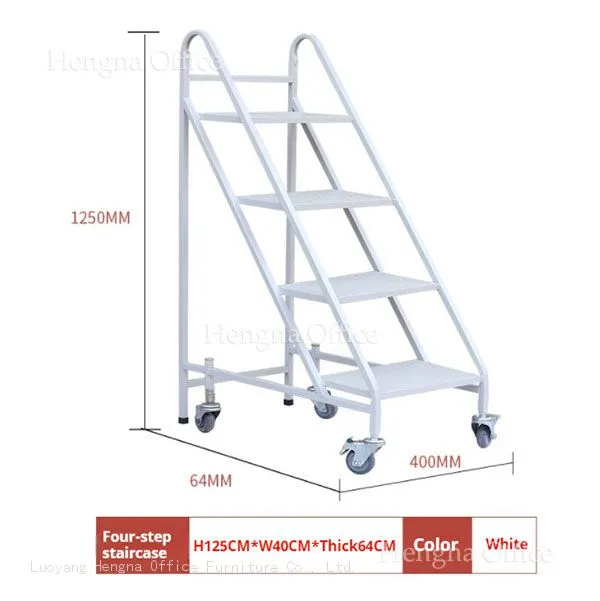
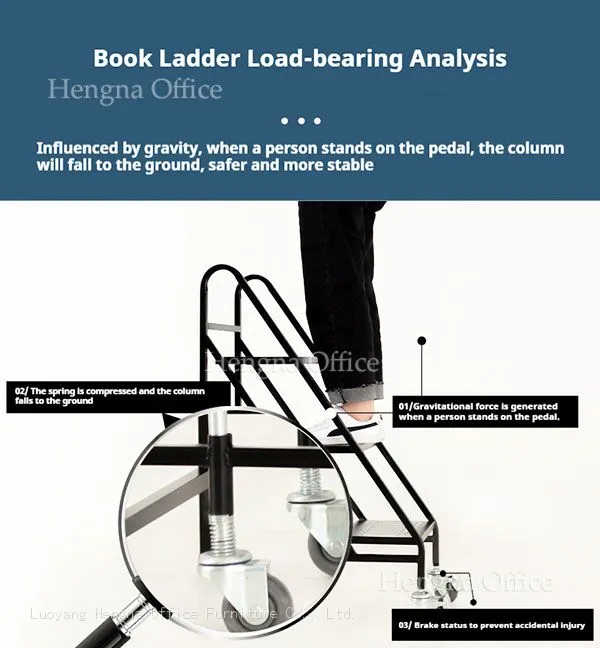
The 150kg weight capacity on a professional metal ladder is a promise. It's a promise that the ladder is over-engineered for your typical use, providing a rock-solid, zero-flex experience. It ensures the product will last for decades without degrading. When you see that spec on a Luoyang Hengna ladder, know that it's backed by honest materials and rigorous engineering.
Don't just buy a ladder that might hold you. Invest in a tool engineered to hold you, your dynamic movement, and your possessions with an immense margin of safety.
Choose confidence. Choose a ladder built to real engineering standards. [Explore our safety-rated rolling ladders] and feel the difference true strength makes.

Recently Posted
-
Stainless Steel Shelving for Breweries and Wineries — What Survives Humidity, Alcohol Spills
July 24, 2026Stainless Steel Shelving for Breweries and Wineries — What Survives Humidity, Alcohol Spills, and Sanitizer Washdowns Three t Read More
 -
Stainless Steel Shelving for Meat Processing Plants — What Holds Up Against Blood, Fat, and Daily Wa
July 24, 2026Meat plants are brutal on shelvingIf you work in a meat processing plant, you already know this. The rack that looked fine s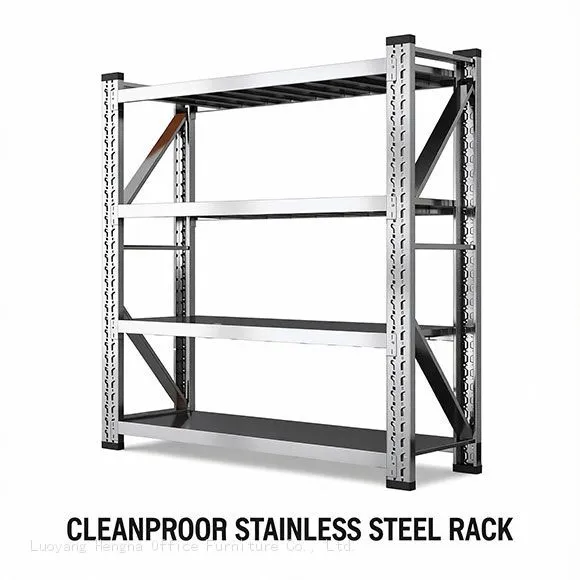 Read More
 -
0.6mm Steel Wardrobe vs 0.4mm — Why Cold-Rolled Single Door Metal Closet Lasts Longer
July 10, 2026The 0.2mm That Decides Whether You Buy One Wardrobe or ThreeTwo wardrobes look identical on a supplier's photo. Same door, sam Read More
 -
Heavy Duty Tool Cabinet with Locks for School Shop: Stop Tool Theft Before It Happens
July 9, 2026A vocational school workshop isn't like a factory floor. The tools aren't being used by seasoned machinists who know where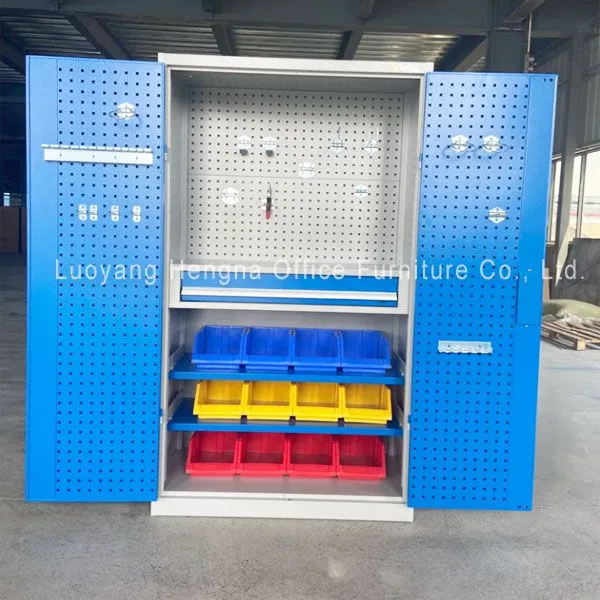 Read More

Contact Us
Recommended Products
-
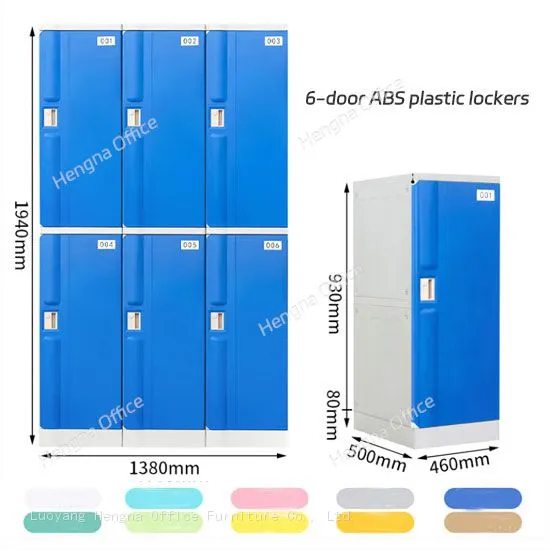
 Industrial-Grade ABS Plastic Locker for Factory Staff and Warehouse Workers|Hengna OfficeUS$ 19 - 100MOQ: 5 Sets
 -
Outdoor ABS Locker Cabinet – UV-Resistant Plastic Storage for Poolside or Beach Resorts-Hengna OfficeUS$ 19 - 100MOQ: 5 Sets
-
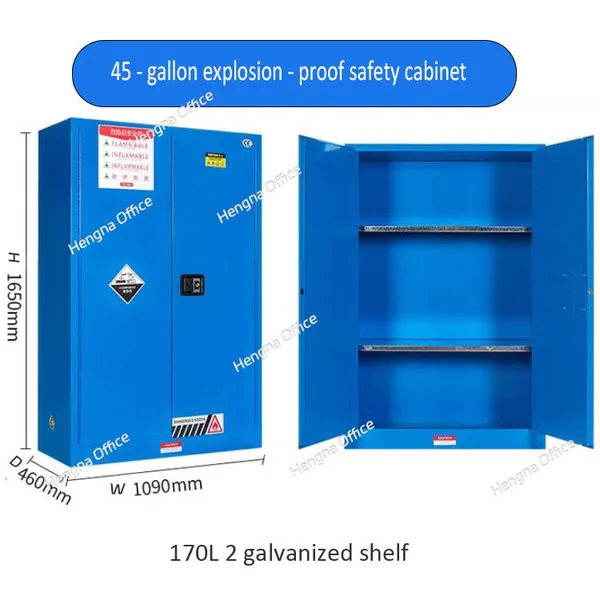
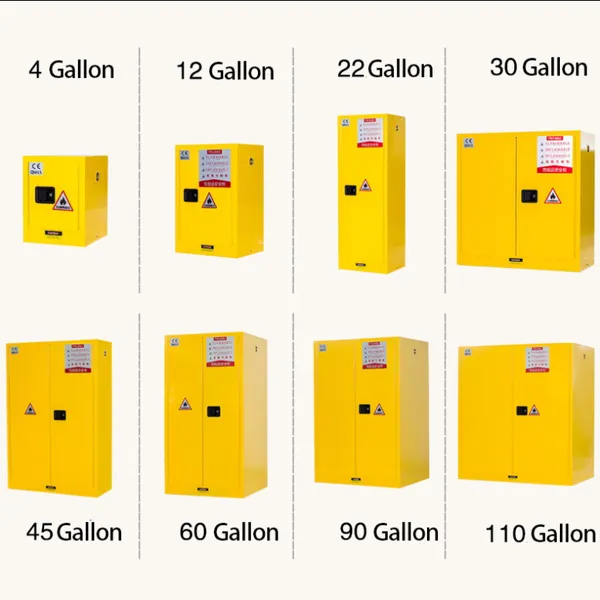
45 Gallon Explosion-Proof Flammable Liquid Storage Cabinet – Fire-Resistant Steel Safety Cabinet for FactoriesUS$ 68 - 400MOQ: 2 Combos
-
Flammable Storage Cabinet for Flammable Liquids – OSHA Certified Safety Cabinet With Fireproof Double WallsUS$ 68 - 400MOQ: 2 Combos
-
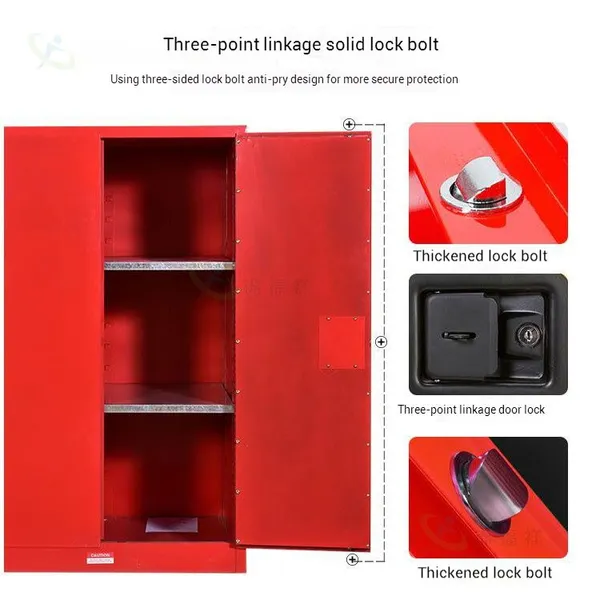
Large Capacity Flammable Liquid Storage Cabinet – Explosion-Proof Safety Cabinet for Laboratory & Workshop UseUS$ 68 - 400MOQ: 2 Combos

-
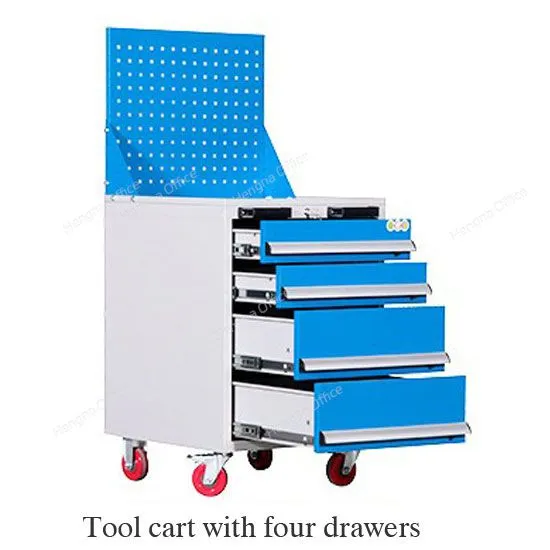
Heavy Duty Steel Tool Cart With Drawers for Workshops|Hengna OfficeUS$ 99 - 269MOQ: 2 Cases
-
Wholesale 3-Drawer Tool Trolley With Wheels for Factory and Garage StorageUS$ 99 - 269MOQ: 2 Cases
-
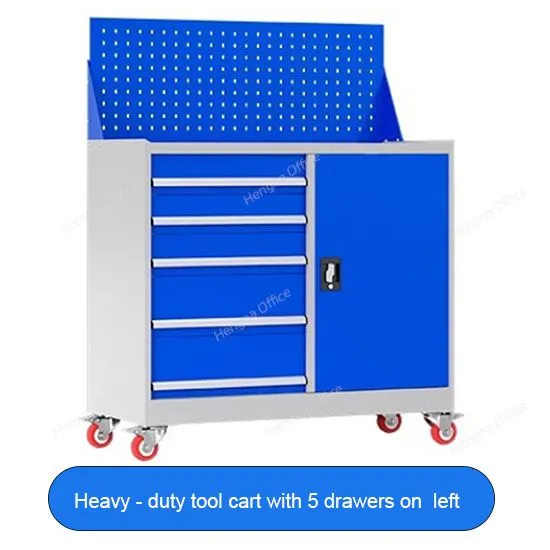
HN-wlj160 Industrial Rolling Tool Organizer With Pegboard|All-in-One Mobile Tool Storage CartUS$ 5 - 120MOQ: 2 Cases
-
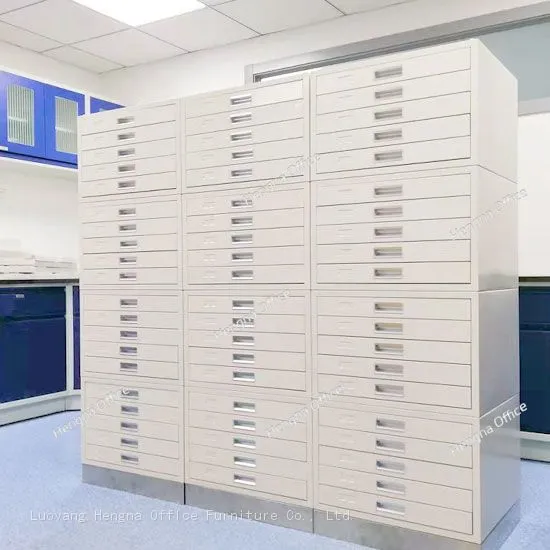
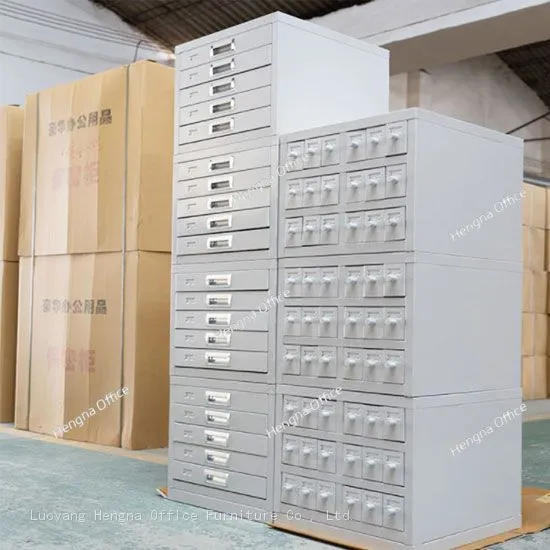
White Stackable Pathology Wax Block Storage Drawers for Labs Near London-Hengna OfficeNegotiableMOQ: 10 Pieces
-
Custom Paraffin Block Storage Cabinet for Histology Laboratories – Factory Direct From Hengna FurnitureNegotiableMOQ: 10 Pieces
-
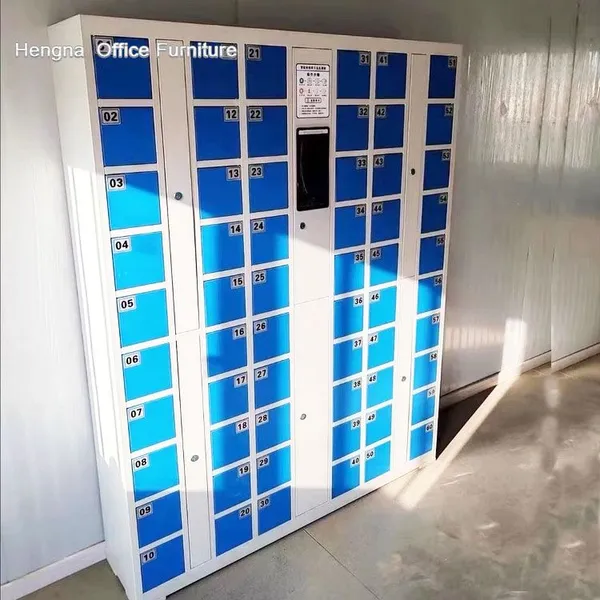
Smart Phone Charging Locker 40-door|Fingerprint Lockers Intelligent Parcel Delivery CabinetUS$ 203 - 750MOQ: 15 Pieces
-
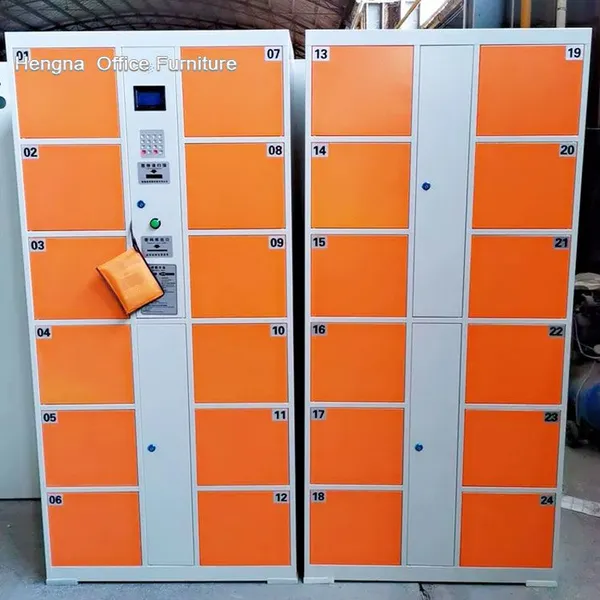
School Gym Lockers Price |Parcel Delivery Storage Locker 12-door FactoryUS$ 203 - 750MOQ: 15 Pieces
-
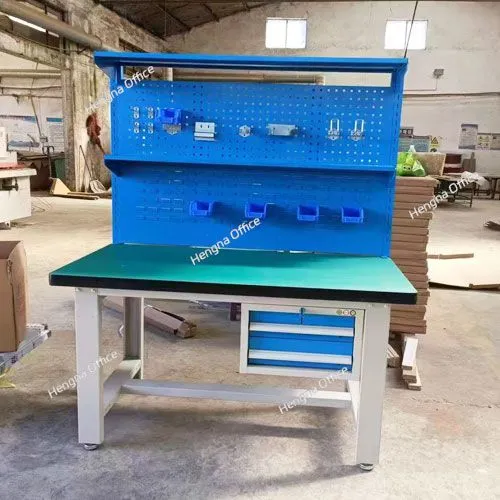
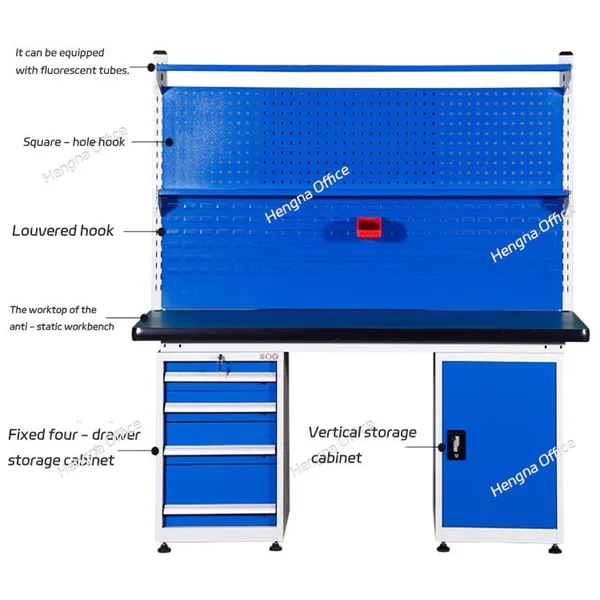
Multi Metal Work Benches Electrical Workshop Workbench|US$ 300 - 800MOQ: 2 Cases
-
Commercial Workbench Supplier |Multi Metal Work Bench With Drawers OMDUS$ 300 - 800MOQ: 2 Cases
-
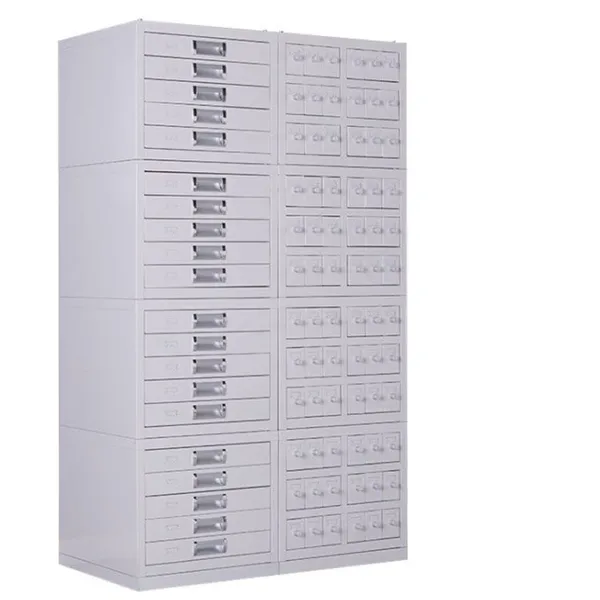
Pathological Ection Cabinet JTGZ062 Wax Block Cabinet for LaboratoryNegotiableMOQ: 10 Pieces
-
Durable Tool Storage in Factory HNGJ703 Hard Wearing Metal Industrial Tool ChestNegotiableMOQ: 18 Pieces
-
High - Quality CNC Workshop Tool Cabinet Heavyweight Workshop Tool OrganizerNegotiableMOQ: 10 Pieces
-
Laboratory Polyethylene Acid and Corrosive Chemicals Safety Storage PP CabinetUS$ 340 - 600MOQ: 5 Combos
-
22 Gallons /80 L PP Acid - Base Cabinet: Safeguard Chemical Storage Supplier OEMUS$ 500 - 600MOQ: 5 Combos
-
4 - Gallon Corrosion-resistant Safety Cabinet for Hazardous Chemicals Acid SupplierUS$ 340 - 500MOQ: 5 Combos