
 Business License

The Anti-Tip Safety Feature You Need: How Interlocking Card Cabinet Drawers Protect Your Workplace.
Imagine a typical Thursday afternoon. An employee needs a file from a tall, fully-loaded card cabinet. They pull a drawer all the way out, its weight leaning forward. As they search, a colleague walks by, bumps their hip against the extended drawer, or perhaps the employee themselves leans on it for balance. In a horrifying split second, the entire cabinet—weighing hundreds of pounds—pivots forward. The sound is deafening. The immediate danger of crushing injury is severe. But the aftermath is a different kind of catastrophe: confidential client records, irreplaceable project files, and sensitive data are strewn across the floor, physically destroyed and exposed.
This is not a dramatization. It is a documented, preventable workplace hazard. Traditional filing cabinets are deceptively dangerous. Their stability relies entirely on a passive, low center of gravity. When a loaded drawer is extended, it acts as a lever, shifting the cabinet’s balance point beyond its front feet. The only thing preventing a tip-over is often luck or an underutilized aftermarket strap.
This is why the mechanical interlocking anti-tip system is not merely a feature; it is a fundamental re-engineering of cabinet safety. It moves risk mitigation from a passive policy (hoping users are careful) to an active, engineered solution (making the hazard physically impossible). This is the critical safety feature modern workplaces can no longer afford to overlook.
How the Hazard Works: The Simple Physics of a Falling Cabinet
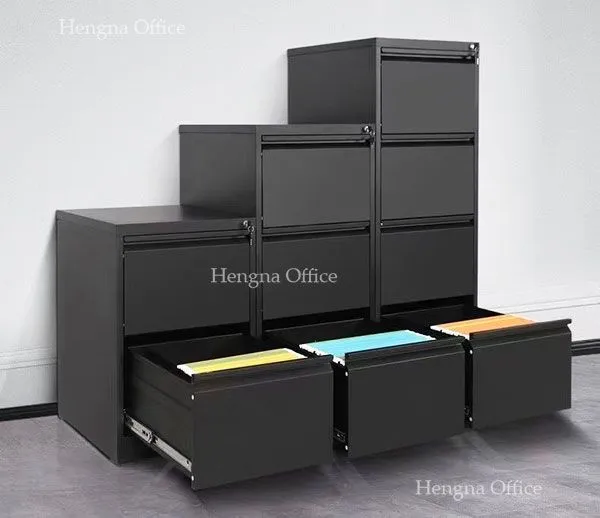
The risk escalates with vertical, multi-drawer cabinets designed for density. Each drawer can hold significant weight (our cabinets hold 38kg/84lbs per drawer). When extended, this weight is cantilevered out in front of the cabinet's base.
One open drawer: Creates a precarious balance.
Two open drawers: Creates a nearly guaranteed tip-over scenario.
Standard cabinets offer no barrier to this second action. A moment of distraction, a rush, or a simple misunderstanding between two colleagues can create the exact conditions for disaster.
The Engineered Solution: The Interlocking Mechanism Explained
The interlocking system is brilliantly simple and purely mechanical—no electronics, no sensors, no required user action.
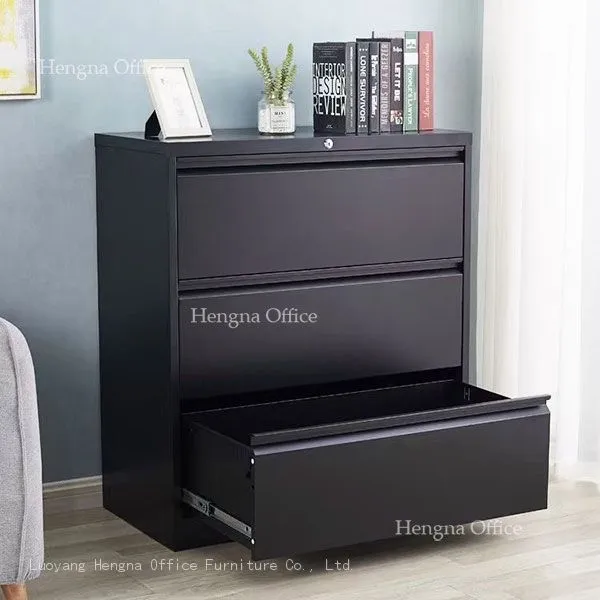
Here is how it functions: Inside the cabinet frame, a solid steel bar is connected to the sliding mechanism of every drawer. When any single drawer is opened to its full extension, this bar automatically engages into a locked position across the frame. In this locked state, it physically blocks the release mechanism of every other drawer in the unit.
The result is absolute: It becomes mechanically impossible to open a second drawer more than an inch or two while one is fully out. The dangerous condition of multiple extended drawers—the primary cause of tipping—simply cannot be created. Safety is enforced by the design of the cabinet itself, not by a memo, a training seminar, or a sticker on the side.
Why This Matters Beyond the Obvious: Protecting More Than People
Preventing injury is the paramount, non-negotiable benefit. However, the interlocking mechanism protects your business on multiple other critical levels:
Data Security and Integrity: A tip-over is a physical data breach. Confidential employee files, financial records, proprietary designs, or private client information are spilled into public view, often damaged beyond repair. The interlock safeguards the physical security of your information assets.
Business Continuity: The loss of critical, organized paper records—even for a day—can halt processes, delay projects, and create significant operational cost. This system ensures your vital information remains structured and accessible.
Risk Management and Liability Mitigation: By implementing furniture with engineered safety features, you actively demonstrate due diligence in providing a safe workplace. This is a tangible step in risk management that can positively impact insurance and liability considerations.
Where This Safety Feature is Non-Negotiable:
Certain environments have zero tolerance for this type of hazard:
Legal and Financial Firms: Where active case files and client portfolios are dense, heavy, and constantly accessed.
Healthcare Administration: Where patient record carts or stationary filing units in busy offices must be absolutely stable.
Human Resources Departments: Which manage heavy, confidential personnel files in areas with employee traffic.
Educational Institutions: In administrative offices or libraries where staff and students interact with storage furniture.
Any Open-Plan or High-Traffic Office: Where movement, collaboration, and occasional bumps are part of daily life.
An Investment in Absolute Prevention
Choosing a cabinet with an integrated anti-tip interlock is a definitive decision to eliminate a known hazard at its root cause. It is the difference between hoping an accident won’t happen and engineering your workplace so that it cannot happen.
This feature transforms the cabinet from a simple storage container into a responsible, intelligent piece of workplace infrastructure. It provides peace of mind, knowing that your team is protected and your critical data is secured against a sudden, devastating physical collapse. In the calculus of workplace safety, some risks are too great to manage with policy alone—they must be designed out of existence.
Don't wait for a near-miss to justify the upgrade. Proactively protect your people and your information. Contact us today to learn more about our cabinets with fail-safe interlocking mechanisms and request a specification sheet detailing this critical safety engineering.

Recently Posted
-
Stainless Steel Shelving for Breweries and Wineries — What Survives Humidity, Alcohol Spills
July 24, 2026Stainless Steel Shelving for Breweries and Wineries — What Survives Humidity, Alcohol Spills, and Sanitizer Washdowns Three t Read More
 -
Stainless Steel Shelving for Meat Processing Plants — What Holds Up Against Blood, Fat, and Daily Wa
July 24, 2026Meat plants are brutal on shelvingIf you work in a meat processing plant, you already know this. The rack that looked fine s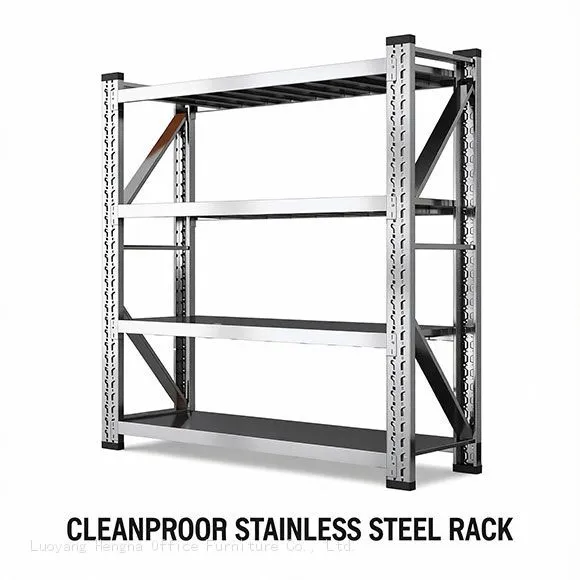 Read More
 -
0.6mm Steel Wardrobe vs 0.4mm — Why Cold-Rolled Single Door Metal Closet Lasts Longer
July 10, 2026The 0.2mm That Decides Whether You Buy One Wardrobe or ThreeTwo wardrobes look identical on a supplier's photo. Same door, sam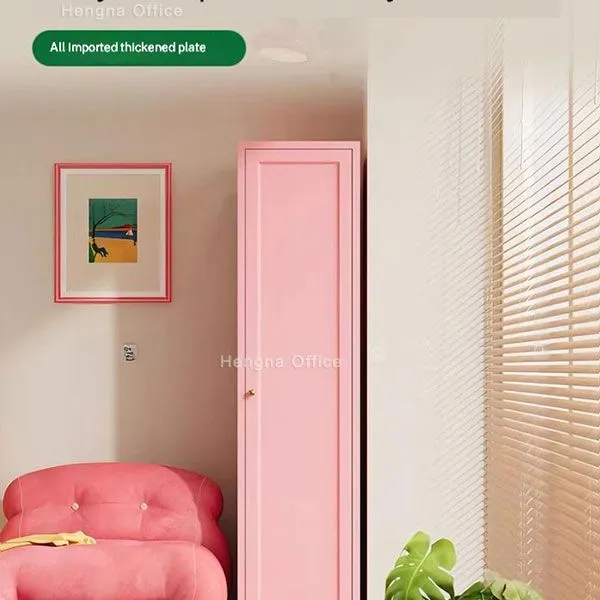 Read More
 -
Heavy Duty Tool Cabinet with Locks for School Shop: Stop Tool Theft Before It Happens
July 9, 2026A vocational school workshop isn't like a factory floor. The tools aren't being used by seasoned machinists who know where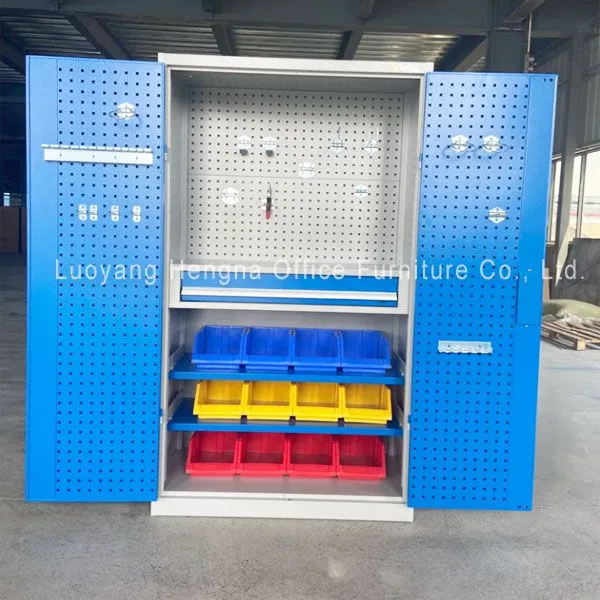 Read More

Contact Us
Recommended Products
-
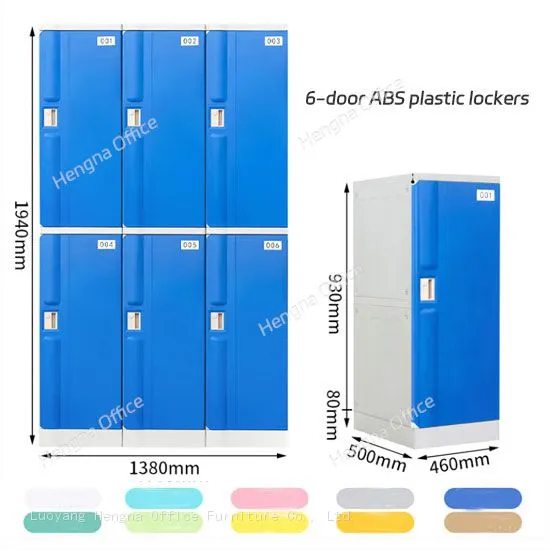
 Industrial-Grade ABS Plastic Locker for Factory Staff and Warehouse Workers|Hengna OfficeUS$ 19 - 100MOQ: 5 Sets
 -
Outdoor ABS Locker Cabinet – UV-Resistant Plastic Storage for Poolside or Beach Resorts-Hengna OfficeUS$ 19 - 100MOQ: 5 Sets
-
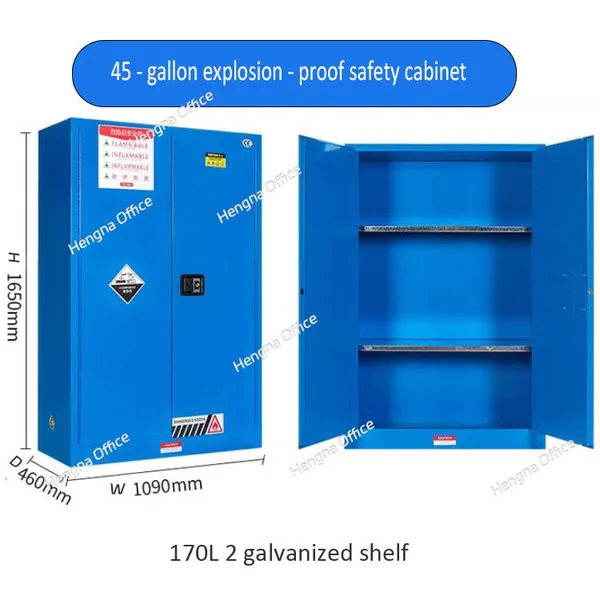
45 Gallon Explosion-Proof Flammable Liquid Storage Cabinet – Fire-Resistant Steel Safety Cabinet for FactoriesUS$ 68 - 400MOQ: 2 Combos
-
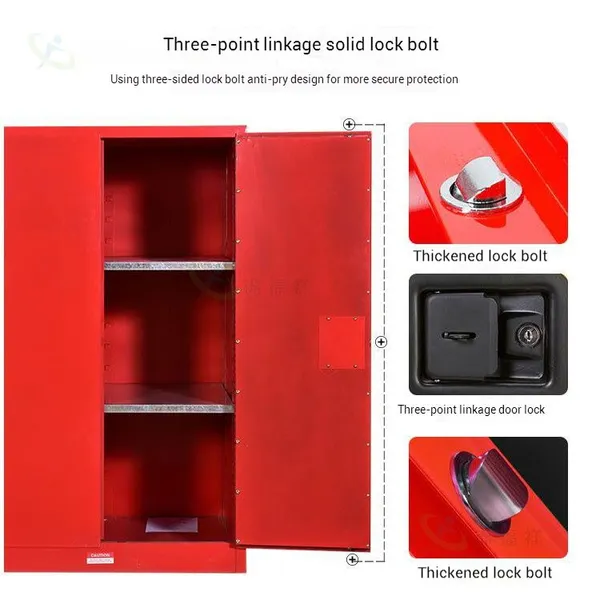
Flammable Storage Cabinet for Flammable Liquids – OSHA Certified Safety Cabinet With Fireproof Double WallsUS$ 68 - 400MOQ: 2 Combos
-
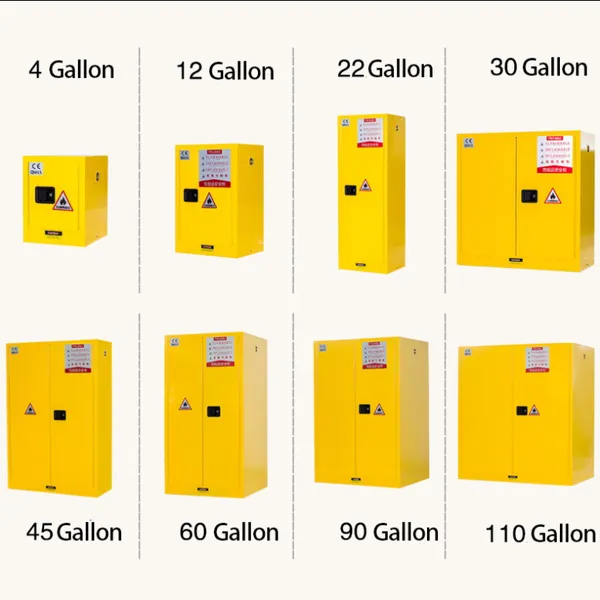
Large Capacity Flammable Liquid Storage Cabinet – Explosion-Proof Safety Cabinet for Laboratory & Workshop UseUS$ 68 - 400MOQ: 2 Combos

-
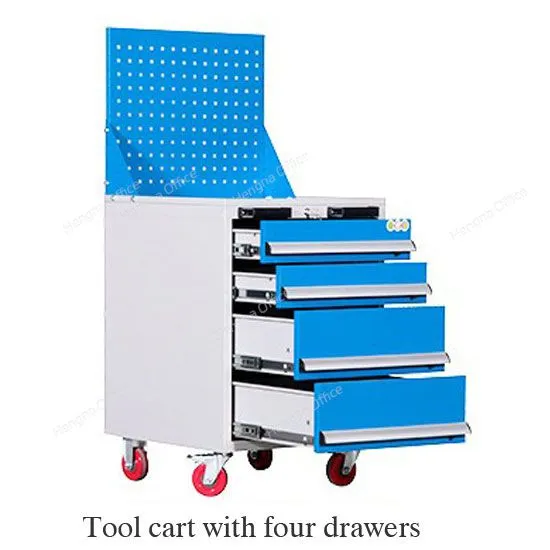
Heavy Duty Steel Tool Cart With Drawers for Workshops|Hengna OfficeUS$ 99 - 269MOQ: 2 Cases
-
Wholesale 3-Drawer Tool Trolley With Wheels for Factory and Garage StorageUS$ 99 - 269MOQ: 2 Cases
-
HN-wlj160 Industrial Rolling Tool Organizer With Pegboard|All-in-One Mobile Tool Storage CartUS$ 5 - 120MOQ: 2 Cases
-
White Stackable Pathology Wax Block Storage Drawers for Labs Near London-Hengna OfficeNegotiableMOQ: 10 Pieces
-
Custom Paraffin Block Storage Cabinet for Histology Laboratories – Factory Direct From Hengna FurnitureNegotiableMOQ: 10 Pieces
-
Smart Phone Charging Locker 40-door|Fingerprint Lockers Intelligent Parcel Delivery CabinetUS$ 203 - 750MOQ: 15 Pieces
-
School Gym Lockers Price |Parcel Delivery Storage Locker 12-door FactoryUS$ 203 - 750MOQ: 15 Pieces
-
Multi Metal Work Benches Electrical Workshop Workbench|US$ 300 - 800MOQ: 2 Cases
-
Commercial Workbench Supplier |Multi Metal Work Bench With Drawers OMDUS$ 300 - 800MOQ: 2 Cases
-
Pathological Ection Cabinet JTGZ062 Wax Block Cabinet for LaboratoryNegotiableMOQ: 10 Pieces
-
Durable Tool Storage in Factory HNGJ703 Hard Wearing Metal Industrial Tool ChestNegotiableMOQ: 18 Pieces
-
High - Quality CNC Workshop Tool Cabinet Heavyweight Workshop Tool OrganizerNegotiableMOQ: 10 Pieces
-
Laboratory Polyethylene Acid and Corrosive Chemicals Safety Storage PP CabinetUS$ 340 - 600MOQ: 5 Combos
-
22 Gallons /80 L PP Acid - Base Cabinet: Safeguard Chemical Storage Supplier OEMUS$ 500 - 600MOQ: 5 Combos
-
4 - Gallon Corrosion-resistant Safety Cabinet for Hazardous Chemicals Acid SupplierUS$ 340 - 500MOQ: 5 Combos