
 Business License

Maintenance Guide: Extending the Life of Stainless Steel Water Bottle Storage
Comprehensive Care Strategies for Long-Lasting Storage Solutions
Stainless steel water bottle storage systems represent significant investments for commercial facilities, educational institutions, and fitness centers. Proper maintenance not only protects this investment but also ensures optimal performance, hygiene standards, and aesthetic appeal throughout the product’s extended service life. This comprehensive maintenance guide provides detailed strategies for extending the life of your stainless steel storage solutions while maximizing their functional and economic value.

Understanding Stainless Steel Properties and Maintenance Requirements
Material Science Fundamentals
304 stainless steel—the industry standard for water bottle storage—contains specific alloy compositions that provide exceptional corrosion resistance and durability. Understanding these material properties is essential for implementing effective maintenance protocols.
Key Material Characteristics:
Chromium Content: 18% minimum creates protective oxide layer
Nickel Content: 8% minimum enhances corrosion resistance
Non-Porous Surface: Prevents bacterial penetration and facilitates cleaning
Self-Healing Properties: Passive oxide layer reforms after minor damage
Temperature Tolerance: Performs consistently across diverse environmental conditions
Common Maintenance Challenges
Stainless steel water bottle storage faces specific environmental and usage challenges that require targeted maintenance approaches.
Maintenance Challenge Analysis:
Environmental Exposure: Humidity, temperature fluctuations, chemical contact
Usage Patterns: High-frequency access, mechanical stress, accidental impacts
Cleaning Chemical Interactions: Potential damage from inappropriate cleaning agents
Biological Growth: Bacterial colonization in moist environments
Physical Damage: Scratches, dents, and structural stress points
Daily Maintenance Procedures
Routine Cleaning Protocols
Effective daily maintenance establishes the foundation for long-term stainless steel preservation and optimal hygiene standards.
Essential Daily Tasks:
Surface Wiping: Use microfiber cloths with pH-neutral cleaners for exterior surfaces
Spill Management: Immediate cleanup of liquids to prevent staining and corrosion
Compartment Inspection: Visual assessment for debris or contamination
Hardware Check: Verify lock mechanisms and hinges operate smoothly
Documentation: Record daily maintenance activities for compliance tracking
Recommended Cleaning Solutions:
pH-Neutral Detergents: Commercial-grade cleaners specifically formulated for stainless steel
Distilled Water: Prevents mineral deposits from tap water
Microfiber Cloths: Non-abrasive material prevents surface scratching
Soft Brushes: For detailed cleaning of corners and crevices
Protective Coatings: Optional application of stainless steel protectants
User Education and Engagement
Maintenance effectiveness depends significantly on proper user behavior and engagement with care protocols.
User Training Components:
Proper Usage Guidelines: Correct opening/closing procedures to prevent damage
Spill Reporting: Immediate notification of liquid spills or contamination
Gentle Handling: Techniques to minimize mechanical stress and impact damage
Cleaning Responsibility: User accountability for personal storage compartments
Damage Reporting: Prompt notification of maintenance issues or concerns
Weekly Deep Cleaning Protocols

Comprehensive Sanitization Procedures
Weekly deep cleaning addresses accumulated contaminants and maintains optimal hygiene standards for water bottle storage systems.
Deep Cleaning Process:
Empty Compartments: Remove all contents for thorough access
Surface Preparation: Initial wipe-down to remove loose debris
Cleaning Solution Application: Apply appropriate stainless steel cleaner
Detail Brushing: Use soft brushes for detailed cleaning
Rinse and Dry: Thorough drying prevents water spots and corrosion
Hardware Maintenance: Lubricate moving parts and check tightness
Inspection: Assess for damage or wear requiring attention
Sanitization Standards:
Temperature Requirements: Use water at appropriate temperatures for effective cleaning
Contact Time: Allow cleaning solutions to remain on surfaces for recommended duration
Rinse Procedures: Thorough removal of cleaning chemical residues
Drying Methods: Air drying or soft cloth drying to prevent water spots
Verification: Visual inspection for cleanliness and surface integrity
Monthly Maintenance and Inspection
Structural Integrity Assessment
Monthly comprehensive inspections identify potential issues before they become significant problems, ensuring continued extending the life of storage systems.
Inspection Checklist:
Surface Condition: Check for scratches, corrosion, or discoloration
Weld Integrity: Examine welded joints for separation or corrosion
Hardware Function: Test locks, hinges, and mounting hardware
Structural Stability: Verify cabinet remains level and secure
Seal Condition: Check door seals and gaskets for wear or damage
Ventilation Assessment: Ensure adequate air circulation around storage units
Preventive Maintenance Tasks
Proactive maintenance prevents common issues and extends service life significantly.
Preventive Maintenance Activities:
Hardware Tightening: Check and tighten all bolts, screws, and fasteners
Lubrication Application: Apply appropriate lubricants to moving parts
Seal Replacement: Replace worn or damaged seals and gaskets
Surface Protection: Apply protective coatings as recommended
Alignment Adjustment: Ensure doors and compartments operate smoothly
Documentation Update: Record all maintenance activities and observations
Seasonal Maintenance Considerations
Environmental Adaptation Strategies
Seasonal variations require specific maintenance approaches to address changing environmental conditions.
Spring Maintenance Focus:
Pollen Removal: Increased cleaning frequency during high pollen periods
Allergen Control: Enhanced cleaning protocols for allergy-sensitive environments
Ventilation Improvement: Address increased humidity and temperature changes
Hardware Adjustment: Compensate for temperature-related expansion/contraction
Summer Maintenance Priorities:
Humidity Management: Increased cleaning frequency in high-humidity conditions
Corrosion Prevention: Enhanced inspection for moisture-related issues
Temperature Protection: Address direct sunlight exposure and heat effects
Usage Pattern Adaptation: Adjust maintenance schedules for increased usage
Fall Maintenance Requirements:
Debris Management: Address increased leaf and organic material exposure
Temperature Transition: Prepare systems for cooler weather conditions
Ventilation Adjustment: Modify air circulation for seasonal changes
Hardware Inspection: Check for weather-related wear and tear
Winter Maintenance Considerations:
Condensation Prevention: Address moisture accumulation from temperature differentials
Freeze Protection: Prevent water damage from freezing conditions
Heating System Impact: Address dry air effects on stainless steel surfaces
Reduced Ventilation: Adjust cleaning protocols for indoor air quality changes
Troubleshooting Common Issues

Identification and Resolution Strategies
Effective troubleshooting requires systematic identification of problems and appropriate resolution techniques.
Common Issues and Solutions:
Surface Discoloration: Usually caused by improper cleaning or chemical exposure
Corrosion Spots: Often result from prolonged moisture contact or chemical damage
Sticking Mechanisms: Typically caused by debris accumulation or lack of lubrication
Loose Hardware: Results from vibration or normal wear over time
Odor Development: Indicates bacterial growth or trapped moisture
Resolution Procedures:
Problem Identification: Thorough inspection to determine root cause
Cleaning Assessment: Evaluate current cleaning effectiveness
Repair Planning: Determine appropriate repair or replacement actions
Implementation: Execute corrective actions using proper techniques
Verification: Confirm problem resolution and system functionality
Documentation: Record issues and resolutions for future reference
Professional Maintenance Services
When to Engage Professional Services
Professional maintenance becomes necessary for complex issues or comprehensive system servicing.
Professional Service Indicators:
Structural Damage: Significant dents, cracks, or deformation
Weld Failure: Broken or corroded welded joints
System Replacement: Complete component or system replacement needs
Specialized Cleaning: Deep cleaning requiring industrial equipment
Compliance Certification: Third-party verification for regulatory requirements
Service Provider Selection Criteria:
Industry Experience: Proven expertise with stainless steel systems
Certification Requirements: Appropriate licenses and certifications
Insurance Coverage: Comprehensive liability and workers’ compensation
Reference Verification: Positive customer feedback and proven track record
Cost Transparency: Clear pricing structure and detailed quotes
Cost-Benefit Analysis of Maintenance Investment
Financial Impact Analysis
ROI Calculation
Maintenance ROI becomes evident when considering total cost of ownership and operational benefits.
ROI Components:
Replacement Cost Avoidance: Significant savings through extended service life
Operational Efficiency: Reduced downtime and improved functionality
Compliance Benefits: Avoidance of regulatory violations and penalties
Aesthetic Maintenance: Professional appearance preservation
User Satisfaction: Improved experience through reliable functionality

Strategic Maintenance Investment
Extending the life of stainless steel water bottle storage systems requires systematic, proactive maintenance approaches that protect investments while ensuring optimal performance. The combination of daily care, periodic deep cleaning, seasonal adjustments, and professional services creates comprehensive protection that maximizes value over the system’s entire lifecycle.
The financial benefits of proper maintenance extend far beyond simple cost avoidance to include enhanced operational efficiency, regulatory compliance, and user satisfaction. For facility managers seeking to optimize their storage investments, implementation of comprehensive maintenance protocols represents a strategic decision that delivers measurable returns while supporting organizational objectives.
By following the detailed maintenance guidelines outlined in this guide, facilities can ensure their stainless steel water bottle storage systems continue to provide reliable, hygienic, and attractive storage solutions for decades rather than years, maximizing both functional and economic value.
Recently Posted
-
Standard Size vs. Custom Size: Which Metal Bunk Bed Strategy Fits Your Project Budget?
March 17, 2026When planning a large-scale dormitory project in Saudi Arabia, one of the first decisions a procurement officer must make is wheth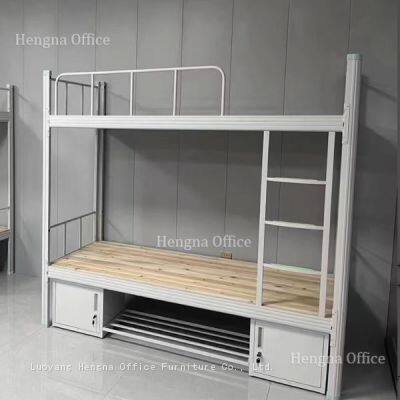 Read More
 -
Tool-Free Assembly vs. Traditional Beds: How Much Can You Save on Installation Labor?
March 17, 2026In the world of B2B procurement, the "sticker price" of a product is only one part of the equation. For project managers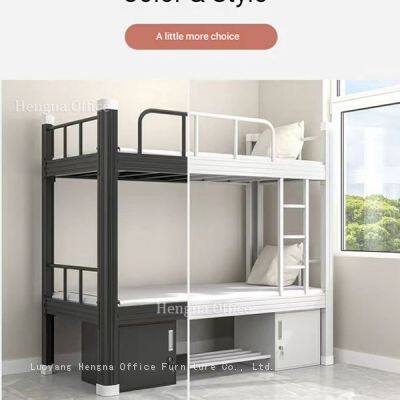 Read More
 -
How 300mm Extra-High Guardrails Prevent Fall Injuries in Crowded Worker Dormitories
March 17, 2026In the high-stakes environment of large-scale construction projects and industrial housing, safety is often discussed in terms of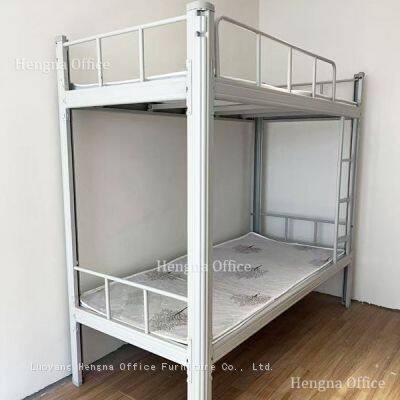 Read More
 -
How to Eliminate Squeaking Noises in Staff Accommodation Metal Beds: A Structural Guide
March 17, 2026For facility managers overseeing staff accommodation or labor camps, few things are as persistent or frustrating as the sound of a Read More

Contact Us
Recommended Products
-
 Industrial-Grade ABS Plastic Locker for Factory Staff and Warehouse Workers|Hengna OfficeUS$ 19 - 100MOQ: 5 Sets
 -
Outdoor ABS Locker Cabinet – UV-Resistant Plastic Storage for Poolside or Beach Resorts-Hengna OfficeUS$ 19 - 100MOQ: 5 Sets
-
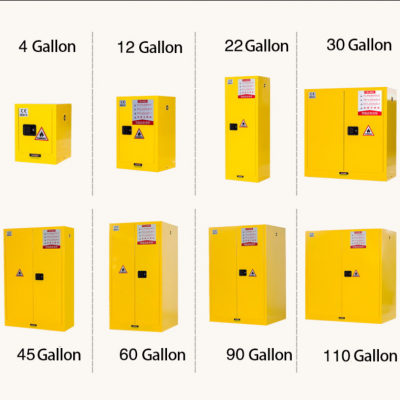
45 Gallon Explosion-Proof Flammable Liquid Storage Cabinet – Fire-Resistant Steel Safety Cabinet for FactoriesUS$ 68 - 400MOQ: 2 Combos
-
Flammable Storage Cabinet for Flammable Liquids – OSHA Certified Safety Cabinet With Fireproof Double WallsUS$ 68 - 400MOQ: 2 Combos
-
Large Capacity Flammable Liquid Storage Cabinet – Explosion-Proof Safety Cabinet for Laboratory & Workshop UseUS$ 68 - 400MOQ: 2 Combos
-
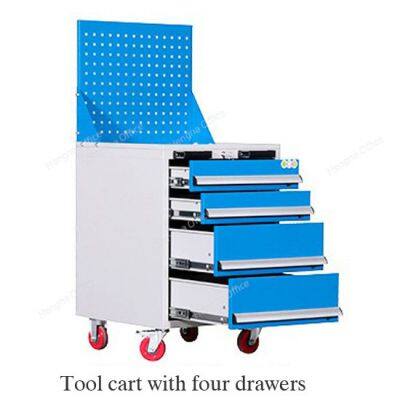
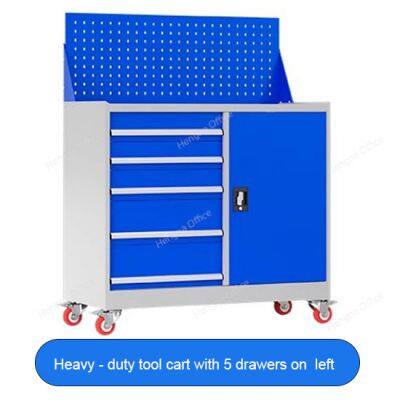
Heavy Duty Steel Tool Cart With Drawers for Workshops|Hengna OfficeUS$ 99 - 269MOQ: 2 Cases
-
Wholesale 3-Drawer Tool Trolley With Wheels for Factory and Garage StorageUS$ 99 - 269MOQ: 2 Cases
-
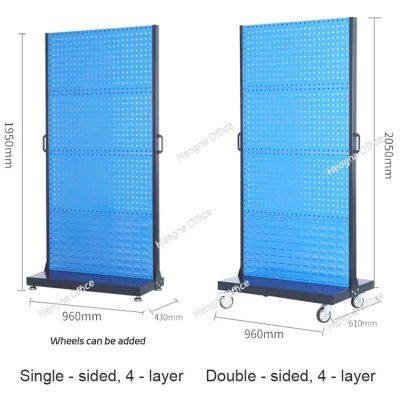
HN-wlj160 Industrial Rolling Tool Organizer With Pegboard|All-in-One Mobile Tool Storage CartUS$ 5 - 120MOQ: 2 Cases
-
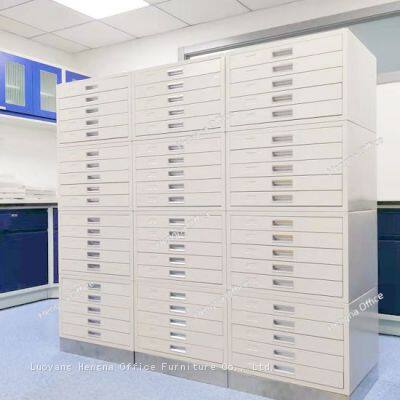
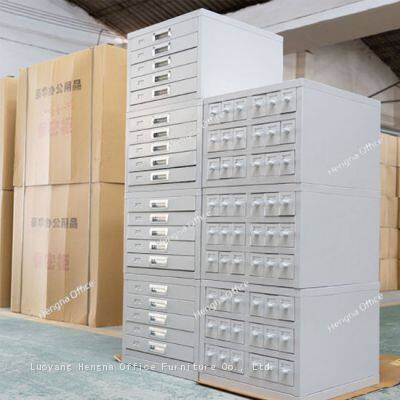
White Stackable Pathology Wax Block Storage Drawers for Labs Near London-Hengna OfficeNegotiableMOQ: 10 Pieces
-
Custom Paraffin Block Storage Cabinet for Histology Laboratories – Factory Direct From Hengna FurnitureNegotiableMOQ: 10 Pieces
-
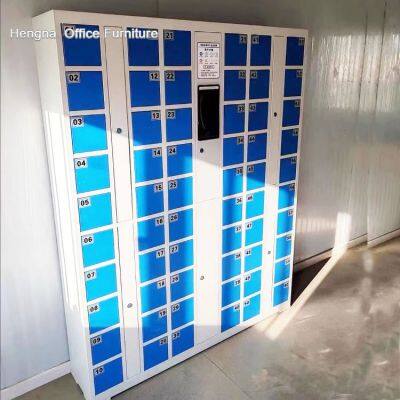
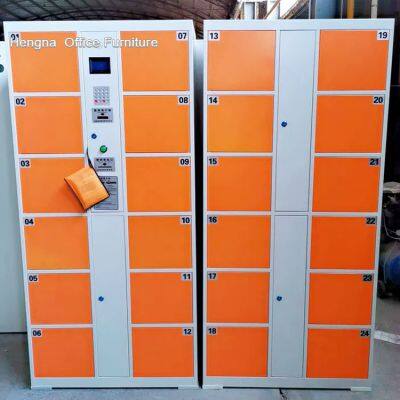
Smart Phone Charging Locker 40-door|Fingerprint Lockers Intelligent Parcel Delivery CabinetUS$ 203 - 750MOQ: 15 Pieces
-
School Gym Lockers Price |Parcel Delivery Storage Locker 12-door FactoryUS$ 203 - 750MOQ: 15 Pieces
-
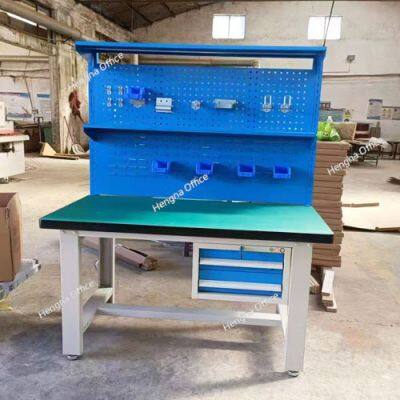
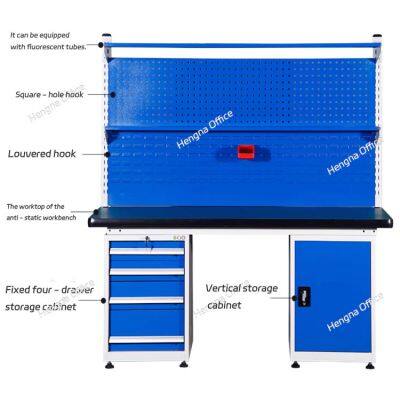
Multi Metal Work Benches Electrical Workshop Workbench|US$ 300 - 800MOQ: 2 Cases
-
Commercial Workbench Supplier |Multi Metal Work Bench With Drawers OMDUS$ 300 - 800MOQ: 2 Cases
-
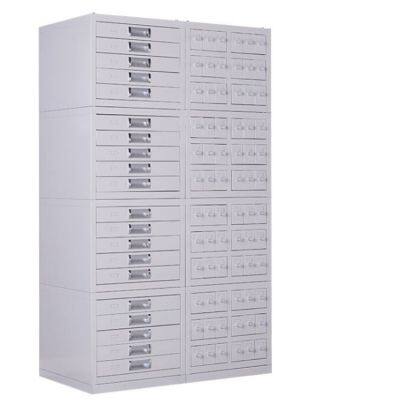
Pathological Ection Cabinet JTGZ062 Wax Block Cabinet for LaboratoryNegotiableMOQ: 10 Pieces
-
Durable Tool Storage in Factory HNGJ703 Hard Wearing Metal Industrial Tool ChestNegotiableMOQ: 18 Pieces
-
High - Quality CNC Workshop Tool Cabinet Heavyweight Workshop Tool OrganizerNegotiableMOQ: 10 Pieces
-
Laboratory Polyethylene Acid and Corrosive Chemicals Safety Storage PP CabinetUS$ 340 - 600MOQ: 5 Combos
-
22 Gallons /80 L PP Acid - Base Cabinet: Safeguard Chemical Storage Supplier OEMUS$ 500 - 600MOQ: 5 Combos
-
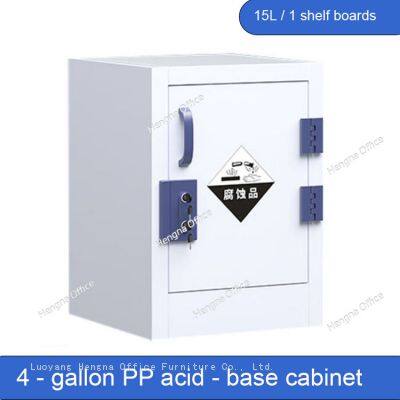
4 - Gallon Corrosion-resistant Safety Cabinet for Hazardous Chemicals Acid SupplierUS$ 340 - 500MOQ: 5 Combos