
 Business License
Standard vs. Customized: Which Industrial Workbench Fits Your Factory Layout?
When designing an efficient factory layout, selecting the right industrial workbenches represents a critical decision that impacts productivity, workflow efficiency, and operational costs. Facility managers and production planners often face the dilemma between choosing standard off-the-shelf workbenches and investing in customized solutions tailored to their specific requirements. This comprehensive analysis examines the factors influencing this decision, helping you determine which approach best suits your factory layout and operational needs.
Understanding Standard Industrial Workbenches
Definition and Characteristics
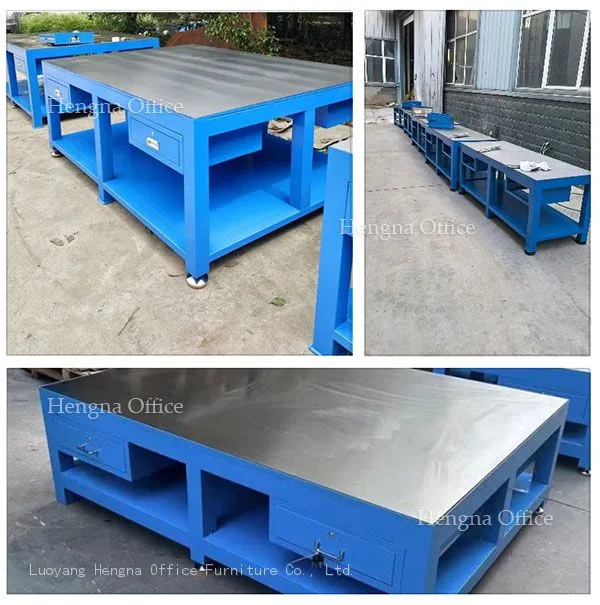
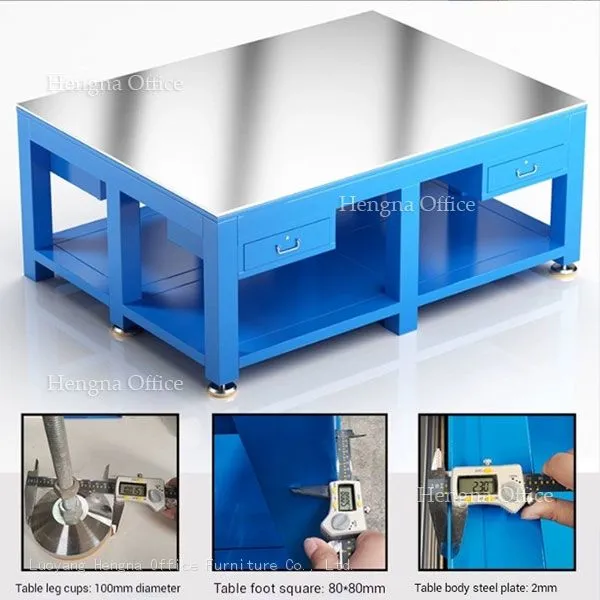
Standard industrial workbenches are pre-designed, mass-produced workstations manufactured in common dimensions and configurations. These typically feature fixed specifications including standard heights (34-36 inches), common lengths (48-72 inches), and standard depths (24-36 inches). Standard workbenches usually come with predetermined drawer configurations, surface materials, and load capacities ranging from 1000-2000kg.
Advantages of Standard Workbenches
Immediate Availability: Standard workbenches are typically stocked by manufacturers and distributors, allowing for quick deployment without extended lead times. This immediate availability proves crucial for facilities requiring rapid expansion or replacement of damaged equipment.
Cost Efficiency: Mass production economies make standard workbenches significantly more affordable than customized alternatives. Prices typically range from 30-50% lower than comparable custom solutions, making them attractive for budget-conscious operations.
Proven Performance: Standard workbenches have undergone extensive testing and real-world validation across numerous industrial applications. Their designs have been refined based on user feedback and performance data, ensuring reliable functionality.
Easy Replacement and Expansion: Standardized dimensions and configurations simplify future expansions and replacements. When additional workstations are needed, matching existing units ensures consistency in appearance and functionality.
Limitations of Standard Solutions
Space Utilization Challenges: Standard dimensions may not optimize available floor space, leading to inefficient layouts or wasted areas. This inefficiency becomes particularly problematic in facilities with unique architectural features or space constraints.
Workflow Incompatibility: Fixed configurations may not align with specific operational workflows, potentially creating bottlenecks or requiring workers to adapt their processes to accommodate equipment limitations rather than optimizing processes for maximum efficiency.
Customized Industrial Workbenches: Tailored Solutions
Customization Capabilities
Customized industrial workbenches offer extensive modification options including:
Dimensional customization to perfectly fit available spaces and workflow requirements
Specialized surface materials selected for specific industrial applications and chemical resistance
Integrated equipment mounting for monitors, tools, and specialized equipment
Advanced storage solutions designed for specific tool sets and operational needs
Built-in utilities including power distribution, data ports, and specialized connections
Benefits of Customized Solutions
Optimized Space Utilization: Custom workbenches can be designed to maximize every inch of available floor space, including areas with unusual dimensions or architectural constraints. This optimization proves particularly valuable in urban facilities where space comes at a premium.
Enhanced Workflow Integration: Custom solutions can be designed around specific operational processes, eliminating workflow disruptions and maximizing productivity. This integration includes considerations for tool placement, material flow, and operator movement patterns.
Specialized Application Support: Industries with unique requirements—such as cleanroom environments, hazardous material handling, or specialized manufacturing processes—benefit from workbenches designed specifically for their needs.
Future-Proofing: Custom workbenches can be designed with modularity and adaptability in mind, allowing for future modifications as operational requirements evolve without requiring complete replacement.
Considerations for Custom Solutions
Extended Lead Times: Custom workbenches typically require 6-12 weeks for design, manufacturing, and delivery, significantly longer than standard solutions’ immediate availability.
Higher Initial Investment: Custom solutions command premium prices, typically 40-70% higher than comparable standard workbenches due to specialized design, engineering, and manufacturing processes.
Decision-Making Framework
Facility Layout Analysis
Begin by conducting a comprehensive analysis of your factory layout:
Space constraints including architectural features, column placements, and utility connections
Workflow patterns analyzing material flow, operator movement, and process sequences
Future expansion plans considering potential layout modifications and operational growth
Equipment integration requirements identifying specialized tools, monitors, or utility needs
Operational Requirements Assessment
Evaluate specific operational needs:
Load capacity requirements considering both current and future equipment needs
Storage demands analyzing tool inventories, material requirements, and organization preferences
Specialized environmental factors including cleanroom requirements, chemical exposure, or temperature considerations
Ergonomic requirements addressing operator comfort, safety, and productivity needs
Cost-Benefit Analysis
Compare total cost of ownership over expected lifespan:
Initial investment differences between standard and custom solutions
Productivity impacts measuring potential efficiency gains from optimized layouts
Flexibility considerations evaluating future modification capabilities
Replacement costs analyzing long-term equipment lifecycle expenses
Industry-Specific Considerations
Manufacturing Facilities
Manufacturing operations often benefit from customized solutions due to:
Complex workflow requirements involving multiple process stages
Specialized equipment integration including monitors, testing equipment, and specialized tools
Material handling considerations requiring specific height and access configurations
Quality control requirements necessitating specialized surfaces and storage solutions
Assembly Operations
Assembly operations may find standard solutions adequate when:
Standardized processes follow consistent patterns across multiple workstations
Tool requirements remain consistent across different assembly stations
Future flexibility is valued over current optimization
Budget constraints prioritize immediate deployment over perfect optimization
Maintenance and Repair Facilities
Maintenance operations often require customized solutions due to:
Variable equipment sizes requiring adaptable work surfaces
Specialized tool storage needs for diverse equipment types
Utility integration requirements including compressed air, electrical connections, and data ports
Accessibility considerations for equipment maintenance and repair operations
Hybrid Approaches: Best of Both Worlds
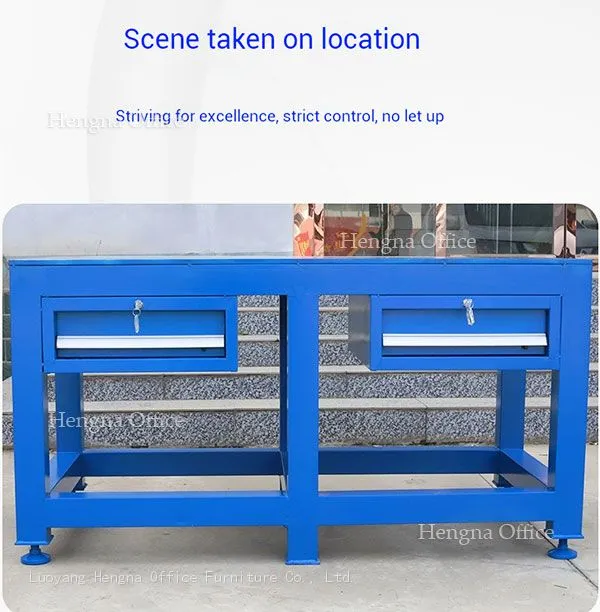
Many facilities find success combining standard and customized approaches:
Standard core configurations with customized accessories and modifications
Modular systems allowing future customization as requirements evolve
Phased implementation starting with standard solutions and upgrading to custom where most beneficial
Implementation Strategies
Pilot Programs
Consider implementing pilot programs comparing standard and customized solutions in similar operational areas. This approach allows real-world performance evaluation before full-scale investment.
Phased Rollout
Implement solutions gradually, starting with areas where benefits are most significant or where problems with current arrangements are most acute.
Continuous Evaluation
Regularly assess workstation performance and user feedback to identify optimization opportunities and justify future investments.
The decision between standard and customized industrial workbenches requires careful consideration of multiple factors including facility layout, operational requirements, budget constraints, and long-term strategic goals. While standard solutions offer immediate availability and cost advantages, customized workbenches provide optimized performance and specialized functionality.
The optimal approach often depends on your specific operational context, with many facilities finding success through hybrid solutions that balance cost-effectiveness with performance optimization. By conducting thorough analysis and considering both immediate needs and future requirements, facility managers can make informed decisions that enhance productivity while controlling costs.
Ultimately, the best solution is one that aligns with your operational workflows, optimizes space utilization, and provides the flexibility to adapt to future changes in your manufacturing environment. Whether standard, customized, or hybrid, the right workbench choice becomes a foundation for operational excellence and competitive advantage.

Recently Posted
-
Stainless Steel Shelving for Breweries and Wineries — What Survives Humidity, Alcohol Spills
July 24, 2026Stainless Steel Shelving for Breweries and Wineries — What Survives Humidity, Alcohol Spills, and Sanitizer Washdowns Three t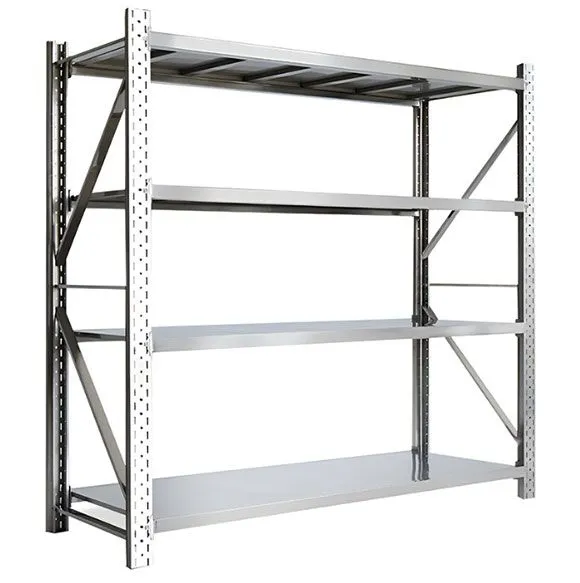 Read More
 -
Stainless Steel Shelving for Meat Processing Plants — What Holds Up Against Blood, Fat, and Daily Wa
July 24, 2026Meat plants are brutal on shelvingIf you work in a meat processing plant, you already know this. The rack that looked fine s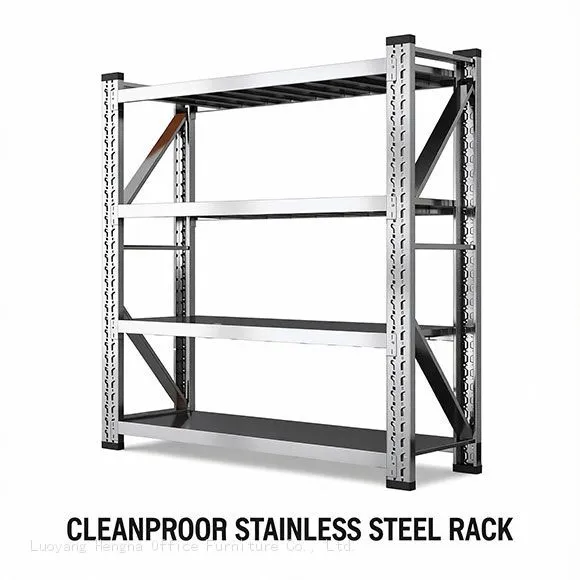 Read More
 -
0.6mm Steel Wardrobe vs 0.4mm — Why Cold-Rolled Single Door Metal Closet Lasts Longer
July 10, 2026The 0.2mm That Decides Whether You Buy One Wardrobe or ThreeTwo wardrobes look identical on a supplier's photo. Same door, sam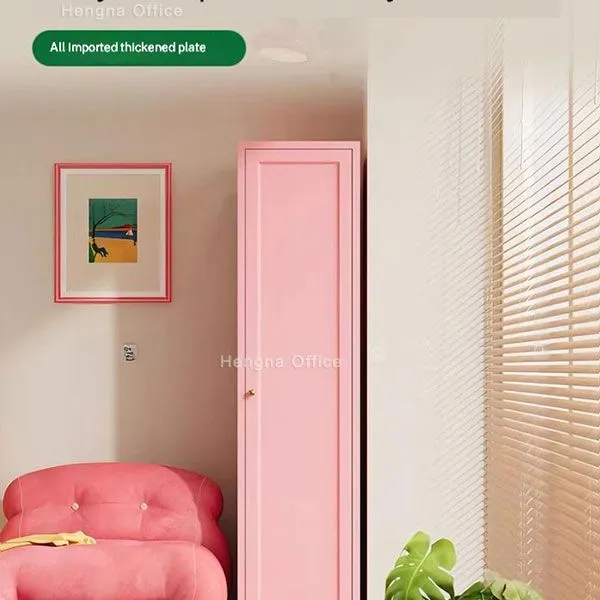 Read More
 -
Heavy Duty Tool Cabinet with Locks for School Shop: Stop Tool Theft Before It Happens
July 9, 2026A vocational school workshop isn't like a factory floor. The tools aren't being used by seasoned machinists who know where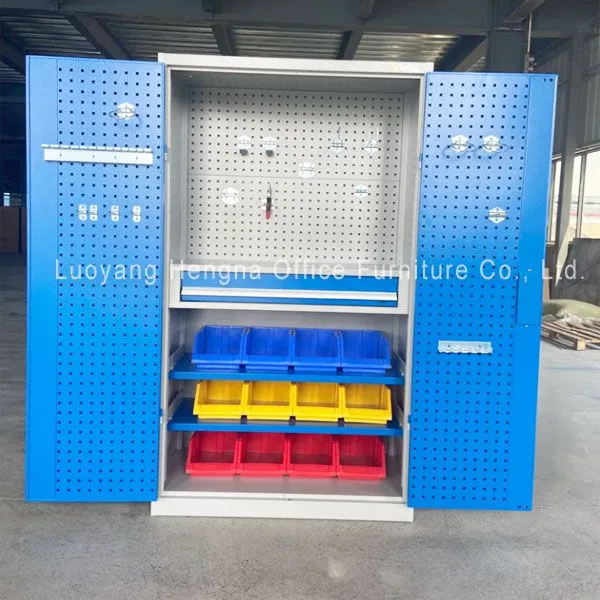 Read More

Contact Us
Recommended Products
-
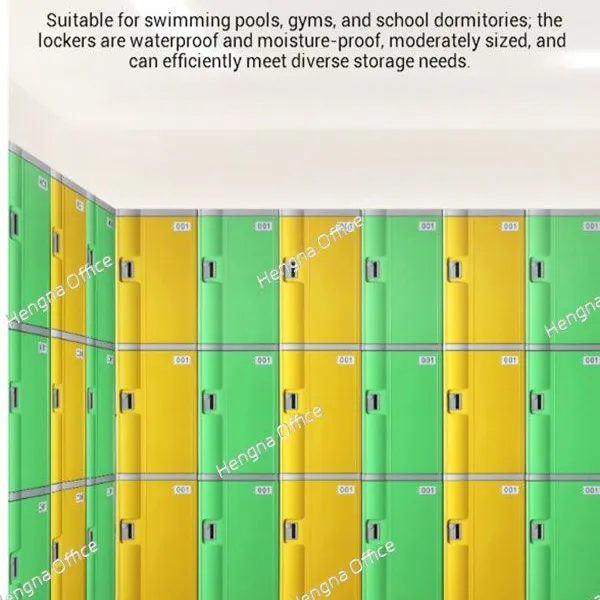
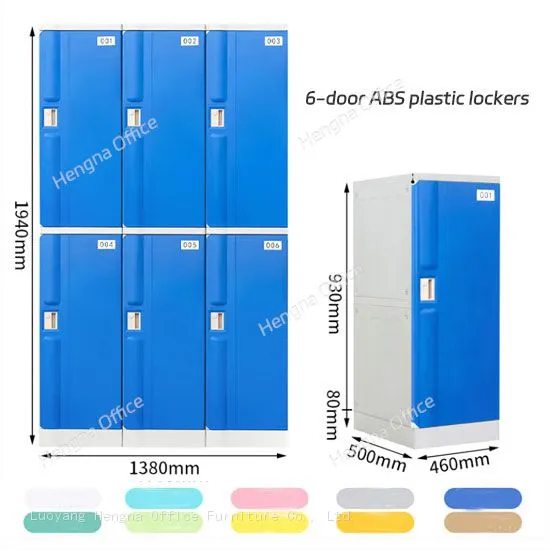
 Industrial-Grade ABS Plastic Locker for Factory Staff and Warehouse Workers|Hengna OfficeUS$ 19 - 100MOQ: 5 Sets
 -
Outdoor ABS Locker Cabinet – UV-Resistant Plastic Storage for Poolside or Beach Resorts-Hengna OfficeUS$ 19 - 100MOQ: 5 Sets
-
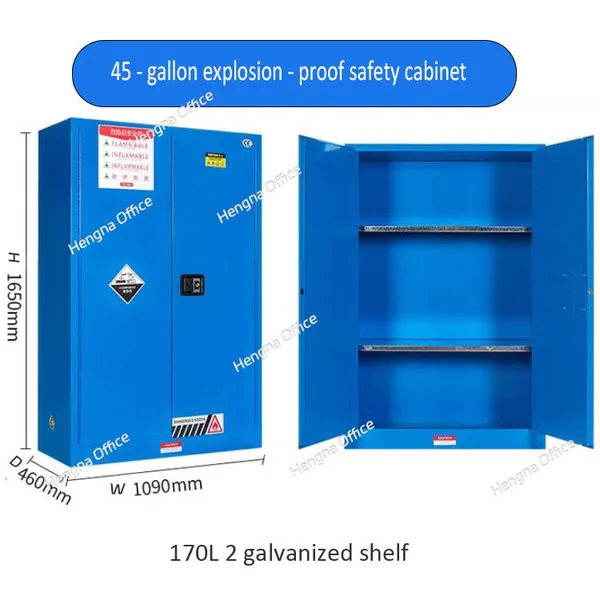
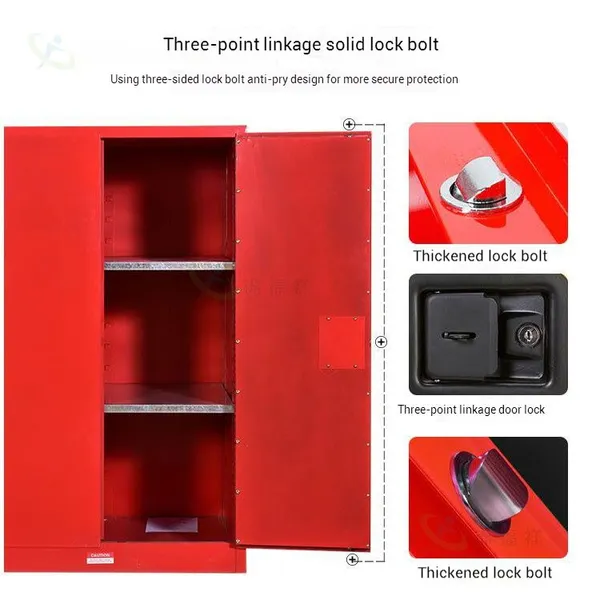
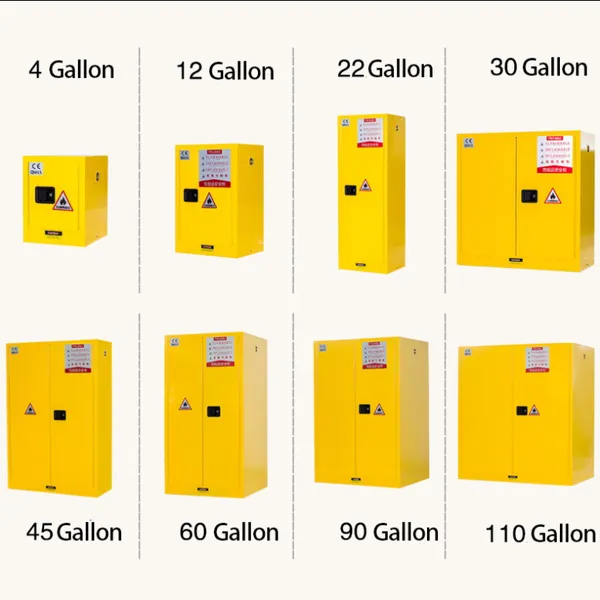
45 Gallon Explosion-Proof Flammable Liquid Storage Cabinet – Fire-Resistant Steel Safety Cabinet for FactoriesUS$ 68 - 400MOQ: 2 Combos
-
Flammable Storage Cabinet for Flammable Liquids – OSHA Certified Safety Cabinet With Fireproof Double WallsUS$ 68 - 400MOQ: 2 Combos
-
Large Capacity Flammable Liquid Storage Cabinet – Explosion-Proof Safety Cabinet for Laboratory & Workshop UseUS$ 68 - 400MOQ: 2 Combos
-
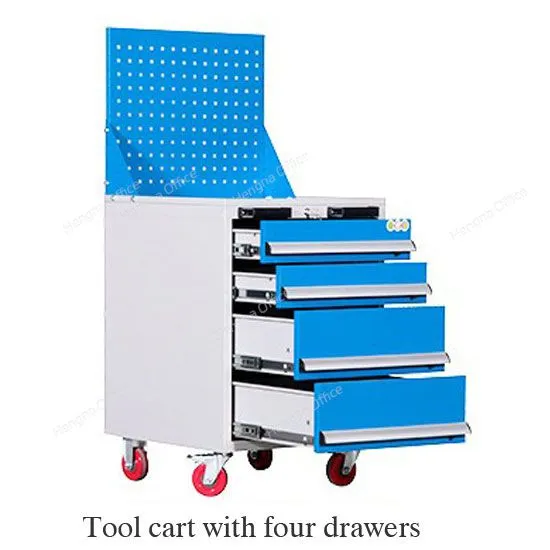
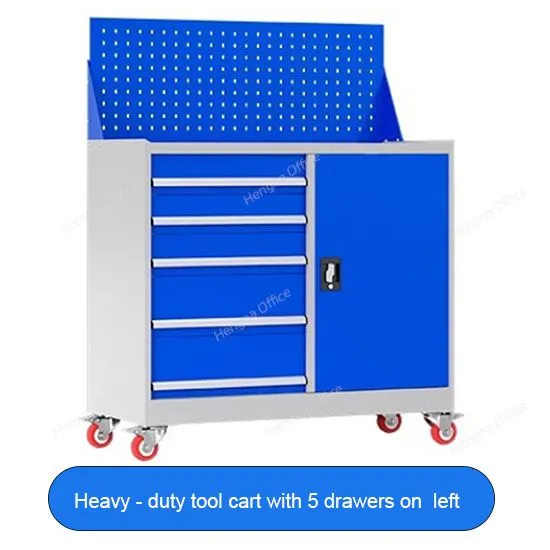
Heavy Duty Steel Tool Cart With Drawers for Workshops|Hengna OfficeUS$ 99 - 269MOQ: 2 Cases
-
Wholesale 3-Drawer Tool Trolley With Wheels for Factory and Garage StorageUS$ 99 - 269MOQ: 2 Cases
-
HN-wlj160 Industrial Rolling Tool Organizer With Pegboard|All-in-One Mobile Tool Storage CartUS$ 5 - 120MOQ: 2 Cases
-
White Stackable Pathology Wax Block Storage Drawers for Labs Near London-Hengna OfficeNegotiableMOQ: 10 Pieces
-
Custom Paraffin Block Storage Cabinet for Histology Laboratories – Factory Direct From Hengna FurnitureNegotiableMOQ: 10 Pieces
-
Smart Phone Charging Locker 40-door|Fingerprint Lockers Intelligent Parcel Delivery CabinetUS$ 203 - 750MOQ: 15 Pieces
-
School Gym Lockers Price |Parcel Delivery Storage Locker 12-door FactoryUS$ 203 - 750MOQ: 15 Pieces
-
Multi Metal Work Benches Electrical Workshop Workbench|US$ 300 - 800MOQ: 2 Cases
-
Commercial Workbench Supplier |Multi Metal Work Bench With Drawers OMDUS$ 300 - 800MOQ: 2 Cases
-
Pathological Ection Cabinet JTGZ062 Wax Block Cabinet for LaboratoryNegotiableMOQ: 10 Pieces
-
Durable Tool Storage in Factory HNGJ703 Hard Wearing Metal Industrial Tool ChestNegotiableMOQ: 18 Pieces
-
High - Quality CNC Workshop Tool Cabinet Heavyweight Workshop Tool OrganizerNegotiableMOQ: 10 Pieces
-
Laboratory Polyethylene Acid and Corrosive Chemicals Safety Storage PP CabinetUS$ 340 - 600MOQ: 5 Combos
-
22 Gallons /80 L PP Acid - Base Cabinet: Safeguard Chemical Storage Supplier OEMUS$ 500 - 600MOQ: 5 Combos
-
4 - Gallon Corrosion-resistant Safety Cabinet for Hazardous Chemicals Acid SupplierUS$ 340 - 500MOQ: 5 Combos