
 Business License
How Heavy Duty Steel Workbenches Enhance Workplace Safety and Ergonomics
In any industrial or commercial setting, safety and ergonomics are critical elements in fostering a productive, healthy, and efficient workplace. Whether it's a warehouse, automotive repair shop, or manufacturing facility, the equipment and tools used on a daily basis can have a significant impact on worker safety and comfort. Among the most important pieces of equipment in these environments is the workbench. A heavy-duty steel workbench is not just a workspace; it’s an integral part of creating a safe, organized, and ergonomic environment.
In this blog post, we’ll explore how heavy-duty steel workbenches enhance workplace safety and ergonomics, making them a smart choice for businesses that prioritize worker well-being and efficiency. We’ll look at how these workbenches provide stability, improve organization, reduce the risk of injury, and support ergonomic practices that promote long-term health and productivity.
1. Stability and Durability: Reducing Safety Risks
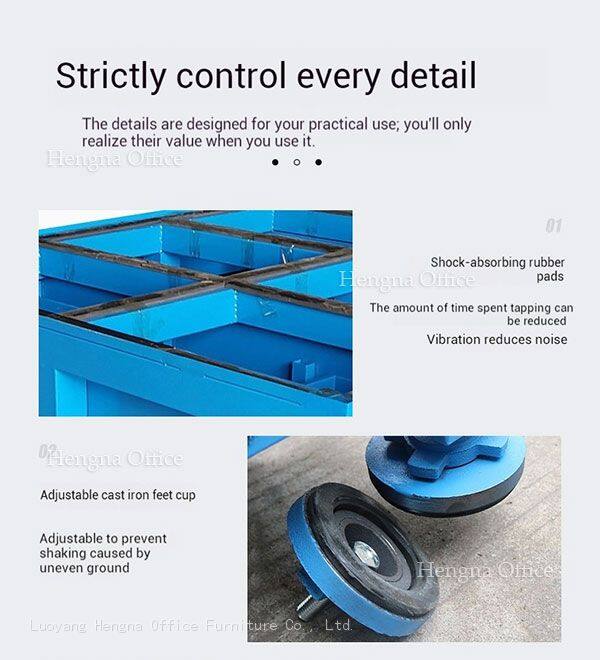
One of the most fundamental aspects of workplace safety is the stability of the equipment in use. In environments where workers are handling heavy tools, machinery, or materials, a stable work surface is crucial to preventing accidents. A shaky or unstable workbench can pose serious risks, such as tools slipping, materials falling, or workers losing control of their work, all of which can lead to injury.
Heavy-duty steel workbenches are designed with strength and stability at their core. Steel, being a robust material, can support large weights and heavy-duty tasks without compromising its structural integrity. These workbenches are reinforced with sturdy frames and legs, ensuring they remain firmly anchored even when under substantial load.
The strong, stable surface reduces the risk of the workbench tipping or wobbling, which is especially important in environments where precision and safety are critical, such as in automotive repair shops, manufacturing plants, or assembly lines. With a stable workbench, workers can focus on their tasks without worrying about accidents caused by instability, leading to a safer and more secure work environment.
2. Ergonomic Design: Promoting Worker Health
Workplace ergonomics plays a vital role in preventing long-term injuries, particularly musculoskeletal disorders (MSDs) that are common in physically demanding industries. Jobs that require repetitive motions, bending, or reaching can strain workers’ bodies, leading to discomfort, fatigue, and potential injury over time. One of the ways to improve ergonomics in the workplace is by using an adjustable and customizable work surface that caters to the individual needs of each worker.
Heavy-duty steel workbenches are often designed with ergonomic features to promote better posture and reduce physical strain. Adjustable-height workbenches allow workers to modify the height of their workspace, ensuring they can work at a level that is comfortable for them. This is particularly beneficial for tasks that require prolonged standing or repetitive movements, as adjusting the work surface can help reduce back and neck strain, which is a common issue in warehouse and factory settings.
By giving employees the flexibility to adjust their workstations to suit their physical needs, businesses can reduce the risk of long-term injuries associated with poor posture and repetitive movements. Additionally, some steel workbenches come with features like tiltable surfaces or angle adjustments, which further enhance ergonomic comfort for specific tasks.
3. Enhanced Tool and Material Organization: Reducing Clutter and Improving Safety
An organized workspace is a safer workspace. When tools, materials, and equipment are scattered across a workbench or left in disorganized piles, it can lead to accidents such as tripping, slipping, or grabbing the wrong tool. A disorganized workspace can also slow down workflow, leading to unnecessary frustration and reduced productivity.
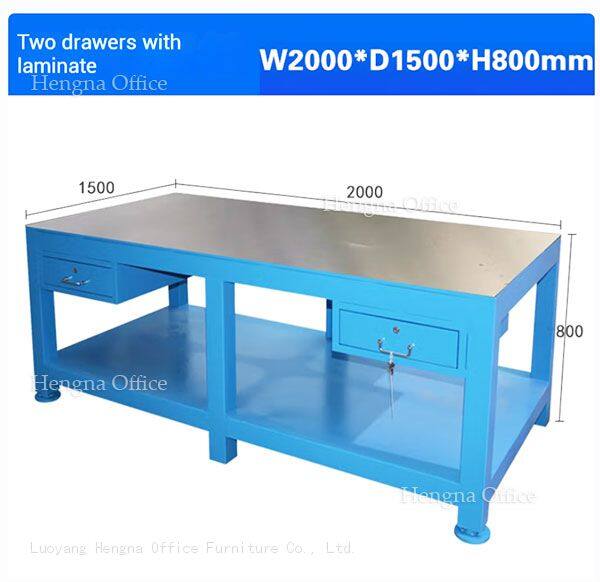
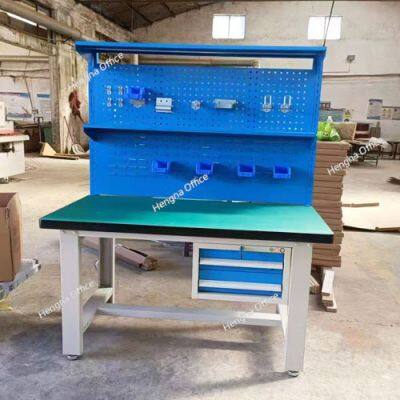
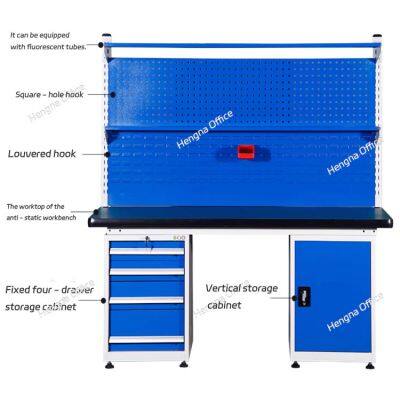
Heavy-duty steel workbenches help improve safety by providing ample storage options for tools and materials. These workbenches often come with built-in features such as drawers, cabinets, and shelves, which help keep tools and supplies neatly stored and within easy reach. By keeping everything organized, workers can find the right tool or material quickly, reducing the time spent searching through clutter and minimizing distractions that could lead to accidents.
The ability to store items safely and securely in designated spaces reduces the risk of hazardous materials being left out or improperly stored. Whether it's power tools, small components, or personal protective equipment (PPE), the integrated storage options in heavy-duty steel workbenches help maintain an organized and safe work environment.
4. Surface Durability: Preventing Injuries and Maintaining Safety
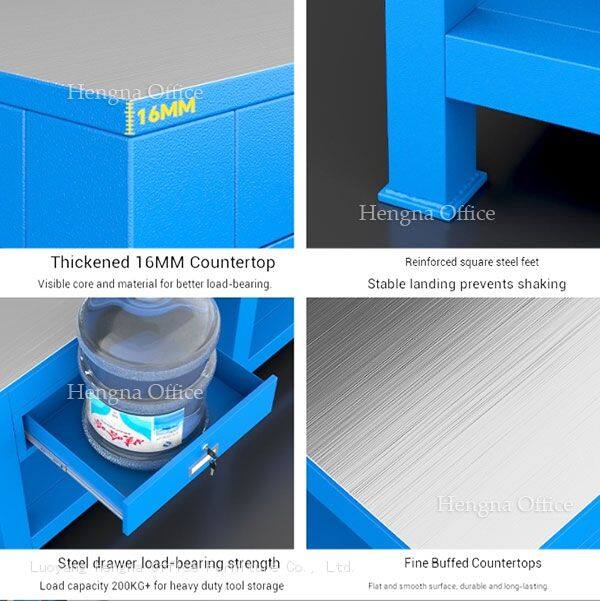
In workshops and industrial environments, the surface of the workbench plays a significant role in both safety and productivity. Surfaces that are damaged, uneven, or worn can pose safety hazards by making it difficult to handle tools or materials properly. For instance, rough or cracked surfaces can cause tools to slip, increase the risk of injury, or result in products being damaged during assembly or repairs.
Heavy-duty steel workbenches offer superior surface durability, ensuring that the work surface remains intact and safe for years. Steel is resistant to scratches, dents, and wear, making it ideal for environments where heavy tools and equipment are used regularly. This durability not only extends the life of the workbench but also ensures that the surface remains smooth and even, reducing the risk of accidents caused by an unstable or damaged workspace.
Additionally, some heavy-duty steel workbenches come with protective coatings, such as powder coating or anti-corrosion finishes, that make the workbench resistant to rust, moisture, and chemicals. This protection is crucial in environments where the workbench is exposed to oils, solvents, or other potentially damaging substances. The ability to maintain a clean, safe, and functional surface is vital for reducing workplace hazards and ensuring that the workspace remains conducive to high-quality work.
5. Lockable Storage: Secure Tools and Materials
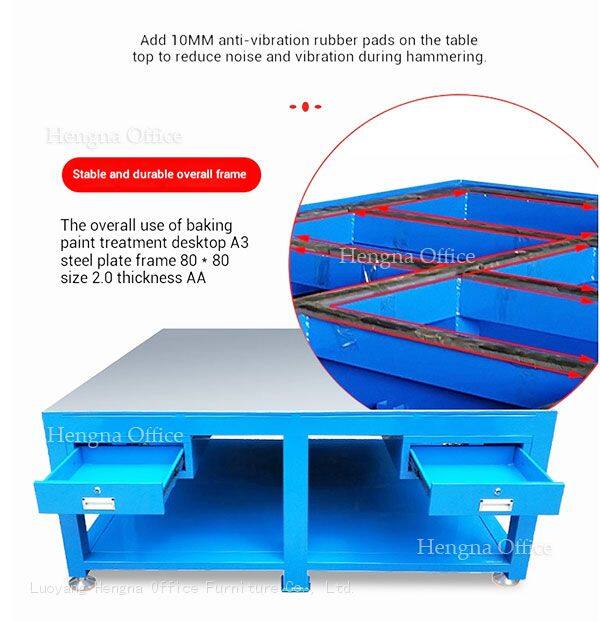
Security is another important consideration when it comes to workplace safety. In warehouses or manufacturing facilities, tools and materials can be valuable assets, and it's crucial to keep them safe from theft or misuse. Lockable storage solutions integrated into heavy-duty steel workbenches provide a secure place to store expensive or sensitive tools, preventing unauthorized access and reducing the risk of theft.
Lockable drawers, cabinets, and tool storage compartments ensure that tools and materials are kept safe when not in use. This is particularly important in environments with high employee turnover or where materials and tools are shared across shifts. Secure storage prevents accidental misplacement, ensures that only authorized personnel have access to certain items, and helps maintain an organized and efficient workspace.
6. Long-Term Value: Cost-Effectiveness in the Long Run
Although heavy-duty steel workbenches come with a higher initial investment compared to lower-end alternatives, their long-term value far outweighs the cost. Steel workbenches are built to last, offering durability, strength, and resistance to wear and tear that ensures they won’t need to be replaced frequently.
By investing in a high-quality steel workbench, businesses can avoid the frequent replacement costs associated with inferior materials. Furthermore, the ergonomic features and integrated storage solutions of steel workbenches contribute to improved efficiency and worker safety, reducing the need for downtime and minimizing the risk of injuries that could result in costly workers' compensation claims.
Heavy-duty steel workbenches are a valuable asset in any workplace that prioritizes safety, efficiency, and employee well-being. By providing a stable, ergonomic, and organized workspace, these workbenches help create an environment where workers can perform tasks with greater precision and comfort while reducing the risk of injuries.
From their durability and strength to their ability to enhance organization and improve posture, heavy-duty steel workbenches are more than just work surfaces—they are integral tools for improving the overall safety and productivity of your team. Whether used in manufacturing, automotive repair, or warehouse settings, these workbenches help create a safer, more efficient, and organized workspace, ensuring that employees can work at their best without compromising their health or safety.
Investing in a heavy-duty steel workbench is a step toward fostering a more productive, comfortable, and secure workplace, ultimately benefiting both your employees and your bottom line.
Recently Posted
-
First Sight at the Entryway: How Sensor-Lit Display Cabinets Define Your Home’s Style
January 8, 2026They say you never get a second chance to make a first impression. In the world of interior design, the entryway (foyer) is the &q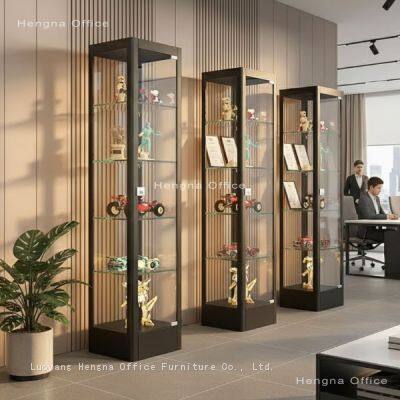 Read More
 -
Farewell to "Spider Webs": How Hidden Cable Management Holes Elevate Your Display Cabinet's Premium
January 8, 2026In the world of high-end collecting and retail display, there is a silent enemy that ruins even the most expensive setups: The Spi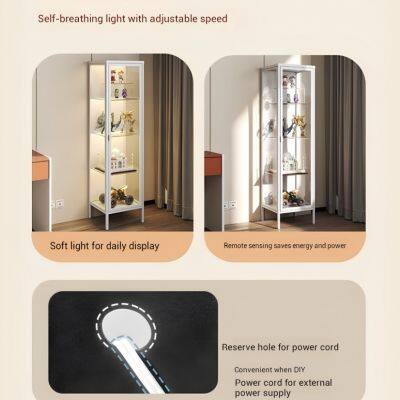 Read More
 -
Safety Beyond the Lock: Why 3C Tempered Glass, Rounded Corners, and Anti-Tip Kits Are Non-Negotiable
January 8, 2026When we think about "securing" a display cabinet, our minds immediately go to the lock. We think about protecting the co Read More
 -
How to Design a Safe and Sanitary Nursing Room in Public Spaces?
January 8, 2026The Business Case for Family-Friendly SpacesIn the modern commercial landscape, the quality of a facility is often judged by its m Read More

Contact Us
Recommended Products
-
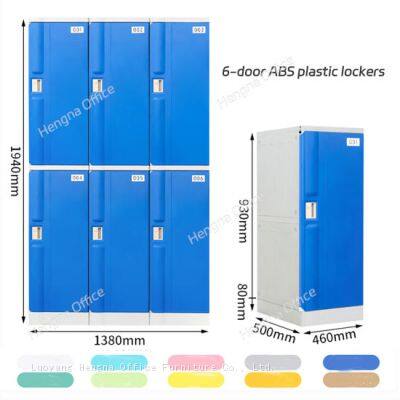
 Industrial-Grade ABS Plastic Locker for Factory Staff and Warehouse Workers|Hengna OfficeUS$ 19 - 100MOQ: 5 Sets
 -
Outdoor ABS Locker Cabinet – UV-Resistant Plastic Storage for Poolside or Beach Resorts-Hengna OfficeUS$ 19 - 100MOQ: 5 Sets
-
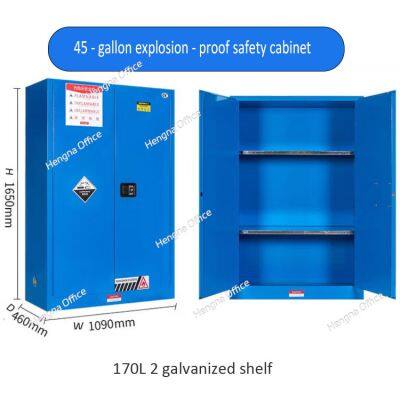
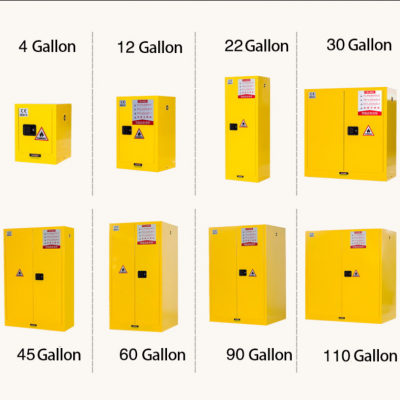
45 Gallon Explosion-Proof Flammable Liquid Storage Cabinet – Fire-Resistant Steel Safety Cabinet for FactoriesUS$ 68 - 400MOQ: 2 Combos
-
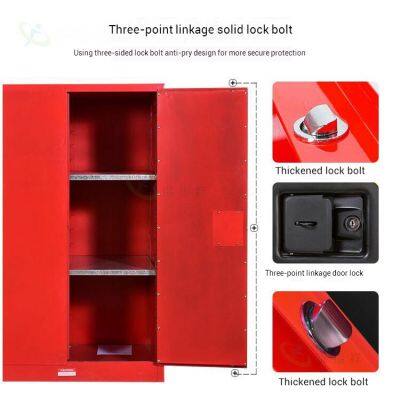
Flammable Storage Cabinet for Flammable Liquids – OSHA Certified Safety Cabinet With Fireproof Double WallsUS$ 68 - 400MOQ: 2 Combos
-
Large Capacity Flammable Liquid Storage Cabinet – Explosion-Proof Safety Cabinet for Laboratory & Workshop UseUS$ 68 - 400MOQ: 2 Combos

-
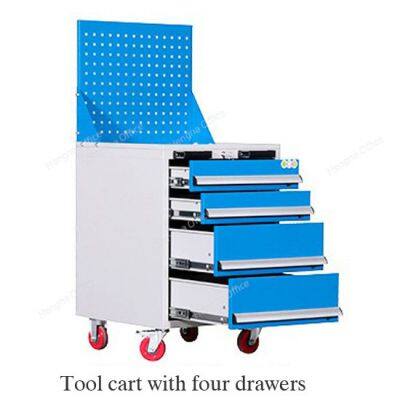
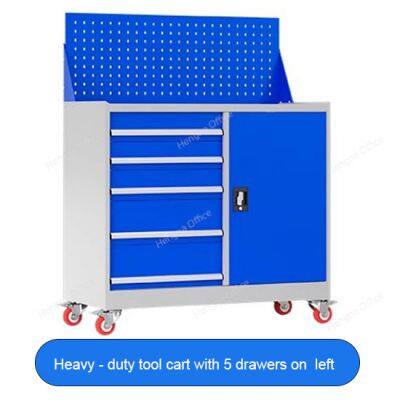
Heavy Duty Steel Tool Cart With Drawers for Workshops|Hengna OfficeUS$ 99 - 269MOQ: 2 Cases
-
Wholesale 3-Drawer Tool Trolley With Wheels for Factory and Garage StorageUS$ 99 - 269MOQ: 2 Cases
-
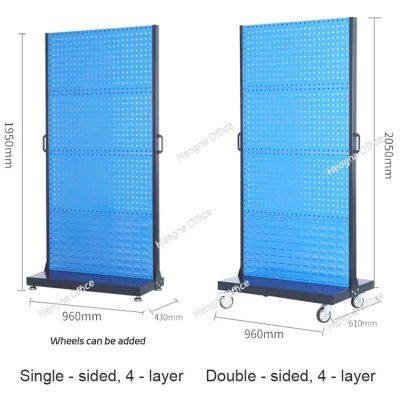
HN-wlj160 Industrial Rolling Tool Organizer With Pegboard|All-in-One Mobile Tool Storage CartUS$ 5 - 120MOQ: 2 Cases
-
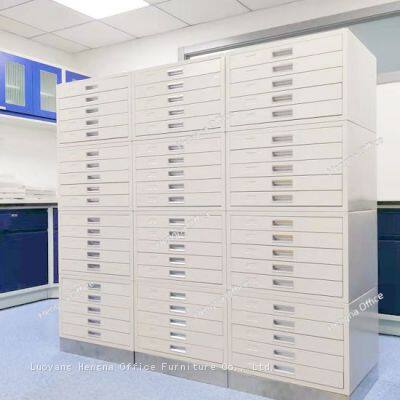
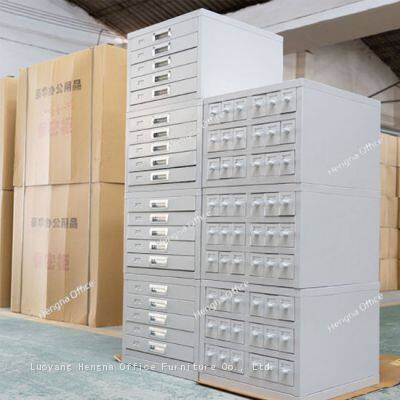
White Stackable Pathology Wax Block Storage Drawers for Labs Near London-Hengna OfficeNegotiableMOQ: 10 Pieces
-
Custom Paraffin Block Storage Cabinet for Histology Laboratories – Factory Direct From Hengna FurnitureNegotiableMOQ: 10 Pieces
-
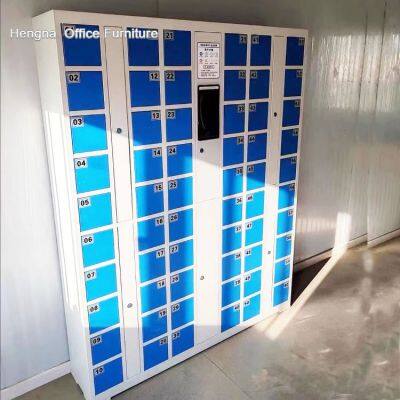
Smart Phone Charging Locker 40-door|Fingerprint Lockers Intelligent Parcel Delivery CabinetUS$ 203 - 750MOQ: 15 Pieces
-
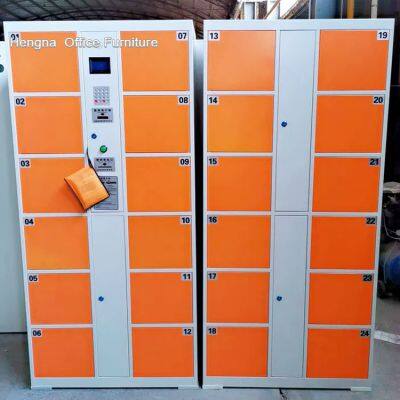
School Gym Lockers Price |Parcel Delivery Storage Locker 12-door FactoryUS$ 203 - 750MOQ: 15 Pieces
-
Multi Metal Work Benches Electrical Workshop Workbench|US$ 300 - 800MOQ: 2 Cases
-
Commercial Workbench Supplier |Multi Metal Work Bench With Drawers OMDUS$ 300 - 800MOQ: 2 Cases
-
Pathological Ection Cabinet JTGZ062 Wax Block Cabinet for LaboratoryNegotiableMOQ: 10 Pieces
-
Durable Tool Storage in Factory HNGJ703 Hard Wearing Metal Industrial Tool ChestNegotiableMOQ: 18 Pieces
-
High - Quality CNC Workshop Tool Cabinet Heavyweight Workshop Tool OrganizerNegotiableMOQ: 10 Pieces
-
Laboratory Polyethylene Acid and Corrosive Chemicals Safety Storage PP CabinetUS$ 340 - 600MOQ: 5 Combos
-
22 Gallons /80 L PP Acid - Base Cabinet: Safeguard Chemical Storage Supplier OEMUS$ 500 - 600MOQ: 5 Combos
-
4 - Gallon Corrosion-resistant Safety Cabinet for Hazardous Chemicals Acid SupplierUS$ 340 - 500MOQ: 5 Combos