
 Business License

Fire and Explosion Protection Standards in Petrochemical Plants
Petrochemical plants represent some of the most hazardous industrial environments, requiring stringent fire and explosion protection measures. Understanding and implementing comprehensive safety standards is essential for protecting personnel, facilities, and surrounding communities.
Petrochemical Industry Hazards
Petrochemical facilities face multiple risk factors:
Flammable Gas Clouds: Vapor releases from process equipment
Vapor Cloud Explosions: Large-scale vapor ignitions
Pool Fires: Liquid spill fires
Jet Fires: High-pressure stream releases
Flash Fires: Rapid flame propagation
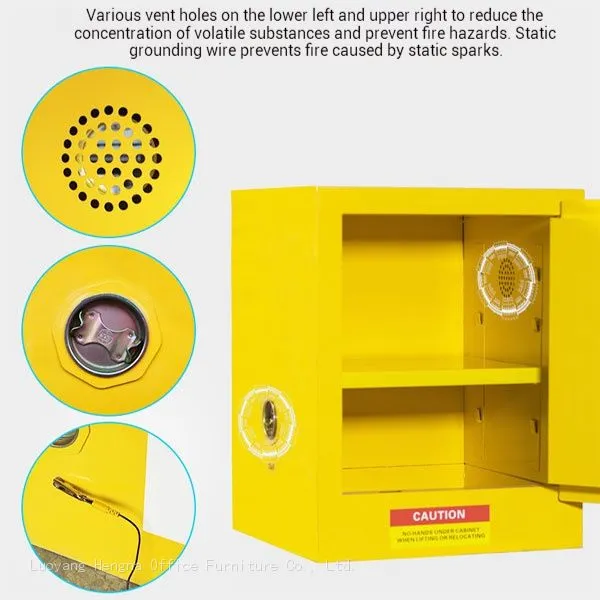
The double-wall construction with 40mm insulation gap in safety cabinets provides critical protection against these hazards, containing potential incidents and preventing escalation.
Regulatory Framework Overview
Safety Cabinet Specifications
Technical Requirements:
Construction: 1.2mm cold-rolled steel with double walls
Fire Rating: Minimum 90-minute protection
Explosion Venting: Pressure relief mechanisms
Temperature Monitoring: Integrated sensor systems
Gas Detection: Compatible with facility monitoring systems
Storage Capacity Planning
| Facility Size | Cabinet Capacity | Storage Requirements |
|---|---|---|
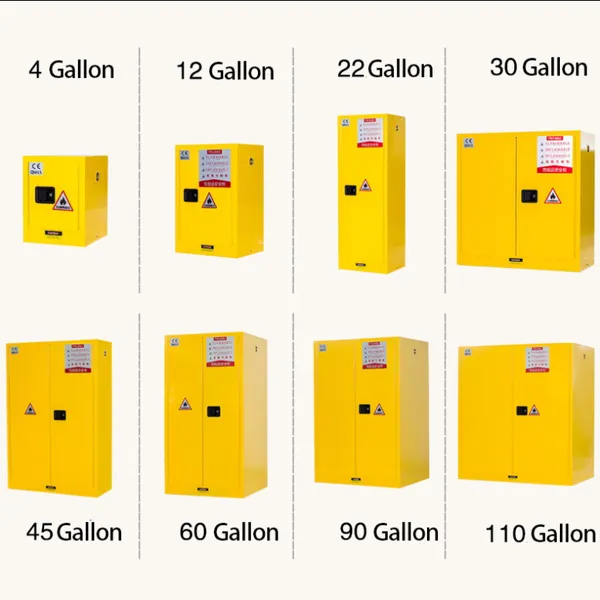
| Small Plant | 45-60 Gallon | Limited chemical inventory |
| Medium Plant | 90-110 Gallon | Moderate storage needs |
| Large Complex | Multiple 110 Gallon | Extensive chemical storage |
Facility Design Integration
Safety System Integration:
Hazardous Area Classification: Proper equipment selection
Safe Distance Requirements: Separation from ignition sources
Fire Protection Systems: Comprehensive coverage
Emergency Response: Clear evacuation routes
Environmental Protection: Spill containment measures
Operational Safety Procedures
Daily Safety Protocols:
Permit-to-Work Systems: Controlled hazardous activities
Lockout/Tagout Procedures: Equipment maintenance safety
Hot Work Permits: Welding and cutting controls
Confined Space Entry: Tank access procedures
Management of Change: Process modification controls
Emergency Response Planning
Comprehensive Emergency Measures:
Fire Brigade Training: Specialized response teams
Emergency Drills: Regular scenario practice
Community Notification: Public alert systems
Medical Response: Injury treatment capabilities
Environmental Protection: Spill containment procedures
Quality Assurance Systems
Continuous Improvement:
Regular Audits: Compliance verification
Performance Metrics: Safety incident tracking
Training Programs: Employee competency development
Documentation: Comprehensive record keeping
Management Review: Leadership oversight
Cost-Benefit Analysis
Investment Returns:
Risk Reduction: 95% decrease in major incidents
Operational Continuity: Minimized production interruptions
Insurance Benefits: Significant premium reductions
Regulatory Compliance: Avoidance of penalties
Reputation Protection: Enhanced stakeholder confidence
By implementing these comprehensive safety standards, petrochemical plants can significantly reduce risks while maintaining operational efficiency and regulatory compliance.
Recently Posted
-
Louvered Panel vs Round Hole Pegboard — Which Tool Wall Holds Hooks and Bins Together?
August 31, 2026Louvered Panel vs Round Hole Pegboard — Which Tool Wall Holds Hooks and Bins Together?Short answer: if you only hang tools, round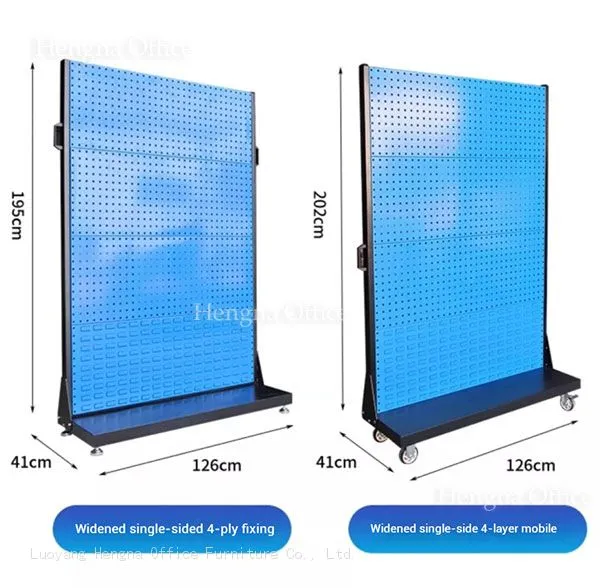 Read More
 -
Welded vs Boltless Steel Shelving — Looks Strong at the Factory, Falls Apart at the Port
August 7, 2026Welded vs Boltless Steel Shelving — Looks Strong at the Factory, Falls Apart at the PortHere's a story every steel shelving im Read More
 -
You Asked a Steel Shelving Supplier for a Price. Here's What You Should Have Asked First.
August 7, 2026You found a steel shelving supplier. Their listing looks clean. You sent the message every first-time importer sends: "What&# Read More
 -
Heavy Duty Steel Workbench for Auto Repair — Cold Rolled Frame vs What Most Garages Use
August 5, 2026Mike has been running his independent garage for eleven years. Three bays, two mechanics, a steady stream of brake jobs and transm Read More

Contact Us
Recommended Products
-
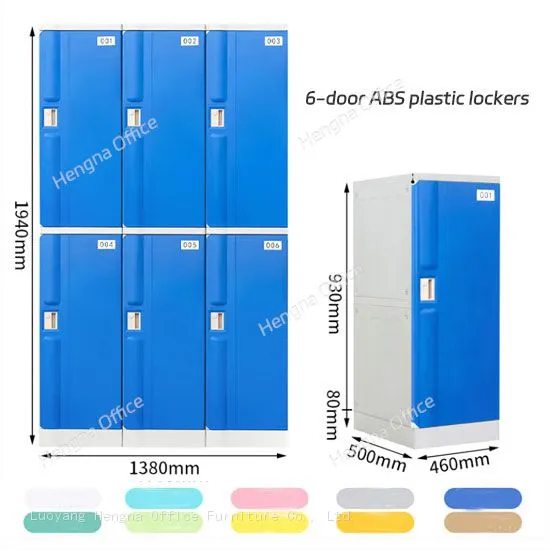
 Industrial-Grade ABS Plastic Locker for Factory Staff and Warehouse Workers|Hengna OfficeUS$ 19 - 100MOQ: 5 Sets
 -
Outdoor ABS Locker Cabinet – UV-Resistant Plastic Storage for Poolside or Beach Resorts-Hengna OfficeUS$ 19 - 100MOQ: 5 Sets
-
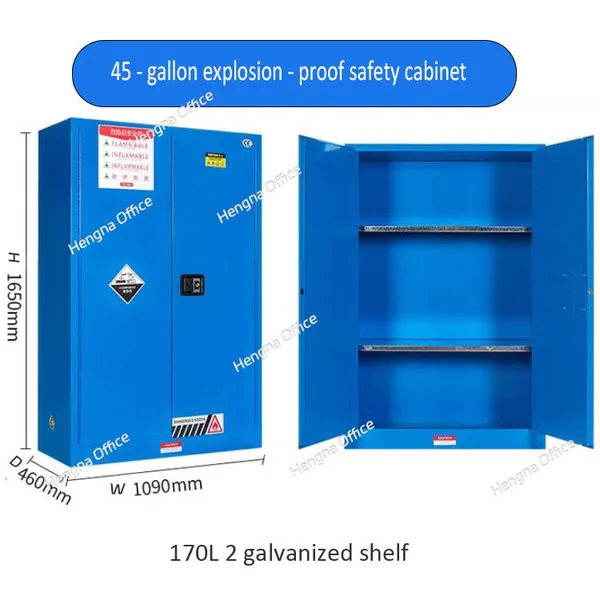
45 Gallon Explosion-Proof Flammable Liquid Storage Cabinet – Fire-Resistant Steel Safety Cabinet for FactoriesUS$ 68 - 400MOQ: 2 Combos
-
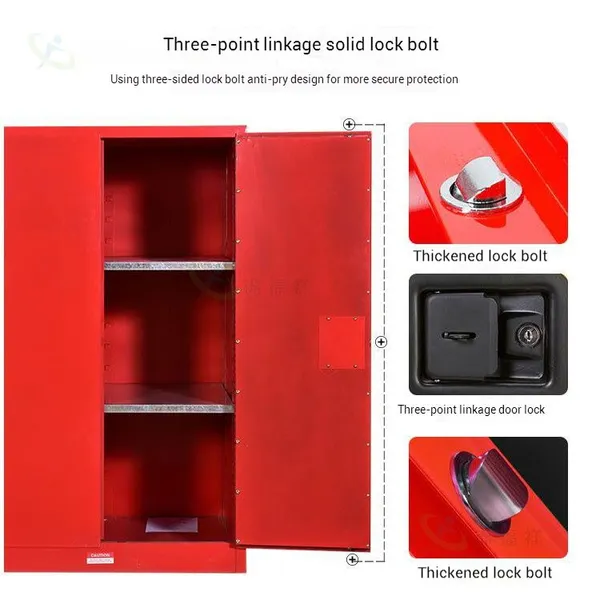
Flammable Storage Cabinet for Flammable Liquids – OSHA Certified Safety Cabinet With Fireproof Double WallsUS$ 68 - 400MOQ: 2 Combos
-
Large Capacity Flammable Liquid Storage Cabinet – Explosion-Proof Safety Cabinet for Laboratory & Workshop UseUS$ 68 - 400MOQ: 2 Combos
-
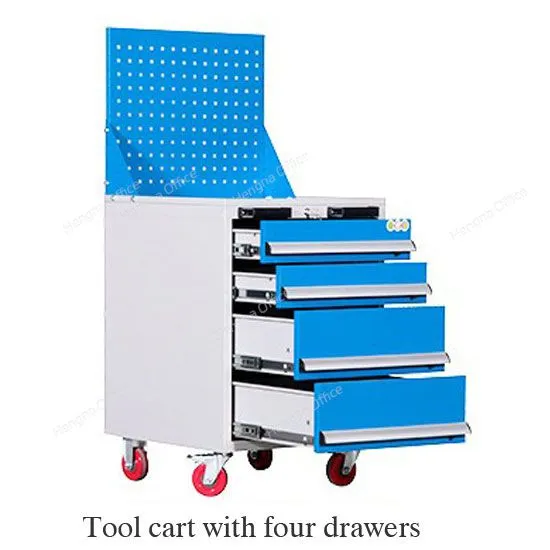
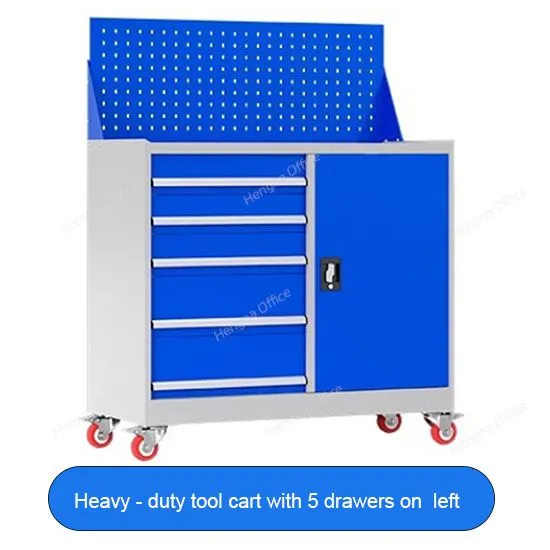
Heavy Duty Steel Tool Cart With Drawers for Workshops|Hengna OfficeUS$ 99 - 269MOQ: 2 Cases
-
Wholesale 3-Drawer Tool Trolley With Wheels for Factory and Garage StorageUS$ 99 - 269MOQ: 2 Cases
-
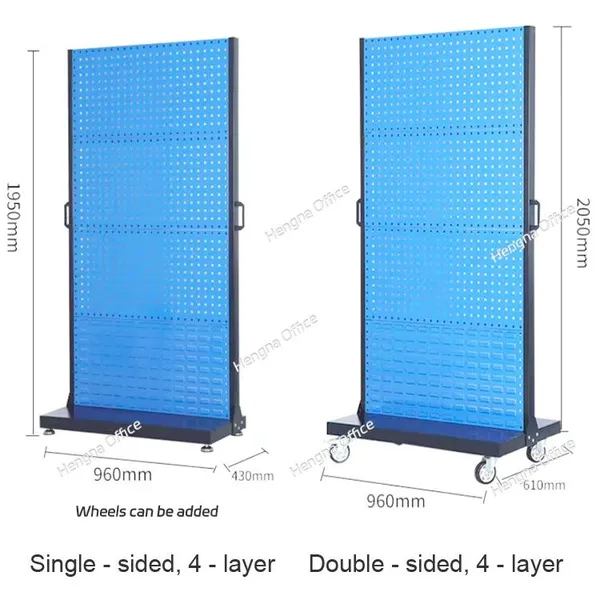
HN-wlj160 Industrial Rolling Tool Organizer With Pegboard|All-in-One Mobile Tool Storage CartUS$ 5 - 120MOQ: 2 Cases
-
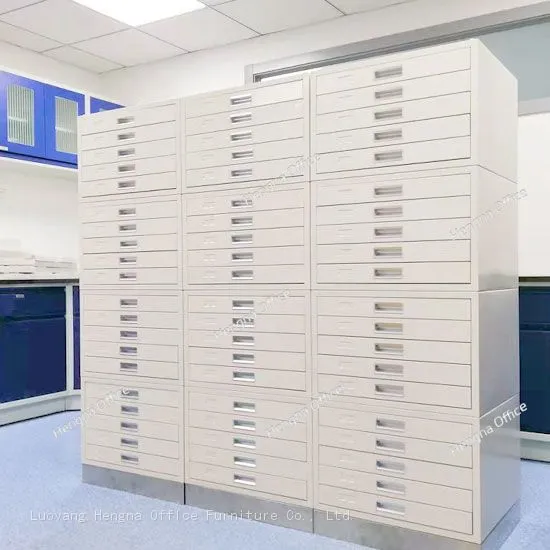
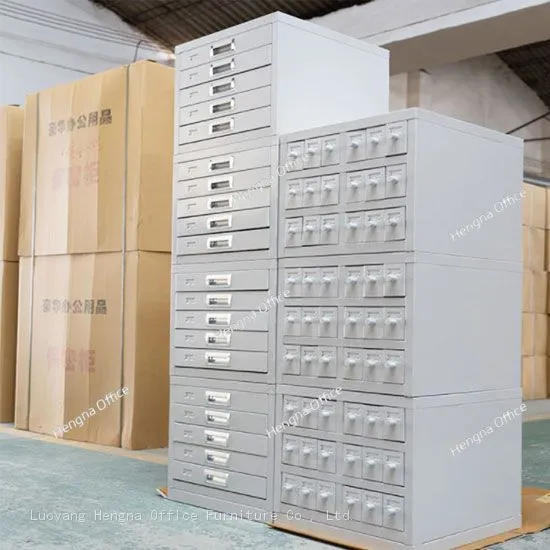
White Stackable Pathology Wax Block Storage Drawers for Labs Near London-Hengna OfficeNegotiableMOQ: 10 Pieces
-
Custom Paraffin Block Storage Cabinet for Histology Laboratories – Factory Direct From Hengna FurnitureNegotiableMOQ: 10 Pieces
-
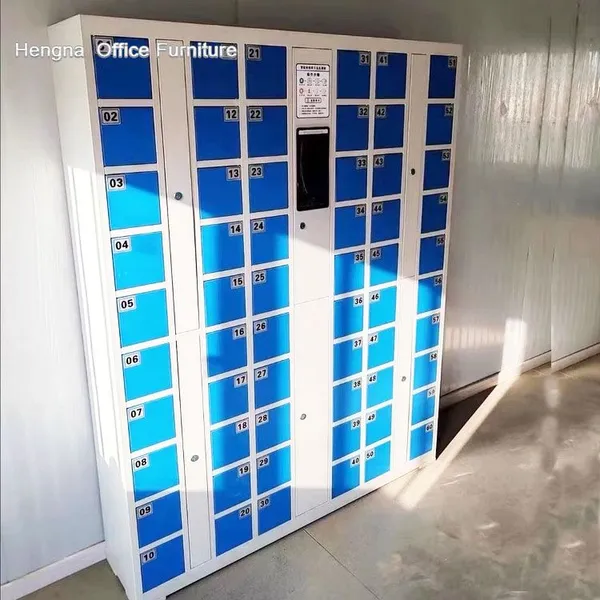
Smart Phone Charging Locker 40-door|Fingerprint Lockers Intelligent Parcel Delivery CabinetUS$ 203 - 750MOQ: 15 Pieces
-
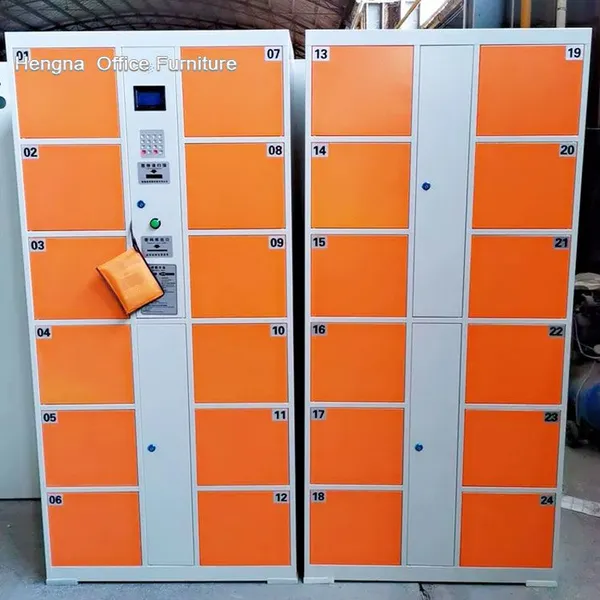
School Gym Lockers Price |Parcel Delivery Storage Locker 12-door FactoryUS$ 203 - 750MOQ: 15 Pieces
-
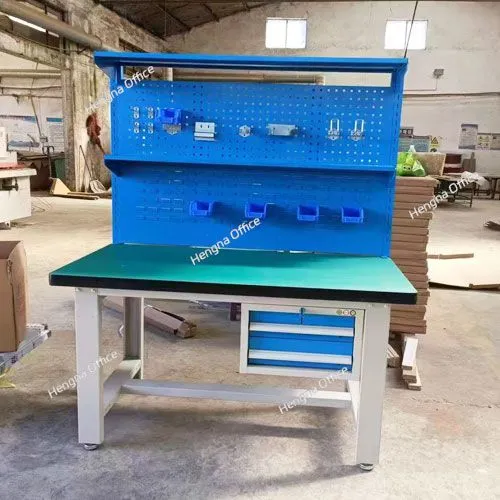
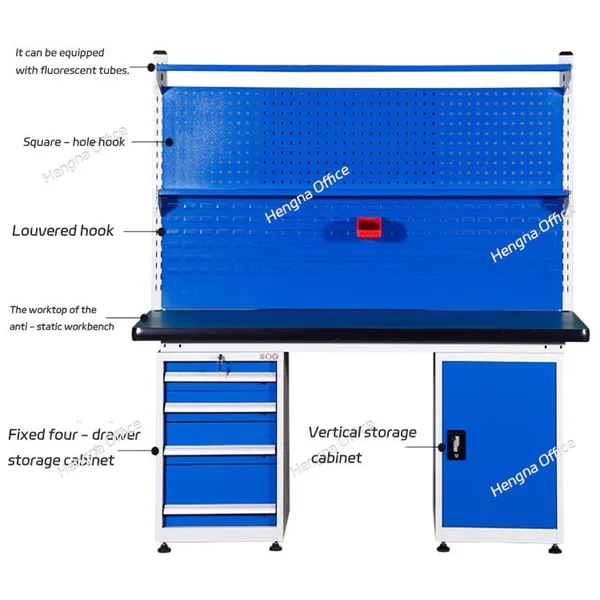
Multi Metal Work Benches Electrical Workshop Workbench|US$ 300 - 800MOQ: 2 Cases
-
Commercial Workbench Supplier |Multi Metal Work Bench With Drawers OMDUS$ 300 - 800MOQ: 2 Cases
-
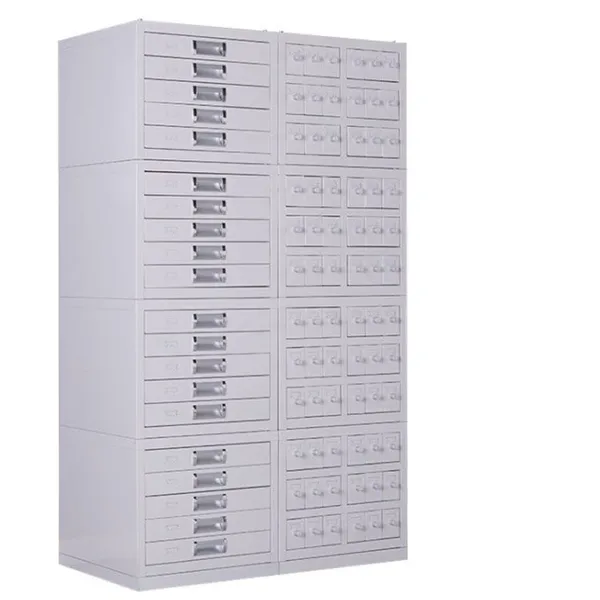
Pathological Ection Cabinet JTGZ062 Wax Block Cabinet for LaboratoryNegotiableMOQ: 10 Pieces
-
Durable Tool Storage in Factory HNGJ703 Hard Wearing Metal Industrial Tool ChestNegotiableMOQ: 18 Pieces
-
High - Quality CNC Workshop Tool Cabinet Heavyweight Workshop Tool OrganizerNegotiableMOQ: 10 Pieces
-
Laboratory Polyethylene Acid and Corrosive Chemicals Safety Storage PP CabinetUS$ 340 - 600MOQ: 5 Combos
-
22 Gallons /80 L PP Acid - Base Cabinet: Safeguard Chemical Storage Supplier OEMUS$ 500 - 600MOQ: 5 Combos
-
4 - Gallon Corrosion-resistant Safety Cabinet for Hazardous Chemicals Acid SupplierUS$ 340 - 500MOQ: 5 Combos