
 Business License

Maximize Warehouse Space: Choosing Industrial Shelving (200-400kg) with Flexible Layer Configuration
In today’s competitive business landscape, warehouse space represents one of the most significant operational costs for many businesses. With real estate prices continuing to rise and e-commerce driving increased inventory demands, maximizing every square foot of warehouse space has become more critical than ever. Industrial shelving systems with 200-400kg capacity and flexible layer configuration offer the perfect solution for businesses looking to optimize their storage density without compromising accessibility or safety. This comprehensive guide will explore how to select and implement the ideal shelving system to transform your warehouse space utilization.
The Strategic Importance of Proper Weight Capacity (200-400kg)
Understanding why the 200-400kg capacity range is ideal for most warehouse applications will help you make an informed decision that balances capability with cost-effectiveness.
The 200-400kg Advantage:
Optimal Load Range: Perfectly suited for most inventory items, from automotive parts to medium-sized equipment
Structural Efficiency: Provides excellent strength-to-weight ratio, minimizing material costs
Accessibility: Maintains easy access to stored items without specialized equipment
Safety Factor: Reduces risk of overloading compared to lighter-duty systems
Assessing Your Warehouse’s Capacity Needs:
To determine the right capacity within this range, conduct a thorough inventory analysis:
| Inventory Category | Typical Weight Range | Recommended Shelf Capacity |
|---|---|---|
| Small Parts & Components | 5-50kg | 200kg per shelf |
| Medium Tools & Equipment | 50-150kg | 300kg per shelf |
| Heavy Items & Machinery | 150-350kg | 400kg per shelf |
| Mixed Inventory | Varies | 300-400kg per shelf |
Space-Saving Design Features That Make a Difference
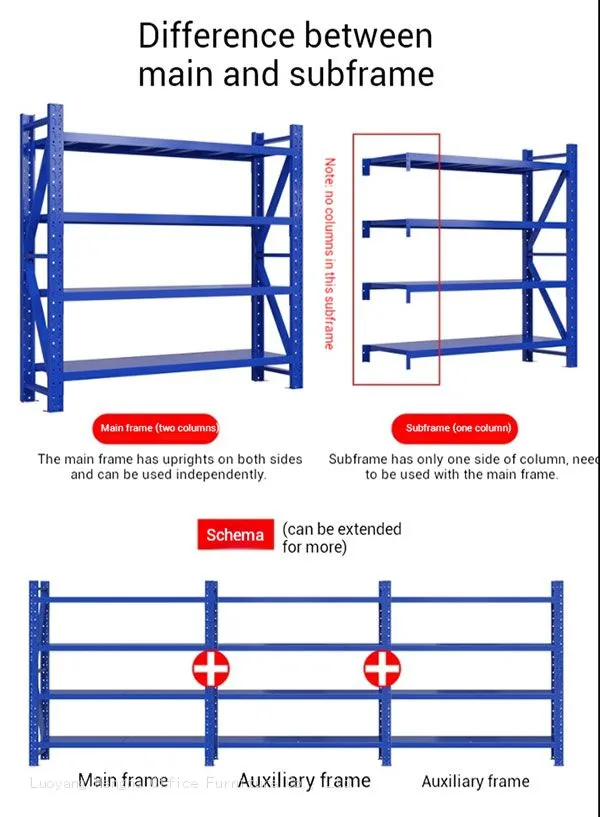
Modern industrial shelving systems incorporate numerous design innovations specifically aimed at maximizing space utilization. Understanding these features will help you select the most efficient system for your warehouse.
Vertical Space Optimization:
High-Capacity Vertical Storage: Systems that safely utilize ceiling height for additional storage
Multi-Layer Configuration: Multiple levels of storage within a single footprint
Adjustable Shelf Heights: Customize spacing to match your inventory dimensions
Narrow Aisle Designs: Reduce aisle width while maintaining accessibility
Floor Space Efficiency:
Small Footprint Design: Minimize the floor space occupied by the shelving structure itself
Freely Adjustable Efficiency: Reconfigure storage layout without purchasing new equipment
Multi-Layer Storage with Small Footprint: Maximize storage density while minimizing floor space usage
Flexible Layer Configuration: Adapt to different product sizes and seasonal inventory changes
The Game-Changing Benefits of Flexible Layer Configuration
One of the most significant advancements in industrial shelving is the development of flexible layer configuration systems. This feature alone can dramatically improve your warehouse space utilization.
What is Flexible Layer Configuration?
Flexible layer configuration refers to shelving systems that allow you to:
Adjust Shelf Heights: Move shelves up or down to accommodate different item sizes
Add or Remove Layers: Increase or decrease the number of storage levels as needed
Customize Spacing: Create custom spacing between shelves for optimal inventory organization
Reconfigure Quickly: Make changes without specialized tools or professional assistance
Real-World Benefits:
Adaptability to Seasonal Changes: Easily adjust for holiday inventory or seasonal products
Accommodate New Product Lines: Add new items without purchasing additional shelving
Optimize for Product Dimensions: Create perfect-fit storage for each product category
Improve Pick Efficiency: Organize items for faster order fulfillment
Layout Planning Tips for Maximum Space Utilization
Even the best shelving system won’t deliver optimal results without proper layout planning. Here are essential tips for designing your warehouse layout:
Layout Planning Process:
Conduct a Space Audit: Measure your available space and identify obstacles
Map Inventory Flow: Understand how products move through your warehouse
Plan for Growth: Leave room for expansion and changing needs
Consider Accessibility: Ensure all areas remain easily accessible
Optimal Layout Patterns:
U-Shaped Layout: Maximizes corner space and creates efficient workflow
Straight-Line Configuration: Ideal for linear product flow and easy navigation
Clustered Arrangement: Groups similar products together for efficient picking
High-Density Configuration: Minimizes aisle space while maintaining accessibility
Real-World Applications and Success Stories
Seeing how other businesses have successfully implemented flexible industrial shelving can provide valuable insights for your own warehouse optimization project.
Case Study: Automotive Parts Distributor
A mid-sized automotive parts distributor was struggling with inefficient space utilization and slow order fulfillment times. By implementing 300kg capacity industrial shelving with flexible layer configuration, they achieved:
40% Increase in Storage Capacity: Same footprint, significantly more inventory
25% Faster Order Picking: Better organization and accessibility
30% Reduction in Errors: Clear organization and proper inventory placement
Complete ROI in 14 Months: Quick payback period due to efficiency gains
Case Study: E-commerce Fulfillment Center
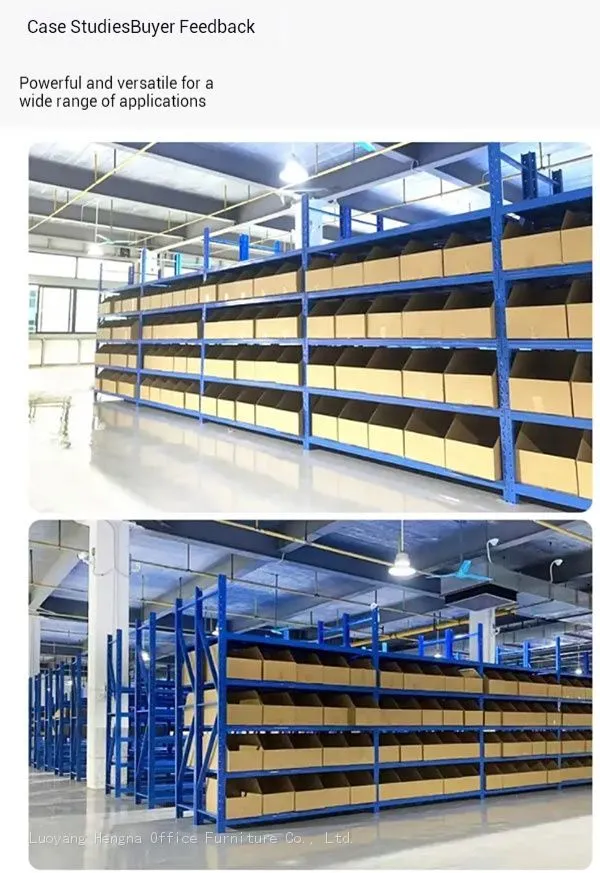
An e-commerce business needed to accommodate rapid growth without expanding their facility. Their solution involved installing 400kg capacity shelving with multi-layer configuration:
60% More Storage in Same Space: Vertical optimization and dense packing
Scalable System: Easy to add units as business grew
Improved Employee Safety: Better organization reduced workplace accidents
Seasonal Flexibility: Easily adjusted for holiday inventory fluctuations
Implementation Checklist: Getting Started with Your New Shelving System
To ensure a successful implementation of your new industrial shelving system, follow this comprehensive checklist:
Pre-Implementation Planning:
[ ] Complete inventory analysis and weight assessment
[ ] Measure available space and create detailed layout plans
[ ] Determine specific capacity requirements for each area
[ ] Research and select appropriate shelving systems
[ ] Obtain necessary permits or approvals
Installation Process:
[ ] Prepare installation area (clean, level surface)
[ ] Schedule installation during low-activity periods
[ ] Train staff on proper use and maintenance
[ ] Implement inventory organization system
[ ] Test system with actual inventory loads
Post-Implementation:
[ ] Conduct safety inspection and certification
[ ] Establish regular maintenance schedule
[ ] Monitor efficiency improvements and ROI
[ ] Plan for future expansion or reconfiguration
Maximizing warehouse space with industrial shelving (200-400kg) featuring flexible layer configuration represents one of the most effective investments you can make in your operational efficiency. By carefully selecting the right system and implementing it thoughtfully, you can dramatically increase your storage capacity, improve workflow efficiency, and create a safer, more productive work environment.
The combination of optimal weight capacity, space-saving design, and flexible configuration options makes these shelving systems ideal for businesses looking to optimize their warehouse operations without the expense of facility expansion. Start your transformation today by assessing your current space utilization and exploring how modern industrial shelving solutions can help you achieve your warehouse optimization goals.
Recently Posted
-
Louvered Panel vs Round Hole Pegboard — Which Tool Wall Holds Hooks and Bins Together?
August 31, 2026Louvered Panel vs Round Hole Pegboard — Which Tool Wall Holds Hooks and Bins Together?Short answer: if you only hang tools, round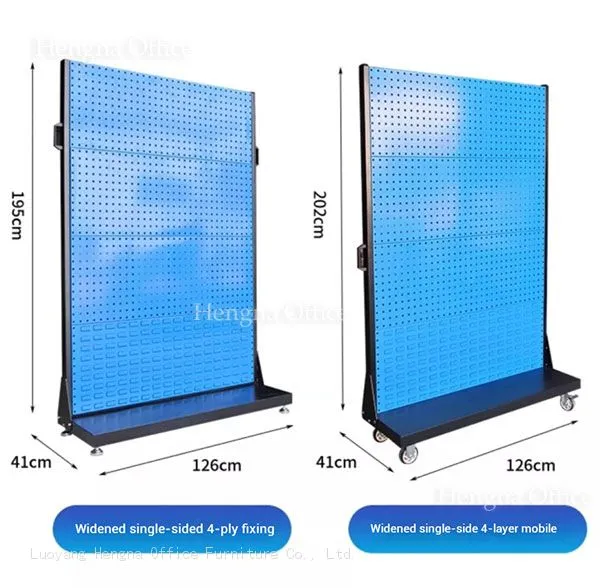 Read More
 -
Welded vs Boltless Steel Shelving — Looks Strong at the Factory, Falls Apart at the Port
August 7, 2026Welded vs Boltless Steel Shelving — Looks Strong at the Factory, Falls Apart at the PortHere's a story every steel shelving im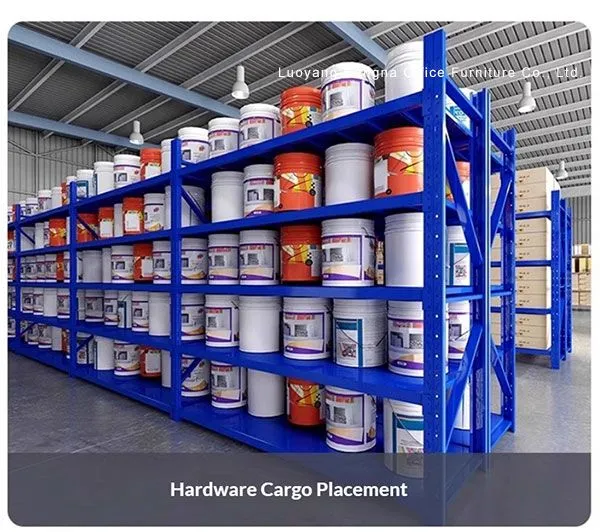 Read More
 -
You Asked a Steel Shelving Supplier for a Price. Here's What You Should Have Asked First.
August 7, 2026You found a steel shelving supplier. Their listing looks clean. You sent the message every first-time importer sends: "What&#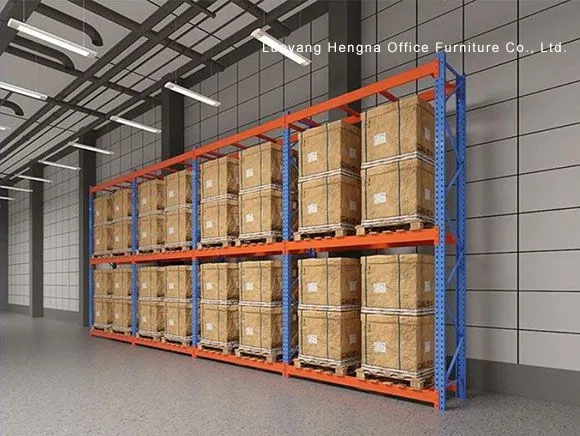 Read More
 -
Heavy Duty Steel Workbench for Auto Repair — Cold Rolled Frame vs What Most Garages Use
August 5, 2026Mike has been running his independent garage for eleven years. Three bays, two mechanics, a steady stream of brake jobs and transm Read More

Contact Us
Recommended Products
-
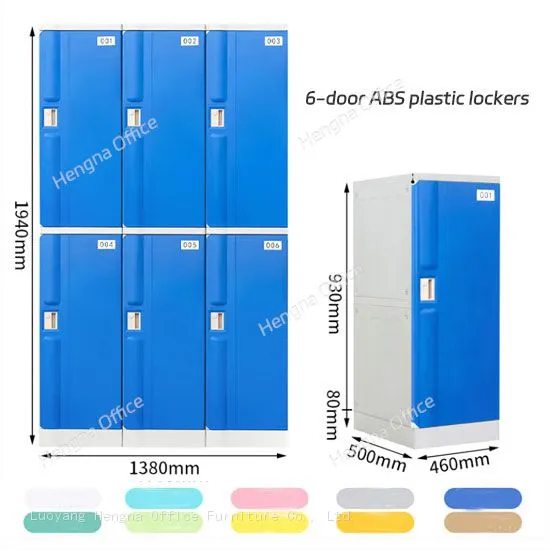
 Industrial-Grade ABS Plastic Locker for Factory Staff and Warehouse Workers|Hengna OfficeUS$ 19 - 100MOQ: 5 Sets
 -
Outdoor ABS Locker Cabinet – UV-Resistant Plastic Storage for Poolside or Beach Resorts-Hengna OfficeUS$ 19 - 100MOQ: 5 Sets
-
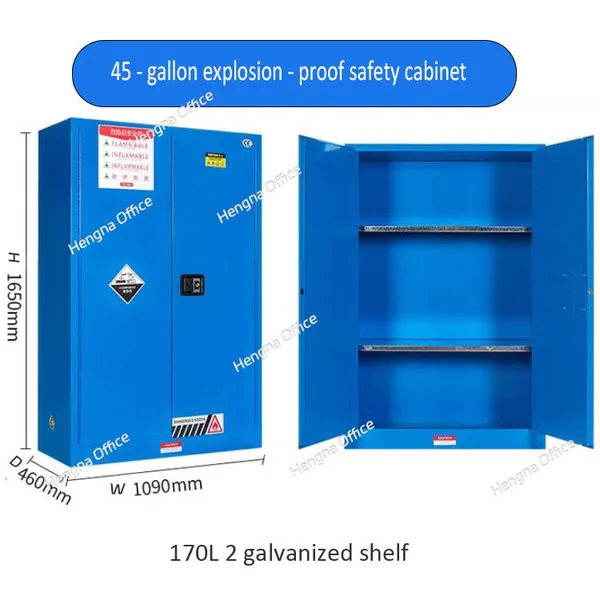
45 Gallon Explosion-Proof Flammable Liquid Storage Cabinet – Fire-Resistant Steel Safety Cabinet for FactoriesUS$ 68 - 400MOQ: 2 Combos
-
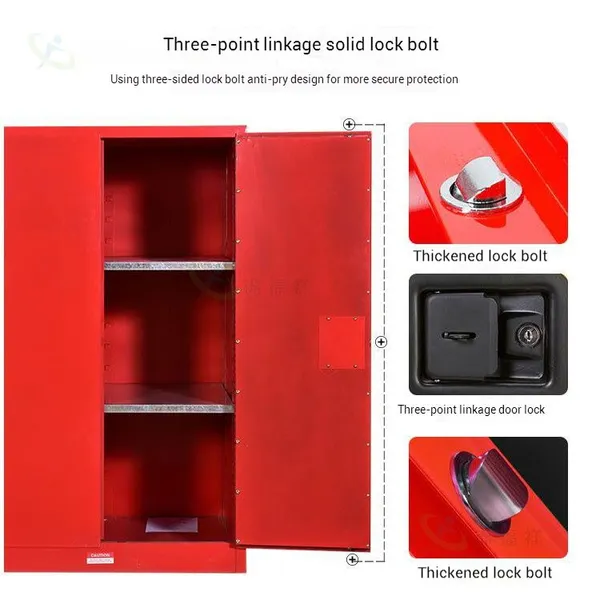
Flammable Storage Cabinet for Flammable Liquids – OSHA Certified Safety Cabinet With Fireproof Double WallsUS$ 68 - 400MOQ: 2 Combos
-
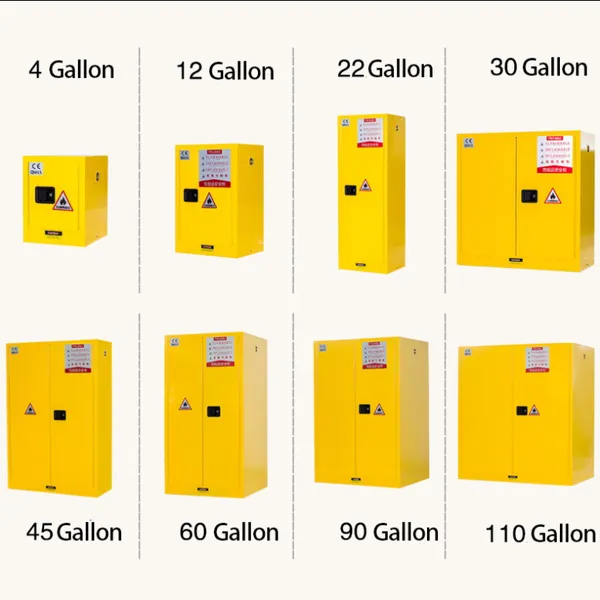
Large Capacity Flammable Liquid Storage Cabinet – Explosion-Proof Safety Cabinet for Laboratory & Workshop UseUS$ 68 - 400MOQ: 2 Combos
-
Heavy Duty Steel Tool Cart With Drawers for Workshops|Hengna OfficeUS$ 99 - 269MOQ: 2 Cases
-
Wholesale 3-Drawer Tool Trolley With Wheels for Factory and Garage StorageUS$ 99 - 269MOQ: 2 Cases
-
HN-wlj160 Industrial Rolling Tool Organizer With Pegboard|All-in-One Mobile Tool Storage CartUS$ 5 - 120MOQ: 2 Cases
-
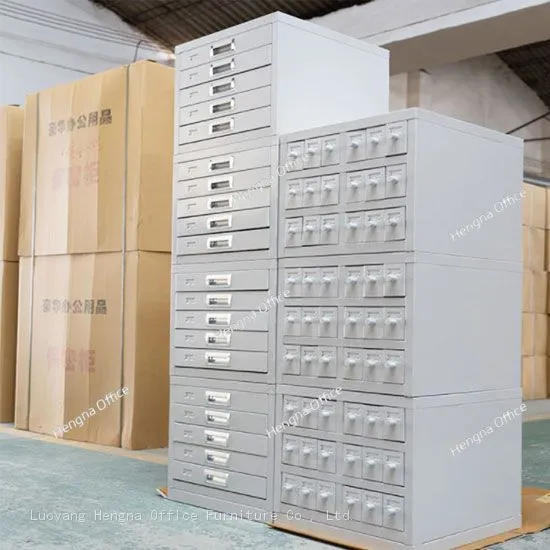
White Stackable Pathology Wax Block Storage Drawers for Labs Near London-Hengna OfficeNegotiableMOQ: 10 Pieces
-
Custom Paraffin Block Storage Cabinet for Histology Laboratories – Factory Direct From Hengna FurnitureNegotiableMOQ: 10 Pieces
-
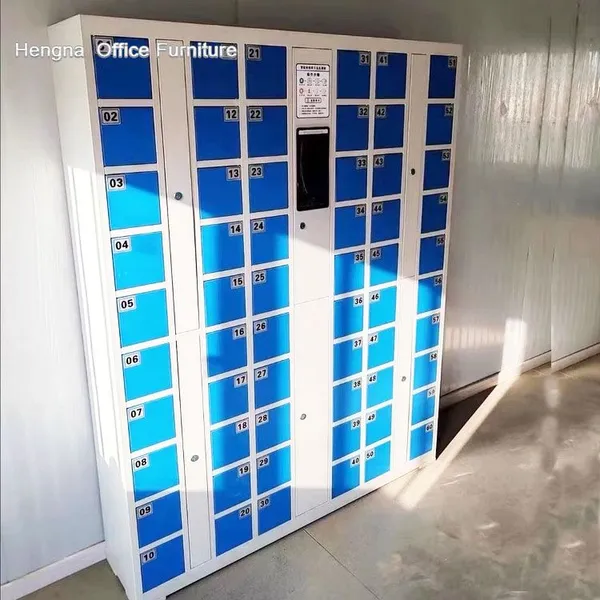
Smart Phone Charging Locker 40-door|Fingerprint Lockers Intelligent Parcel Delivery CabinetUS$ 203 - 750MOQ: 15 Pieces
-
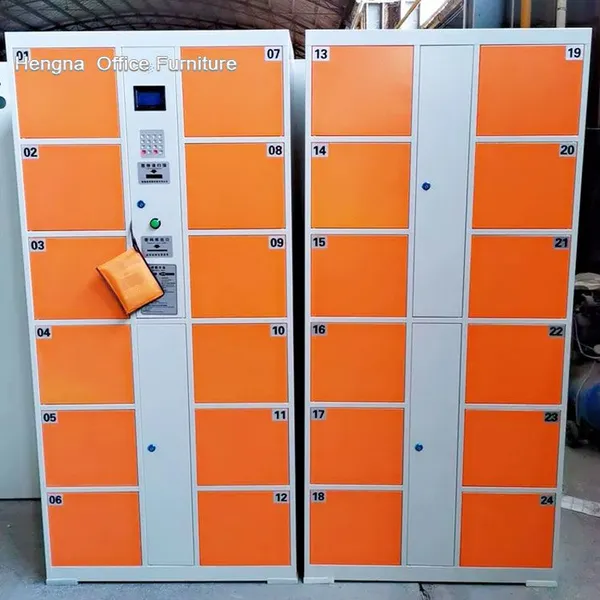
School Gym Lockers Price |Parcel Delivery Storage Locker 12-door FactoryUS$ 203 - 750MOQ: 15 Pieces
-
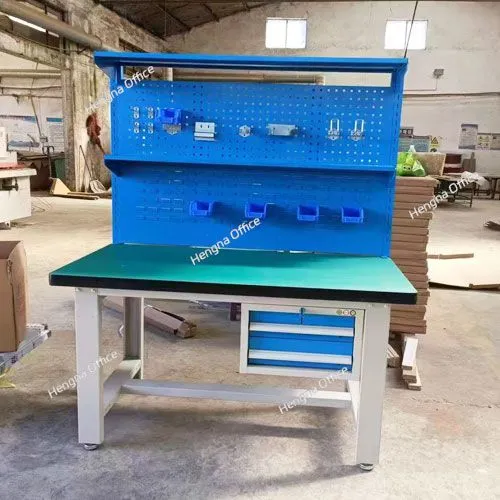
Multi Metal Work Benches Electrical Workshop Workbench|US$ 300 - 800MOQ: 2 Cases
-
Commercial Workbench Supplier |Multi Metal Work Bench With Drawers OMDUS$ 300 - 800MOQ: 2 Cases
-
Pathological Ection Cabinet JTGZ062 Wax Block Cabinet for LaboratoryNegotiableMOQ: 10 Pieces
-
Durable Tool Storage in Factory HNGJ703 Hard Wearing Metal Industrial Tool ChestNegotiableMOQ: 18 Pieces
-
High - Quality CNC Workshop Tool Cabinet Heavyweight Workshop Tool OrganizerNegotiableMOQ: 10 Pieces
-
Laboratory Polyethylene Acid and Corrosive Chemicals Safety Storage PP CabinetUS$ 340 - 600MOQ: 5 Combos
-
22 Gallons /80 L PP Acid - Base Cabinet: Safeguard Chemical Storage Supplier OEMUS$ 500 - 600MOQ: 5 Combos
-
4 - Gallon Corrosion-resistant Safety Cabinet for Hazardous Chemicals Acid SupplierUS$ 340 - 500MOQ: 5 Combos